Empowering Young Chefs: 5 Essential Tips for Teaching Kids to Cook and Building Lifelong Skills
This post is sponsored by Gorton’s Seafood, a brand we trust for delicious and convenient family meals. All insights and opinions shared are genuinely my own.
For many families, the kitchen is the heart of the home, a bustling hub where daily life unfolds. In our household, cooking has always been a central activity, shaping countless memories and routines. While my children have essentially grown up alongside me in the kitchen, observing and occasionally assisting, they are now reaching an age where they can actively participate and even prepare meals independently. This shift is not only a welcome development for me but also a crucial step in equipping them with vital life skills.
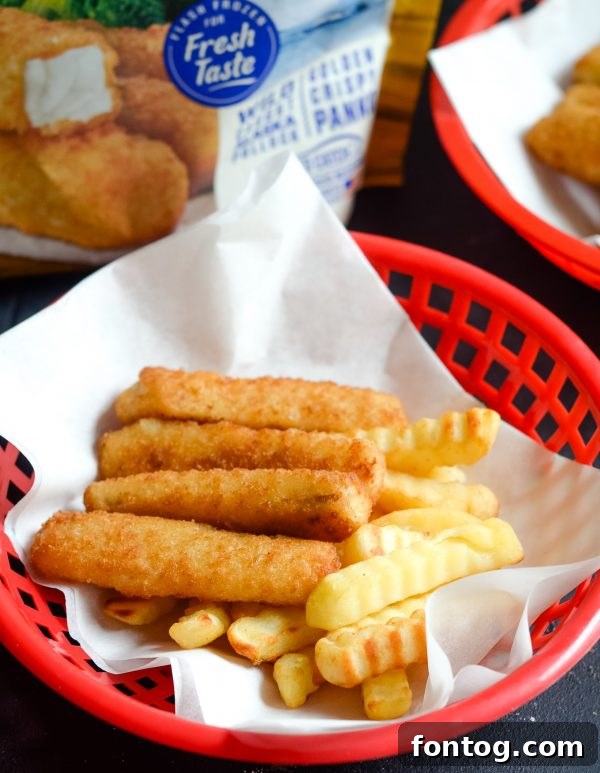
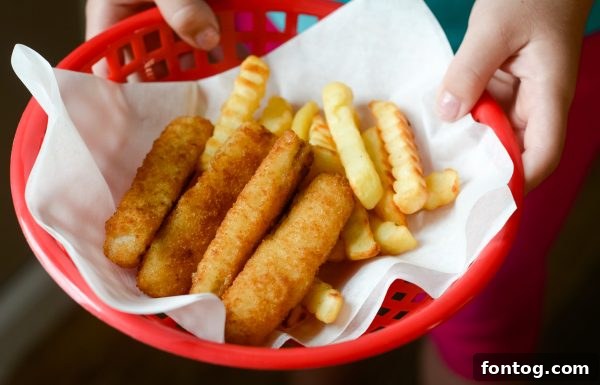
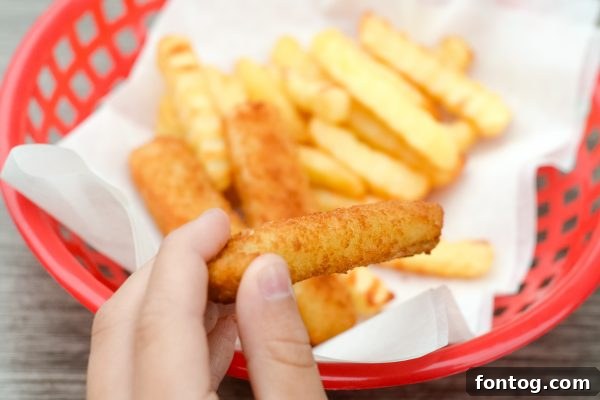
As we navigate this exciting phase, I’ve discovered several strategies that have proven incredibly effective in fostering their culinary confidence and competence. One of the most significant aids in this journey has been incorporating simple, easy-to-prepare meals into our routine. Products like Gorton’s Seafood and their versatile Crunchy Breaded Fish Sticks are perfect examples. These convenient options allow the kids to take the lead in preparing a satisfying dinner, such as classic Fish & Chips, with minimal supervision.
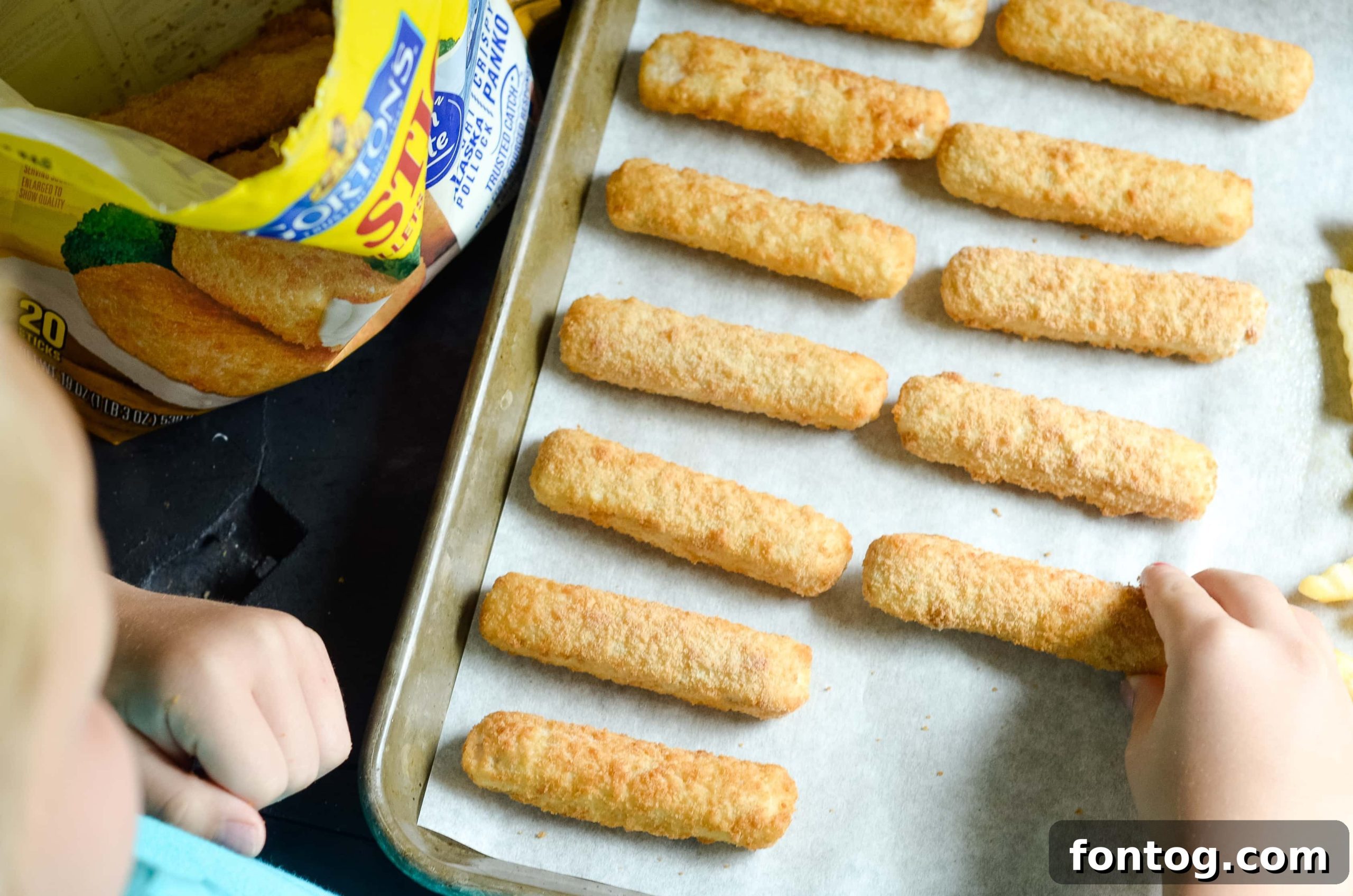
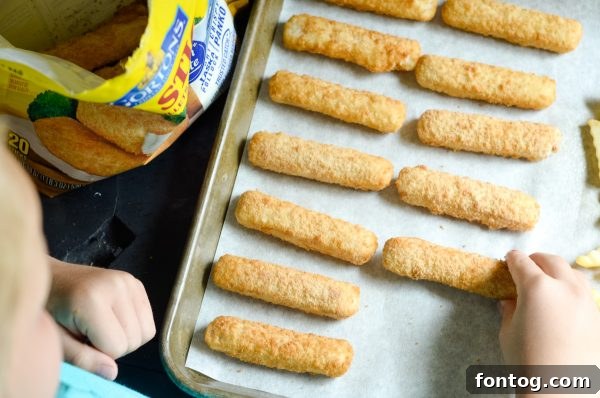
My daughter, for instance, delights in organizing all the components and preparing them for the oven. While I still handle the loading and unloading of hot dishes for safety, her enthusiasm for the preparation process is undeniable. It’s truly rewarding to witness their sense of accomplishment as they contribute to our family meals.
Why Gorton’s Fish Sticks Are a Family Favorite and a Great Starting Point for Young Cooks

When introducing children to cooking, selecting the right ingredients is key. Gorton’s Fish Sticks have become a staple in our kitchen for several compelling reasons:
- Convenience and Flexibility: A standout feature is the resealable bag. This ingenious packaging allows us to use only what’s needed for a meal and store the rest for later, minimizing waste and making it incredibly simple to whip up a quick snack or dinner tailored to appetite.
- Quality Ingredients You Can Trust: Gorton’s Seafood is committed to quality, utilizing high-grade, wild-caught Alaska Pollock. These fish are flash-frozen at the peak of freshness, a process that locks in their natural flavor and nutritional value. As parents, knowing what goes into our children’s food is paramount.

- Nutritional Powerhouse: For health-conscious parents, Gorton’s Fish Sticks are a win. They are made from 100% whole fish fillets, with absolutely no fillers, preservatives, artificial colors or flavors, hydrogenated oils, or antibiotics. Each crunchy stick is packed with protein and beneficial Omega-3s, making them a nutritious and delicious choice for the entire family. They offer a simple way to incorporate seafood into your family’s diet, contributing to overall health and development.
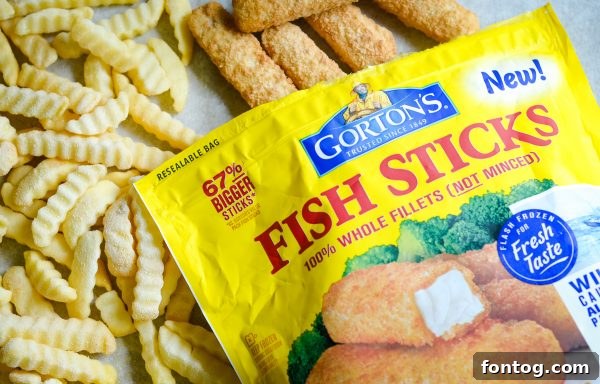
Essentially, Gorton’s provides a wholesome, protein-rich, and undeniably tasty option that’s incredibly easy for budding chefs to handle, fostering their independence in the kitchen without compromising on quality or flavor.
When to Start: Age-Appropriate Cooking Skills for Children
The journey of teaching children to cook can begin much earlier than many parents realize. Even in their toddler years, children are eager to help and can engage in simple, supervised tasks. As they grow, their capabilities and kitchen skills expand significantly.
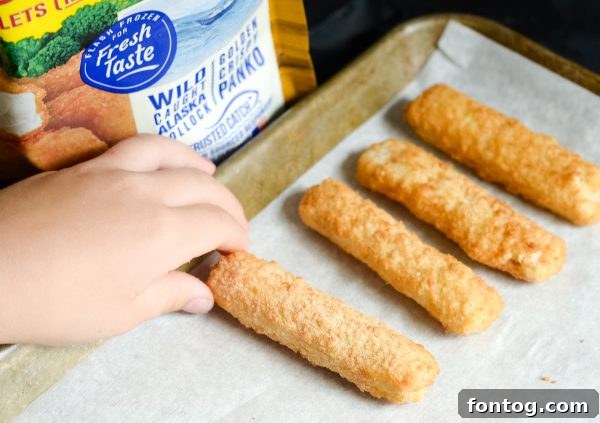
By approximately age 8, most children are ready for more active involvement. This includes helping to plan meals, understanding basic recipe instructions, and performing fundamental cooking steps. For these initial forays into independent cooking, I wholeheartedly recommend starting with exceptionally simple dishes like Gorton’s Fish Sticks. Their straightforward preparation allows children to genuinely experience the process of making dinner and enjoy the fruits of their labor, boosting their confidence tremendously.

My daughter, who is almost 7, found immense joy and pride in helping prepare dinner using these. That feeling of “I cooked this!” is invaluable. As children approach their middle school years, they can gradually transition to tackling more complex recipes and mastering a wider range of culinary techniques, preparing them for even greater kitchen independence in the future.
5 Indispensable Tips for Effectively Teaching Kids to Cook
Transforming children into capable cooks doesn’t happen overnight; it’s a gradual process built on patience, encouragement, and strategic guidance. Here are my top five tips to make this learning journey enjoyable and effective:
1. Begin Early: Cultivating Kitchen Confidence from a Young Age
The best time to start involving children in the kitchen is as early as possible. Even toddlers can be fantastic kitchen helpers, developing crucial motor skills and an understanding of food prep. Think about simple tasks like mixing ingredients (with supervision, of course), retrieving non-breakable items from lower pantry shelves, or washing fruits and vegetables under cool water. As they mature, these tasks can evolve to mashing potatoes, tearing lettuce for salads, or stirring cold ingredients. Gradually, with proper guidance and safety instruction, they can progress to more advanced skills like boiling eggs or safely using the oven for simple baking tasks. Early exposure normalizes cooking and makes it a natural part of their world.

2. Progress from Simple to Complex: Building Skills Incrementally
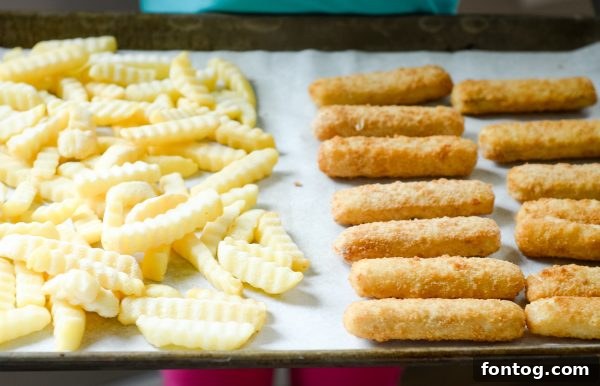
Just as an athlete doesn’t start with a marathon, a young chef shouldn’t begin with a gourmet meal. Simplicity is key in the initial stages. This is precisely why meals like Fish & Chips featuring Gorton’s Seafood are ideal. They allow children, particularly those in elementary school, to actively participate without the intimidation of a lengthy, multi-step recipe. They can master the skill of arranging fish sticks and french fries on a baking sheet, understanding the concept of oven temperature (with adult assistance for placement), and anticipating a delicious outcome. This builds fundamental skills and a sense of achievement.
Once they’ve mastered these basic steps, you can gradually introduce slightly more complex dishes. For pre-teens or older elementary students, transitioning to recipes like fish tacos, where they learn to prepare toppings, warm tortillas, and assemble ingredients, can be the next logical step. The key is to add new elements progressively, ensuring they build on previously learned skills.
3. Master the Basics First: The Foundation of Culinary Knowledge
Before diving into elaborate gourmet dishes, focus on the fundamental building blocks of cooking. These foundational skills are invaluable and will serve them throughout their lives. Think about teaching them how to scramble an egg perfectly, make a slice of toast, boil pasta al dente, or measure ingredients accurately. Even simple baking tasks, like following a cookie recipe, teach precision, sequencing, and the science of combining ingredients. These basic methods provide a strong base from which they can confidently branch out to more intricate recipes. Don’t forget to pass down cherished family heirloom recipes – these not only teach technique but also connect them to family history and tradition.
4. Prioritize Safety Above All Else: A Non-Negotiable Kitchen Rule
Safety in the kitchen is paramount and must be an ongoing conversation from the very first cooking session. While it might seem obvious to adults, young children need clear, consistent reminders about potential hazards. Knives, for instance, are often off-limits for younger children, but older children need to learn proper knife handling techniques, including how to hold, cut, and store them safely. The oven is another significant area of concern. Consistently remind them that it’s extremely hot, and teach them how to safely open and close it, use oven mitts, and understand that hot surfaces remain dangerous even after the heat is off.
Beyond burns and cuts, discuss other safety aspects like avoiding cross-contamination (e.g., raw meat and fresh produce), understanding food expiry dates, and knowing basic first aid for minor kitchen mishaps. Even adults experience kitchen accidents; therefore, reiterating and practicing safety rules is a continuous process that builds good habits and prevents serious injuries.
5. Embrace Cooking as a Life Skill, Not Just a Hobby
It’s important to acknowledge that not every child will develop a deep passion for cooking, and that’s perfectly fine. Just like any other skill, some will gravitate towards it more than others. However, regardless of their enthusiasm, it’s crucial to impress upon them that cooking is an indispensable life skill. It empowers them to nourish themselves, make healthier food choices, manage a budget, and navigate a kitchen independently as they transition into adulthood.
By teaching these skills during childhood, we facilitate a smoother transition into self-sufficiency. They’ll learn about different cuisines, experiment with flavors, and understand the practicalities of meal planning. Even if they don’t become gourmet chefs, knowing how to prepare a few simple, nutritious meals will significantly benefit their independence and well-being. Focus on teaching them competence and confidence, rather than demanding perfection or a specific level of passion.
Making Memories and Learning Through Fun
Above all, remember that the kitchen should be a place of joy and exploration, especially when children are involved. Don’t let the pursuit of culinary perfection create a stressful environment. Mistakes will happen – spills, burnt edges, forgotten ingredients – and that’s an inherent part of the learning process. Embrace these moments as teaching opportunities, clean up together, and laugh it off. The most valuable ingredient you can add is fun! When cooking is approached with a lighthearted attitude, children are more likely to engage, experiment, and develop a positive relationship with food preparation that will last a lifetime.
And if you have older children or even adults who are hesitant about cooking, remember it’s truly never too late to learn! I myself embarked on a journey to master complex and even basic culinary skills just about a decade ago when I started this website. If I could teach myself, anyone can. The kitchen offers endless opportunities for discovery at any age.

So, this weekend, why not set aside some time to create delicious memories in the kitchen? Gather your little helpers, pull out a bag of Gorton’s Seafood Crunchy Breaded Fish Sticks, and prepare for a rewarding culinary adventure. It sounds like the perfect dinner idea to me!