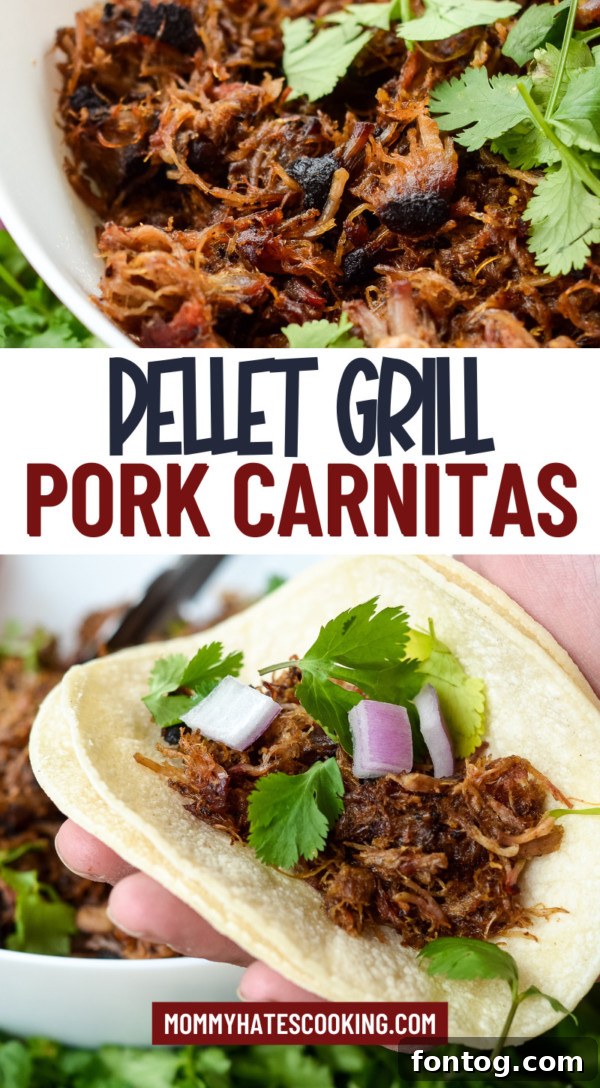
Experience Unforgettable Flavor: Pellet Grill Smoked Pork Carnitas
Craving the rich, tender, and incredibly flavorful experience of authentic carnitas? Imagine succulent pork, slow-smoked to perfection, then crisped to a golden finish. These Pellet Grill Smoked Pork Carnitas are a culinary journey, bringing the vibrant tastes of Mexico right to your backyard. Every bite is packed with bold, smoky notes and melt-in-your-mouth tenderness, making them an instant crowd-pleaser and a staple for any gathering.
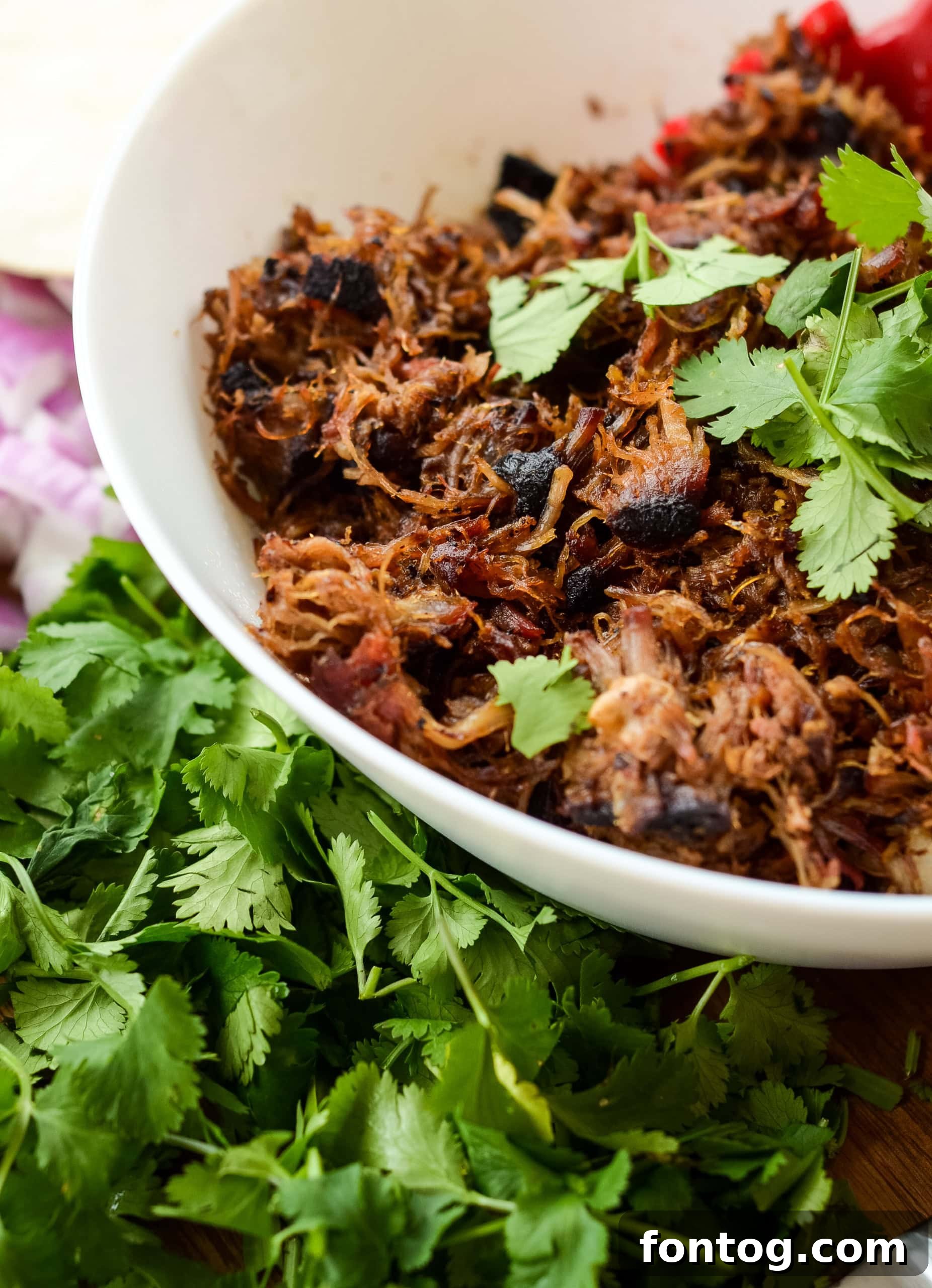
Forget dry, bland pork! Our method utilizes the unique capabilities of a pellet grill to infuse the meat with layers of deep, complex flavor from start to finish. The low and slow smoking process renders the pork incredibly juicy, making it effortless to shred. Just before serving, a quick pan-sear creates that classic crispy texture that elevates carnitas from delicious to absolutely irresistible. Serve them simply on warm tortillas with a sprinkle of diced onion and fresh cilantro, and you’ll swear you’re at your favorite taqueria.
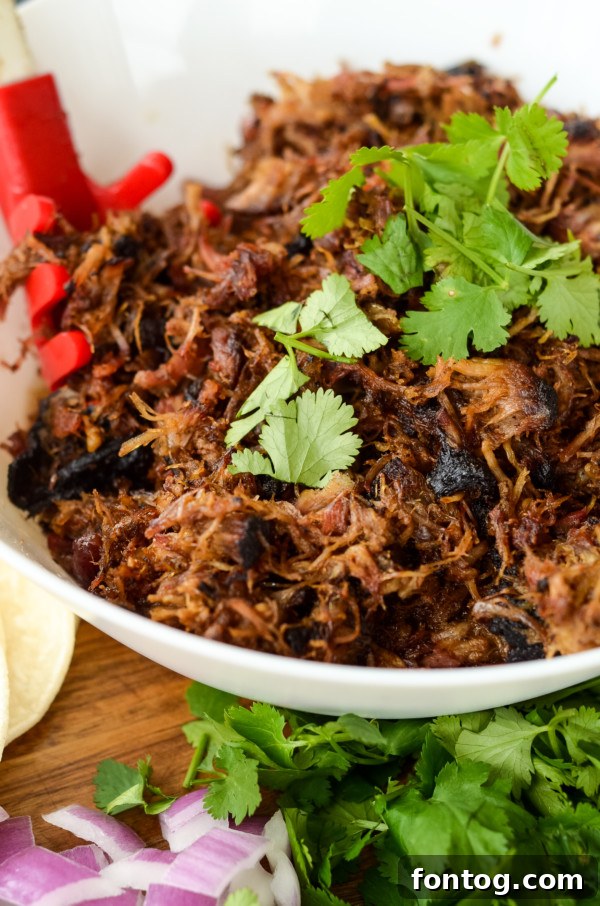
The pellet grill isn’t just a cooking appliance; it’s a flavor enhancer. Its ability to maintain precise temperatures for extended periods allows the pork to absorb every aromatic essence from the wood pellets. This meticulous approach to cooking ensures that the final result is a masterpiece of taste and texture. Get ready to impress your family and friends with a dish that’s as satisfying to make as it is to eat!
Why a Pellet Grill is Perfect for Smoked Pork Carnitas
When it comes to crafting exceptional pork carnitas, the cooking method is paramount. While traditional methods involve simmering or deep-frying, using a pellet grill introduces an unparalleled depth of smoky flavor that truly sets this recipe apart. The “low and slow” cooking environment of a pellet grill is inherently suited for tough cuts of meat like pork shoulder, gradually breaking down connective tissues to achieve ultimate tenderness.
Here’s why a pellet grill is your best friend for making this Mexican classic:
- Consistent Temperature Control: Pellet grills excel at holding a steady temperature for hours, which is crucial for slow-smoking. This consistency ensures even cooking and prevents the pork from drying out, allowing it to become incredibly tender.
- Unmatched Smoke Infusion: The controlled combustion of wood pellets provides a continuous, clean smoke that deeply penetrates the pork. This infusion of natural wood smoke contributes significantly to the rich, authentic flavor profile of smoked carnitas.
- Even Cooking: Unlike traditional smokers that can have hot spots, pellet grills typically offer very even heat distribution, ensuring your pork butt cooks uniformly from all sides.
- Convenience: Once set, a pellet grill largely manages itself, freeing you up to prepare other components of your meal or simply relax while the magic happens. Minimal babysitting is required compared to charcoal or offset smokers.
The process begins with a long smoke, imbuing the pork with that desirable smoky essence. Then, it transitions to a braising stage within the grill, where the pork bathes in a flavorful liquid, making it astonishingly tender. Finally, a high-heat sear delivers the signature crispy edges that make carnitas so addictive. This layered approach ensures both tenderness and that irresistible crunchy exterior, all thanks to the versatility of your pellet grill.
Essential Ingredients for Your Pellet Grill Smoked Pork Carnitas
Creating truly outstanding carnitas starts with selecting the right ingredients. This recipe calls for a balance of robust spices and key liquids that work together to transform a simple pork roast into a Mexican-inspired feast. Most of these items are likely already in your pantry, making this a convenient yet incredibly flavorful dish to prepare.
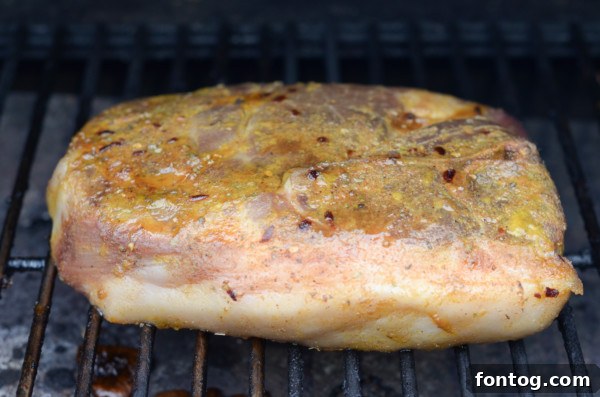
Here’s a detailed look at what you’ll need:
- Bone-In or Boneless Pork Butt Roast: This is the star of the show. Pork butt (also known as Boston butt or pork shoulder) is ideal for slow cooking due to its high fat content and connective tissue, which break down during long cooks to create incredibly tender and juicy meat. Bone-in cuts often add more flavor and moisture.
- Yellow Mustard: Used as a binder for the dry rub, mustard not only helps the spices adhere to the pork but also contributes a subtle tanginess that enhances the overall flavor without imparting a strong mustard taste.
- Olive Oil: Essential for searing the shredded pork at the end, providing a rich flavor and helping to achieve that perfect crispy exterior.
- Chicken Broth: This forms the base of the braising liquid, adding moisture and a savory depth to the pork during the second cooking phase.
- Apple Cider Vinegar: A touch of apple cider vinegar provides a crucial acidic component to the braising liquid, tenderizing the meat and brightening the flavors.
- Garlic: Fresh crushed garlic infuses the braising liquid with its aromatic essence, a fundamental flavor in Mexican cuisine.
- White Onion: Quartered and added to the braising liquid, the onion caramelizes slightly and adds a sweet, savory base that permeates the pork.
- Lime: Fresh lime juice adds a bright, zesty note to the braising liquid, cutting through the richness of the pork and adding a quintessential Mexican flavor.
- Brown Sugar: A key component of the dry rub, brown sugar helps create a beautiful, caramelized crust (the “bark”) on the pork and balances the savory and spicy elements.
- Salt: Crucial for seasoning and drawing out moisture initially, then re-integrating flavor.
- Pepper: Provides a classic savory heat to the dry rub.
- Paprika: Contributes a vibrant color and a mild, sweet, peppery flavor to the rub.
- Crushed Red Pepper Flakes: For those who enjoy a little heat, these flakes add a gentle warmth and a subtle kick. Adjust the amount to your preference.
- Ground Mustard: Different from yellow mustard, ground mustard powder adds a pungent, earthy depth to the dry rub.
- Garlic Powder: Reinforces the savory garlic flavor throughout the rub.
- Oregano: A classic herb in Mexican cooking, oregano adds an earthy, slightly minty flavor that complements the pork beautifully.
- Cumin: Indispensable for authentic Mexican flavor, cumin provides a warm, earthy, and slightly smoky aroma to the rub.
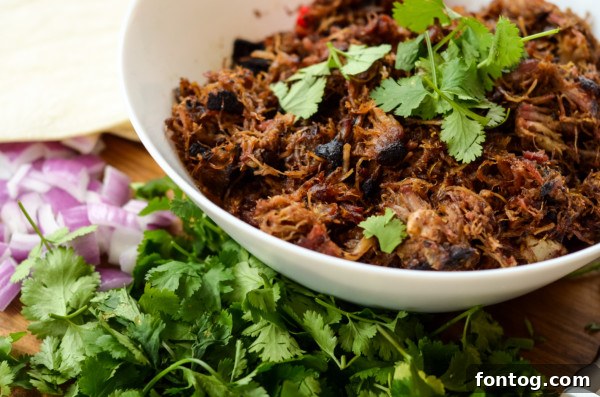
For serving, you’ll want soft tortillas (corn tortillas for a naturally gluten-free option), finely diced red onion, and freshly chopped cilantro. Remember, this recipe is naturally gluten-free, but always double-check all ingredient labels to ensure they meet your dietary needs. The combination of these ingredients ensures a rich, complex flavor that is both traditional and wonderfully satisfying.
Choosing the Perfect Wood Pellets for Smoked Pork Carnitas
The type of wood pellets you choose for your pellet grill plays a significant role in the final flavor profile of your smoked pork carnitas. Different woods impart distinct smoky notes, ranging from bold and robust to mild and sweet. Selecting the right pellet can elevate your carnitas from good to truly exceptional.
Here are our top recommendations and why they work:
- Hickory: A classic choice for pork, hickory offers a strong, bacon-like smoky flavor that stands up well to the richness of pork butt. If you love a pronounced smoke taste, hickory is an excellent option for carnitas, giving them a traditional BBQ depth.
- Mesquite: Known for its intense, earthy, and slightly peppery smoke, mesquite is another fantastic choice for those who prefer a bolder flavor. It pairs beautifully with the savory and spicy elements of the carnitas rub, adding a distinct Southwestern character.
- Apple: For a milder, sweeter, and fruity smoke profile, applewood is a superb alternative. It imparts a delicate sweetness that complements pork wonderfully without overpowering the other spices. This is ideal if you prefer a less aggressive smoke flavor.
- Cherry: Similar to apple, cherry wood provides a sweet, fruity smoke but with a slightly richer, more complex undertone and a beautiful mahogany color to the meat. It’s a versatile option that works well for pork.
- Oak: A medium-strength smoke, oak is very versatile and imparts a clean, classic BBQ flavor that enhances the pork without being too strong or too subtle. It’s a great all-around choice if you’re unsure.
For these Pellet Grill Smoked Pork Carnitas, we often lean towards hickory or mesquite for their ability to deliver a robust smoky foundation that pairs perfectly with the bold Mexican spices. However, if you prefer a less intense smoke or a hint of sweetness, apple or cherry are fantastic choices that will still yield incredibly flavorful results. Many pellet grill users also enjoy using a blend of different wood pellets to create their own unique flavor combinations. Experiment with what you have on hand or try a new blend to discover your favorite carnitas flavor!
Expert Tips for Perfecting Your Pellet Grill Smoked Pork Carnitas
Crafting these pellet grill smoked pork carnitas is a rewarding process that yields incredible results, but a few key tips can ensure your dish reaches its full potential. Paying attention to these details will make all the difference in achieving tender, juicy, and perfectly crispy carnitas every time.
- Plan Ahead for Success: This recipe is a labor of love that requires time. From the initial dry rub and resting period to the long smoking and braising, and finally the searing, plan to be home throughout the day. While the pellet grill does most of the work, monitoring temperatures and transitioning between steps is crucial. This isn’t a quick weeknight meal, but rather a delicious weekend project that’s worth every minute.
- The Essential Resting Period: After applying the dry rub, allow the pork roast to rest at room temperature for at least 1 hour, or even up to 2 hours if time permits. This step is vital for two reasons:
- It allows the salt and spices to penetrate deeper into the meat, enhancing flavor.
- Bringing the meat closer to room temperature before smoking ensures a more even cook and helps create a better “bark” (the flavorful crust).
- Master Pellet Grill Temperatures: Precision is key. The cooking process involves two distinct temperature phases:
- Begin by smoking the pork at 225°F (107°C) for 3 hours. This initial low temperature is where the majority of the smoke infusion occurs, building that signature smoky flavor.
- After the initial smoke, transfer the pork to a skillet with braising liquid and raise the grill temperature to 300°F (149°C). Continue cooking until the pork reaches an internal temperature of 205°F (96°C). This higher temperature facilitates the braising process, making the meat incredibly tender and easy to shred. A reliable meat thermometer or probe is absolutely indispensable for this recipe, ensuring both safety and optimal texture.
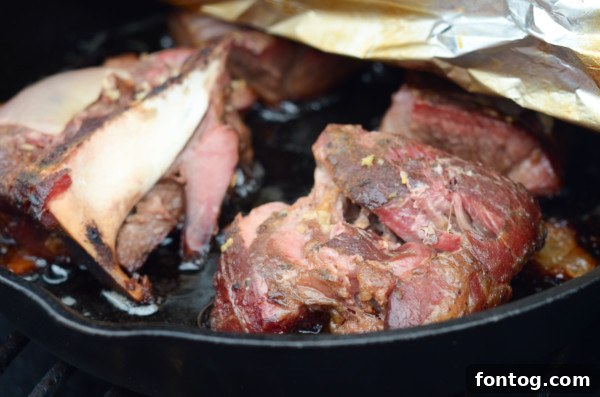
- The Power of the Foil Wrap: Once the pork is in the skillet with the braising liquid and back on the grill, it’s crucial to cover the skillet tightly with heavy-duty aluminum foil. This traps the moisture and steam, effectively braising the meat and ensuring it becomes fall-apart tender. The foil also prevents the exterior from drying out during this phase.
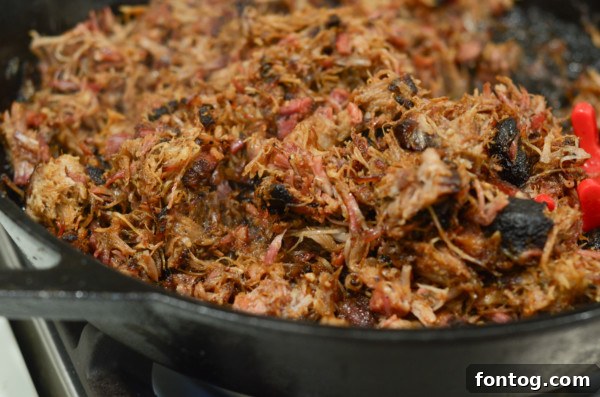
- Don’t Skip the Sear: This is arguably the most critical step for achieving authentic carnitas. After shredding the tender pork, searing it in a hot skillet with a little olive oil (and some of the rendered pork fat from the braising liquid, if desired) develops those crispy, caramelized edges that define traditional carnitas. You can do this on a stovetop burner or even a side burner on your pellet grill. This final sear adds an incredible textural contrast to the tender interior and is what truly makes them taste like they came from a local Mexican restaurant.
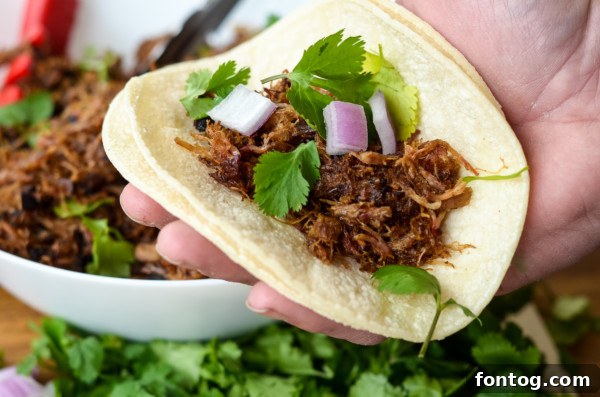
- Serve with Creative Variety: While traditionally served on warm corn tortillas with fresh cilantro and finely diced red onion, the versatility of carnitas means you can serve them in countless ways. They are fantastic as a topping for nachos, in burritos or quesadillas, as part of a hearty salad or grain bowl, or even alongside rice and beans. Consider adding homemade salsa verde, pico de gallo, guacamole, or pickled red onions for extra layers of flavor and texture.
Storing and Reheating Leftover Carnitas Meat for Best Flavor
One of the best things about making a large batch of Pellet Grill Smoked Pork Carnitas is having delicious leftovers. Proper storage and reheating techniques are essential to maintain their incredible flavor and texture, especially that desirable crispy finish.
Once your carnitas meat has fully cooled to room temperature, transfer it to an airtight, freezer-safe storage container or a heavy-duty freezer-safe Ziploc bag. To optimize for freshness and prevent freezer burn, try to remove as much air as possible from the bag before sealing. For convenience, you might consider dividing the carnitas into single-serving or meal-sized portions before freezing.
The leftovers can be stored in the freezer for up to 3 months without a significant loss in quality. This makes carnitas an excellent meal-prep option, allowing you to enjoy a taste of Mexico whenever a craving strikes.
When you’re ready to enjoy your frozen carnitas:
- Thawing: The safest and best method for thawing is to transfer the frozen carnitas to the refrigerator overnight. For quicker thawing, you can place the sealed bag in a bowl of cold water, changing the water every 30 minutes until thawed.
- Reheating for Crispiness: To recapture that signature crispy texture, reheating in a skillet is highly recommended. Heat a little bit of olive oil (or rendered pork fat, if you saved some from the original cook) in a cast-iron skillet or heavy-bottomed pan over medium to medium-high heat.
- Add the thawed carnitas meat to the hot skillet, spreading it out in a single layer if possible. Allow it to sear undisturbed for a few minutes until the edges become golden brown and crispy. Flip and continue to sear other sides until heated through and satisfyingly crisp. Avoid overcrowding the pan, as this can steam the meat instead of crisping it. Reheat in batches if necessary.
- While microwaving is an option for heating, it will not yield crispy carnitas and might make the meat tough. If you must use a microwave, do so sparingly and then transfer to a hot skillet to finish.
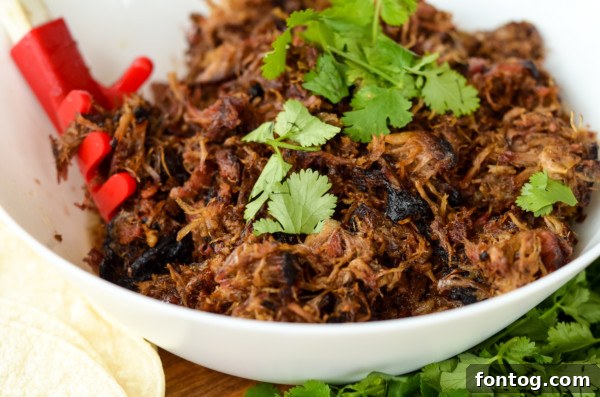
With these tips, your Pellet Grill Smoked Pork Carnitas will remain a delightful and convenient meal, offering that same incredible melt-in-your-mouth tenderness and irresistible crispiness even as leftovers. Enjoy every succulent bite of this delicious dish, whether freshly made or reheated!
More Irresistible Pellet Grill Recipes:
-
Pellet Grill Balsamic Steaks
-
Smoked Mushrooms (Pellet Grill Recipe)
-
Smoked Pulled Pork (Pellet Grill Recipe)
-
Easy Grilled Pork Chops
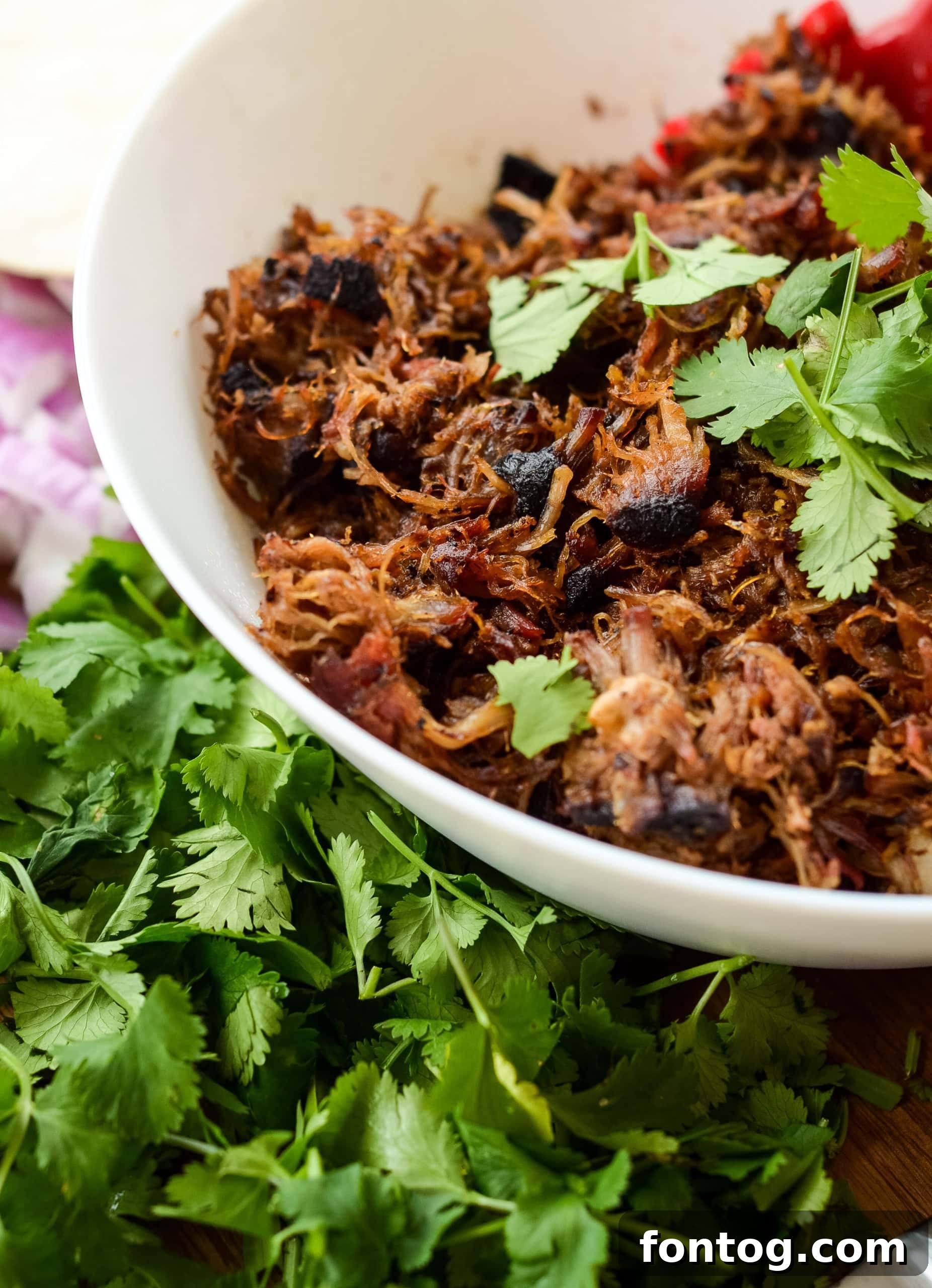
Pellet Grill Smoked Pork Carnitas
Save RecipeSaved!
Ingredients
- 2 Tbsp Yellow Mustard
- 4 Lb Bone-In or Boneless Pork Butt Roast
- 1/2 Cup Chicken Broth
- 1/4 Cup Apple Cider Vinegar
- 2 Cloves Crushed Garlic
- 1 Large White Onion, quartered
- 1 Lime, juiced
- 2 Tbsp Olive Oil
Dry Rub
- 3 Tbsp Brown Sugar Packed
- 3 Tsp Salt
- 1/2 Tsp Black Pepper
- 1 Tsp Smoked Paprika
- 1-2 Tsp Crushed Red Pepper Flakes
- 1 Tsp Ground Mustard
- 1 Tsp Garlic Powder
- 1 Tsp Dried Oregano
- 2 Tsp Ground Cumin
Additional Toppings
- Soft Tortillas (corn or flour)
- Diced Red Onion
- Fresh Chopped Cilantro
Instructions
-
In a small bowl, combine all the dry rub ingredients thoroughly and set aside.
-
Place the pork roast in a shallow dish or on a baking sheet. Evenly coat the entire surface of the pork with 2 tablespoons of yellow mustard. The mustard acts as a binder for the dry rub.
-
Generously rub the prepared spice mixture all over the pork roast, ensuring it’s fully coated. Let the seasoned pork rest at room temperature for at least 1 hour. This allows the flavors to meld and the meat to come to an even temperature.
-
Preheat your pellet grill to 225°F (107°C). Allow it to come to temperature and produce clean, consistent smoke.
-
Carefully place the seasoned pork roast directly onto the grill grates. Smoke at 225°F (107°C) for 3 hours. This initial phase infuses the pork with a deep smoky flavor.
-
After 3 hours of smoking, prepare a large cast-iron skillet (or a sturdy oven-safe pan). Add 1/2 cup chicken broth, 1/4 cup apple cider vinegar, 2 cloves of crushed garlic, and the quartered large white onion to the skillet. Gently whisk these ingredients together.
-
Carefully transfer the smoked pork roast from the grill grates into the skillet with the liquid. Squeeze the juice of one lime evenly over the pork. Tightly cover the skillet with heavy-duty aluminum foil to ensure a good braise.
-
Increase the temperature of your pellet grill to 300°F (149°C).
-
Place the foil-covered skillet back onto the grill. Continue to cook for another 2-3 hours, or until the internal temperature of the pork reaches 205°F (96°C) when measured with a meat thermometer. At this temperature, the pork will be incredibly tender and easily shredded.
-
Once the pork reaches 205°F, carefully remove the skillet from the grill. Place it on a protected surface or directly onto a stovetop burner. At this point, any bones in the roast should be easily removed and discarded.
-
Using two forks, shred the large chunks of pork directly in the skillet, allowing the meat to mix with the flavorful braising liquid. The meat should be fall-apart tender.
-
Add 2 tablespoons of olive oil to the shredded pork in the skillet (or use some of the rendered pork fat from the braising liquid). Heat the skillet over medium-high heat on your stovetop or a side burner of your pellet grill. Sear the shredded meat, stirring occasionally, until it develops lightly crispy, golden-brown edges. This step is crucial for classic carnitas texture.
-
Serve the warm, crispy carnitas meat immediately on warm tortillas, garnished with fresh diced red onion and chopped cilantro. Enjoy!
Notes
Nutrition
Did you make this recipe?
Make sure to tag #mommyhatescooking on Instagram and follow for more @momhatescooking
Pin Recipe
Share on Facebook