
This is a sponsored post written by me on behalf of Scotts Miracle-Gro for SocialSpark. All opinions expressed are 100% my own.
Transform Your Garden: The Ultimate Guide to Spring Preparation and Sustainable Mulching
As the days grow longer and temperatures begin to rise, many gardeners feel that familiar itch to get outdoors and bring their landscape back to life. Spring signals a fresh start, a time for vibrant blooms and lush greenery. However, it also ushers in a common nemesis for gardeners everywhere: weeds. These persistent invaders can quickly transform a meticulously planned garden into an unruly thicket, often testing the patience of even the most seasoned green thumb. Much like an unwelcome guest, they appear overnight, seemingly out of nowhere, determined to steal nutrients and space from your cherished plants. But fear not! With the right approach and the perfect products, you can reclaim your garden and ensure it flourishes beautifully throughout the season.
My own garden experiences this transformation annually. Each April, it feels as though our yard and flower beds undergo a rapid growth spurt, but not always with the plants we’ve carefully selected. The sight of flourishing weeds can be particularly bothersome for anyone who appreciates order and beauty in their outdoor spaces. This yearly battle against unwanted growth prompts us to take proactive measures to prepare our garden beds for a spectacular spring display. Beyond just pulling weeds, the secret to a thriving, low-maintenance garden often lies in a powerful, natural ally: mulch.

Conquering the Spring Weed Invasion: A Gardener’s Battle Plan
The arrival of spring brings with it a surge of new life, and unfortunately, that often includes a relentless army of weeds. From dandelions to crabgrass, these opportunistic plants can quickly take over your lawn and flower beds, competing with your desired plants for essential water, nutrients, and sunlight. Effective weed control is the first crucial step in preparing your garden for a successful season. Ignoring them, even for a short period, can lead to a much larger problem down the line.
Identifying and Tackling Common Spring Weeds
Knowing your enemy is half the battle. Here are some of the usual suspects that emerge with spring’s warmth:
- Dandelions: Easily recognizable by their bright yellow flowers and fluffy seed heads, dandelions have deep taproots that make them incredibly resilient. Early removal is key to preventing widespread dissemination and their iconic seed dispersal.
- Crabgrass: This annual weed often appears in lawns and disturbed soil as temperatures warm. It spreads rapidly, forming dense mats that can choke out desirable grass and ornamental plants.
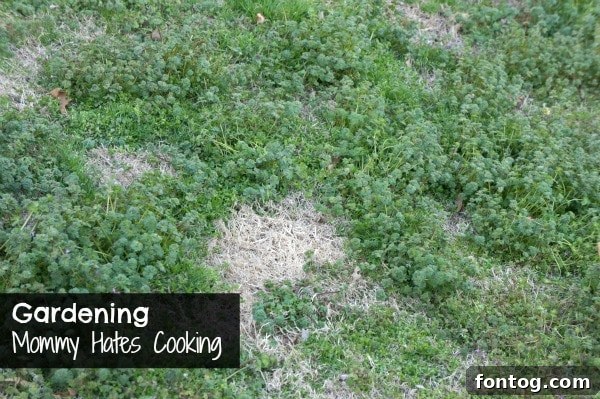
- Chickweed: A low-growing, sprawling weed with small white flowers, chickweed thrives in cool, moist conditions and can quickly cover garden beds, competing aggressively for space.
- Clover: While some consider clover beneficial for nitrogen fixation, it can dominate lawns and flower beds if left unchecked, creating an uneven aesthetic.
- Unwanted Saplings: Perhaps you, like me, have experienced the phenomenon of “helicopter leaves” (the winged seeds from maple, ash, or other trees) landing in your flower beds and sprouting into unexpected saplings. These can grow surprisingly fast and require prompt removal to prevent them from establishing deep roots and competing with your flowers for light and resources. Overlooked saplings can quickly become stubborn small trees, making their removal much more challenging later.
Initial Steps for Weed Removal and Garden Cleanup
Before you can begin planting or mulching, a thorough cleanup is essential. This foundational work sets the stage for a healthy and vibrant garden:
- Manual Weeding: Start by manually pulling out as many weeds as possible. This is particularly effective for larger weeds and those with taproots. Ensure you remove the entire root system to prevent regrowth. A weeding fork or tool can be invaluable for stubborn roots.
- Clear Debris: Remove any lingering leaves, fallen branches, and dead plant material from your flower beds. This not only makes the garden look tidier but also eliminates potential hiding spots for pests and diseases, improving overall garden hygiene.
- Prune and Trim: Trim back any dead, damaged, or overgrown branches from perennials and shrubs. This encourages new, healthy growth and improves air circulation, which is vital for plant health.
- Edge Your Beds: Define the boundaries of your flower beds with a crisp edge. This helps contain mulch and soil, preventing it from spilling onto lawns or pathways, and gives your garden a clean, professional appearance.
For widespread infestations, a combination of manual removal and targeted natural weed control methods can be employed. However, for a truly preventative and sustainable approach that reduces future weeding chores, the next step is paramount: the strategic application of mulch.
The Unsung Hero of Your Garden: Why Mulch Matters
Once your garden beds are clear of weeds and unwanted sprouts, the stage is set for planting and, critically, for applying mulch. Mulch is far more than just a decorative top layer; it is an indispensable tool for maintaining a healthy, vibrant, and low-maintenance garden. For us, it stands as one of the most vital components, contributing significantly to both the aesthetics and the overall health of our flower beds and vegetable gardens. It’s an investment that pays dividends in terms of time saved, water conserved, and plant vitality.
More Than Just Aesthetics: The Practical Benefits of Mulch
The advantages of incorporating mulch into your gardening routine are numerous and far-reaching, transforming your garden from the ground up:
- Superior Weed Suppression: This is arguably one of the most celebrated benefits. A sufficient layer of mulch acts as a physical barrier, blocking sunlight from reaching weed seeds and preventing them from germinating. For any stubborn weeds that do manage to sprout, the mulch layer makes them incredibly easy to pull out, as their roots won’t penetrate deep into the soil. This drastically reduces the time spent on tedious weeding.
- Excellent Moisture Retention: Mulch acts as an insulating layer, significantly reducing water evaporation from the soil surface. This means your plants stay hydrated longer, even during hot, sunny days, thereby reducing the frequency of watering and conserving precious water resources. This is particularly beneficial during dry spells or in regions with water restrictions, making your garden more drought-resilient.
- Soil Temperature Regulation: Mulch helps to keep soil temperatures more consistent. In summer, it keeps the soil cooler, protecting sensitive roots from scorching heat stress. In winter, it provides an insulating blanket, helping to protect perennial roots from freezing temperatures and minimizing frost heave, which can damage plants.
- Improved Soil Health and Fertility: As organic mulches (like wood chips or shredded bark) decompose, they gradually release vital nutrients into the soil, enriching its structure and fertility. This continuous organic input encourages beneficial microbial activity, earthworm populations, and overall soil aeration, leading to healthier soil and stronger, more robust plants over time.
- Erosion Control: A layer of mulch helps to prevent soil erosion caused by wind and heavy rainfall. It cushions the impact of raindrops, preventing soil compaction and keeping your valuable topsoil in place, especially on sloped areas.
- Pest Deterrence (Certain Types): Some types of mulch can deter certain garden pests, either through their scent or by creating an unfavorable environment for them.
- Enhanced Garden Aesthetics: Beyond its practical benefits, mulch provides a clean, finished, and uniform look to your garden beds. It creates a cohesive, dark or colored background that makes your plants and flowers truly pop, adding a professional and polished appearance to your landscape. Mulch also adds a burst of color and textural consistency, defining pathways and planting areas beautifully.
Choosing the Right Mulch for Your Landscape
With a myriad of options available, selecting the right type of mulch can feel overwhelming. Mulches generally fall into two categories: organic and inorganic. Organic mulches (like wood chips, shredded bark, pine needles, straw, and compost) decompose over time, slowly releasing nutrients back into the soil, thus improving soil structure and fertility. Inorganic mulches (like gravel, river rock, lava rock, and rubber) are permanent, do not decompose, and offer excellent weed suppression and moisture retention without altering soil chemistry. When choosing, consider your specific gardening goals, aesthetic preferences, the type of plants you are growing, and your local climate conditions.
Embracing Sustainability with Scotts Mulch Solutions
In today’s world, sustainable gardening practices are more important than ever. Choosing products that are environmentally responsible not only benefits the planet but also often leads to healthier, more resilient gardens. Scotts, a trusted name in gardening, offers innovative mulch solutions that align perfectly with these eco-conscious principles, helping you cultivate a beautiful garden while minimizing your environmental footprint. Their commitment to sustainability provides gardeners with effective options that don’t compromise on performance.
Scotts Florida Select Natural Eucalyptus Mulch: A Renewable and Regional Choice
While Cypress mulch has historically been a popular choice for its aesthetic appeal and weed control properties, concerns about its sustainability have led many gardeners to seek more environmentally responsible alternatives. Scotts provides an excellent, eco-friendly option with their Scotts Florida Select Natural Eucalyptus Mulch. This particular mulch is a game-changer for sustainable gardening, especially for those in Florida and other warm, humid climates.
- 100% Plantation Grown Eucalyptus: Unlike cypress, which is often harvested from sensitive wetland ecosystems, Scotts Eucalyptus Mulch is made entirely from fast-growing, plantation-grown eucalyptus trees. This ensures that the resource is rapidly renewable and managed sustainably, making it a responsible choice that protects natural habitats.
- Natural Weed Prevention: Beyond its sustainable sourcing, this mulch is highly effective at naturally preventing weeds. Its dense, fibrous structure creates an inhospitable environment for weed seeds, helping to keep your flower beds pristine with significantly less effort throughout the season.
- Exceptional Moisture Retention: Eucalyptus mulch is known for its superior ability to conserve soil moisture, which is vital in warmer climates where evaporation rates are high. This translates to less frequent watering, conserving precious water resources and ensuring your plants remain hydrated.
- 100% Florida Grown: For Florida residents, choosing this product supports local agriculture and reduces transportation emissions, further enhancing its environmental appeal. It’s tailored to perform optimally in Florida’s unique climate conditions, resisting rapid decomposition common in humid environments.
- Natural Aesthetic: It provides a beautiful, natural brown look that complements a wide range of garden designs, enhancing the visual appeal of your landscape with an organic texture.
Scotts Nature Scapes Mulch: Color, Coverage, and Convenience for Every Garden
For gardeners outside of Florida, or those seeking specific aesthetic enhancements to complement their home’s exterior, Scotts Nature Scapes Mulch offers a fantastic range of options. This line is designed to provide all the practical benefits of mulching with the added advantage of vibrant, long-lasting colors that can truly define your garden’s personality and curb appeal.
- Diverse Color Palette: Scotts Nature Scapes Mulch comes in three popular, natural colors, each designed to create a distinct visual impact:
- Classic Black: Provides a sophisticated, contrasting backdrop that makes green foliage and colorful blooms truly stand out. My mom and I both appreciate the striking, modern effect black mulch creates, giving a bold definition to garden beds.
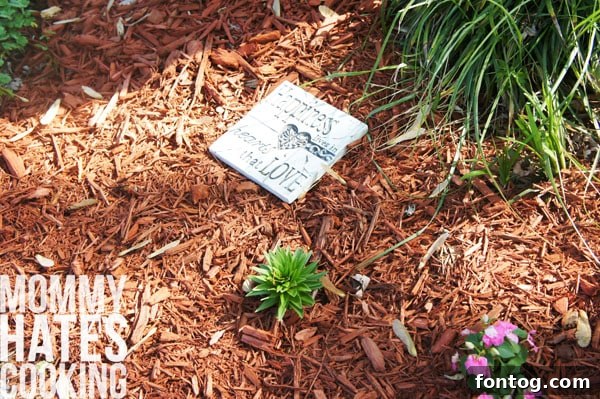
- Sierra Red: Adds a warm, inviting, and bold splash of color to your landscape. We often opt for the Sierra Red in our front yard to give it that vibrant burst of color in the spring, making a welcoming statement.
- Deep Forest Brown: Offers a rich, earthy tone that blends seamlessly with natural environments, providing a classic, rustic, and understated elegance that allows your plants to be the main focus.
- All Natural: These mulches are made from natural forest products, ensuring they are safe for your plants, pets, and the environment. You can rest assured you’re not introducing harmful chemicals into your soil.
- Long-Lasting Color: Scotts Nature Scapes mulches are specially treated to retain their vibrant color for an extended period, often up to 12 months. This means your garden maintains its polished, freshly mulched look throughout the season without requiring frequent reapplication, saving you time and effort.
- Effective Weed Prevention: Like all Scotts mulches, Nature Scapes varieties are engineered to create a robust barrier against weeds, simplifying garden maintenance and helping you maintain your sanity against those persistent invaders!
Your Spring Garden Checklist: Preparing for a Flourishing Season
Getting your yard ready for a fresh start in the spring is a satisfying process that lays the groundwork for a season of beauty and abundance. With your chosen Scotts mulch ready to go, here’s a comprehensive step-by-step guide to ensure your garden beds are perfectly prepared for optimal growth and visual appeal:
Gather Your Gardening Arsenal
Before you begin the physical work, ensure you have all the necessary tools and gardening supplies readily available. Having everything at hand will make the process smoother and more efficient:
- Shovels and Trowels: Essential for digging, planting, and moving soil. A sharp spade is excellent for edging.
- Rakes: For clearing debris, leveling soil, and efficiently spreading mulch across larger areas.
- Gardening Gloves: Absolutely indispensable to protect your hands from thorns, dirt, blisters, and potential irritants.
- Wheelbarrow or Garden Cart: Indispensable for transporting heavy bags of mulch, soil, compost, and collected plant material around your yard with ease.
- Pruners/Shears: For trimming back dead growth from last season, shaping shrubs, and deadheading spent blooms.
- New Plants and Seeds: Your carefully selected flora that will bring color and life to your garden this season.
- Scotts Nature Scapes Mulch or Scotts Florida Select Natural Eucalyptus Mulch: The star of your spring preparation, ready to be applied.
- Compost or Soil Amendments: If your soil needs a nutritional boost or texture improvement.
Step-by-Step Spring Garden Bed Preparation
Follow these steps to transform your garden beds from winter dormancy to spring readiness:
- Initial Cleanup: Re-verify that all lingering leaves, fallen branches, and any other winter debris are completely removed from your flower beds. This meticulous cleanup is crucial for preventing disease and giving your garden a tidy foundation.
- Meticulous Weeding: Revisit any newly sprouted weeds. Tackle them thoroughly, ensuring you extract the entire root system. This is your absolute best chance to create a clean slate, free of competition, before the mulch goes down.
- Prune and Trim: Carefully trim back any dead or damaged branches from perennials and shrubs that may have suffered during winter. This encourages new, healthy growth and maintains the desired shape of your plants.
- Amend the Soil (If Needed): If your soil appears depleted or compacted, now is the ideal time to incorporate nutrient-rich compost or other targeted soil amendments. Healthy soil is the bedrock for healthy, thriving plants. Gently turn the top few inches of soil with a trowel or garden fork to mix in amendments and improve aeration.
- Assess and Reuse Old Mulch: If you applied mulch last year, assess its condition. Typically, we try to reuse some of the older mulch if it hasn’t completely decomposed. You can gently turn it into the top layer of soil, which not only reintroduces organic matter but also mixes in any residual benefits. This enriches the soil beneath where your new mulch will lie.
- Plant New Additions: Once your beds are clean, amended, and ready, it’s time to plant your new flowers, shrubs, or vegetables. Carefully follow planting instructions for spacing and depth. Give them a good watering immediately after planting to help them settle in.
- Apply a Fresh Layer of Mulch: This is where your chosen Scotts mulch truly shines! Lay down a fresh, even layer of mulch across all your prepared garden beds. A new batch always helps to provide a nice, clean, and effective layer to your flower beds. Aim for a consistent depth of 2-4 inches for optimal weed suppression, moisture retention, and an aesthetically pleasing finish.
Maximizing Your Mulch Application for Lasting Results
Applying mulch isn’t just about dumping it on the ground; proper application techniques can significantly enhance its effectiveness and longevity, ensuring your garden reaps all the benefits without any drawbacks. A well-applied mulch layer acts as a consistent protective barrier, contributing to the long-term health and beauty of your landscape.
Tips for Optimal Mulch Depth and Placement
- Maintain the Right Depth: For most garden applications, a mulch layer of 2 to 4 inches is ideal. If the layer is too thin, it won’t suppress weeds effectively or retain sufficient moisture. If it’s too thick (more than 4 inches), it can potentially suffocate plants, hinder air and water penetration to the roots, encourage fungal growth, or create a warm, moist habitat for pests like rodents.
- Avoid “Volcano Mulching”: A common and detrimental mistake is piling mulch high around the base of trees or shrubs, creating a “volcano” shape. This can lead to serious problems such as bark rot (as moisture is held against the trunk), encourage pest infestations, and even suffocate surface roots. Always keep mulch a few inches away from the trunk or main stem of your plants, allowing for proper air circulation.
- Create a Clean Edge: For a neat and polished look, create a clean, defined edge around your mulched beds using a spade, edger, or even just a sharp garden hoe. This defines the garden space, prevents mulch from spilling onto lawns or pathways, and gives your landscape a professional, finished appearance.
- Water Before Mulching: If your soil is dry, it’s a good practice to give your plants and the soil a thorough watering before applying mulch. This locks in the moisture immediately, ensuring your plants have a good drink before being insulated.
- Replenish as Needed: Remember that organic mulches decompose over time, gradually breaking down and enriching your soil. Check your mulch depth annually, typically in the spring or fall, and replenish as needed to maintain the recommended 2-4 inch layer. Even Scotts Nature Scapes mulches, designed for long-lasting color, will eventually settle and may require a refresh to maintain their aesthetic and protective qualities.
By diligently following these steps, you not only ensure your garden looks its absolute best but also provide an optimal, nurturing environment for your plants to thrive. The peace of mind that comes from a weed-free, well-hydrated garden is priceless, allowing you to spend more time enjoying your beautiful outdoor space rather than constantly toiling in it. This proactive approach to garden care transforms chores into a satisfying routine that yields consistent, beautiful results.
Conclusion: Cultivating Beauty and Serenity in Your Garden
Transforming your garden into a beautiful, vibrant sanctuary doesn’t have to be a Herculean task. By understanding the importance of proactive weed control and embracing the multifaceted benefits of quality mulch, you can significantly reduce maintenance efforts and enhance the overall health and aesthetic appeal of your landscape. Products like Scotts Florida Select Natural Eucalyptus Mulch offer a sustainable, effective solution for gardeners seeking an eco-conscious approach, while Scotts Nature Scapes Mulch provides diverse color options to perfectly complement any garden design and elevate your home’s curb appeal.
Whether you’re battling tenacious weeds that threaten to overwhelm your flower beds, striving for better soil health and water conservation, or simply aiming to add a burst of color and a polished finish to your spring yard, mulch is your invaluable ally. It safeguards your plants, conserves precious resources, and ultimately frees up your time to truly enjoy the serene beauty and bounty of your labor.
Now, we’d love to hear from you! Do you regularly use mulch for your flower beds and gardens, and what type do you prefer? What are your go-to strategies for spring planting and keeping weeds at bay in your own garden? Share your tips and experiences in the comments below!
This post features products from Scotts Miracle-Gro, a trusted leader in garden and lawn care. All views and experiences shared are entirely my own and reflect my personal gardening journey.