Creative Leftover Lunchbox Ideas for Kids: Smart, Simple, and Delicious Meals
Packing nutritious and appealing lunches for kids can often feel like a daily challenge for parents. We strive to offer variety, ensure they’re eating well, and manage to do it all without spending hours in the kitchen each morning. The ultimate solution? Look no further than your dinner plate from the night before! Harnessing the power of leftovers is one of the most efficient, economical, and surprisingly creative ways to craft delightful lunchboxes that kids will actually enjoy.
Imagine a world where lunch prep is practically done for you before you even wake up. That’s the magic of repurposing dinner. Instead of constantly brainstorming new sandwich fillings or relying on processed snacks, you can transform yesterday’s wholesome meal into today’s exciting midday treat. This approach not only saves precious time and mental energy but also significantly reduces food waste and offers a fantastic opportunity to introduce children to a wider range of flavors and textures, ensuring they never get bored with their packed lunch.
Why Leftovers Are Your Secret Weapon for Stress-Free Lunch Packing
Embracing leftovers for lunchboxes offers a multitude of benefits that extend beyond mere convenience. It’s a holistic approach to meal planning that supports your family’s budget, health, and even the environment, making it a smart choice for any busy household.
1. Unbeatable Time Savings for Busy Mornings
Mornings are often a race against the clock, filled with getting everyone ready and out the door. By simply portioning out extra dinner from the night before, you’ve essentially completed a major part of lunch preparation. No last-minute cooking, no frantic sandwich making. Just grab the pre-packed container, add a few fresh sides, and go. This frees up valuable time for other morning routines, allows for a more relaxed start to your day, or even grants you a few extra minutes of sleep.
2. Significant Cost Reduction on Your Grocery Bill
Pre-packaged lunch items, convenience foods, and special “lunchbox fillers” can quickly add up, becoming a substantial part of your weekly grocery expenses. Utilizing leftovers means you’re making the most of the ingredients you’ve already purchased and prepared for dinner. This drastically cuts down on your grocery bill and helps you avoid impulse purchases of less healthy, more expensive items specifically marketed for lunchboxes, allowing you to allocate those savings elsewhere.
3. Championing Food Waste Reduction and Sustainability
Globally, food waste is a significant environmental issue. By actively planning to use dinner leftovers for lunch, you’re making a conscious effort to minimize what ends up in the bin. This not only contributes to a more sustainable household by utilizing resources efficiently but also teaches children a valuable lesson about resourcefulness and the importance of not wasting food, fostering responsible habits from a young age.
4. Promoting Variety and Balanced Nutrition
Relying on leftovers naturally encourages a more varied diet for your children. Instead of the same old sandwich every day, they can enjoy a diverse range of meals like pasta, roasted vegetables, lean proteins, and grains from different cuisines. This makes it easier to ensure they’re getting a broad spectrum of nutrients and food groups, often exceeding what traditional, limited lunchbox staples can offer, supporting their growth and energy levels throughout the school day.
5. Customization for Picky Eaters and Dietary Needs
When you cook dinner from scratch, you’re in control of every ingredient. This allows for easy customization to meet specific dietary restrictions, allergies, or simply your child’s evolving preferences. Transforming these tailored dinners into lunchboxes ensures that their midday meal is just as safe, nutritious, and enjoyable as their evening one, providing peace of mind for parents and a satisfying meal for kids.
Transforming Dinner into Delicious Lunchbox Delights: Creative Ideas
Let’s dive into some practical and exciting ways to reinvent common dinner dishes into kid-friendly lunchbox stars. The key is often in the presentation, a slight repurposing, or the right packing method.
Pasta Perfection: From Dinner Plate to Lunchbox Star
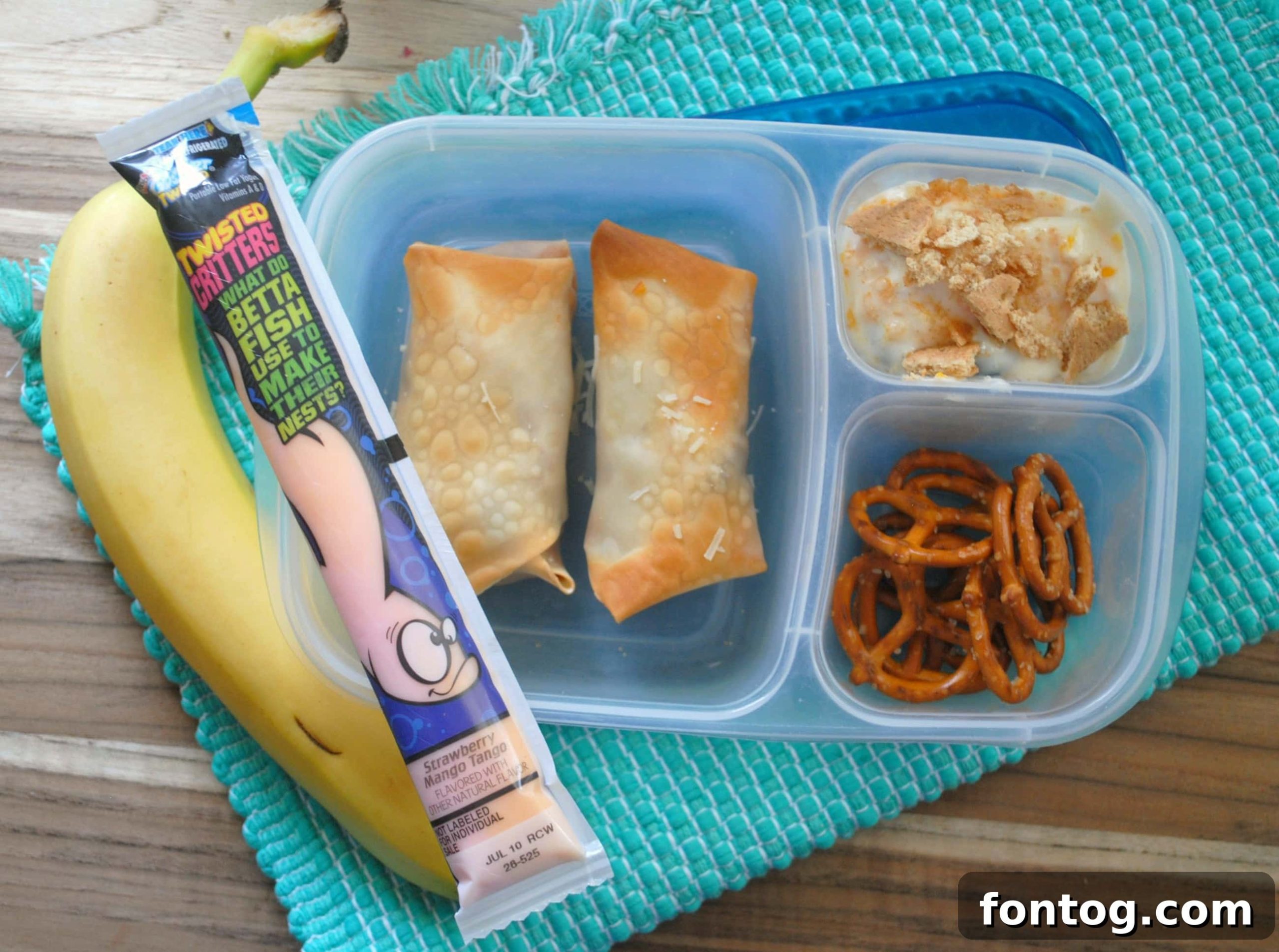
Pasta dishes are perhaps the ultimate leftover champions due to their versatility and kid-friendliness. Take our example: hearty Lasagna Rolls. These individual portions are perfect for lunch! They can be enjoyed cold for a quick meal or gently warmed in a thermos for a comforting hot lunch. Similarly, leftover spaghetti can become a vibrant cold pasta salad with some added cherry tomatoes, cucumber, and mozzarella, or a warm, satisfying meal when kept in an insulated container. Macaroni and cheese is another excellent candidate, comforting whether hot or cold, and can be paired with crunchy veggie sticks for balance.
Protein Powerhouses: Chicken, Beef, Fish, and Tofu Reimagined
Any leftover cooked protein can be given a new lease on life for lunch:
- Grilled or Roasted Chicken: Shred leftover chicken and mix with a little mayo or Greek yogurt for a simple chicken salad that’s perfect for sandwiches, wraps, or served with crackers. Cubes can be added to a green salad, a colorful pasta salad, or even threaded onto skewers with some bell peppers and cherry tomatoes for a fun, easy-to-eat option.
- Sliced Roast Beef or Turkey: These are ideal for creating mini sandwiches or pinwheels with whole-wheat tortillas. Add a slice of cheese, some crisp lettuce, or a spread of hummus for a complete and appealing meal.
- Baked Fish or Tofu: Flaked fish can be mixed with a bit of lemon and dill for a light salad. Tofu or lentil patties can be crumbled into a warm rice bowl, served cold with a nutritious dipping sauce, or used as a filling for mini pita pockets.
Soups, Stews, and Chili: Warm and Cozy Options
Many families enjoy a warming bowl of soup, stew, or chili for dinner, especially during colder months. These dishes are fantastic for lunchboxes, as they pack a lot of flavor and nutrients. A good quality, preheated thermos will keep them piping hot until lunchtime. Pack a side of whole-grain crackers, a small whole-wheat roll for dipping, or even some tortilla chips to complement the meal.
Rice and Grain Bowls: Versatile and Filling
Leftover rice, quinoa, couscous, or farro can be the base for endless lunchbox creations. Turn plain rice into a quick fried rice with some frozen peas, corn, and a scrambled egg, or create a colorful grain bowl with leftover roasted vegetables, a lean protein, and a drizzle of a light vinaigrette. These bowls are great for using up small amounts of various leftovers.
Pizza for Lunch: A Classic Never Fails
Few things are more universally loved by kids than pizza, and leftover slices are an absolute lunchbox staple. They’re delicious cold, making them incredibly easy to pack without any need for reheating. For an extra touch, you can always include a small container of marinara sauce for dipping.
Deconstructed Meals: Tacos, Fajitas, and More
Leftover taco meat, fajita fillings, or even chili can be packed separately with mini tortillas, cheese, shredded lettuce, and salsa for a fun “build-your-own” taco or fajita bowl. This adds an interactive and engaging element that kids often appreciate, allowing them to customize their meal at lunchtime.
Crafting a Complete Leftover Lunchbox: Beyond the Main Dish
While the leftover main dish is undoubtedly the star, a well-rounded lunchbox includes complementary sides that add essential nutrition, diverse flavors, and appealing textures. Think about creating a balance of food groups when adding these components:
- Fruits: Fresh is always best! Bananas (like in our example), apple slices (tossed in a little lemon juice to prevent browning), orange segments, grapes, berries, or a colorful fruit salad are all excellent, refreshing choices that provide natural sweetness and vitamins.
- Vegetables: Offer crunchy raw options like carrot sticks, cucumber slices, bell pepper strips, or cherry tomatoes, often paired with a small container of hummus or ranch dip. Leftover roasted vegetables (like sweet potatoes, broccoli, or zucchini) can also be a delightful and nutritious addition, adding cooked goodness.
- Dairy/Protein Boosts: Yogurt, such as convenient Go-Gurt tubes, cheese sticks, cottage cheese, or a hard-boiled egg provide essential protein and calcium, crucial for growing bodies.
- Healthy Grains/Snacks: Whole-grain pretzels (as shown), whole-wheat crackers, air-popped popcorn, a small whole-grain muffin, or rice cakes offer satisfying crunch, energy, and fiber.
- Hydration: Always include a reusable water bottle. Plain water is the best choice to keep kids hydrated throughout the day.
Essential Tips for Leftover Lunchbox Success
To ensure your leftover lunchbox strategy is a resounding success and becomes a regular, positive part of your routine, keep these practical tips in mind:
Plan Ahead During Dinner Prep
When cooking dinner, make a conscious effort to cook a slightly larger portion than needed for that evening’s meal. Immediately set aside the desired amount for lunchboxes before serving dinner. This prevents overeating at dinner and ensures enough remains for the next day’s meal, making the process seamless.
Prioritize Food Safety Above All Else
Food safety is paramount when dealing with leftovers. Always cool cooked food quickly (within 2 hours) and refrigerate it promptly in airtight containers. Use refrigerated leftovers within 3-4 days. For warm lunches, use an insulated food jar (thermos) that has been preheated with boiling water for a few minutes before adding the hot food. For cold items, always include an ice pack in the lunchbox to keep perishable foods at a safe temperature until lunchtime.
Invest in Good Quality Containers
High-quality, leak-proof containers with dividers or bento-style boxes are invaluable for keeping foods separate, preventing sogginess, and making the lunchbox visually appealing. Insulated food jars are a must for keeping warm foods warm, ensuring that hearty soups and pasta dishes are enjoyed as intended.
Embrace Repurposing, Not Just Reheating
Sometimes, simply reheating leftovers isn’t the most exciting option. Think about how you can creatively transform them. Leftover grilled steak can become a quesadilla filling or be sliced for a steak salad. Roast chicken can be turned into a quick chicken noodle soup base or mixed with salsa for a wrap. Getting creative keeps lunch interesting and prevents “leftover fatigue.”
Make it Visually Appealing for Kids
Kids definitely eat with their eyes! Use colorful fruits and vegetables, cute cookie cutters for sandwiches (if applicable), and arrange items neatly within the lunchbox. Even a little effort in presentation can make simple leftovers feel special and more enticing, encouraging them to try new foods.
Involve Your Kids in the Process
Give your children a say in what goes into their lunchbox. Offer choices from the available leftovers and sides. When they feel like they’ve contributed to the decision-making and packing process, they’re much more likely to eat what’s packed and develop a positive relationship with their meals.
Say Goodbye to Lunchtime Stress with Smart Leftovers
Ultimately, the “leftover style” lunchbox is more than just a convenient meal — it’s a smart, sustainable, and satisfying approach to feeding your family. It simplifies your mornings, extends your budget, and reduces your ecological footprint, all while ensuring your children enjoy wholesome, delicious, and varied meals throughout the week. It’s a win-win strategy for parents and kids alike.
So, next time you’re cooking dinner, remember to think one step ahead. Those extra portions aren’t just leftovers; they’re the building blocks for an easier, more enjoyable, and more flavorful lunchtime experience for everyone. What types of delicious dinner leftovers will you be packing into your kids’ lunchboxes this week?