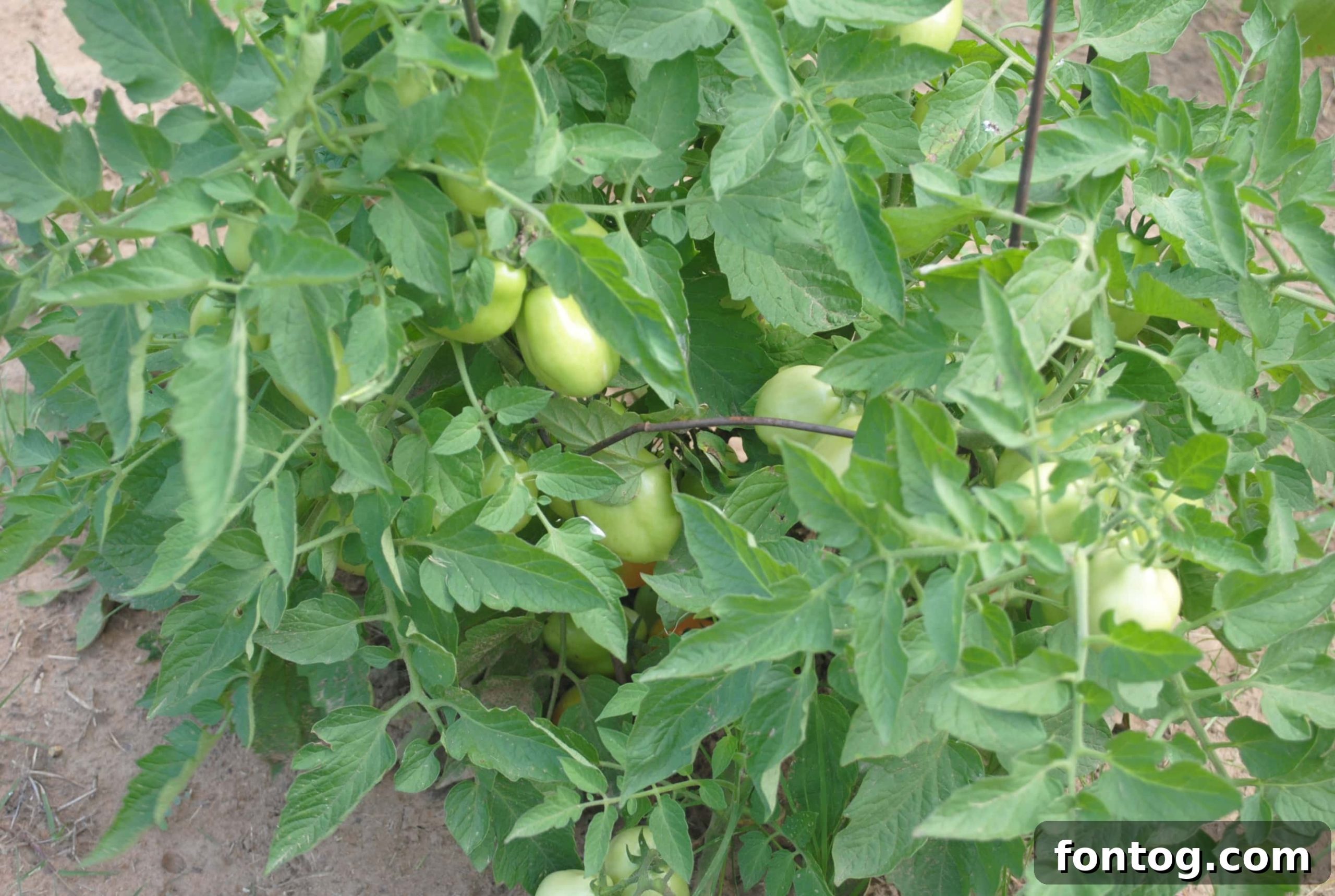
Embracing the Abundance: A Peek into Our Thriving Summer Garden
There’s an undeniable magic to watching a home garden flourish, especially when nature lends a generous hand. While I might be longing for a stretch of consistent sunny days after a season of relentless downpours, our backyard garden this year has been absolutely reveling in the abundant rainfall. It’s truly a sight to behold – vibrant greens, budding vegetables, and the promise of a bountiful, organic harvest. Of course, with all that life-giving rain, we’re also waging a constant, good-natured battle against ambitious weeds and grass, but that’s just part of the authentic home gardening experience, isn’t it? It adds to the charm and the commitment of nurturing our little piece of paradise.
This season, our backyard plot has truly outdone itself, transforming into a lush oasis brimming with fresh produce. It’s a testament to the simple joys of growing your own food, offering not just nourishment but a deep sense of connection to the earth and the cycle of seasons. From the satisfying crunch of a freshly picked bell pepper to the sweet burst of a ripe tomato, every harvest feels like a small victory and a gift. This year, we’re particularly excited about several key crops that are thriving, and the endless culinary possibilities they present, promising delicious, wholesome meals for weeks and months to come.
A Bountiful Harvest: Our Garden’s Green Treasures
The Ubiquitous Green Peppers: A Culinary Delight
One of the true stars of our home garden this year is undoubtedly the green bell pepper. We currently have what feels like an endless supply, and as a huge fan of these versatile vegetables, I couldn’t be happier. Their crisp texture and mild, slightly sweet flavor make them perfect for a myriad of dishes, proving them to be an indispensable ingredient in our kitchen. They’re not just a healthy addition to any meal; they’re a cornerstone of many of our favorite family recipes, adding vibrant color and essential nutrients.
Beyond simply slicing them into crisp salads or adding them to quick stir-fries, I absolutely adore making hearty Stuffed Peppers. There’s something incredibly comforting and satisfying about a bell pepper filled with seasoned ground meat, fluffy rice, and melted cheese, baked until it’s tender and flavorful. They’re a complete meal in themselves and always a hit with everyone at the dinner table. Green peppers also lend a wonderful freshness and crunch to other savory dishes, like our family’s favorite Tangy Sloppy Joes, adding an extra layer of flavor and nutrition that elevates a simple meal. This year, with such an abundant yield of peppers, I’m eagerly exploring new ways to incorporate them, from quick-pickling them for a tangy snack to dicing and freezing them for winter stews and casseroles, ensuring we enjoy this garden bounty long after summer fades.
Tips for Enjoying Your Green Pepper Harvest:
- Stuffed Wonders: Beyond traditional recipes, try stuffing with quinoa and black beans for a delicious vegetarian option, or sausage and herbs for a richer, more indulgent flavor profile.
- Sauté and Stir-fry: Green peppers are perfect for adding bulk, flavor, and color to any quick stir-fry. Pair them with your favorite protein and other garden vegetables for a healthy, fast meal.
- Fresh in Salads: Add a vibrant crunch to your everyday green salads, or create a colorful pepper salad featuring various bell pepper colors, thinly sliced onions, and a light vinaigrette.
- Freezing for Later: To preserve your harvest, wash, deseed, and dice or slice peppers. Spread them in a single layer on a baking sheet to freeze solid, then transfer to freezer bags. This method prevents clumping and makes them easy to use straight from the freezer in your winter cooking.
Cucumbers and Squash: The Quintessential Summer Staples
Following closely behind the peppers, we’re experiencing a true boom in cucumbers and various types of squash. These prolific growers are quintessential summer vegetables, bringing a refreshing crispness and delicate flavor to our plates. This year, I’ve decided it’s time to tackle a project I’ve put off for far too long: canning cucumbers for homemade pickles. It’s an age-old tradition that feels incredibly rewarding and truly connects you to your harvest, and honestly, I should have started years ago! The thought of preserving our own homegrown cucumbers fills me with a sense of excitement and accomplishment.
Life often gets in the way, and finding the dedicated time for a project like canning can be a significant challenge amidst daily routines. However, this season, I’m making a conscious effort to carve out that time, prioritizing this rewarding endeavor. We absolutely adore pickles in our household; they’re a snack, a side, and a condiment all in one. The thought of enjoying our own homegrown, homemade pickles throughout the year is incredibly motivating, promising a taste of summer even in the depths of winter. Plus, canning them myself means I have complete control over the ingredients, avoiding unnecessary additives and ensuring a truly fresh, wholesome, and delicious product. If you have any tried-and-true canning tips, especially for beginners or quick methods, I would be absolutely thrilled to hear them! Your wisdom and experience could be the secret ingredient to my pickle-making success and ensure a fantastic batch.
Beyond the world of pickles, our cucumbers are fantastic for cooling salads, creating refreshing infused water, or even whipping up homemade tzatziki. The squash, whether zucchini or yellow summer squash, is equally versatile. We enjoy it grilled to perfection with a smoky char, roasted with fragrant herbs, or grated into quick breads and muffins for a healthy, moist boost. The sheer volume of these crops often means getting creative with recipes, which is always an exciting and delicious challenge for a home cook who loves to experiment in the kitchen.
Beginner’s Guide to Pickling Cucumbers:
- Choosing the Right Cucumbers: Opt for pickling varieties, which are typically smaller, firmer, and have fewer seeds. Harvest them when they are young and tender for the best results.
- Sanitation is Key: Ensure all jars, lids, and canning equipment are thoroughly sterilized. This crucial step prevents spoilage and ensures the safety of your preserved goods.
- Brine Basics: A simple, effective brine typically consists of water, vinegar (at least 5% acidity for safety), pickling salt, and your chosen spices (such as fresh dill, garlic cloves, mustard seeds, and peppercorns).
- Water Bath Canning: This is a common and safe method for high-acid foods like pickles. Jars filled with pickles and brine are submerged in boiling water for a specific time to create a vacuum seal.
- Cooling and Storing: Allow jars to cool completely undisturbed before checking for a proper seal. Store your sealed jars in a cool, dark place. For optimal flavor development, wait at least a few weeks before opening and enjoying your homemade pickles.
The Heart Behind the Harvest: Our Dedicated Gardener
While I love to cook with the harvest and enjoy the fruits of our labor, the true mastermind and green thumb behind our flourishing garden is my wonderful husband. He pours his passion, knowledge, and energy into nurturing every plant, from the tiniest seed to the fully grown vegetable. However, this year, his professional schedule has been incredibly demanding and busy. Sadly, he hasn’t had the luxury of spending as much time in the garden as he would have liked, which is a big change and a challenge for someone who truly loves to be out there.
We’re optimistically hoping that next year brings a little less hustle and bustle, allowing him to reconnect with his beloved garden sanctuary and dedicate more time to his passion. In the meantime, my son and I have enthusiastically stepped up to help with the tending, watering, and harvesting. However, there’s a slight hitch in our gardening teamwork: my lifelong aversion to creepy crawlers and bugs has, unfortunately, rubbed off on my son. Now, if he spots even the smallest insect, his brave gardening spirit quickly falters, and he becomes quite hesitant to touch anything near the critter. It’s a bit of a bummer because, frankly, I was really counting on him to be the fearless bug-handler, especially when it came to those garden invaders!
As you can see from this image, a tiny bug on that squash was enough to halt his gardening enthusiasm right in its tracks. He wouldn’t touch anything else after that discovery! It’s a funny, albeit sometimes frustrating, genetic trait that I’ve passed down. I truly wish he hadn’t inherited my particular squeamishness when it comes to garden critters, as a little fearlessness would certainly make our joint gardening efforts a bit smoother!
Engaging Kids in the Garden (Even with Bugs!):
- Designated Bug Spotter: Turn bug-finding into an exciting game. The goal isn’t necessarily to touch, but to identify and learn about the different insects in the garden ecosystem.
- Gloves Are Your Friend: Offer gardening gloves to your child. This simple barrier can make touching plants, soil, and potential bugs feel less daunting and more comfortable.
- Focus on the Fun: Emphasize the enjoyable aspects of gardening, such as planting seeds, watering the growing plants, and, most importantly, harvesting the delicious produce, rather than just the less glamorous tasks like weeding.
- Educate, Don’t Scare: Teach them about beneficial insects (like ladybugs and bees) versus pests. Understanding which bugs are helpful and which are harmful can reduce fear and foster a sense of stewardship.
Tomatoes Galore: Salsa, Sauces, and Winter Warmth
Our tomato plants are robust and absolutely bursting with ripening fruit, promising an incredible yield this season. The vines are heavy, and the tomatoes are developing that rich, deep color that signals peak ripeness. And when you have an abundance of homegrown tomatoes, there’s only one glorious thing that immediately comes to mind: homemade salsa! Yes, get ready for lots and lots of fresh, vibrant salsa coming your way soon. There’s truly nothing quite like the taste of garden-fresh salsa, with its perfect balance of sweet, tangy, and spicy notes that commercial versions simply can’t replicate.
But the tomato possibilities don’t stop at making delicious, fresh salsa. I also dedicate a significant portion of our abundant tomato harvest to stewing for winter preservation. Preserving stewed tomatoes is a fantastic, time-honored way to capture the essence of summer’s peak flavors and enjoy them during the colder, darker months. These homemade stewed tomatoes become incredibly handy for enriching homemade soups, hearty stews, robust pasta sauces, and comforting casseroles, providing a depth of flavor that even the best canned tomatoes often can’t match. It’s a relatively simple process that yields incredible rewards, ensuring a taste of our vibrant summer garden even when snow is on the ground and fresh produce is scarce.
Making the Most of Your Tomato Harvest:
- Fresh Salsa: For a truly authentic taste, combine finely chopped garden tomatoes with fresh onions, cilantro, jalapeños, a squeeze of lime juice, and a pinch of salt. Adjust the spice levels to your personal preference for the perfect kick.
- Stewing for Winter: Core and quarter your ripe tomatoes, then simmer them gently until they are softened and begin to break down. You can enhance the flavor by adding garden herbs like fresh basil or oregano. Once cooled, ladle them into freezer-safe containers or use a pressure canner for shelf-stable jars.
- Homemade Pasta Sauce: A long-simmered, rich tomato sauce made from fresh garden tomatoes is unparalleled in flavor. Start with a base of sautéed garlic and onions, then add your tomatoes and favorite Italian herbs for a truly memorable sauce.
- Sun-Dried Tomatoes: If you own a dehydrator or are blessed with a very sunny and dry climate, making your own sun-dried tomatoes is a wonderful way to intensify their flavor. These concentrated bursts of tomato goodness add incredible depth to many dishes.
Beyond the Big Three: Other Garden Delights
Our garden’s bounty extends far beyond the popular peppers, cucumbers, squash, and tomatoes. We are also successfully growing an assortment of other delightful vegetables that add variety and depth to our summer meals. This year’s additional treasures include crisp green beans, pungent green onions, and the unique, often underestimated, okra. Each of these crops adds its own special touch to our summer meals and offers more exciting opportunities for preservation, ensuring a diverse and delicious pantry.
The thought of stocking our freezer with these garden-fresh goodies fills me with immense excitement and anticipation. There’s incredible satisfaction in knowing that we can enjoy the peak flavors of summer throughout the entire year, even when the garden is dormant under a blanket of snow. Whether it’s blanching and freezing tender green beans to maintain their vibrant color and texture, chopping and freezing fresh green onions for quick recipe additions, or sautéing and freezing okra for future gumbos and stews, these simple preservation methods allow us to extend the harvest indefinitely, making our future cooking endeavors all the more enjoyable, convenient, and flavorful. It truly makes a difference to have that connection to our homegrown produce year-round.
Managing Garden Challenges: Pests and Persistent Lettuce
Every gardener, regardless of experience, faces challenges, and our backyard plot is no exception. Thankfully, we’ve encountered fewer issues with larger critters like rabbits or deer than we anticipated this year, which is always a significant relief. Our strategic fencing and vigilant monitoring seem to be paying off in keeping the bigger wildlife at bay. However, one particular crop consistently gives me trouble and remains my gardening nemesis: lettuce. Despite our best efforts – careful planting, adequate watering, and attempts at pest control – I never seem to have much luck cultivating a thriving bed of crisp, beautiful lettuce. It’s often the first target for smaller, more elusive pests or struggles immensely with the intense summer heat, proving to be one of the most elusive and challenging vegetables in our entire plot. It’s a humbling reminder that gardening is a continuous learning process, and some plants simply demand more patience, specialized care, and perhaps a bit of trial and error to truly master.
Celebrating the Gardener: A Tribute to Hard Work
Before concluding this comprehensive garden update, I absolutely must take a moment to shine a spotlight on the true hero behind our flourishing backyard haven: my husband. He is, without a doubt, the dedicated gardener, the visionary, and the immense muscle behind every single plant and every successful harvest we enjoy. Even with his incredibly demanding schedule, which this year includes mowing ten or more yards in addition to meticulously tending to our own, he still finds precious moments to check on the plants, strategize about their care, and lovingly tend to our growing bounty. His commitment is truly remarkable.
Did I mention he’s quite possibly the hardest-working man I’ve ever met? It’s profoundly true. His unwavering dedication, not just to our garden but to everything he puts his mind to, is truly inspiring and something I admire deeply. And yes, I love him dearly for all of it – for his passion, his effort, and his endless energy. His tireless efforts and commitment are what truly make this entire garden dream possible, allowing our family to enjoy an abundance of fresh, organic produce right from our very own backyard, connecting us to nature and healthy eating in the most profound way.
What’s Growing in Your Garden? Share Your Harvest Stories!
As the weekend approaches, I’m already envisioning the delicious, wholesome meals we’ll create with this week’s incredible garden goodies. It’s truly the ultimate reward for all the tending, the waiting, and the patient care – transforming fresh, vibrant produce into flavorful dishes that nourish both body and soul. What about you, fellow gardening enthusiasts? What treasures are you cultivating in your garden this year? Are you trying a new, exotic vegetable for the first time, perfecting a classic staple, or tackling a rewarding preservation project like canning or dehydrating? We’d absolutely love to hear how your garden is performing, what your greatest triumphs and challenges have been, and what your favorite ways are to cook with your homegrown produce. Share your tips, triumphs, and even your funny garden anecdotes in the comments below! Let’s inspire each other with our green adventures.
Happy Friday, and happy gardening to everyone!
Looking for more inspiration and tools to enhance your culinary journey? Be sure to explore our comprehensive Mommy Hates Cooking Products and Services designed to make your kitchen adventures more enjoyable and efficient.
Need fresh meal ideas to utilize your garden’s incredible bounty or simply diversify your weekly menu? Our extensive and visually appealing Recipe Index is packed with delicious, easy-to-follow recipes suitable for every occasion and taste preference.