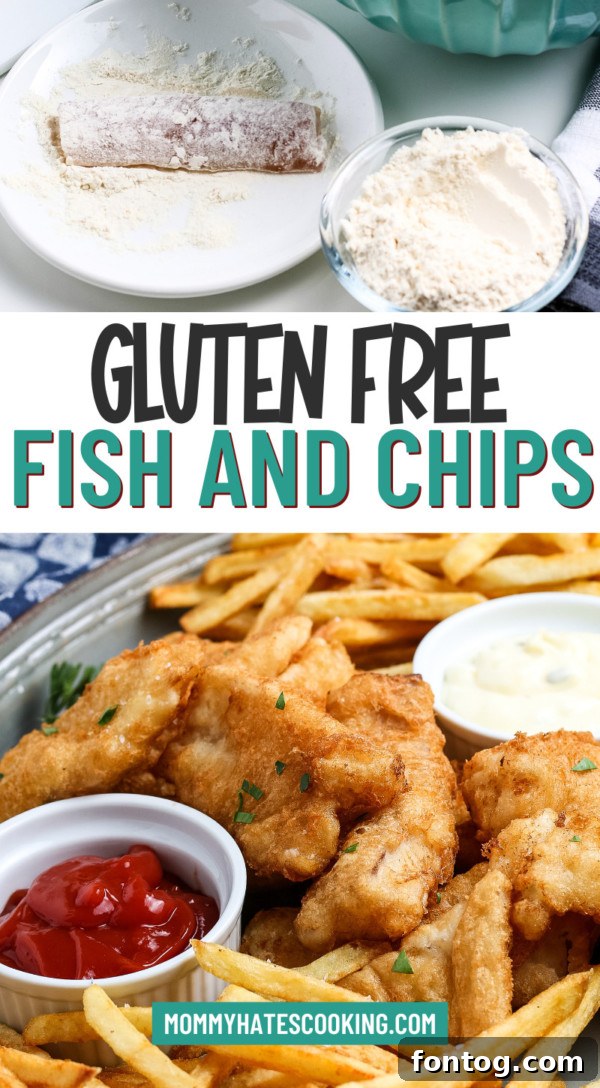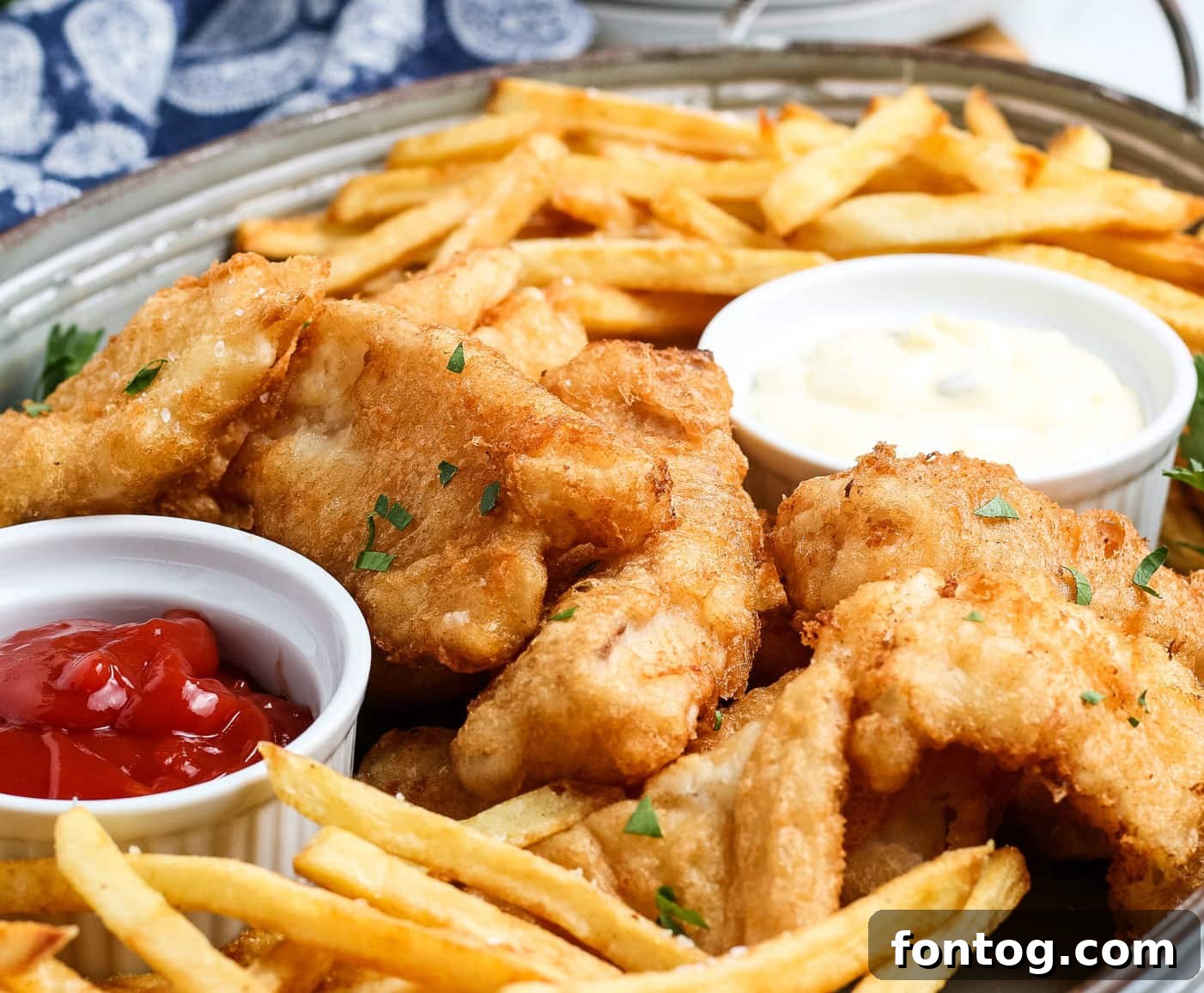
Craving that classic British pub experience but sticking to a gluten-free diet? Look no further! This comprehensive guide to **Gluten-Free Fish and Chips** delivers all the crispy, golden goodness you desire, without a trace of gluten. Forget bland alternatives; this recipe uses readily available, simple ingredients to create a truly comforting and authentic-tasting meal right in your own kitchen. Perfect for a family dinner, a special Lenten meal, or simply when a craving for perfectly fried fish and perfectly crisp chips strikes, this recipe is designed to be effortlessly delicious and completely satisfying.
Our recipe ensures you get the real deal: flaky, tender fish enveloped in a light, crunchy gluten-free batter, paired with perfectly golden, homemade French fries. While this article focuses on the traditional deep-fried method for maximum flavor and texture, if you’re looking for a lighter touch, you can always explore alternatives like air-fried fish. However, for an unparalleled experience, deep-frying offers that irresistible crispness that defines authentic fish and chips. This recipe prides itself on using straightforward, pantry-friendly ingredients, making gourmet gluten-free cooking accessible to everyone.
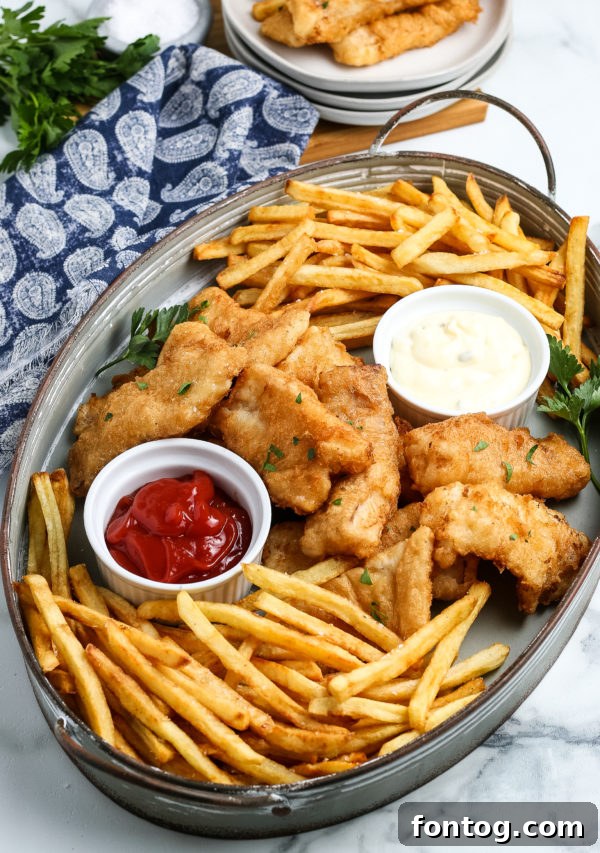
While this recipe is specifically formulated to be gluten-free, the method is incredibly versatile. If you don’t have dietary restrictions, you can easily adapt it by using regular all-purpose flour and conventional beer. This flexibility makes it a fantastic option for households with varied dietary needs, allowing everyone to enjoy a delicious meal together.
Essential Ingredients for Homemade Gluten-Free Fish and Chips
Creating spectacular **gluten-free fish and chips** starts with selecting the right ingredients. The beauty of this recipe lies in its simplicity and the accessibility of its components. You won’t need any exotic specialty items; most of what you require can be found in a well-stocked pantry or your local grocery store. Here’s a detailed look at what you’ll need:
- Fish Fillets: The star of the show! Opt for firm, white, flaky fish. Excellent choices include Cod, Pollock, Tilapia, Mahi Mahi, or Haddock. Freshness is key for the best flavor and texture. Ensure fillets are about 1-inch thick for even cooking.
- Gluten-Free All-Purpose Flour (or Regular All-Purpose Flour): This is the crucial swap for making the recipe gluten-free. Look for a 1:1 gluten-free blend that contains xanthan gum for optimal texture and binding. For non-GF versions, standard all-purpose flour works perfectly.
- Baking Powder: A leavening agent that creates a light, airy, and crispy batter, preventing it from becoming too dense.
- Salt: Essential for seasoning both the fish batter and the chips, enhancing all the flavors.
- Onion Powder: Adds a subtle, savory depth to the batter that complements the fish beautifully.
- Garlic Powder: Another aromatic spice that elevates the overall flavor profile of the crispy coating.
- Gluten-Free Beer or Milk: Traditionally, beer is used for its carbonation, which contributes to a super crispy batter, and its subtle malty flavor. If you’re going gluten-free, use a gluten-free beer. Alternatively, milk provides a creamy base and can still yield a delicious batter, though the texture might be slightly different.
- Vegetable Oil: For deep frying the fish and chips. Choose an oil with a high smoke point, such as canola, sunflower, or peanut oil.
- Russet Potatoes: The ideal potato for making classic French fries (or “chips”). Their high starch content and low moisture make them incredibly crisp when fried.
- Additional Salt to Taste: For seasoning the freshly fried chips.
Making it Gluten-Free: Key Ingredient Swaps Explained
The transition from traditional fish and chips to a delicious gluten-free version is remarkably straightforward, primarily revolving around one crucial ingredient swap: the flour. To ensure your **gluten-free fish and chips** are as delightful as their conventional counterparts, careful selection of your gluten-free all-purpose flour is paramount.
You’ll need a **Gluten-Free All-Purpose Flour blend** that is designed for a 1:1 substitution with regular wheat flour. Many high-quality brands are available today that deliver excellent results. We highly recommend brands like King Arthur Gluten-Free All-Purpose Flour, Cup 4 Cup, Better Batter, or Bob’s Red Mill. These blends are often formulated with a mix of different gluten-free flours (like rice flour, potato starch, tapioca starch) and frequently include xanthan gum. Xanthan gum is a vital ingredient in gluten-free baking and frying as it acts as a binder, mimicking the elasticity that gluten provides. This ensures your batter adheres well to the fish and fries up with a desirable crispy texture.
Another ingredient that often raises questions for gluten-free diets is beer. Traditional fish and chips batter often utilizes beer for its unique flavor and the carbonation it provides, which makes the batter incredibly light and crispy. For a truly gluten-free experience, simply substitute regular beer with a **gluten-free beer**. The market now offers a fantastic array of gluten-free beer options that work wonderfully in batter recipes, maintaining that authentic taste and texture. If you prefer to avoid alcohol entirely, or if gluten-free beer isn’t readily available, **milk** is an excellent alternative. While it won’t provide the same carbonation, it still creates a flavorful batter that fries beautifully, resulting in a comforting and delicious meal.
Mastering the Art of Gluten-Free Fried Fish and Chips
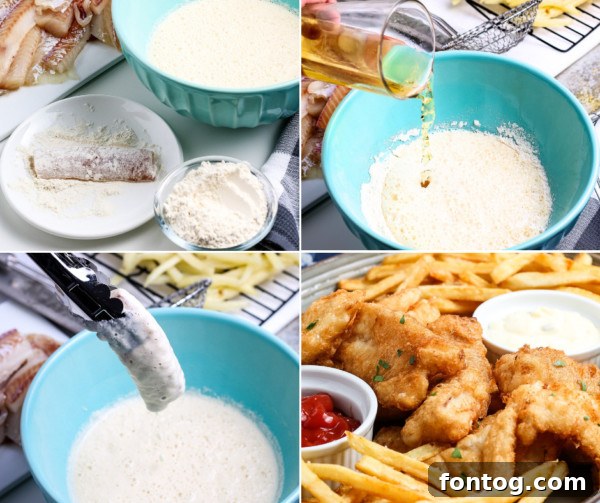
Achieving perfectly crispy **gluten-free fish and chips** is an art, but one that is surprisingly easy to master with a few key techniques. This recipe employs a classic two-stage frying process for the chips and a specific method for the fish to ensure everything comes out golden, crunchy, and delicious. Be sure to use a reliable deep-fry thermometer to maintain accurate oil temperatures, which is crucial for success.
The secret to incredibly crispy French fries (or chips) lies in frying them twice. First, the potatoes are cooked at a lower temperature to cook them through and remove excess moisture. This pre-cooking step ensures the inside is tender. After the fish is fried, the oil temperature is increased, and the pre-cooked potatoes are returned to the hot oil for a second, quick fry. This final step is where they develop their irresistible golden-brown color and ultimate crispiness. This multi-step process, while requiring a bit of patience, guarantees superior results for both components of your meal.
For the fish, a well-balanced batter is essential. In a shallow bowl, whisk together your gluten-free all-purpose flour, baking powder, salt, onion powder, and garlic powder. Gradually whisk in your chosen liquid—either gluten-free beer or milk—until you have a smooth, lump-free batter of a medium consistency, similar to pancake batter. Pat your fish fillets very dry before coating them; this helps the batter adhere better. First, lightly dust each fillet with a little extra gluten-free flour, then fully submerge it in the prepared batter, allowing any excess to drip off. Immediately and carefully lower the coated fish into the hot oil, maintaining a temperature of 370°F (185°C). Fry until the fish is beautifully golden brown and cooked through, typically 2-3 minutes per side, depending on thickness. Repeat this process in batches to avoid overcrowding the fryer, which can lower the oil temperature and result in soggy fish.
Here’s a detailed breakdown of the steps to ensure your **Gluten-Free Fish and Chips** are absolutely perfect:
- Begin by preparing your potatoes: peel and slice four large Russet potatoes into uniform “finger” shapes, about ¼ to ½ inch thick. Place these sliced potatoes in a large bowl of ice water for 20-30 minutes. This step helps remove excess starch, preventing the chips from sticking together and promoting extra crispiness.
- While the potatoes soak, prepare your frying setup. Heat about 3-4 inches of vegetable oil in a deep, heavy skillet or a dedicated deep fryer. Bring the oil to a temperature of 330°F (165°C). Use a thermometer for accuracy.
- After soaking, thoroughly drain the potatoes and pat them completely dry with a clean kitchen towel. Any residual moisture can cause the oil to splatter dangerously.
- Carefully fry the potatoes in small batches, about 1 cup at a time, in the 330°F oil for approximately 2 minutes. The goal here is to cook them without browning, making them soft and pliable.
- Remove the par-cooked potatoes with a slotted spoon or spider and transfer them to a paper towel-lined baking sheet to drain any excess oil. Repeat until all potatoes have been fried once.
- Increase the oil temperature to 370°F (185°C) for frying the fish and the second fry for the chips.
- In a large mixing bowl, combine 1 cup of gluten-free all-purpose flour, 1 teaspoon of baking powder, 1 teaspoon of salt, ¼ teaspoon of onion powder, and ¼ teaspoon of garlic powder. Whisk well to ensure all ingredients are evenly distributed.
- Gradually pour in 12 oz of gluten-free beer or milk into the dry ingredients, whisking continuously until a smooth, thick batter forms. Avoid overmixing, which can make the batter tough.
- Lightly dust each fish fillet with a small amount of the gluten-free all-purpose flour. This helps the wet batter adhere better to the fish.
- Dip each floured fish fillet into the prepared batter, ensuring it’s fully coated, then gently lift it, allowing any excess batter to drip back into the bowl.
- Carefully lower the coated fish fillets into the 370°F (185°C) hot oil, frying them in batches to prevent overcrowding.
- Cook the fish for about 2-3 minutes per side, or until it turns a beautiful golden brown and the fish flakes easily with a fork, indicating it’s cooked through.
- Remove the fried fish with a slotted spoon and place it on a clean paper towel-lined plate or a wire rack set over paper towels to drain excess oil.
- Now, it’s time for the second fry of the chips! Return the pre-cooked potatoes to the 370°F (185°C) oil.
- Fry them for an additional 3-4 minutes, or until they are deeply golden brown and wonderfully crisp.
- Again, remove the chips with a slotted spoon and drain them thoroughly on paper towels. Season immediately with salt to taste.
- Serve your homemade **Gluten-Free Fish and Chips** hot and fresh, alongside your favorite accompaniments!
Crafting Perfect Homemade Gluten-Free Fries (Chips)
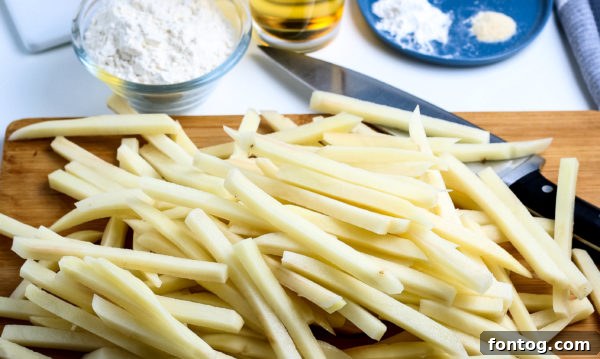
The “chips” in fish and chips are just as important as the fish itself, and homemade fries elevate the entire meal. For the best results, we turn to **Russet potatoes**. Their high starch content and relatively low moisture make them ideal for achieving that coveted fluffy interior and irresistibly crispy exterior. Here’s how to prepare them to perfection for your **gluten-free fish and chips**:
Once you’ve peeled and sliced your Russet potatoes into uniform strips (aim for about ¼ to ½ inch thick, resembling classic French fries), they’ll need a crucial preparatory step: soaking. Place the sliced potatoes in a large bowl and cover them completely with ice water. Let them soak for at least 30 minutes, or even up to an hour. This cold water bath is vital for two reasons: it removes excess surface starch, which prevents the fries from sticking together and promotes crispiness, and it helps the potatoes cook more evenly during the initial fry. After soaking, thoroughly drain the potatoes and, most importantly, pat them completely dry with a clean kitchen towel or paper towels. Any remaining moisture can cause the hot oil to splatter and reduce the crispiness of your final product.
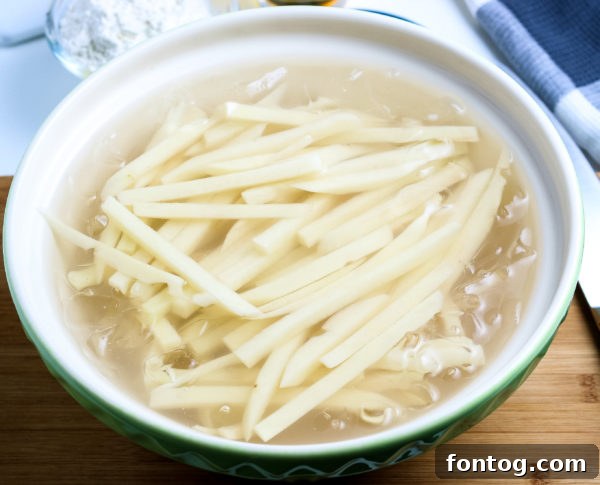
The cooking process for your homemade chips involves two distinct frying stages. First, the potatoes are fried at a lower temperature, around 330°F (165°C), for about 2 minutes. This initial fry cooks the potatoes through, making them tender on the inside, and helps to dry out their surface, setting them up for maximum crispness later. They won’t be golden at this stage; rather, they’ll appear soft and slightly translucent. After this first fry, remove them from the oil and let them drain on paper towels while you prepare and fry your fish.
Once your delicious **gluten-free fried fish** is done and draining, you’ll increase the oil temperature to 370°F (185°C). The pre-cooked potatoes are then returned to this hotter oil for their second fry. This high-heat blast rapidly browns the exterior, creating that wonderfully crunchy crust we all love. Fry them for an additional 3-4 minutes, or until they reach your desired level of golden crispness. As soon as they emerge from the oil, transfer them to a fresh paper towel-lined surface and season generously with salt while they are still hot. The salt adheres best to the hot oil, ensuring every chip is perfectly seasoned. This two-stage frying method is a time-tested technique for achieving superior French fries, guaranteeing a perfect accompaniment to your gluten-free fish.
Expert Tips for Perfect Gluten-Free Fish and Chips
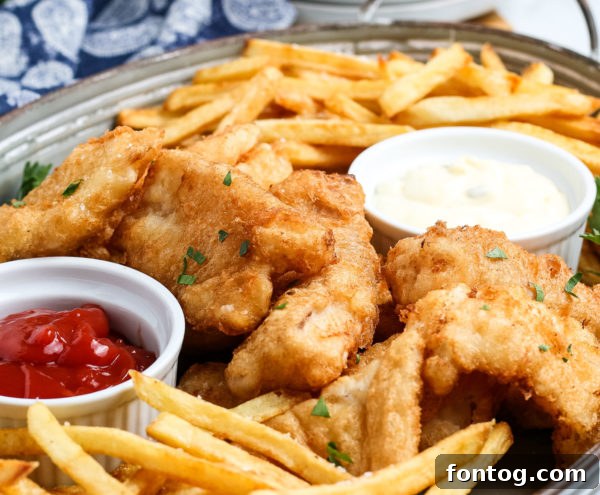
Making delicious **gluten-free fish and chips** is an enjoyable culinary adventure, and a few expert tips can make all the difference, ensuring your meal is truly exceptional. Follow these guidelines for a perfectly crispy, flavorful, and hassle-free experience:
- Thoroughly Pat the Fish and Chips Dry: This step cannot be emphasized enough. Before coating the fish in flour and batter, and especially after soaking the potatoes and their first fry, ensure they are as dry as possible. Excess moisture is the enemy of crispiness and can lead to a soggy batter and oily chips. Use clean kitchen towels or several layers of paper towels to absorb all surface water. A dry surface allows the batter to adhere better to the fish and helps the potatoes crisp up beautifully.
- Always Use a Quality Gluten-Free All-Purpose Flour Blend: As discussed, the type of gluten-free flour you use significantly impacts the final texture. Opt for a reputable 1:1 gluten-free all-purpose blend that explicitly states it contains xanthan gum. Xanthan gum is crucial for providing structure and elasticity that gluten typically offers, resulting in a more cohesive and wonderfully textured batter. If your chosen blend doesn’t contain it, you may need to add about ½ teaspoon per cup of flour.
- Do NOT Overcrowd the Pot of Oil: This is one of the most common mistakes in deep frying. Frying too many pieces of fish or too many chips at once will drastically lower the oil temperature. When the oil temperature drops, food absorbs more oil, becoming greasy and soggy instead of crisp. Always work in small batches, frying only a few fish fillets or about a cup of potatoes at a time. This allows the oil to maintain its temperature, ensuring an even, golden, and crispy fry for every piece.
- Monitor Oil Temperature Closely with a Thermometer: Maintaining the correct oil temperature is non-negotiable for successful deep frying. Too low, and your food will be greasy; too high, and it will burn on the outside before cooking through on the inside. A reliable deep-fry thermometer is an indispensable tool. Adjust your heat as needed between batches to keep the oil consistently at 330°F (165°C) for the first potato fry and 370°F (185°C) for the fish and second potato fry.
- Season Immediately After Frying: Salt adheres best to food right after it comes out of the hot oil, as the residual oil helps it stick. Season your fish and chips generously with salt immediately after draining them. This ensures maximum flavor.
- Allow Excess Oil to Cool Before Disposal: Safety first! Never dispose of hot oil down the drain, as it can cause clogs and damage plumbing. Allow used frying oil to cool completely back to room temperature before carefully pouring it into a non-recyclable container (like an old milk carton or glass jar) and discarding it in the trash.
Perfect Pairings for Your Gluten-Free Fish and Chips
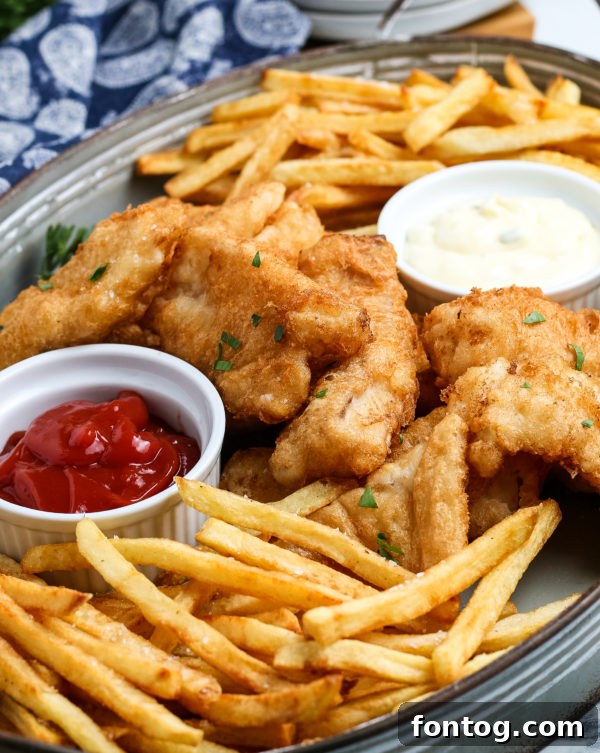
While **Gluten-Free Fish and Chips** are a delicious meal on their own, pairing them with the right accompaniments truly elevates the experience. These classic sides and sauces complement the rich flavors and crispy textures, creating a complete and satisfying meal:
- Tangy Tartar Sauce: A creamy, zesty tartar sauce is practically mandatory with fish and chips. Its bright, briny notes cut through the richness of the fried fish beautifully. You can easily make a homemade version using mayonnaise, chopped pickles or capers, fresh dill or parsley, and a squeeze of lemon juice. Ensure your mayonnaise is gluten-free if preparing for a strict diet.
- Fresh Lemon Wedges: A simple squeeze of fresh lemon juice over your hot fish adds a burst of acidity that brightens the flavor and enhances the crispness of the batter. It’s a timeless pairing that always works.
- Classic Coleslaw: A cool, crisp, and creamy coleslaw offers a refreshing counterpoint to the hot, fried elements of the meal. The crunch of the cabbage and the tang of the dressing provide a delightful textural and flavor contrast.
- Homemade Hush Puppies: If you’re looking to add another fried delight, hush puppies are a fantastic choice. Prepare a gluten-free hush puppy batter and simply drop spoonfuls into the hot oil after your chips are done. They fry quickly and add a wonderful savory, slightly sweet element to your plate.
- Crispy Onion Rings: For those who love variety in their fried sides, a batch of homemade gluten-free onion rings makes a perfect addition. Their sweet onion flavor and crispy coating pair wonderfully with both the fish and chips.
- Malt Vinegar: A traditional British accompaniment, malt vinegar drizzled over fish and chips provides a sharp, distinctive flavor that many enthusiasts swear by. Ensure it is specifically labelled gluten-free if you have celiac disease, as some malt vinegars derive from barley.
- Mushy Peas: Another quintessentially British side, mushy peas offer a vibrant color and a comforting, earthy flavor that contrasts nicely with the fried components.
Storing and Reheating Leftover Gluten-Free Fish and Chips
While **Gluten-Free Fish and Chips** are best enjoyed immediately after frying for peak crispness, sometimes you might have delicious leftovers. Proper storage and reheating can help preserve their quality, though they will inevitably lose some of their initial crispiness.
Once your fish and chips have fully cooled to room temperature, transfer them to an airtight container. Store this container in the refrigerator for up to 2 days. Beyond this, the quality will start to decline, and the risk of spoilage increases.
When you’re ready to reheat, avoid the microwave if possible, as it tends to make fried foods soggy. For best results in restoring some crispness:
- Air Fryer: This is by far the best method for reheating. Preheat your air fryer to 350°F (175°C). Place the fish and chips in a single layer in the air fryer basket, ensuring they are not overcrowded. Reheat for 2-3 minutes for the fish and 3-5 minutes for the chips, checking frequently until they are heated through and somewhat crisp again.
- Oven: Preheat your oven to 375°F (190°C). Place the fish and chips on a wire rack set over a baking sheet. This allows air to circulate around them, helping to re-crisp. Reheat for about 10-15 minutes, or until heated through and lightly crisped.
While reheated fish and chips may not be quite as perfect as fresh, these methods will still provide a satisfying meal, minimizing sogginess and maximizing flavor.
This **homemade gluten-free fish and chips** recipe truly delivers that cherished, deep-fried crunch without any gluten. It’s an ideal choice for Lent, a hassle-free weeknight dinner, or anytime you crave the comforting taste of pub-style food, made perfectly safe and delicious for a gluten-free diet. Enjoy the process of creating this fantastic meal and savor every crispy bite!
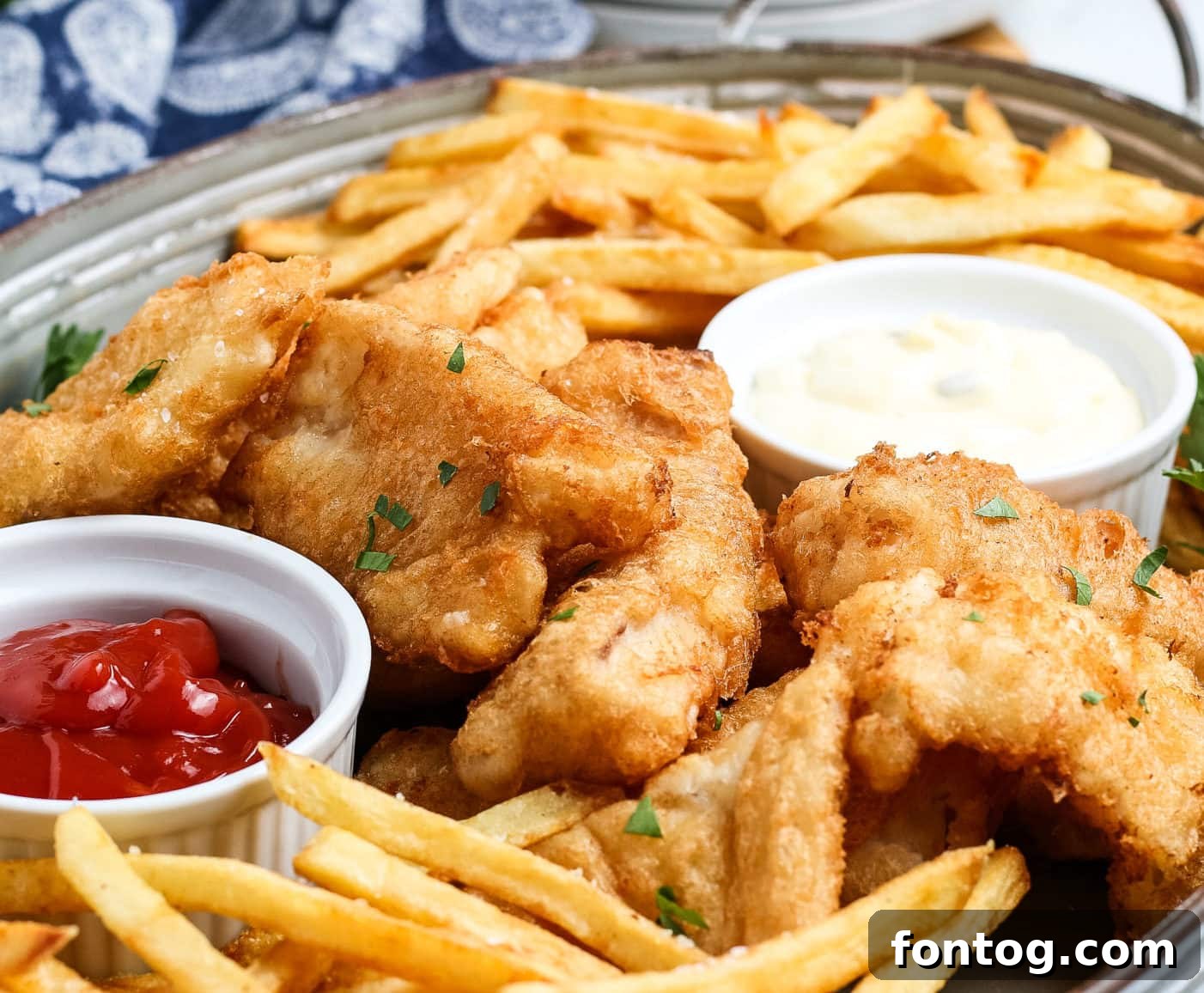
Gluten-Free Fish and Chips
Ingredients
For the Fish
- 6 Fish Fillets (Cod, Pollock, Tilapia, Mahi Mahi, Haddock, or White Fish of your choice)
- 1 Cup Gluten-Free or Regular All-Purpose Flour (use a 1:1 blend with xanthan gum for GF)
- 1 Tsp Baking Powder
- 1 Tsp Salt
- 1/4 Tsp Onion Powder
- 1/4 Tsp Garlic Powder
- 12 oz Gluten-Free Beer or Regular Beer (or Milk for a non-alcoholic option)
- Vegetable Oil (for deep frying)
For the Chips (Fries)
- 4 Large Russet Potatoes (Peeled & Sliced into large fingers, about 1/4 to 1/2 inch thick)
- Salt to Taste
Instructions
-
Prepare the Potatoes (Chips): Place the peeled and sliced Russet potatoes in a large bowl of ice water for 20-30 minutes to remove excess starch.
-
Heat Oil for First Fry: In a deep, heavy skillet or deep fryer, heat vegetable oil to 330°F (165°C). Ensure you have enough oil to submerge the chips and fish.
-
Dry Potatoes: Drain the soaked potatoes thoroughly and pat them completely dry with a clean kitchen towel. This is crucial for crispiness and to prevent oil splattering.
-
First Fry for Chips: Carefully fry the potatoes in batches (about 1 cup at a time) in the 330°F oil for approximately 2 minutes. The potatoes should be cooked through but not yet browned.
-
Drain Par-Cooked Chips: Remove the potatoes with a slotted strainer and place them on paper towels to drain excess oil. Repeat this process for all potato batches.
-
Increase Oil Temperature: Increase the oil temperature to 370°F (185°C) for frying the fish and the second fry of the chips.
-
Prepare Fish Batter: In a large bowl, whisk together the 1 cup of gluten-free flour, baking powder, salt, onion powder, and garlic powder.
-
Add Liquid to Batter: Gradually whisk in the 12 oz of gluten-free beer (or milk) until a smooth, lump-free batter is formed.
-
Flour Fish: Lightly dust each fish fillet with a little extra gluten-free flour, tossing gently to coat. This helps the batter adhere better.
-
Batter Fish: Dip each floured fillet into the prepared batter, ensuring it’s fully coated, then lift and let any excess batter drip off.
-
Fry Fish: Carefully lower the battered fish fillets into the 370°F (185°C) hot oil. Fry in batches for about 2-3 minutes, or until golden brown and cooked through.
-
Drain Fried Fish: Remove the fish from the oil and drain over paper towels or on a wire rack.
-
Second Fry for Chips: Return the pre-cooked potatoes to the 370°F (185°C) oil.
-
Crisp Chips: Fry the chips for about 4 additional minutes, or until they are golden brown and wonderfully crisp.
-
Drain & Season Chips: Drain the crispy chips over paper towels and season immediately with salt to taste.
-
Serve: Serve your delicious homemade Gluten-Free Fish and Chips hot with your favorite sides and sauces.
Notes
Nutrition Information (per serving)
Did You Make This Gluten-Free Fish and Chips Recipe?
We love seeing your culinary creations! Be sure to tag #mommyhatescooking on Instagram and follow us for more delicious recipes @momhatescooking.
Pin Recipe
Share on Facebook