Cultivating Your Culinary Corner: A Comprehensive Guide to Growing Fresh Herbs at Home
Happy gardening to all! As spring unfurls its vibrant tapestry, many of us are eagerly tending to our gardens, planting seeds, and nurturing new life. Our own garden beds are already flourishing, yet the allure of adding just a few more cherished plants always seems to beckon. We recently experienced an unexpected cold snap, a gardener’s perennial concern, but thankfully, our resilient crops appear to have weathered it beautifully, thriving despite the momentary chill.
Embracing the Aromatic World of Homegrown Herbs
Today, our spotlight shines brightly on herbs—the true gems of any kitchen garden. For me, herbs are by far my favorite things to plant, primarily because they play such an indispensable role in my daily cooking. The thought of buying these aromatic wonders from the grocery store, when I know I could be harvesting them fresh from my own backyard, truly pains me. There’s an undeniable satisfaction and superior flavor that comes from snipping fresh rosemary, cilantro, parsley, or dill weed right before adding it to a dish. This anticipation of having them just steps from my back door is one of the greatest joys of gardening.
The Unrivaled Flavor and Freshness of Homegrown Herbs
Imagine a world where your kitchen is never without the vibrant flavors of fresh herbs. This isn’t just a dream; it’s a tangible reality for anyone willing to dedicate a small corner of their garden or even a few pots. The intensity of flavor in freshly picked herbs far surpasses that of their store-bought, often wilted counterparts. When you grow your own, you control every aspect, from the soil to the watering schedule, ensuring that each leaf is packed with optimal taste and nutritional value. This freshness elevates every meal, transforming ordinary dishes into culinary masterpieces with minimal effort. From brightening a simple salad to adding depth to a complex stew, fresh herbs are indispensable.
Beyond the Grocery Store: Savings, Sustainability, and Health Benefits
Cultivating your own herbs offers significant advantages beyond just taste. Economically, growing your own herbs is a smart move. Those small plastic clamshells of fresh herbs at the grocery store can quickly add up, often costing several dollars for a mere handful. A single herb plant, on the other hand, can provide you with continuous harvests for months, if not years, making it incredibly cost-effective in the long run. Moreover, homegrown herbs contribute to a more sustainable lifestyle by reducing packaging waste and the carbon footprint associated with transportation. You also gain peace of mind knowing exactly what goes into your food, free from unwanted pesticides or chemicals often found in commercially grown produce. It’s a small step that yields big returns for your health, your wallet, and the planet.
Designing Your Dream Herb Sanctuary
The beauty of herb gardening lies in its adaptability. Whether you have a sprawling backyard or a sunny windowsill, there’s a perfect setup for you. My current collection of herbs has simply outgrown our three small planters screwed onto the deck railing. The convenience of having them right outside the door is something I’m not willing to compromise, so my husband is planning to build a much larger, dedicated herb box to attach to our back deck. This way, I can expand my repertoire and keep all my beloved herbs within easy reach, ready for immediate use.
Strategic Placement: Convenience and Sunlight are Key
When planning your herb garden, location is paramount. Most culinary herbs thrive in full sun, meaning they need at least six hours of direct sunlight per day. A south-facing spot, such as near a back door, kitchen window, or on a sunny deck, is often ideal. Not only does this provide the necessary light, but it also ensures maximum convenience, encouraging frequent use. Having herbs within arm’s reach while cooking can significantly increase their culinary impact and reduce food waste. Consider also proximity to water sources for easy watering, especially during dry spells.
Containers vs. Raised Beds: Finding Your Perfect Fit
The choice between containers and raised beds depends on your space, aesthetic preferences, and the specific needs of your herbs. Containers offer unparalleled flexibility, allowing you to move plants to optimize sunlight, protect them from extreme weather, or even bring them indoors during colder months. Terracotta pots, ceramic planters, or even repurposed items like old buckets or window boxes can make charming herb homes. Ensure containers have adequate drainage holes to prevent waterlogging, which can be detrimental to herb roots. For those with more space, raised beds provide excellent drainage, allow for customized soil mixes, and can prevent invasive herbs like mint from spreading throughout your garden. They also offer the benefit of less bending for harvesting and weeding, making gardening more accessible and enjoyable.
Maximizing Space with Vertical Gardens and Window Boxes
If horizontal space is limited, don’t despair! Vertical gardening solutions offer an ingenious way to cultivate a bounty of herbs in a compact footprint. Wall-mounted planters, tiered gardening systems, or even simple hanging baskets can transform an unused wall or fence into a lush, productive herb wall. Window boxes, both indoor and outdoor, are another fantastic option for small spaces, bringing the beauty and fragrance of herbs directly into your home. These innovative approaches prove that you don’t need a sprawling garden to enjoy the luxury of fresh, homegrown herbs year-round.
Year-Round Abundance: Keeping Your Herbs Thriving
Many gardeners, myself included, dream of a continuous harvest, but keeping herbs flourishing year-round can be a delightful challenge. I’m still working on mastering this art. Do you move them indoors? How do you maintain their growth through all four seasons? The desire for fresh herbs, even when winter winds blow, is strong, prompting us to explore various strategies for extending the growing season.
Bringing the Garden Indoors: Winterizing Your Herbs
For many tender herbs, the transition indoors is essential for winter survival. Before the first frost, carefully pot up plants from your outdoor garden or start new cuttings. Herbs like basil, cilantro, and dill are typically annuals in most climates, meaning they complete their life cycle in one season. However, you can often extend their harvest by taking cuttings and rooting them indoors, or by planting new seeds in pots. Perennial herbs such as rosemary, thyme, oregano, and chives can often be brought indoors as mature plants. Ensure they are free of pests before relocation to prevent infestations in your home.
Essential Tips for Indoor Herb Success
Once indoors, light becomes the most crucial factor. A sunny south-facing window is ideal, but supplemental grow lights can make a significant difference, especially during shorter winter days. Position lights a few inches above the plants and adjust as they grow. Water indoor herbs less frequently than outdoor plants, allowing the top inch or two of soil to dry out between waterings. Overwatering is a common killer of indoor plants. Good air circulation is also important to prevent fungal diseases. Consider placing pots on a tray of pebbles filled with water to increase humidity, which many herbs appreciate in a dry indoor environment. Light fertilization every few weeks can also support healthy growth.
Extending the Harvest Season: Cold Frames and Greenhouses
For gardeners with a bit more space and ambition, cold frames and mini-greenhouses offer excellent solutions for extending the growing season. A cold frame, essentially a bottomless box with a transparent lid, traps solar heat and protects plants from harsh winds and light frosts, allowing you to grow cold-hardy herbs like parsley, chives, and even some varieties of thyme well into winter. A small greenhouse provides even greater protection and control over environmental conditions, enabling you to grow a wider variety of herbs, including more tender ones, throughout the year. These structures are invaluable tools for those committed to a truly year-round supply of fresh herbs.
Spotlight on Culinary Stars: Our Favorite Herbs to Grow
Every gardener has their preferred herbs, those go-to plants that find their way into countless dishes. For me, it’s a delightful competition between dill weed, which has long been my unwavering favorite, and rosemary, which is rapidly closing the gap, vying for the top spot. It might seem a little odd to talk about my herbs as if they are in a thrilling culinary competition, but when you rely on them so heavily for flavor, their performance in the garden really does matter!
The Majestic Rosemary: A Fragrant Foundation for Flavor
Rosemary (Rosmarinus officinalis) is a woody, evergreen perennial that boasts a distinctive piney, slightly peppery flavor. It’s incredibly versatile and pairs wonderfully with roasted meats like lamb, chicken, and pork, as well as root vegetables such as potatoes and carrots. Its robust flavor stands up well to long cooking times. Rosemary is also fantastic in bread, infused oils, or even as a fragrant garnish for drinks. In the garden, rosemary prefers full sun and well-drained soil. It’s relatively drought-tolerant once established and can be grown as a beautiful ornamental shrub in warmer climates. For colder regions, it thrives in containers that can be brought indoors during winter.
Dill Weed: The Versatile and Delicate Touch
Dill (Anethum graveolens), particularly the feathery leaves known as dill weed, is cherished for its delicate, slightly sweet, and tangy flavor. It’s an absolute must-have for anything related to pickling, and it’s incredible in seafood dishes, particularly with salmon and other fish. Dill also elevates potato salads, creamy dips, and cucumber salads. The seeds of the dill plant are also culinary stars, offering a stronger, more pungent flavor often used in rye bread and pickling brines. Dill prefers full sun and rich, well-drained soil. It tends to bolt (go to seed) quickly in hot weather, so succession planting every few weeks can ensure a continuous supply of fresh leaves throughout the growing season.
Cilantro and Parsley: Freshness Defined for Every Dish
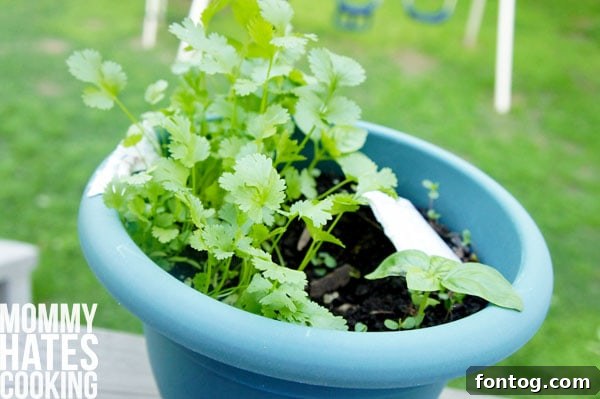
Cilantro (Coriandrum sativum) and parsley (Petroselinum crispum) are two cornerstone herbs in kitchens worldwide, each bringing its unique fresh and herbaceous notes. Cilantro, with its bright, citrusy, and somewhat pungent flavor, is indispensable in Mexican, Indian, and Southeast Asian cuisines. It’s fantastic in salsas, guacamole, curries, and as a fresh garnish. However, cilantro is famously divisive, with some individuals genetically predisposed to perceive it as tasting like soap. Parsley, available in flat-leaf (Italian) and curly varieties, offers a milder, peppery, and grassy flavor. Flat-leaf parsley is generally preferred for cooking due to its more robust flavor and easier chopping, while curly parsley is often used as a garnish. Both herbs thrive in full sun to partial shade and consistently moist, well-drained soil. Like dill, cilantro is prone to bolting in warm temperatures, so plant it in cooler parts of the season or provide some afternoon shade.
Exploring Other Essential Herbs: Basil, Thyme, Mint, and More
Beyond these favorites, a world of other essential herbs awaits the home gardener. Basil (Ocimum basilicum), with its sweet and peppery leaves, is a staple in Italian cuisine, perfect for pesto, pasta, and Caprese salads. Thyme (Thymus vulgaris), with its earthy, subtly lemony notes, is incredibly versatile, pairing well with roasted meats, vegetables, and soups. Mint (Mentha spp.), known for its refreshing aroma, comes in numerous varieties (peppermint, spearmint, chocolate mint) and is ideal for teas, desserts, and cocktails, though it requires containment due to its vigorous spreading habit. Oregano (Origanum vulgare), with its bold, pungent flavor, is a must-have for Mediterranean and Mexican dishes. Chives (Allium schoenoprasum), offering a delicate oniony flavor, are excellent in eggs, salads, and as a garnish. Each of these herbs offers unique culinary possibilities, inviting you to experiment and discover new flavors in your kitchen.
Nurturing Your Herb Garden: Essential Care and Maintenance
A thriving herb garden requires consistent, yet simple, care. Understanding the basic needs of your plants will ensure a bountiful harvest and healthy growth throughout the season. Proper watering, strategic pruning, and vigilant pest management are the pillars of successful herb cultivation.
Watering Wisely: The Key to Healthy Growth
Most herbs prefer well-drained soil and do not like to sit in soggy conditions. Overwatering can lead to root rot, a common killer of herbs. The best practice is to water deeply when the top inch or two of soil feels dry to the touch. In containers, this often means watering until you see drainage from the bottom. During hot, dry spells, container herbs may need daily watering, while in-ground herbs might only need it every few days. Pay attention to the specific needs of each herb; some, like mint, prefer consistently moist soil, while others, like rosemary and thyme, are more drought-tolerant once established.
Pruning for Productivity: Encouraging Bushier Plants
Regular pruning is vital for encouraging bushy growth and extending the life of your herb plants. When you harvest leaves, always pinch or snip just above a set of leaves or a growth node. This encourages the plant to branch out, producing more leaves rather than growing tall and leggy. For herbs like basil, regularly pinch off any flower buds that form; allowing the plant to flower diverts energy from leaf production, often making the leaves taste bitter. This consistent harvesting and pruning regimen ensures a continuous supply of tender, flavorful leaves throughout the growing season.
Troubleshooting Common Herb Garden Challenges
Even with the best care, herb gardens can face challenges. Pests like aphids, spider mites, or whiteflies can occasionally infest plants. Regular inspection and natural pest control methods, such as spraying with a strong stream of water or using insecticidal soap, can help keep them at bay. Fungal diseases, often caused by too much moisture or poor air circulation, can also occur. Ensure good spacing between plants and avoid overhead watering to minimize these issues. Yellowing leaves can indicate overwatering or nutrient deficiencies, while wilting leaves might signal either too much or too little water. Learning to “read” your plants’ signals is part of the joy and art of gardening.
Share Your Green Thumb Wisdom!
The journey of growing herbs is a truly rewarding one, offering fresh flavors, therapeutic aromas, and a deeper connection to the food we eat. We’ve explored the benefits, planning, and care involved, but the collective wisdom of gardeners is invaluable. I’d love to hear from you!
Join the Conversation: What Are Your Herb Gardening Secrets?
What’s your absolute favorite herb to grow, and why does it hold that special place in your garden and kitchen? Perhaps it’s an herb that thrives effortlessly for you, or one that brings back cherished memories. More importantly, I’m always looking for innovative ways to keep my herbs healthy and growing strong throughout the entire year. Do you have any clever tips for extending the harvest through winter, or unique methods for bringing outdoor plants indoors? Share your insights, experiences, and ingenious strategies with us in the comments below! Your green thumb wisdom could inspire countless others.
Have you visited our Products list? Be sure and check out Mommy Hates Cooking Products and Services.
Need more recipe ideas? Check out the Recipe Index by Mommy Hates Cooking.