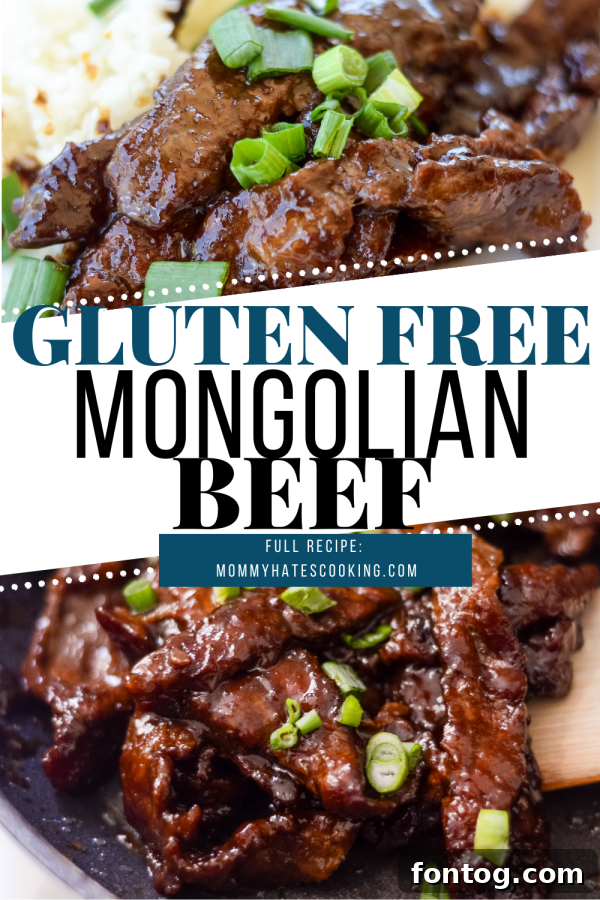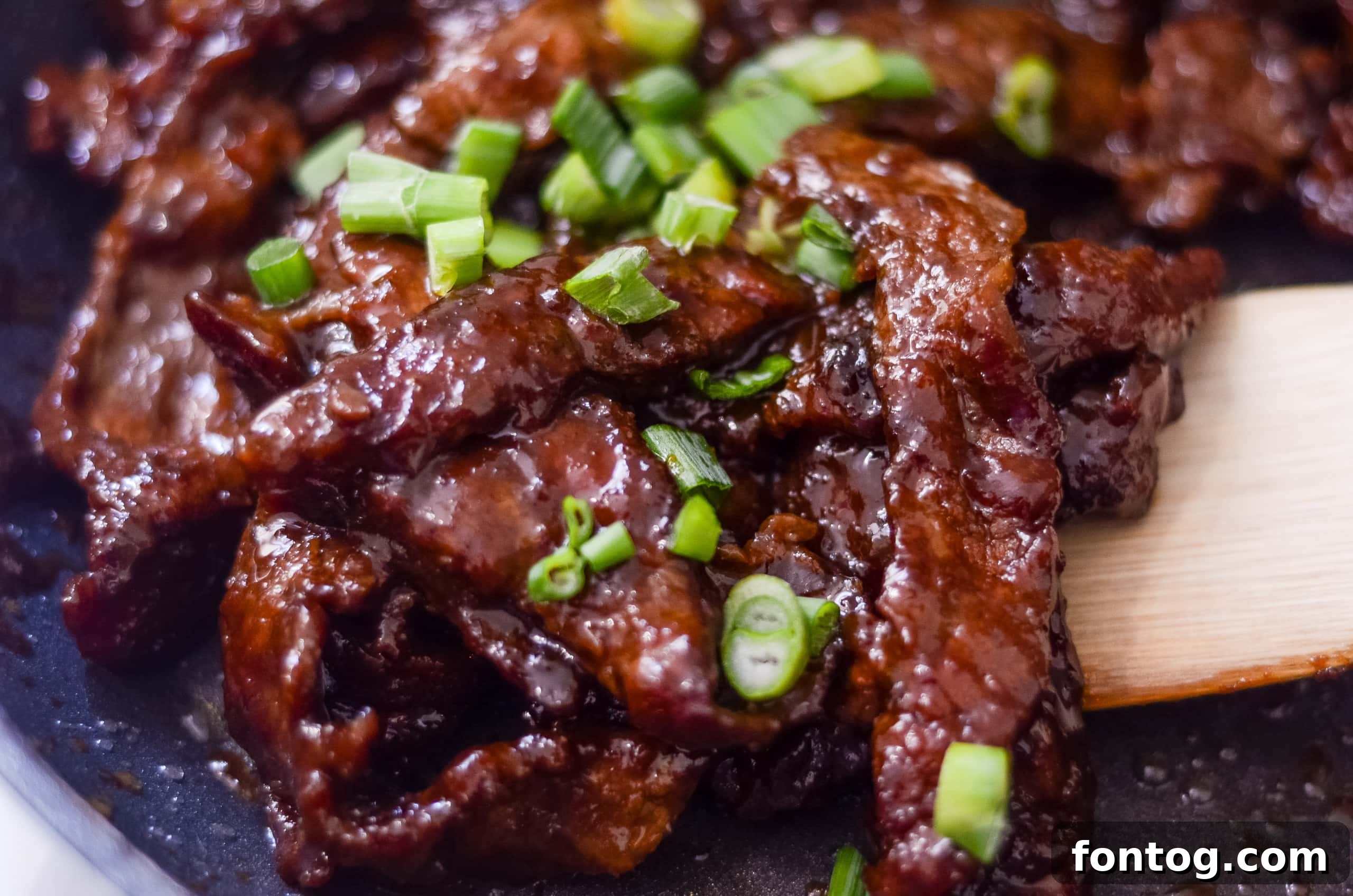
Master the Art of Gluten-Free Mongolian Beef: A Flavorful Stovetop Delight
Craving the rich, savory-sweet taste of Mongolian Beef but need a gluten-free option? Look no further! This comprehensive guide will walk you through creating an incredibly tender and delicious Gluten-Free Mongolian Beef right on your stovetop. Forget takeout—this homemade version promises an authentic flavor experience that’s both easy to prepare and remarkably satisfying.
While an Air Fryer Mongolian Beef recipe offers a similar great dish with less oil, today we’re dedicating our focus to the classic stovetop method. This approach ensures a perfect sear on your beef and allows the luscious sauce to truly permeate every tender bite, creating a dish that rivals your favorite restaurant.
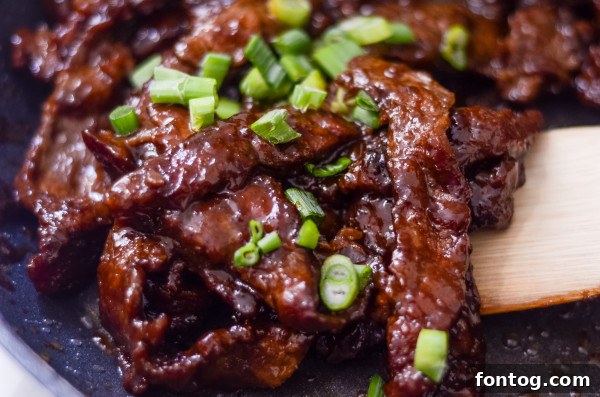
For many, Mongolian Beef is a go-to choice at Asian-inspired restaurants like Pei Wei and P.F. Chang’s, especially with their fantastic gluten-free offerings. The ability to recreate that irresistible flavor at home, free from gluten, is a game-changer for those with dietary restrictions or simply looking for healthier alternatives. And trust us, this recipe turns out wonderfully every single time!
What is Mongolian Beef and Why Gluten-Free?
Mongolian Beef, despite its name, is not a traditional Mongolian dish but rather a popular creation from Chinese-American cuisine. It typically features thinly sliced beef, often flank steak, stir-fried with a rich, sweet, and savory sauce. Key flavor notes come from soy sauce, brown sugar, garlic, and ginger, creating a delightful balance that appeals to a wide range of palates.
The beauty of making it gluten-free lies primarily in one crucial ingredient: soy sauce. Traditional soy sauce contains wheat, making it unsuitable for those with celiac disease or gluten sensitivity. By simply substituting it with gluten-free tamari or a certified gluten-free soy sauce, you can transform this beloved dish into a safe and equally delicious meal for everyone. This adaptation ensures that no one misses out on the incredible flavors of this classic.
How to Make Tender Gluten-Free Mongolian Beef
The secret to exceptional Gluten-Free Mongolian Beef lies in pairing perfectly thin slices of steak with a robust, flavorful sauce. The texture of the beef is paramount, and achieving that melt-in-your-mouth tenderness is simpler than you might think.
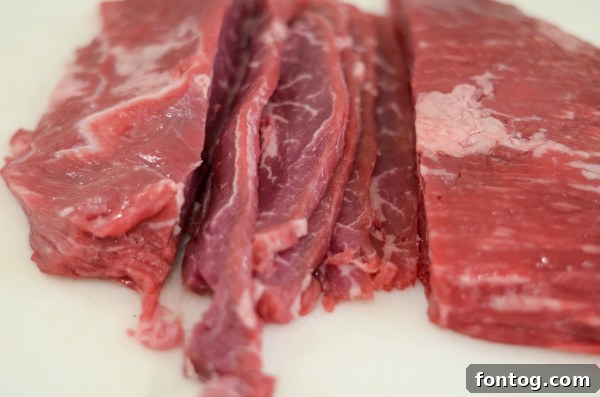
Flank steak is unequivocally the best option for this recipe. Its lean yet flavorful profile, when prepared correctly, yields incredibly tender results. When selecting your flank steak, look for one that is uniformly colored and firm. Avoid any cuts with discoloration or an overly soft texture.
The most critical step in preparing flank steak for Mongolian Beef is slicing it *against the grain*. The “grain” refers to the long muscle fibers visible in the meat. Slicing perpendicular to these fibers shortens them, making the beef far easier to chew and giving it that desired tender quality. For optimal bite-sized pieces, aim for slices approximately 1/4 inch thick.
The Importance of Starch Coating
To achieve that signature texture and ensure the sauce adheres beautifully, the steak needs to be coated with a starch. Cornstarch is my go-to choice for this recipe due to its effectiveness in creating a light, crispy crust on the beef and its superior ability to thicken the sauce.
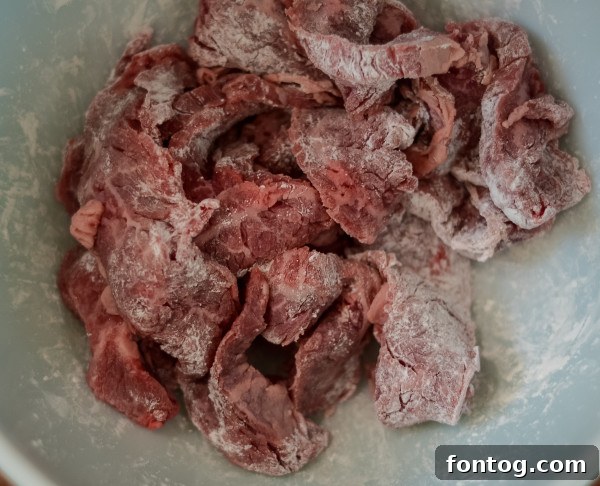
While cornstarch is highly recommended, potato starch can also be used as an effective alternative. Both starches react well to heat, providing a delicate coating that protects the meat from overcooking and helps the sauce cling perfectly.
I strongly advise against using wheat flour. Unlike cornstarch or potato starch, flour tends to clump and does not adhere to the meat as effectively in this application, nor does it create the desired translucent thickening effect in the sauce. Start with the amount listed in the recipe, and if you find your steak isn’t lightly coated, you can always add a touch more cornstarch, shaking to ensure even distribution.
Crafting the Irresistible Mongolian Sauce
The heart of any great Mongolian Beef recipe lies in its sauce. This blend of sweet, savory, and aromatic flavors is what elevates the dish from simple steak to an unforgettable meal. Each ingredient plays a vital role:
- Vegetable Oil: Provides the base for sautéing the aromatics.
- Ginger and Minced Garlic: These powerhouse aromatics are essential. Freshly minced ginger and garlic offer a pungent, spicy, and earthy depth that is characteristic of Asian cuisine. They release their best flavors when gently warmed in oil.
- Gluten-Free Soy Sauce (Tamari): The cornerstone of the savory flavor. Using a high-quality gluten-free soy sauce or tamari is crucial for authentic taste without the gluten. Tamari often has a slightly richer, less salty flavor than standard soy sauce, which works wonderfully here.
- Water: Thins the sauce slightly, allowing it to coat the beef evenly without becoming overly thick.
- Brown Sugar: Provides the essential sweetness that balances the savory notes of the soy sauce. Packed brown sugar adds a deep molasses flavor that’s superior to white sugar for this recipe, creating that signature caramelized glaze.
Combine these ingredients in a saucepan and let them simmer gently. This low and slow simmer allows the flavors to meld and deepen, creating a more complex and harmonious sauce. While the steak cooks, the sauce can continue to warm, ensuring it’s ready to embrace the perfectly cooked beef.
Serving Suggestions to Complete Your Meal
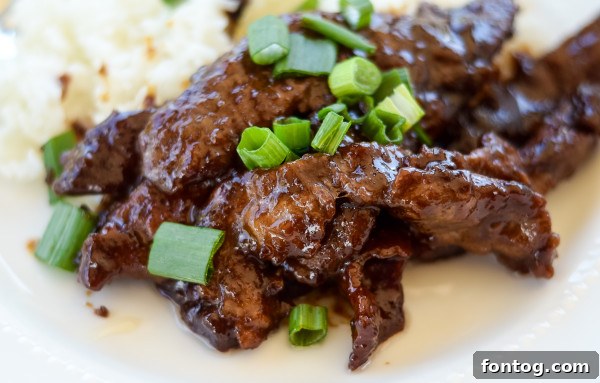
Gluten-Free Mongolian Beef is a complete meal in itself, but it truly shines when served with complementary sides. We love pairing ours with fluffy white rice, which perfectly absorbs the delicious sauce, and crisp green beans for a touch of freshness and texture. A generous sprinkle of sliced green onions as a garnish adds a bright, slightly piquant finish that enhances the overall flavor profile.
Beyond rice and green beans, consider these other fantastic pairings:
- Stir-fry Veggies: Broccoli florets, bell peppers, snow peas, or carrots can be quickly stir-fried and added alongside the beef or even directly into the skillet with the sauce for the last few minutes of cooking.
- Cauliflower Rice: For a low-carb option, cauliflower rice is an excellent substitute for traditional white rice.
- Noodles: Gluten-free rice noodles or sweet potato noodles can also make a wonderful base for this flavorful beef.
- Steamed Asparagus: A simple, elegant side that offers a slight bitterness to cut through the richness of the beef.
Tips for Stovetop Mastery
Achieving perfectly cooked, tender Mongolian Beef on the stovetop involves a few key techniques:
- Initial Steak Cook: When first cooking the starch-coated steak in the skillet, aim for a medium-high heat. Cook it until it’s lightly pink in the center or medium-well. This initial cook creates a slight crust and brings the beef close to doneness without drying it out. Overcooking at this stage can lead to tough beef.
- Draining and Rinsing: After the initial cook, it’s important to carefully remove the steak to a paper towel-lined plate to drain any excess oil. This prevents the final dish from being overly greasy and allows the beef to soak up the sauce more effectively. Rinsing the skillet briefly ensures a clean base for the sauce, preventing any burnt bits from affecting the flavor.
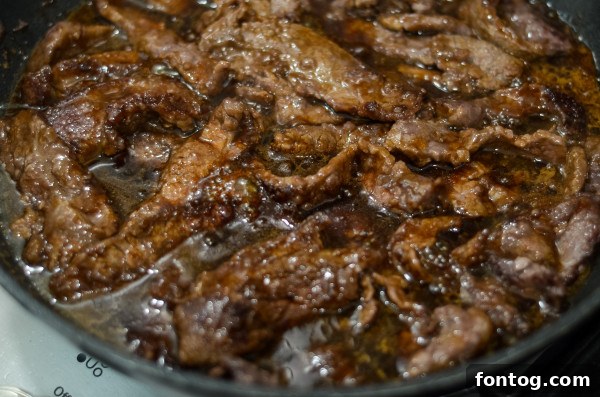
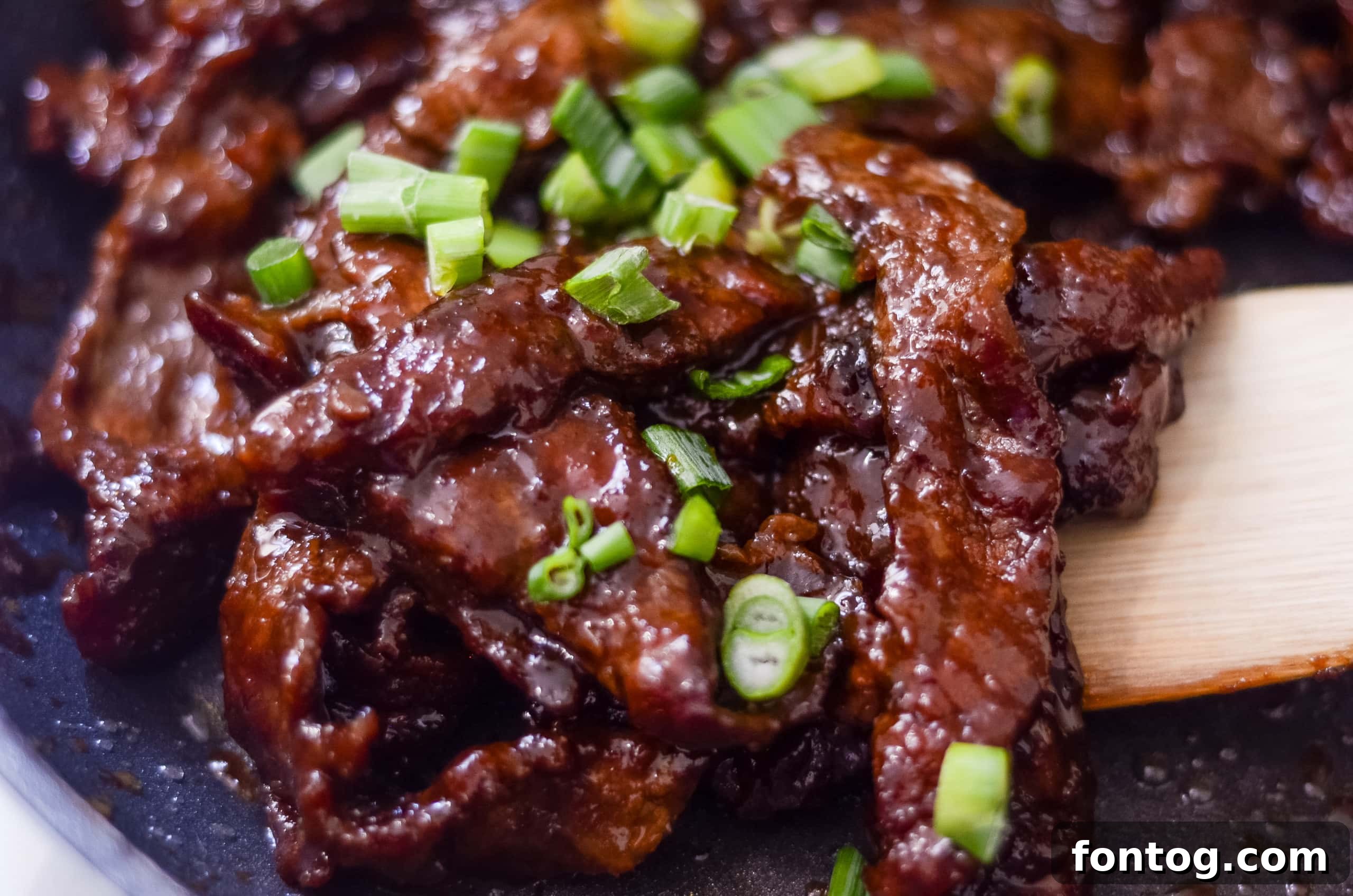
- Sauce Integration: Once the beef is returned to the clean skillet with the sauce, it will cook for an additional 8-10 minutes. During this crucial stage, the beef finishes cooking to perfection while the sauce thickens and caramelizes around it, creating that desirable glossy coating. Stir or flip the steak occasionally to ensure every piece is evenly coated and doesn’t stick to the pan. This two-stage cooking process ensures the beef remains incredibly tender and prevents it from overcooking.
- Green Onions Last: Add the sliced green onions in the final 1-2 minutes of cooking. This preserves their vibrant color and fresh, crisp texture, adding a delightful aromatic kick to the finished dish.
Troubleshooting Common Issues
Even with the best recipes, sometimes things don’t go exactly as planned. Here are some solutions to common Mongolian Beef mishaps:
- Beef is Tough: This is almost always due to slicing with the grain or overcooking. Ensure you are cutting against the grain into thin slices. If the beef still feels tough, it might have been cooked too long in the first stage. Keep the initial cooking time brief, aiming for medium-well before adding the sauce.
- Sauce is Too Thin: If your sauce isn’t thickening as desired, you can create a quick cornstarch slurry. Mix 1 teaspoon of cornstarch with 1 tablespoon of cold water until smooth. Stir this into the simmering sauce a little at a time until it reaches your preferred consistency.
- Sauce is Too Thick: If the sauce becomes too thick, simply add a tablespoon or two of water or gluten-free broth until it thins to your liking.
- Flavor is Off: If the sauce isn’t balanced, adjust as needed. Too sweet? Add a dash more gluten-free soy sauce. Not sweet enough? A little more brown sugar. Missing a kick? A pinch of red pepper flakes can add a subtle heat.
Enjoy this delicious gluten-free dinner!
Gluten-Free Mongolian Beef
Pin Recipe
Ingredients
Sauce
- 2 Tsp Vegetable Oil
- 1/2 Tsp Ginger
- 1 Tbsp Minced Garlic
- 1/2 Cup Soy Sauce or Gluten Free Soy Sauce
- 1/2 Cup Water
- 3/4 Cup Brown Sugar Packed
Meat
- 2 Tbsp Vegetable Oil
- 1 Lb Flank Steak
- 1/4 Cup Corn Starch
Extras
- 3 Green Onions Sliced
- White Rice Optional
Instructions
-
In a small saucepan, warm up 2 Tsp of vegetable oil. Add the ginger, minced garlic, soy sauce (or gluten-free soy sauce), water, and brown sugar. Bring the mixture to a gentle simmer over low heat and let it continue to warm and meld flavors for about 10 minutes while you prepare the steak.
-
Prepare the flank steak by slicing it thinly, against the grain, into approximately 1/4-inch bite-sized pieces. This crucial step ensures maximum tenderness.
-
Place the sliced steak into a Ziploc bag along with 1/4 cup of cornstarch. Seal the bag, removing as much air as possible, and shake vigorously to evenly coat all the steak pieces. Alternatively, you can toss the steak and cornstarch in a large bowl.
-
Heat 2 Tbsp of vegetable oil in a large skillet over medium-high heat. Once hot, add the coated steak in a single layer (cook in batches if necessary to avoid overcrowding the pan, which can steam the meat instead of searing it). Cook for about 6-8 minutes, flipping occasionally, until the steak is lightly pink in the center or cooked to medium-well.
-
Carefully remove the cooked steak from the skillet and place it on a plate lined with paper towels to drain any excess oil. Briefly rinse the skillet or wipe it clean to remove any residual bits before proceeding.
-
Return the drained steak to the clean skillet over medium-high heat. Pour in the simmering sauce, ensuring it coats all the beef. Stir or flip the steak frequently to prevent sticking and allow the sauce to fully absorb.
-
Continue cooking for 8-10 minutes, or until the sauce has thickened and is completely soaked into the steak, creating a beautiful glaze. In the final 1-2 minutes of cooking, stir in the sliced green onions.
-
Once the steak is richly coated and perfectly tender, serve it immediately over a bed of cooked white rice (if using) and garnish with additional fresh sliced green onions.
Notes
Nutrition
Did you make this recipe?
Make sure to tag #mommyhatescoooking on Instagram and follow for more @momhatescooking
Pin Recipe
Share on Facebook