The Fascinating World of Honey: Unveiling Nature’s Sweetest Treasure
Disclosure: This post is sponsored by the National Honey Board & The Motherhood. All thoughts and opinions are my own.
An Unforgettable Immersion into the World of Beekeeping
Just a few weeks ago, I embarked on an extraordinary educational journey that took me across three Midwestern states: South Dakota, Iowa, and Nebraska. The purpose? To delve deep into the captivating world of honey. While the precise state lines often blurred during our travels, the experience itself was remarkably clear and profoundly enlightening. This was, without a doubt, one of the most interesting trips I’ve ever undertaken, offering an unparalleled glimpse into the origins of the golden liquid we all cherish.
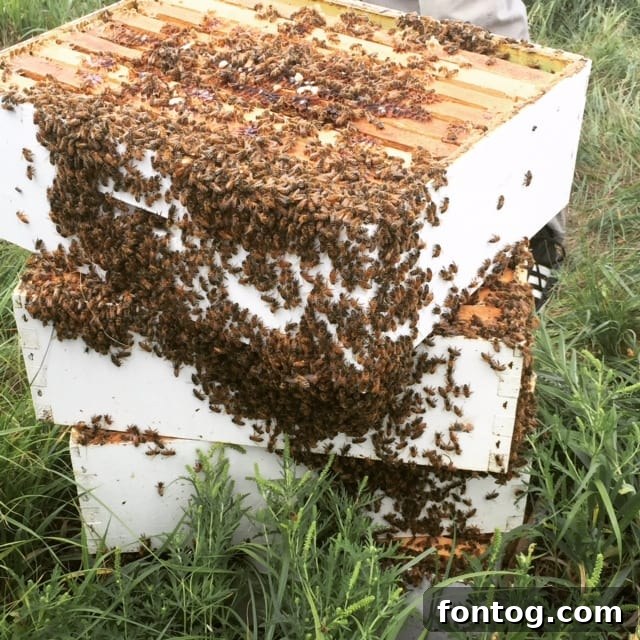
Our adventure began with visits to vast fields, where countless beehives stood as silent sentinels, housing the diligent honey bees responsible for creating future batches of honey. Witnessing these hives in their natural environment provided an immediate appreciation for the scale and dedication involved in beekeeping. It was a humbling experience to stand amidst the raw beauty of nature, knowing that within these wooden boxes, a complex ecosystem was tirelessly at work, transforming floral nectar into pure, sweet honey.
Beyond observing the beehives, we were privileged to meet the dedicated individuals who form the backbone of this amazing operation: the beekeepers. Their passion and expertise were truly inspiring. We followed the entire honey production process, from the initial collection of nectar by the bees to the careful extraction and eventual packaging that lands the finished product on our shelves. These beekeepers are not just farmers; they are stewards of nature, working in harmony with these incredible creatures. The intricate dance between the bees, the flowers, and the beekeepers is a testament to sustainable agriculture and the wonders of the natural world.
The Miraculous World of Honey Bees: Nature’s Tiny Architects
The more I learned about honey bees, the more I was filled with awe. These seemingly small insects are truly engineering marvels. Did you know that to produce just one pound of honey, bees collectively visit an astonishing two million flowers? This incredible feat underscores the sheer effort and cooperative spirit within a bee colony. Each bee is a tiny worker, contributing to the collective goal, flying miles and miles to gather precious nectar and pollen.
Beyond honey production, honey bees play an indispensable role in our ecosystem through pollination. They are responsible for pollinating a vast array of crops, from fruits and vegetables to nuts and seeds, contributing significantly to global food security. Without their tireless work, our plates would look remarkably different. The intricate social structure of a bee colony, with its queen bee, worker bees, and drones, is a fascinating study in natural efficiency and communal living. Worker bees, exclusively female, perform diverse tasks throughout their short lives, including foraging for nectar, converting it into honey, caring for the young, and building and maintaining the hive. It’s a complex, perfectly synchronized operation that allows for the continuous production of honey.
A Palette of Flavors: Exploring the Diverse World of Honey
One of the most delightful revelations of my honey education was discovering the incredible spectrum of honey flavors. The taste, aroma, and color of honey are entirely dependent on the floral source from which the bees gather nectar. This natural phenomenon means that honey is not just a singular sweet substance; it’s a diverse culinary ingredient with unique characteristics. You can find Lavender Honey, with its delicate floral notes; robust Clover Honey, a household favorite; bright and citrusy Orange Blossom Honey; and many more exotic varieties like Acacia, Wildflower, Eucalyptus, and even Manuka honey, renowned for its distinct properties.
Each type of honey complements recipes differently, offering an exciting dimension to cooking and baking. For instance, I’ve found that honey is an invaluable ingredient when baking gluten-free. It has a magical ability to mask the often-bitter undertones found in various gluten-free flours, resulting in a more palatable and enjoyable final product. My absolute favorite gluten-free pizza dough recipe, in fact, specifically calls for honey for this very reason, yielding a beautifully balanced flavor profile and a tender crumb.
During my trip, we indulged in a fantastic honey taste testing session, allowing us to experience these nuanced differences firsthand. Among the many varieties, Buckwheat Honey stood out as particularly interesting to me. Its deep, molasses-like consistency and rich, earthy flavor were truly unique. While it might sound unusual, Buckwheat Honey pairs exquisitely with chocolate. Imagine spreading a thin layer of this dark, robust honey over a square of rich dark chocolate – it transforms into an unexpectedly divine dessert, a sophisticated treat for the palate.
A helpful general rule of thumb for honey is that its color often correlates with its flavor intensity. Lighter-colored honeys, such as Clover or Acacia, tend to have a milder, more delicate sweetness. Conversely, darker honeys, like Buckwheat or Wildflower from certain regions, typically boast a more robust, bolder, and sometimes even malty flavor profile. This allows for endless culinary exploration, as you can choose a honey to perfectly match the desired flavor impact in your dishes.
Honey: Nature’s Pure and Simple Sweetener
One of the most appealing characteristics of honey is its purity. Honey is, quite simply, honey. It is a natural sweetener produced entirely by bees from floral nectar, with absolutely no additives, preservatives, or artificial ingredients. This makes it a wonderfully wholesome alternative to refined sugars. Throughout history, honey has been revered not only as a food source but also for its natural properties, used in traditional remedies and as a comforting staple. Its unique composition includes trace amounts of vitamins, minerals, enzymes, and antioxidants, contributing to its reputation as a more complex and beneficial sweetener than simple table sugar.
Culinary Gold: Innovative Ways to Incorporate Honey into Your Kitchen
The entire trip was a comprehensive learning experience, covering everything from the intricate processes bees employ to store honey and nectar, to the modern processing techniques, and ultimately, the myriad ways to utilize honey in our daily culinary endeavors. Beyond its role in baking, as highlighted by my gluten-free pizza dough, I discovered several delightful new applications for this golden syrup. One of my absolute favorite new discoveries is drizzling honey over sharp cheeses. This creates an incredibly simple yet sophisticated appetizer for any gathering.
Imagine setting out a platter of aged cheddar, a pungent blue cheese, or a creamy goat cheese, alongside a small bowl of your favorite honey. Simply invite guests to drizzle a touch of honey over a slice of cheese. The sweet, complex notes of the honey perfectly balance the savory, sometimes piquant, flavors of the cheese, creating a harmonious explosion of taste that is truly addictive. It’s a combination that will leave you and your guests craving more! But the versatility of honey doesn’t stop there. It excels as a glaze for roasted meats like chicken or pork, adding a beautiful caramelization and a touch of sweetness. It can be whisked into salad dressings for a natural emulsifier and flavor enhancer, or stirred into marinades to tenderize and infuse flavor. For breakfast, a swirl of honey over yogurt, oatmeal, or even toast elevates these simple staples into something special. And for beverages, a spoonful of honey can sweeten tea, coffee, or even craft cocktails, offering a depth of flavor that refined sugar simply cannot match.
Your Comprehensive Guide to Honey: The National Honey Board
For those eager to dive deeper into the world of honey, explore new recipes, or simply find different varieties in your local area, the National Honey Board is an invaluable resource. Their website is a treasure trove of information, offering countless ways to use honey in your kitchen, fascinating facts about bees, and an incredibly useful locator tool to help you discover unique honey types available near you. Whether you’re a seasoned chef or a curious home cook, their resources can inspire you to experiment and appreciate honey even more.
After this enlightening journey, I’m even looking forward to hosting my very own honey tasting party, inviting friends and family to sample different floral varieties and discover their personal favorites. It’s a wonderful way to celebrate the diversity and deliciousness of this natural gift. The experience of learning about honey, from the industrious bees to the dedicated beekeepers and the endless culinary possibilities, has truly deepened my appreciation for this incredible natural sweetener. It’s not just an ingredient; it’s a story of nature, hard work, and pure deliciousness.