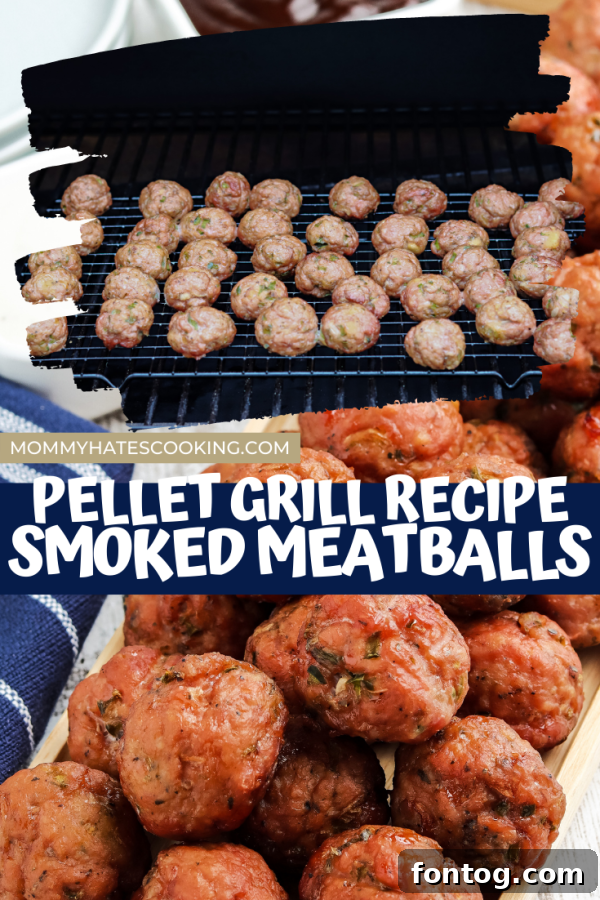
The Ultimate Smoked Meatballs: A Flavorful Pellet Grill Recipe for Any Occasion
Unlock an unparalleled depth of flavor with these incredible smoked meatballs, a truly exceptional Pellet Grill Recipe that promises to impress. Whether you’re planning a casual family dinner, a lively party, or a special gathering, these homemade meatballs, infused with rich smoky goodness, are guaranteed to be a hit. Moving beyond conventional cooking methods, smoking introduces a complex aroma and tender texture that elevates humble meatballs into a culinary masterpiece. This guide will walk you through crafting the best smoked meatballs, ensuring a juicy, flavorful result every time.
What sets this recipe apart is the commitment to fresh ingredients. We’ll be making these meatballs from scratch, ensuring superior texture and taste that you simply can’t achieve with pre-made or frozen alternatives. Using fresh ground pork and other wholesome components allows for optimal flavor absorption during the smoking process, resulting in a succulent, tender meatball that stands out. The slow, controlled cooking of a pellet grill enhances these fresh flavors, creating a dish that’s both comforting and gourmet.
Crafting Gluten-Free Smoked Meatballs
For those with dietary restrictions, particularly a need for gluten-free options, this smoked meatball recipe can be easily adapted. The primary component that typically contains gluten in traditional meatball recipes is the bread used as a binder. Fortunately, a simple substitution is all that’s required to make this dish suitable for a gluten-free diet.
This recipe calls for white bread, which plays a crucial role in adding moisture and helping the meatballs hold their shape. To make them gluten-free, simply substitute the regular white bread with high-quality gluten-free white bread. Ensure it’s a soft, fresh variety that can absorb the milk effectively, as this is key to the meatballs’ texture.
Beyond the bread, this is generally the only significant swap needed. However, it is always a good practice to meticulously check all other ingredients – such as Italian seasoning, Worcestershire sauce, and any other packaged items – to confirm they are certified gluten-free and meet your specific dietary needs. Many brands offer gluten-free versions of common pantry staples, making it easier than ever to enjoy this delicious smoked meatball recipe without compromise.
Essential Tips for Mastering Smoked Meatballs on Your Pellet Grill
Making smoked meatballs isn’t just about combining ingredients and placing them on a grill; it’s an art that benefits from a few key techniques. These tips will help ensure your meatballs are perfectly cooked, incredibly moist, and bursting with smoky flavor, making them ideal for any occasion from casual family dinners to grand holiday feasts.
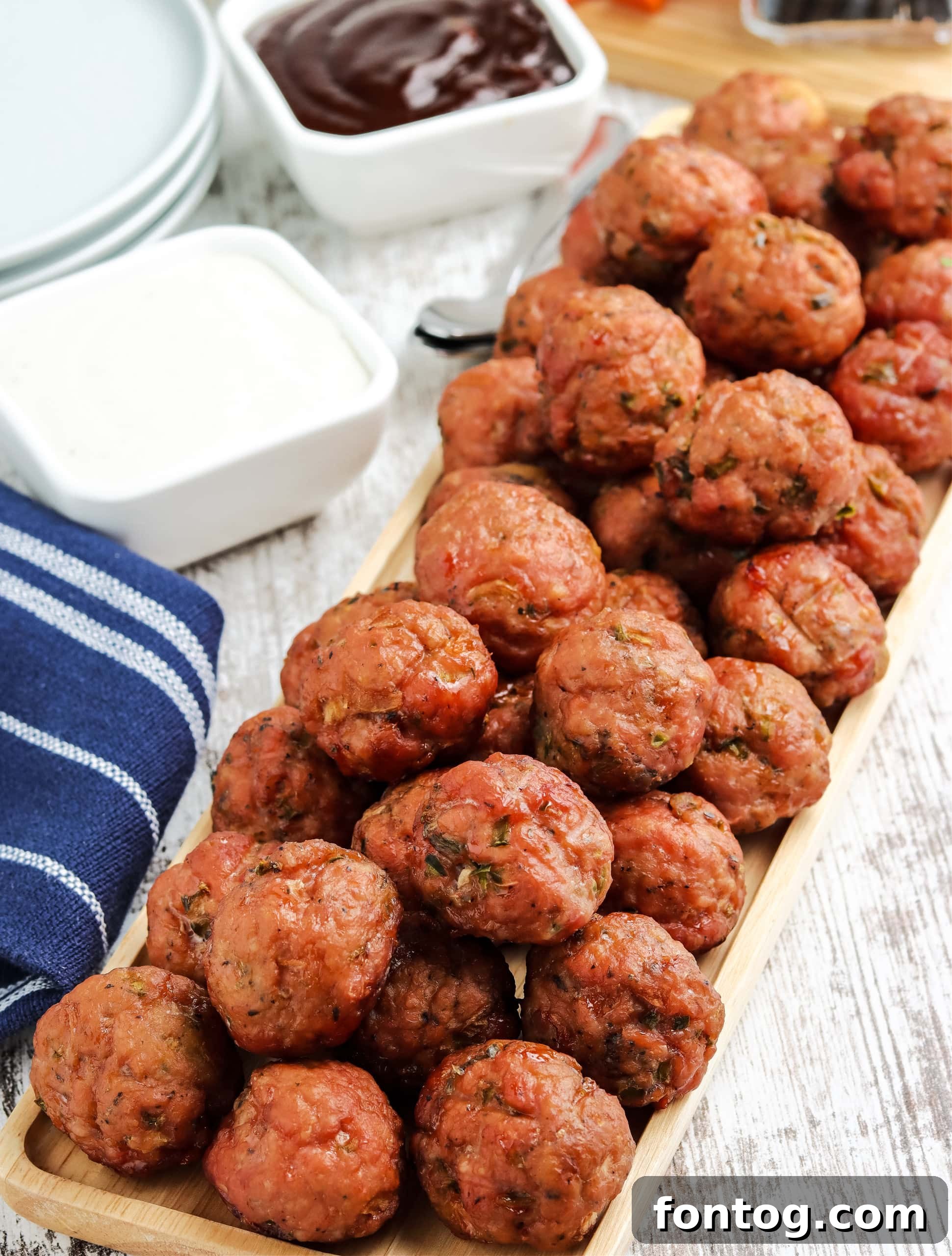
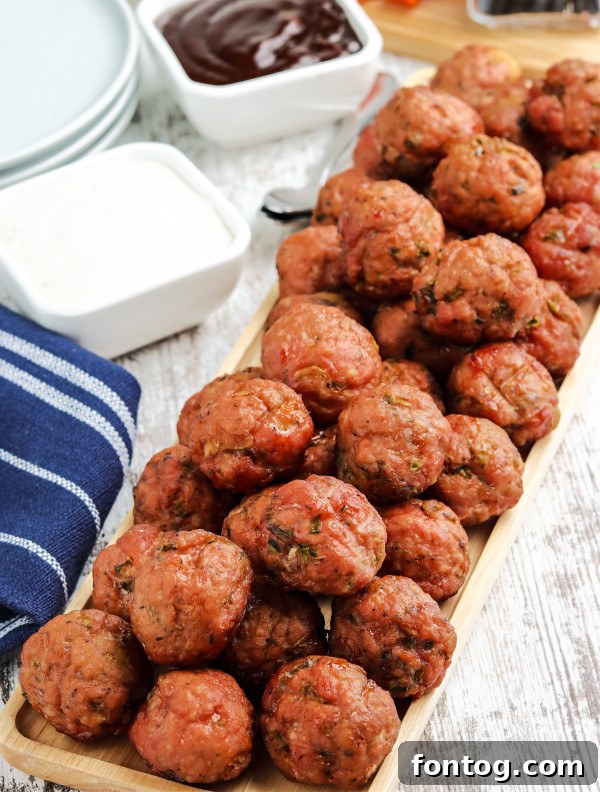
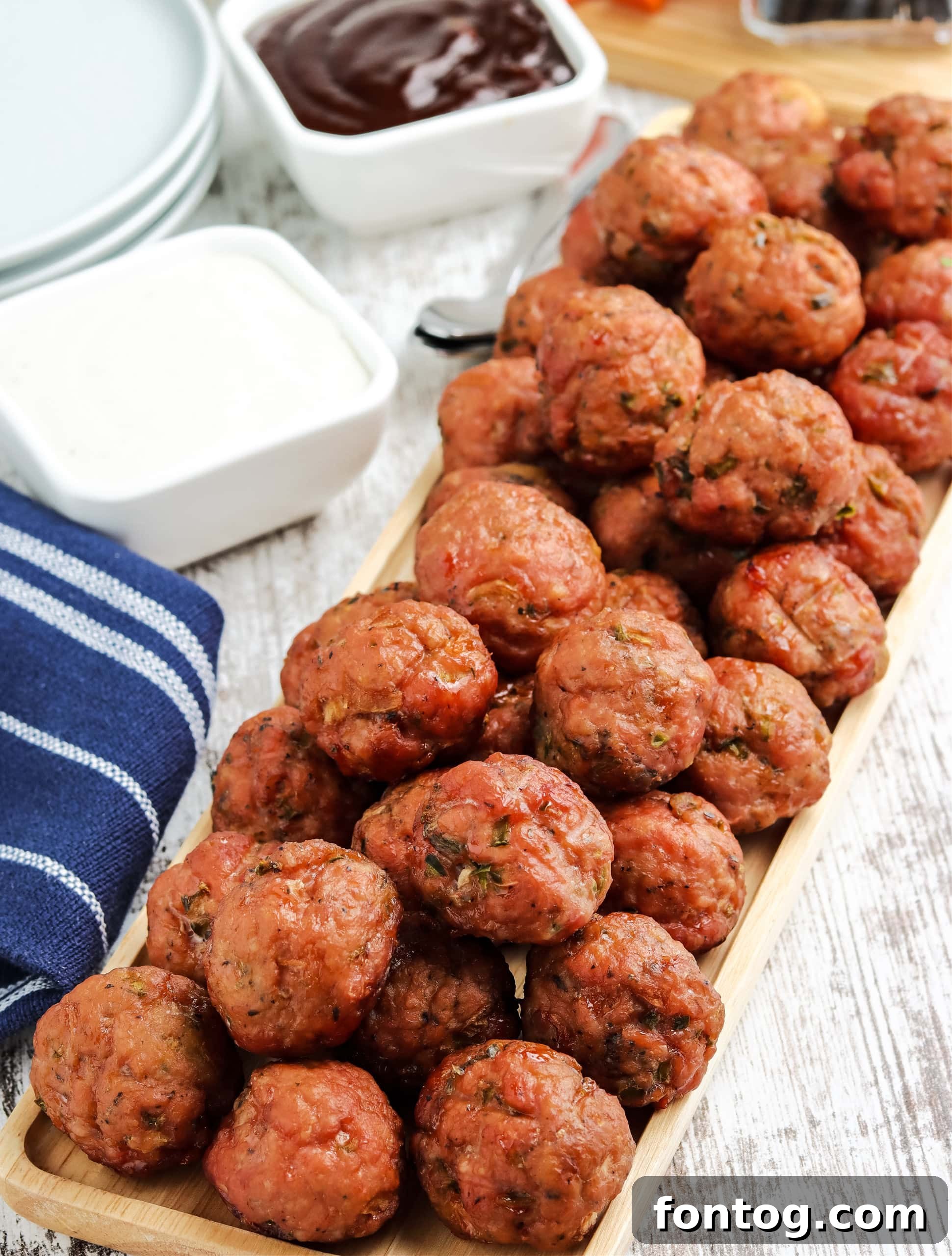
Smoked meatballs are undeniably perfect for parties or large gatherings. Their hearty nature and delicious aroma make them a crowd-pleaser. Serve them warm with a variety of dipping sauces. A classic choice is a rich and tangy homemade barbecue sauce, which complements the smoky notes beautifully. Other excellent options include a marinara sauce, a creamy aioli, or even a spicy sriracha mayo to add a kick. Their versatility means they can be served as a sophisticated appetizer or a satisfying main course.
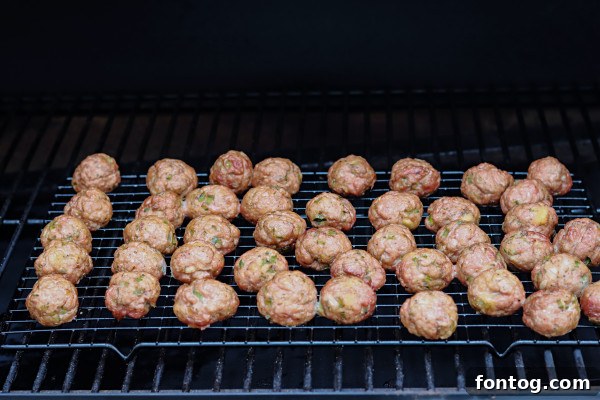
One critical aspect to remember is the preparation time. These meatballs require a few hours from start to finish, including a crucial chilling period in the fridge before they even hit the smoker. This resting period is not optional; it helps the meatballs firm up, preventing them from falling apart during the slow smoking process and ensuring they retain their spherical shape. Therefore, be sure to plan your time accordingly, allowing for at least 30 minutes of chilling and the subsequent smoking time. The patience exercised during preparation will be generously rewarded with superior texture and flavor.
Flavor is paramount, and ample seasoning is key to achieving truly delicious smoked meatballs. Don’t shy away from incorporating a generous amount of your favorite blends. For this recipe, we highly recommend a high-quality Italian Seasoning, which provides a balanced and aromatic profile. Beyond Italian seasoning, consider adding garlic powder, onion powder, paprika, or a touch of red pepper flakes for extra complexity. Fresh herbs like parsley or oregano can also brighten the overall taste. The goal is to build layers of flavor that will meld with the smoke for a truly unforgettable experience.
The inclusion of milk in this recipe serves a vital purpose: maintaining moisture. Smoking is a low-and-slow cooking method, which, while fantastic for flavor, can sometimes lead to dryness if not managed correctly. The milk helps to keep the meatballs incredibly juicy and tender throughout the extended smoking time, counteracting any tendency for the meat to dry out. This liquid component, along with the soaked bread, creates a moist environment within each meatball, ensuring a succulent bite every time. Avoiding overmixing the meatball mixture is also crucial; gentle handling prevents the meat from becoming tough, further contributing to a tender result.
Choosing the Perfect Wood Pellets for Smoked Meatballs
The type of wood pellets you choose for your pellet grill significantly impacts the final flavor profile of your smoked meatballs. Different woods impart distinct aromas and tastes, allowing you to customize your dish to your preference. Selecting the right pellet blend is key to achieving that signature smoky essence without overpowering the delicate flavors of the meatballs themselves.
For smoked meatballs, we generally favor a versatile blend of pellets. Many pellet manufacturers offer “competition” or “signature” blends that combine several wood types, providing a balanced, all-around smoky flavor that pairs well with most meats. These blends often include a mix of fruitwoods and hardwoods, creating a nuanced smoke that’s not too intense.
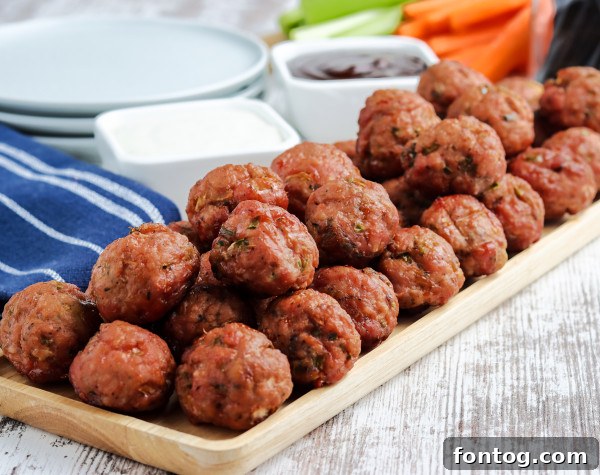
If you prefer to experiment with individual flavors, hickory and mesquite are excellent choices that tend to bring out the best in these meatballs. Hickory offers a strong, classic bacon-like smoky flavor that is very popular for red meats and pork. Mesquite provides an even more intense, earthy, and sometimes slightly bitter smoke, ideal if you’re looking for a bold, Southwestern-inspired taste. Both hickory and mesquite create a robust smoke ring and deep flavor that makes the meatballs pair exceptionally well, whether served on their own as an appetizer or incorporated into a hearty spaghetti dinner.
Other wood options to consider include apple or cherry wood pellets. These fruitwoods produce a milder, sweeter smoke that is less assertive than hickory or mesquite. They are fantastic if you want a subtle smoky background that allows the meatball’s seasonings to shine through, offering a lighter, more delicate flavor experience. Experimenting with different wood pellets is part of the fun of pellet grilling, allowing you to discover your favorite combinations and tailor the smoke intensity to your liking for a truly personalized meal.
Ensuring Perfect Doneness for Your Smoked Meatballs: Food Safety First
Achieving the ideal internal temperature for your smoked meatballs is crucial for both food safety and optimal taste and texture. Since all grills and smokers can vary slightly in temperature, relying on visual cues alone isn’t sufficient. The most reliable method to ensure your meatballs are perfectly cooked through is by using a high-quality meat thermometer.
Many modern pellet grills come equipped with integrated probe thermometers, which can be inserted into one of the meatballs to monitor its internal temperature throughout the smoking process. If your grill doesn’t have this feature, or if you prefer a more portable option, a reliable instant-read meat thermometer is an indispensable tool for any home cook. Simply insert the probe into the center of a meatball, making sure not to touch any bone (if using bone-in meat, which isn’t the case for meatballs).
For ground pork, the United States Department of Agriculture (USDA) recommends a minimum internal temperature of 160°F (71°C) to ensure it is safe to eat. Once your smoked meatballs reach this temperature, they are officially considered done. It’s advisable to check the temperature of several meatballs, especially if they vary slightly in size, to confirm even cooking.
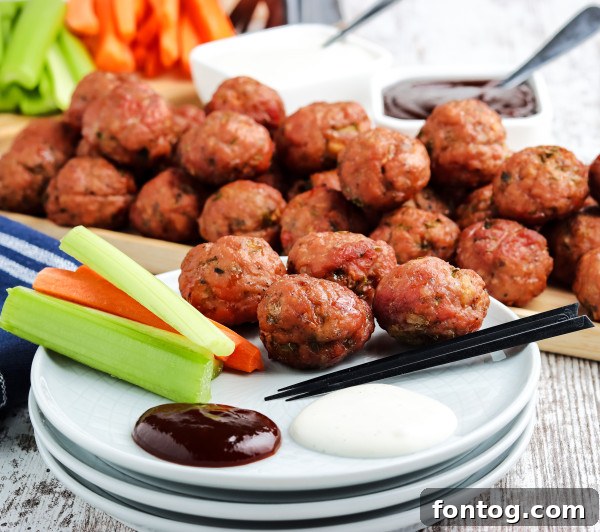
Remember that meat continues to cook slightly after it’s removed from the heat source, a phenomenon known as “carry-over cooking.” For meatballs, this effect is usually minimal due to their smaller size, but allowing them to rest under tented foil for 10-15 minutes after smoking is still beneficial. This resting period allows the juices to redistribute throughout the meat, resulting in an even juicier and more flavorful meatball. This final step is crucial for maximizing the tenderness and succulence that make smoked meatballs so irresistible.
Now that you’re armed with all the knowledge, it’s time to enjoy these incredible Smoked Meatballs!
If you’re looking for more exciting meatball recipes, be sure to check out these Chicken Firecracker Meatballs!
Kristy Still
Smoked Meatballs
Grilling
American
4
Servings
Pin Recipe
10 minutes
1 hour
30 minutes
1 hour
40 minutes
Ingredients
-
2
Pounds
Ground Pork -
2
Slices
White Bread or Gluten-Free Bread -
1/3
Cup
Milk -
1 1/2
Tsp
Italian Seasoning -
1/2
Tsp
Black Pepper -
1
Tsp
Salt -
1
Tbsp
Worcestershire Sauce -
3/4
Cup
Diced Onion (Small Onion) -
3/4
Cup
Diced Green Bell Pepper
Instructions
-
Tear bread into pea-sized pieces and place in a small bowl with milk, let it sit for 5 minutes.
-
Add the rest of the ingredients into a large bowl.
-
Add the milk-soaked bread to the large bowl.
-
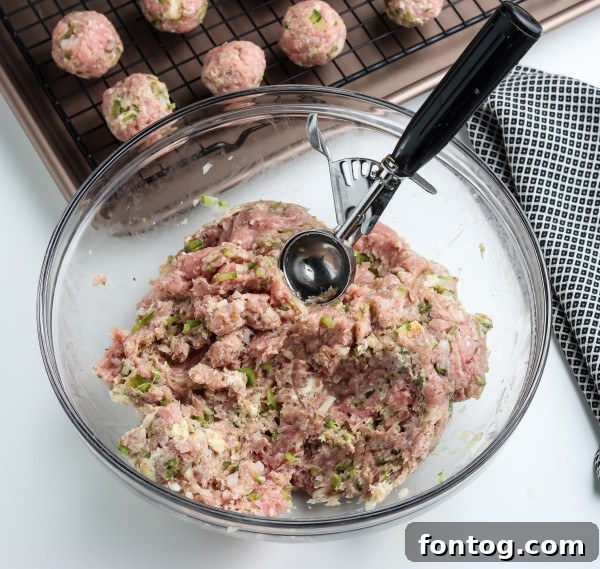
Mix all ingredients together with your hands, do not overmix.
-
Form meatballs into golf ball-sized balls and place on a lined baking sheet. Let these rest in the fridge for 30 minutes.
-
Preheat the smoker to 180°F. Use a signature blend of pellets, hickory, or mesquite.
-
Remove the meatballs from the fridge and transfer them to a baker’s rack or the meatball griller and place them onto the smoker for 30 minutes.
-
After 30 minutes increase the temperature to 225°F and smoke for another hour or until the internal temperature reaches at least 160°F.
-
Remove the meatballs from the smoker and rest them under tented foil for 10-15 minutes.
Notes
Nutrition
Serving:
1
Serving
|
Calories:
653
kcal
|
Carbohydrates:
9
g
|
Protein:
41
g
|
Fat:
49
g
|
Saturated Fat:
18
g
|
Polyunsaturated Fat:
5
g
|
Monounsaturated Fat:
22
g
|
Trans Fat:
0.01
g
|
Cholesterol:
166
mg
|
Sodium:
838
mg
|
Potassium:
748
mg
|
Fiber:
1
g
|
Sugar:
2
g
|
Vitamin A:
67
IU
|
Vitamin C:
2
mg
|
Calcium:
92
mg
|
Iron:
3
mg
Did you make this recipe?
We’d love to see your creations! Make sure to tag #mommyhatescooking on Instagram and follow us for more delicious ideas @momhatescooking.
Pin Recipe
Share on Facebook