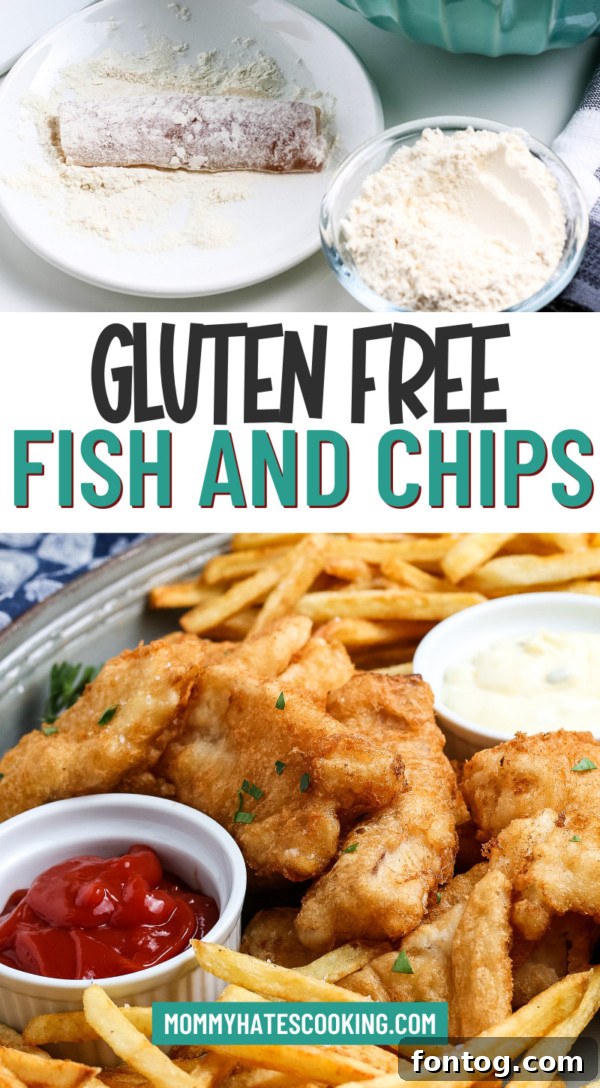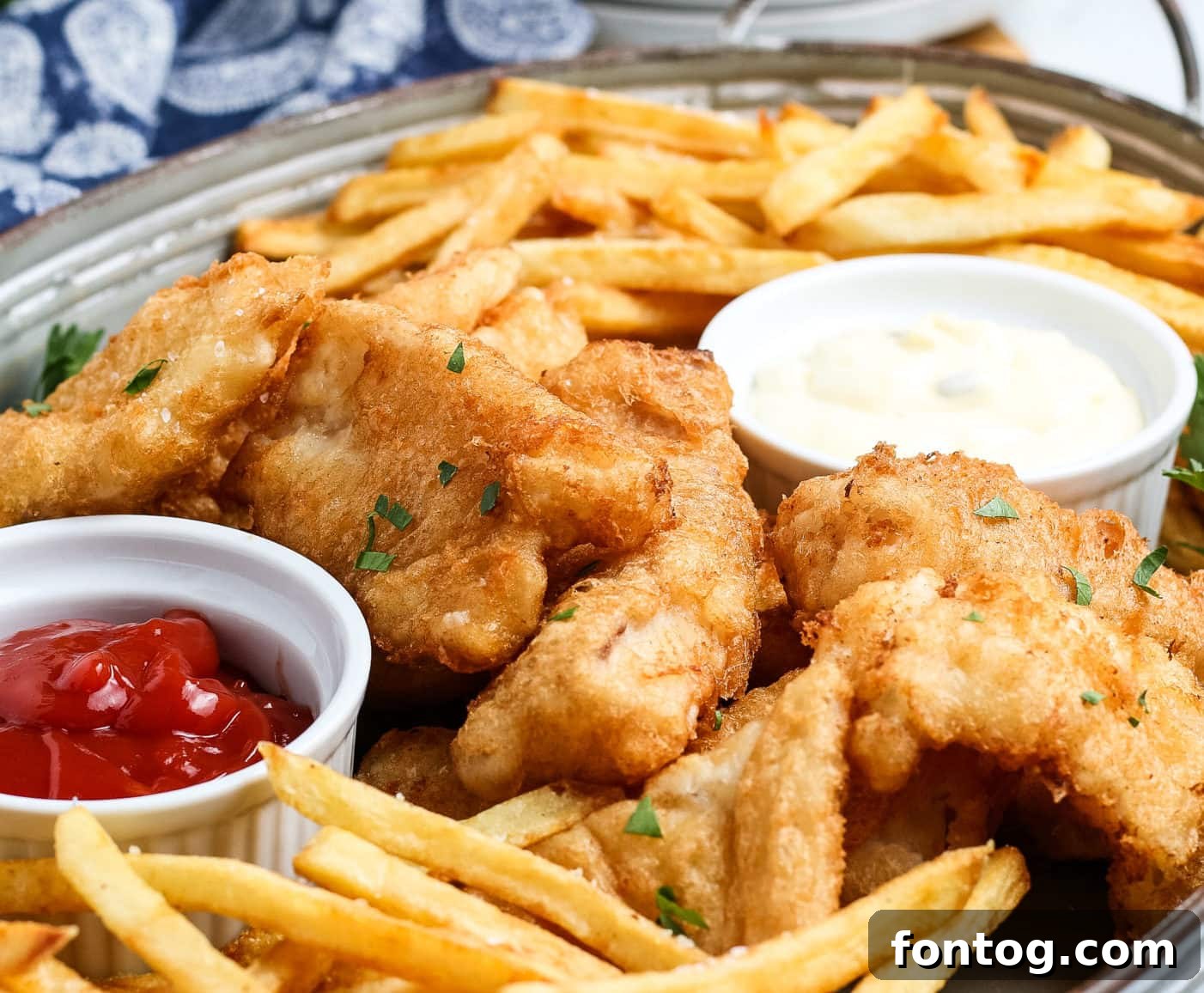
Crispy & Comforting: The Ultimate Gluten-Free Fish and Chips Recipe
Craving the classic taste of British fish and chips but need a gluten-free option? Look no further! This comprehensive guide brings you the ultimate **Gluten-Free Fish and Chips recipe**, designed to deliver that irresistible crispy texture and comforting flavor right to your dinner table. Forget soggy fish and bland fries – our recipe uses simple, accessible ingredients, like gluten-free all-purpose flour, to create a meal that’s truly the real deal.
Perfect for a family dinner, Lent, or any time you’re in the mood for traditional pub-style comfort food, this recipe proves that going gluten-free doesn’t mean sacrificing taste or crunch. We’ll walk you through every step, from selecting the best fish to mastering the two-stage frying technique for unbelievably crispy fish and perfectly golden homemade fries.
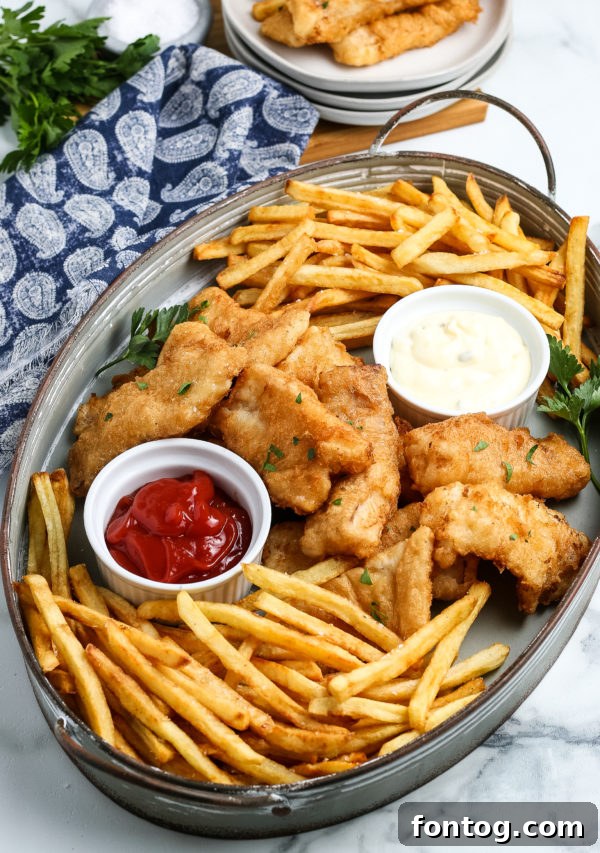
While this guide focuses on the traditional deep-fried method for maximum crispiness, we understand some prefer less oil. If you’re looking for a lighter alternative, be sure to explore options like Air Fried Fish, which offers a healthier twist on this beloved dish. However, for that authentic, satisfying crunch, our deep-fried method is unmatched.
The Secret to Gluten-Free Perfection: Ingredients Explained
Creating exceptional gluten-free fish and chips starts with understanding your ingredients. The beauty of this recipe lies in its simplicity; you won’t need any obscure, hard-to-find items. Most components are pantry staples, with just one key substitution to make it entirely gluten-free.
Essential Ingredients for Your Gluten-Free Fish and Chips
- Fish Fillets: The foundation of our dish. Opt for firm, white fish with mild flavor. Excellent choices include Cod, Pollock, Tilapia, Mahi Mahi, Haddock, or any other firm white fish you prefer. Fresh or previously frozen and properly thawed fillets will work best.
- Gluten-Free All-Purpose Flour: This is the star ingredient for our gluten-free batter. A 1:1 gluten-free all-purpose flour blend is crucial for achieving the right texture and consistency. Many reputable brands are available, often containing xanthan gum which helps with elasticity and binding in gluten-free baking and frying.
- Baking Powder: A leavening agent that creates air bubbles in the batter, contributing to that wonderfully light and crispy crust.
- Salt: Essential for seasoning both the fish and the fries. Adjust to your taste.
- Onion Powder & Garlic Powder: These aromatic spices infuse the batter with savory depth, complementing the natural flavors of the fish.
- Gluten-Free Beer or Milk: The liquid component of the batter. Gluten-free beer provides a light, airy texture and a subtle malty flavor, which is traditional in many fish and chips batters. If you prefer to avoid alcohol, or don’t have gluten-free beer on hand, regular milk can be used as an effective substitute, yielding a slightly denser but still delicious batter.
- Vegetable Oil: For frying. Choose a neutral-flavored oil with a high smoke point, such as canola, sunflower, or peanut oil. You’ll need enough to deep-fry both the fish and chips.
- Russet Potatoes: The ideal potato for making classic, fluffy-on-the-inside, crispy-on-the-outside french fries (or chips, as they’re known in the UK). Their high starch content makes them perfect for frying.
Making the Gluten-Free Switch
The only ingredient you absolutely need to swap for a gluten-free version is the all-purpose flour. When selecting your gluten-free all-purpose flour, look for blends labeled “1:1” or “cup-for-cup,” as these are specifically formulated to replace wheat flour in recipes with minimal adjustment. Many high-quality brands are excellent for frying, including King Arthur Gluten-Free All-Purpose Flour, Cup4Cup, Better Batter, or Bob’s Red Mill.
As mentioned, for the liquid in your batter, you have a choice. Traditional fish and chips batter often includes beer, which contributes to its light and airy texture. For a gluten-free version, simply opt for a gluten-free beer. If beer isn’t your preference or isn’t available, milk works wonderfully and provides a rich flavor to the batter.
Mastering the Fry: How to Make Gluten-Free Fish and Chips
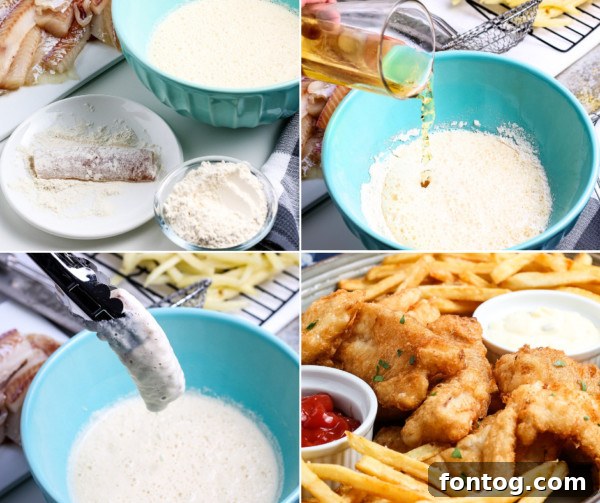
The secret to perfectly crispy fish and chips lies in a technique called two-stage frying for the potatoes and careful temperature management for both components. This ensures everything cooks thoroughly and achieves that coveted golden-brown crispness without becoming greasy.
You’ll start by preparing and partially frying the potatoes at a lower temperature. This cooks them through and begins to develop their texture. Once the potatoes are pre-cooked, you’ll prepare your fish batter and fry the fish at a higher temperature. Finally, the pre-cooked potatoes get a second, quick fry at a high temperature, making them incredibly crispy. This multi-step process guarantees the best results. Full detailed instructions are provided in the recipe card below.
Crafting the Perfect Gluten-Free Fish Batter
A light, airy, and crispy batter is key to authentic fish and chips. In a shallow bowl, whisk together your gluten-free all-purpose flour, baking powder, salt, onion powder, and garlic powder. Gradually add your chosen liquid – be it gluten-free beer or milk – mixing until you achieve a smooth batter that’s not too thick and not too thin. It should coat the back of a spoon.
Before dipping, lightly dust each fish fillet with a little extra gluten-free flour. This helps the batter adhere better to the fish, ensuring a consistent coating. Dip each floured fillet into the prepared batter, allowing any excess to drip off briefly. Immediately transfer the coated fish to the hot oil, maintaining a temperature of 370°F for optimal crispiness. Cook the fish until it’s beautifully golden brown and cooked through, typically 2-3 minutes per side, depending on thickness. Work in batches to avoid overcrowding the pan, which can drop the oil temperature and lead to soggy results.
Detailed Steps for Making Gluten-Free Fish and Chips
- Begin by preparing your chips: Peel and slice the Russet potatoes into uniform finger-sized pieces (about 1/4 to 1/2 inch thick).
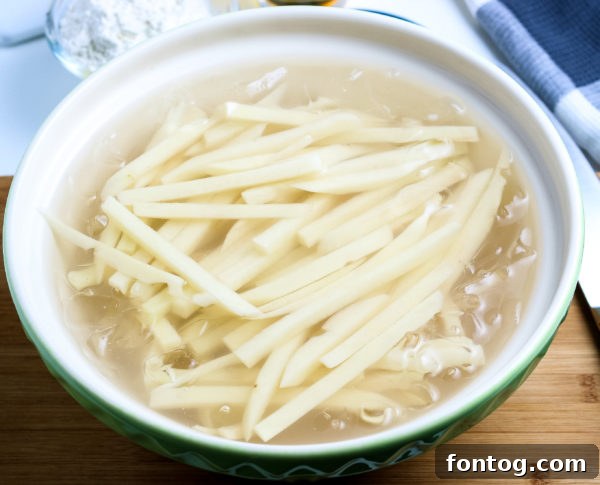
- Place the sliced potatoes in a large bowl and cover them with ice water. Let them soak for 20-30 minutes. This step is crucial as it removes excess starch, preventing them from sticking together and promoting extra crispiness.
- While potatoes soak, heat approximately 3-4 inches of vegetable oil in a deep, heavy skillet or a dedicated deep fryer to 330°F (165°C). A thermometer is essential for accuracy.
- After soaking, drain the potatoes thoroughly and pat them completely dry with a kitchen towel. Any residual water can cause the oil to splatter dangerously.
- Carefully, fry the potatoes in small batches (about 1 cup at a time) in the 330°F oil for approximately 2 minutes. The goal here is to cook them through without browning them. They should be slightly tender but not yet crispy.
- Using a slotted strainer, remove the partially cooked potatoes and spread them in a single layer over paper towels to drain excess oil. Repeat this process for all potatoes.
- Once all potatoes are pre-cooked, increase the oil temperature to 370°F (185°C).
- Now, prepare the fish batter: In a large bowl, whisk together the gluten-free all-purpose flour, baking powder, salt, onion powder, and garlic powder.
- Gradually whisk in the gluten-free beer or milk until a smooth, pancake-like batter forms. Ensure there are no lumps.
- Lightly dust your fish fillets with a little extra gluten-free flour. This helps the batter adhere evenly.
- Dip each floured fish fillet into the prepared batter, allowing any excess batter to drip off.
- Carefully lower the coated fish into the 370°F hot oil. Fry in batches, ensuring not to overcrowd the pan.
- Cook the fish for about 2-3 minutes per side, or until golden brown and cooked through. The internal temperature of the fish should reach 145°F (63°C).
- Remove the fried fish with a slotted strainer and drain over paper towels. Season lightly with salt immediately.
- To finish the chips: Return the pre-cooked potatoes to the 370°F oil.
- Fry for an additional 4-6 minutes, or until they are deeply golden brown and wonderfully crisp.
- Remove the crispy chips with a slotted strainer and drain over fresh paper towels. Season immediately with salt to taste.
- Serve your homemade Gluten-Free Fish and Chips hot and enjoy!
Achieving Crispy Homemade Gluten-Free Chips
Homemade chips are an integral part of the authentic fish and chips experience. Our recipe ensures your fries are perfectly golden and crispy on the outside, with a tender, fluffy interior. It all starts with the right potatoes and a crucial two-stage frying process.
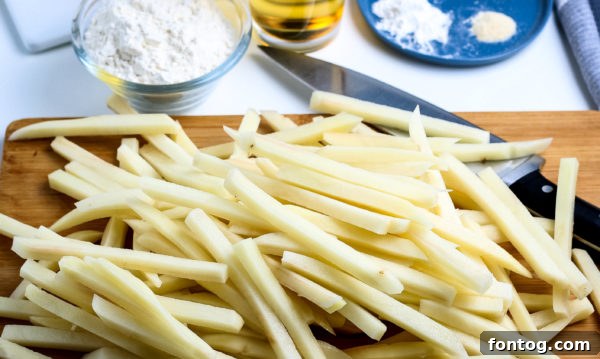
For the best chips, use Russet potatoes. Slice them into even “finger” shapes, ensuring consistent thickness for even cooking. Before frying, immerse the sliced potatoes in a bowl of ice water for at least 30 minutes. This cold water bath draws out excess starch, which is a common culprit for soggy fries. After soaking, it’s paramount to thoroughly dry the potatoes with a clean kitchen towel. Any moisture will cause the hot oil to splatter and prevent a truly crisp result.
The potatoes undergo a two-step frying process. First, they are fried at a lower temperature (around 330°F) until cooked through and slightly tender. They won’t be golden at this stage, but this initial fry ensures the interior is perfectly soft. After this first fry, they are removed from the oil. Once the fish is cooked, and the oil temperature is increased, the potatoes get their second fry at 370°F. This high-temperature finish is what gives them their beautiful golden color and irresistible crispiness.
Both the fish fillets and the chips will be fried in batches. This is crucial to maintain the oil temperature and ensure even cooking and crispiness. Using a deep-fry thermometer to monitor the oil temperature is highly recommended. Pay close attention throughout the frying process to prevent undercooked or burnt results.
Expert Tips for Flawless Gluten-Free Fish and Chips
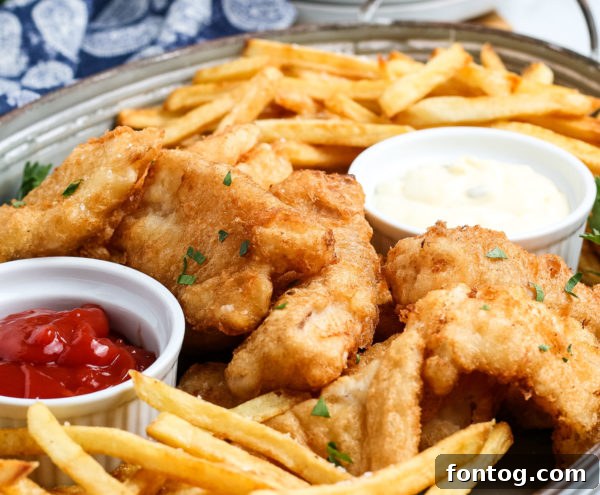
- Pat the Fish and Potatoes Dry: Before coating fish in flour or frying potatoes, ensure both are completely dry. Moisture is the enemy of crispiness and can cause oil to splatter. Drying helps the batter adhere better to the fish and ensures potatoes fry up truly crisp.
- Choose the Right Gluten-Free All-Purpose Flour: Not all gluten-free flours are created equal. For best results in frying, use a 1:1 gluten-free all-purpose flour blend that already contains xanthan gum. Xanthan gum acts as a binder, mimicking gluten’s elasticity and giving your batter a better, more robust texture that crisps beautifully.
- Do NOT Overcrowd the Pot: This is perhaps one of the most important rules for deep frying. Frying in small batches is essential. Overcrowding significantly drops the oil temperature, leading to greasy, soggy food instead of crisp, golden perfection. Give your fish and chips room to fry properly.
- Monitor Oil Temperature Closely: Consistency in oil temperature is crucial. Invest in a good deep-fry thermometer and use it. Too low, and food absorbs too much oil. Too high, and the outside burns before the inside cooks.
- Safe Oil Disposal: Once you’re done frying, allow the oil to cool completely back to room temperature. Never pour hot oil down the drain. Once cool, you can strain it and store it for reuse (if it’s not too dirty), or dispose of it responsibly in a sealed container with your regular trash.
- Season Immediately: Always season your fish and chips with salt as soon as they come out of the hot oil. The heat helps the salt stick and enhances the flavor.
- Don’t Skip the Soaking Step for Potatoes: Soaking potatoes in ice water removes excess starch, which prevents them from sticking together and ensures a crispier fry. Patting them thoroughly dry afterward is equally important.
Perfect Pairings: What to Serve with Fish and Chips
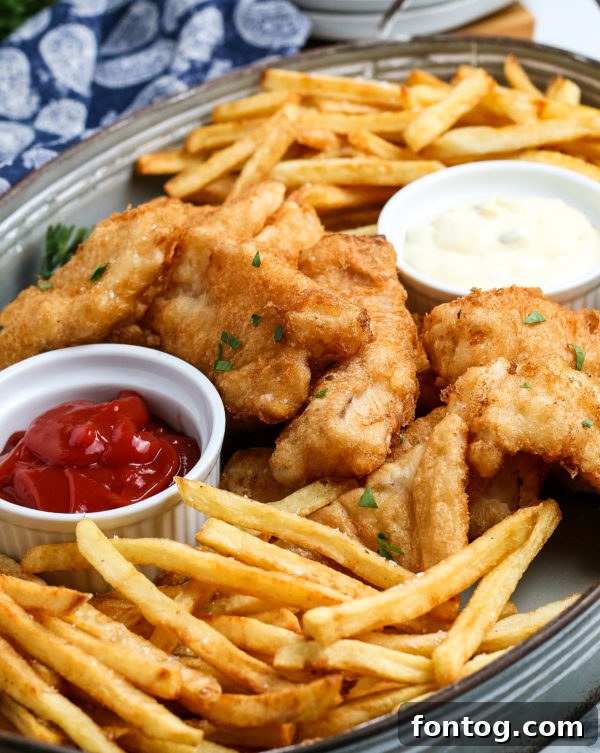
No plate of fish and chips is complete without its traditional accompaniments. These sides elevate the meal, adding freshness, tang, and additional texture.
- Easy Coleslaw: A creamy, tangy coleslaw provides a refreshing contrast to the rich fried elements.
- Homemade Tartar Sauce: A must-have! The bright, briny flavors of tartar sauce cut through the richness of the fried fish beautifully. Consider making your own gluten-free version for the freshest taste.
- Fresh Lemon Slices: A squeeze of fresh lemon juice over the hot fish brightens the flavor and adds a zesty kick. Serve with extra wedges for those who love a citrus burst.
- Gluten-Free Onion Rings: For an extra indulgence, crispy gluten-free onion rings make a fantastic addition to your spread.
- Mushy Peas: For a truly authentic British experience, don’t forget the mushy peas!
- Malt Vinegar: A drizzle of malt vinegar (ensure it’s gluten-free if needed, as some malt vinegars contain gluten) over your chips is a classic British touch.
If you’re feeling adventurous and want to add hush puppies to your meal, simply prepare their batter and fry them in the oil after the chips are done. They cook quickly and are a delightful addition.
Storing and Reheating Leftover Fish and Chips
While fish and chips are best enjoyed fresh, you might find yourself with leftovers. Proper storage and reheating can help maintain their deliciousness, though they may not be quite as crispy as when first made.
Once fully cooled, store any leftover fish and chips in an airtight container in the refrigerator for up to 2 days. To reheat, avoid the microwave if you want to retain some crispiness, as it tends to make fried food soggy. The best methods for reheating are:
- Air Fryer: Preheat your air fryer to 350°F (175°C). Place the fish and chips in a single layer in the air fryer basket and heat for 5-8 minutes, or until thoroughly heated through and crisp again.
- Oven: Preheat your oven to 375°F (190°C). Arrange the fish and chips on a baking sheet in a single layer. Bake for 10-15 minutes, flipping halfway through, until hot and crispy.
This **homemade gluten-free fish and chips** recipe truly delivers that classic, deep-fried crunch without the gluten. It’s the perfect solution for a special Lent meal, an easy weeknight dinner, or whenever you’re craving authentic pub-style comfort food that’s completely gluten-free!
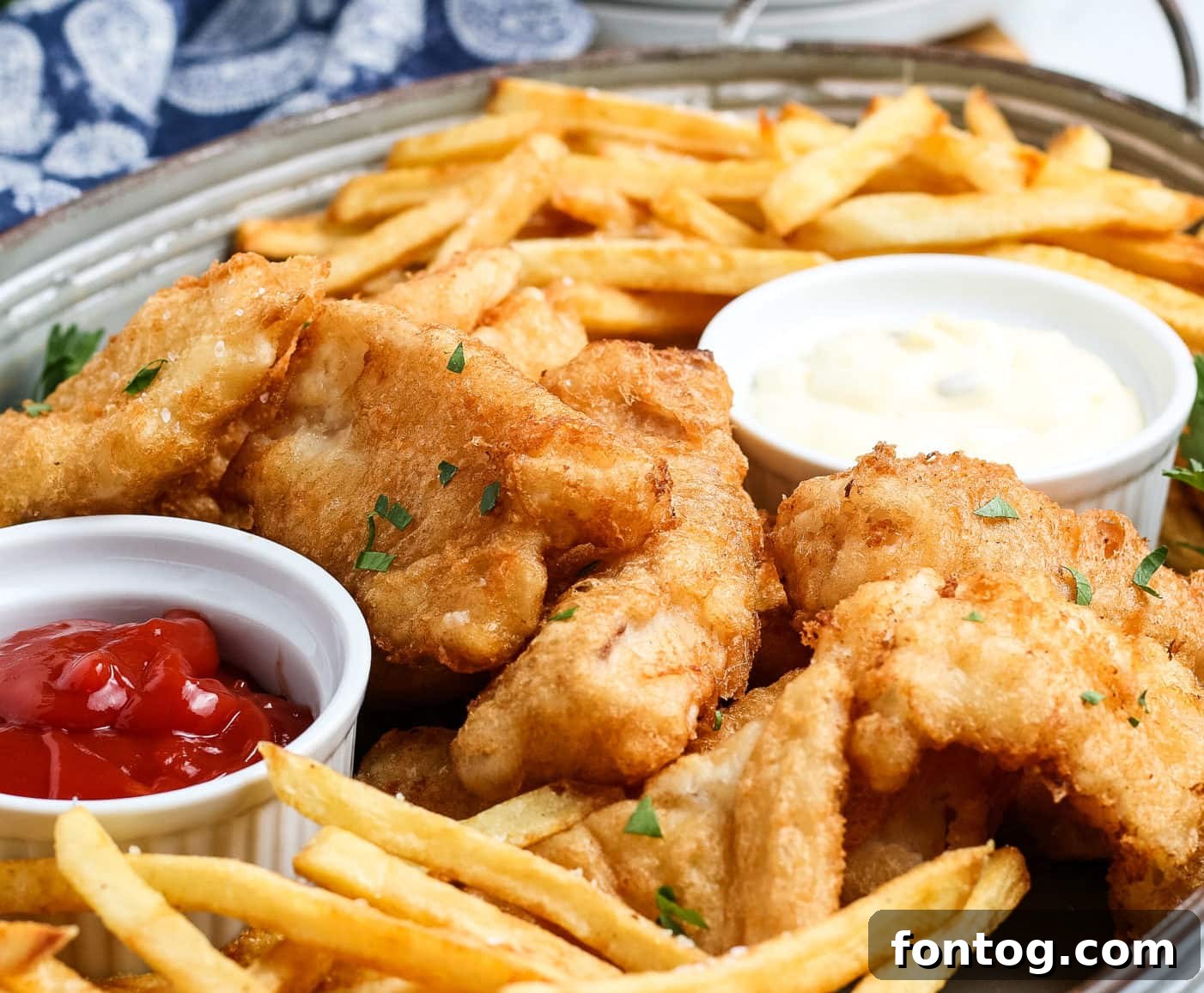
Gluten-Free Fish and Chips
Course Main Dish, Dinner
Cuisine American, British
Cuisine American
Servings 6
Pin Recipe
Prep Time 1 hr
Cook Time 30 mins
Total Time 1 hr 30 mins
Ingredients
Fish Recipe
- 6 Fish Fillets (Cod, Pollock, Tilapia, Haddock, Mahi Mahi, or White Fish of your choice)
- 1 Cup Gluten-Free All-Purpose Flour (or Regular All-Purpose Flour if not gluten-free)
- 1 Tsp Baking Powder
- 1 Tsp Salt
- 1/4 Tsp Onion Powder
- 1/4 Tsp Garlic Powder
- 12 oz Beer (Gluten-Free Beer or Milk for gluten-free option)
- Vegetable Oil (for frying)
Chips Recipe
- 4 Large Russet Potatoes (Peeled & Sliced into large fingers)
- Salt to Taste
Instructions
-
Place the sliced potatoes in a bowl of ice water for 20-30 minutes. This helps remove excess starch for crispier fries.
-
Heat the vegetable oil in a deep heavy skillet or deep fryer to 330°F (165°C). Use enough oil to submerge the chips and fish (about 3-4 inches).
-
Drain the potatoes thoroughly and pat them completely dry with a kitchen towel. This step is critical to prevent oil splattering and ensure crispiness.
-
Carefully, fry the potatoes in batches (about 1 cup at a time) in the 330°F oil for about 2 minutes. They should be slightly cooked but not yet golden.
-
Remove the partially cooked potatoes with a slotted strainer and drain them over paper towels.
-
Repeat the first frying step for all remaining potatoes.
-
Increase the oil temperature to 370°F (185°C) for frying the fish and the second fry for the chips.
-
In a large bowl, stir together the 1 cup of flour, baking powder, salt, onion powder, and garlic powder for the fish batter.
-
Next, gradually add in the beer (ensure it’s gluten-free for a GF recipe) or milk, whisking until a smooth batter forms.
-
Lightly dust the fish fillets with a little extra gluten-free flour, then toss to coat evenly. This helps the batter stick.
-
Dip the floured fillets into the batter, allowing any excess batter to drip off before frying.
-
Carefully add the battered fish to the oil, maintaining a temperature of 370°F (185°C). Fry in batches to avoid overcrowding.
-
Cook until the fish is golden brown and flaky, about 2-3 minutes per side, depending on thickness.
-
Remove the fried fish and drain over paper towels. Season lightly with salt immediately.
-
To finish the chips, return the pre-cooked potatoes to the 370°F (185°C) oil.
-
Fry until they are deeply golden brown and crisp, about 4 additional minutes.
-
Drain the crispy chips over paper towels and season generously with salt.
-
Serve immediately with your favorite sides and enjoy your homemade Gluten-Free Fish and Chips!
Notes
Nutrition
Serving: 1g
|
Calories: 495kcal
|
Carbohydrates: 62g
|
Protein: 47g
|
Fat: 5g
|
Saturated Fat: 1g
|
Polyunsaturated Fat: 3g
|
Cholesterol: 154mg
|
Sodium: 806mg
|
Fiber: 5g
|
Sugar: 2g
Did you make this recipe?
Make sure to tag #mommyhatescooking on Instagram and follow for more @momhatescooking
Pin Recipe
Share on Facebook