Navigating the Picky Eater Phase: Strategies for a Balanced Diet and Happy Mealtimes
For many parents, the journey of feeding a child begins with dreams of perfectly balanced meals and adventurous palates. As a first-time mom, I vividly recall meticulously monitoring my son’s diet, ensuring he received every essential food group. When he was a baby, it seemed effortlessly simple; he devoured almost everything I offered, from pureed vegetables to exotic fruit mashes. His acceptance of various flavors and textures was a source of great pride and reassurance, making me believe that establishing healthy eating habits would be one of the easier aspects of parenting.
Then, the infamous “terrible twos” arrived. What is it about this age that triggers such a dramatic shift in behavior, especially around food? Is it the burgeoning sense of independence, the mastery of the word “no,” or a sudden awareness of their own preferences? Whatever the reason, my wonderful little eater, who once embraced every bite with enthusiasm, transformed almost overnight into an extremely picky eater. The broad spectrum of foods he once enjoyed narrowed drastically, with meat and vegetables consistently relegated to the very bottom of his “acceptable foods” list.
Understanding the Picky Eater Phenomenon: Is It Normal?
If you’re grappling with a picky eater, take comfort in knowing you’re not alone. Picky eating is an incredibly common developmental phase, particularly between the ages of two and five. It often coincides with toddlers asserting their independence and developing stronger opinions about the world around them – and that includes what they put into their mouths. Children at this stage may also become more sensitive to textures, smells, and even the appearance of food. What seemed appetizing yesterday might be met with disdain today.
From an evolutionary perspective, some theories suggest that a natural wariness of new foods (neophobia) emerges in toddlers as a protective mechanism. As they become more mobile and independent, this caution might have prevented them from ingesting harmful substances in ancestral environments. While this instinct no longer serves the same purpose in our modern world, the underlying biological wiring can still influence their eating behaviors, making them hesitant to try unfamiliar items.
While frustrating, mild picky eating is generally a normal part of development. It’s a phase where children learn to communicate their likes and dislikes, and parents learn patience and creative problem-solving. However, it’s crucial to distinguish between typical picky eating and more severe issues. If your child’s pickiness leads to significant weight loss, nutrient deficiencies, or extreme distress during mealtimes, it’s always wise to consult with a pediatrician or a pediatric nutritionist. They can offer guidance and ensure there are no underlying medical or developmental concerns.
The Ongoing Challenge: Ensuring a Balanced Diet Amidst Pickiness
Even with an understanding of the pickiness phase, the daily challenge of ensuring a balanced diet remains paramount for parents. Despite my son’s newfound selectiveness, I still strive to offer him well-rounded meals that include protein (meat, cheese, yogurt), carbohydrates (bread, crackers, pretzels), and essential fats. However, I’ve also learned to accept that his palate is his own, and forcing him to eat foods he vehemently dislikes only leads to power struggles and mealtime misery.
I know not everyone agrees with this approach, but for us, it has been key to maintaining a peaceful dining environment. My son, for instance, will not touch vegetables of any kind if he can see them. This has spurred my creativity in finding ways to discreetly incorporate them into his diet. Yet, when he goes to school, where stealth is often impossible, I send him with fruits that I know he enjoys and will readily eat. It’s a compromise, but it ensures he gets vital nutrients without undue stress.
Interestingly, my son’s preferences are almost a mirror opposite of my own. I have never been a big fan of fruit; in fact, I’m allergic to several, and I could easily go days without eating any. Vegetables, however, are a staple I adore. My son, conversely, can’t get enough fruit but views vegetables with extreme suspicion. This contrast has taught me the importance of not imposing my own food preferences on him and instead focusing on providing diverse, nutritious options that appeal to his unique tastes.
Effective Strategies for Nurturing Healthy Eaters
Navigating the picky eater years requires patience, creativity, and a toolkit of effective strategies. Here are some approaches that have worked wonders for our family, helping us to ensure a balanced intake while keeping mealtime battles at bay:
1. Offer Choices and Involve Them
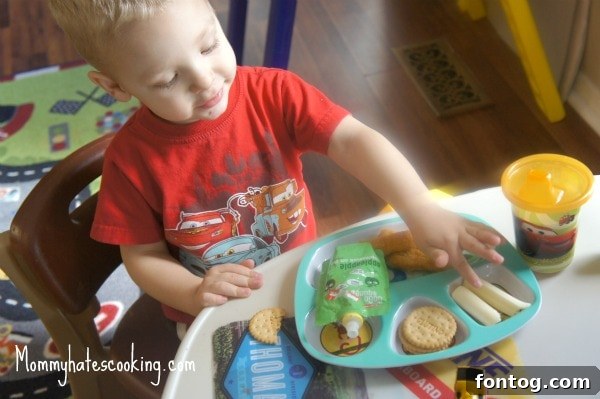
Giving children a sense of control can significantly reduce resistance. I’ve found that using divider plates makes mealtime feel like a “smorgasbord” for my son. He loves identifying each item on his plate and often chooses what to eat first. Beyond presentation, involve them in the process: “Do you want carrots or cucumbers with dinner?” or “Which apple should we buy at the grocery store?” Even small choices empower them and increase their willingness to try. Inviting them to help with simple meal prep, like washing vegetables or stirring ingredients, can also foster a positive connection to food.
2. Master the Art of “Sneaky Veggies”
When direct attempts fail, stealth can be a parent’s best friend. This strategy isn’t about deception, but rather about ensuring essential nutrients are consumed. You can blend spinach into fruit smoothies, grate zucchini or carrots into muffins, meatballs, or pasta sauces, and even finely chop mushrooms into tacos or quesadillas. Cauliflower, when cooked and pureed, can be mixed into mashed potatoes, mac and cheese, or even pizza sauce without altering the taste or texture significantly. The key is to introduce them in ways that are virtually undetectable, gradually exposing their bodies to these vital nutrients.
3. Presentation Matters: Make Food Fun
Children are highly visual, and appealing presentation can make a world of difference. Cut sandwiches into fun shapes with cookie cutters, arrange fruits and vegetables to look like faces or animals, or serve colorful dishes. Offering food on colorful plates or with fun utensils can also add an element of playfulness to mealtimes, making the experience more inviting and less intimidating.
4. Persistence Without Pressure
It can take multiple exposures – sometimes 10 to 15 or even more – for a child to accept a new food. Continue to offer a wide variety of foods, even if they’ve been rejected before. The “no thank you bite” rule can be helpful: encourage them to at least try a tiny portion. However, never force a child to eat something they dislike, as this can create negative associations with food and mealtime. The goal is positive exposure, not coercion.
5. Lead by Example
Children are excellent imitators. When they see you enjoying a variety of healthy foods, they are more likely to emulate your behavior. Make family meals a regular occurrence, where everyone eats the same meal and demonstrates positive eating habits. Talk about the flavors and textures of the food you’re eating, modeling appreciation for different ingredients.
6. Structure Meal and Snack Times
Establish a routine for meals and snacks, and stick to it. This helps regulate appetite and prevents grazing throughout the day, which can diminish hunger at mealtime. Offer water between meals, and avoid giving juice or sugary drinks that can fill them up without providing substantial nutrition.
7. Don’t Make Food a Battleground
Emotional tension around food can exacerbate picky eating. Try to keep mealtimes calm and positive. If a child refuses to eat, remove the plate without judgment and avoid offering alternatives, which can reinforce pickiness. They will eat when they are hungry. Remember, your role is to offer nutritious food; it’s the child’s role to decide how much and whether to eat it.
Go-To Meal Ideas for Picky Palates
When it comes to meals, especially lunches, convenience and kid-friendliness are often key. For protein, we typically stick to quick and familiar items. Lunch meats, pepperoni slices, crispy bacon, and savory sausages are often on the menu. More recently, my son has started to warm up to Tyson’s 100% All Natural Chicken Nuggets, which is a significant breakthrough considering his selective palate even extends to chicken nuggets! Of course, his absolute favorites remain my homemade chicken nuggets and crispy catfish, so those make frequent appearances too. These protein sources are fantastic for growing kids, providing essential amino acids and energy.
Beyond these, consider incorporating other familiar and comforting foods: mini pizzas on whole wheat pitas, cheese and whole-grain crackers, yogurt parfaits with berries, scrambled eggs with a sprinkle of cheese, or even deconstructed meals where components are served separately (e.g., a plate with diced chicken, some cooked pasta, and a few grapes). The goal is to offer recognizable, appealing items while subtly introducing new flavors or textures when possible.
Tried-and-True Picky Eater Recipes
To further assist parents navigating these challenging years, I wanted to share a few specific recipes that have been successful in our household for covertly adding nutrition to kid-friendly favorites. These dishes are designed to be appealing to even the most discerning palates while secretly packing in some much-needed vitamins and minerals:
-
Spinach Smoothie: This vibrant green drink is a fantastic way to incorporate leafy greens without your child even knowing it. The sweetness of fruit like bananas and berries effectively masks the spinach flavor, creating a delicious and nutrient-packed beverage perfect for breakfast or a snack.
-
Pea Pancakes: Who knew peas could be so versatile? These pancakes offer a fun, slightly sweet way to sneak in a serving of vegetables. The mild flavor of peas blends seamlessly with pancake batter, and the familiar pancake form factor makes them an instant hit.
-
Corn Dog Muffins: A delightful twist on a classic, these muffins combine the comfort of a corn dog with the convenience of a muffin. They’re easy for little hands to hold, and you can easily add finely grated carrots or zucchini to the corn muffin batter for an extra boost of hidden nutrients.
These recipes demonstrate that with a little creativity, it’s entirely possible to enhance the nutritional value of your child’s meals without a fuss. Remember, every small victory counts when it comes to healthy eating for picky eaters.
Beyond the Plate: Fostering a Positive Food Environment
While specific strategies and recipes are invaluable, fostering an overall positive and stress-free food environment is equally important. Family meals, where possible, offer an opportunity for connection and modeling good eating habits. Encourage conversations that aren’t centered solely on food consumption (“Eat your broccoli!”), but rather on the day’s events, silly stories, or future plans. Minimize distractions like screens during mealtimes, allowing children to focus on their food and their bodies’ hunger cues.
Patience is perhaps the most important ingredient. The picky eater phase can feel endless, but it is typically temporary. Focus on progress, not perfection. Celebrate small steps, like trying a new food, even if it’s just a tiny bite. Your calm and consistent approach will lay a foundation for healthier eating habits in the long run, even if the immediate results aren’t always what you hoped for.
Join the Conversation: Share Your Picky Eater Wisdom!
Now, I would absolutely love to hear from you! What are your tried-and-true methods for ensuring your child maintains a balanced diet despite their pickiness? How do you creatively make sure they consume the proper amounts of fruits and veggies? Share your ingenious tips and tricks with our community! Join the conversation below and you could make a real difference, not just for other parents, but for a local community. Tyson will select a winner from the comments, and in the winner’s name, will donate a generous $500 to a local food bank. This is a wonderful opportunity to contribute to a great cause while sharing your valuable parenting insights!
And while you’re sharing your wisdom, be sure to also “Give a Smile” with your kids by showing off their best faces while eating Tyson’s 100% All Natural Chicken Nuggets. Your child’s adorable nugget face could potentially appear in major publications like People Magazine, Parents Magazine, and even on the iconic screens of Times Square! Head over to Give a Smile, Show us your Nugget Face and enter today for a chance at these incredible features!
This is a sponsored conversation written by me on behalf of Tyson Nuggets. The opinions and text are all mine. For full details on the sweepstakes, please refer to the Official Sweepstakes Rules.