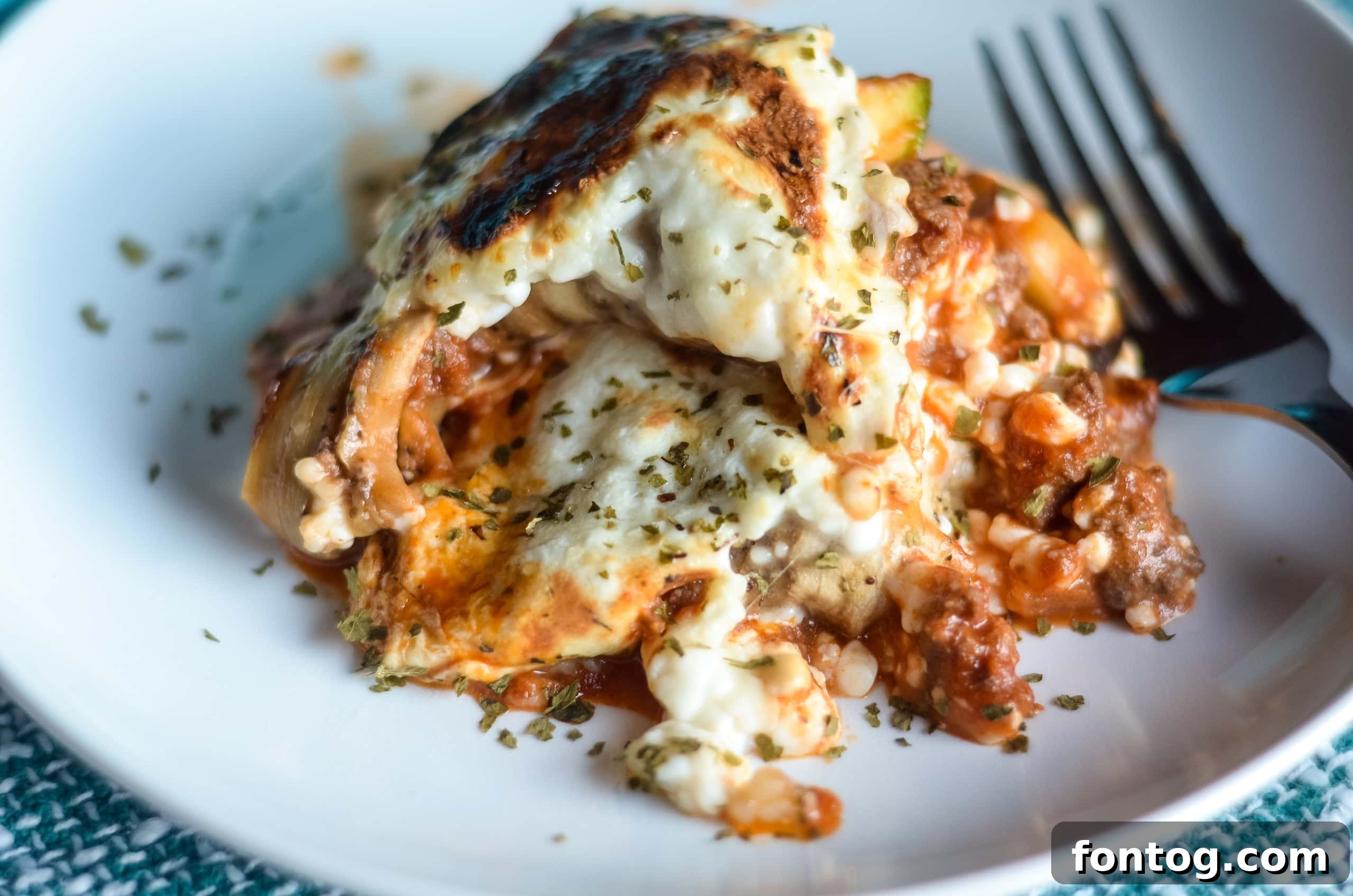
Discover the Deliciousness of Low-Carb Eggplant Lasagna
Are you searching for a delectable, satisfying, yet low-carb meal that doesn’t compromise on flavor? Look no further than Eggplant Lasagna! This classic dish, reimagined for a healthier lifestyle, serves as an excellent gluten-free alternative to traditional pasta-based lasagna. Over the years, I’ve perfected this recipe, discovering that the secret to a truly outstanding eggplant lasagna lies in one crucial step: the initial preparation of the eggplant itself. Mastering this technique ensures a firm texture and prevents the common pitfall of a watery final dish.
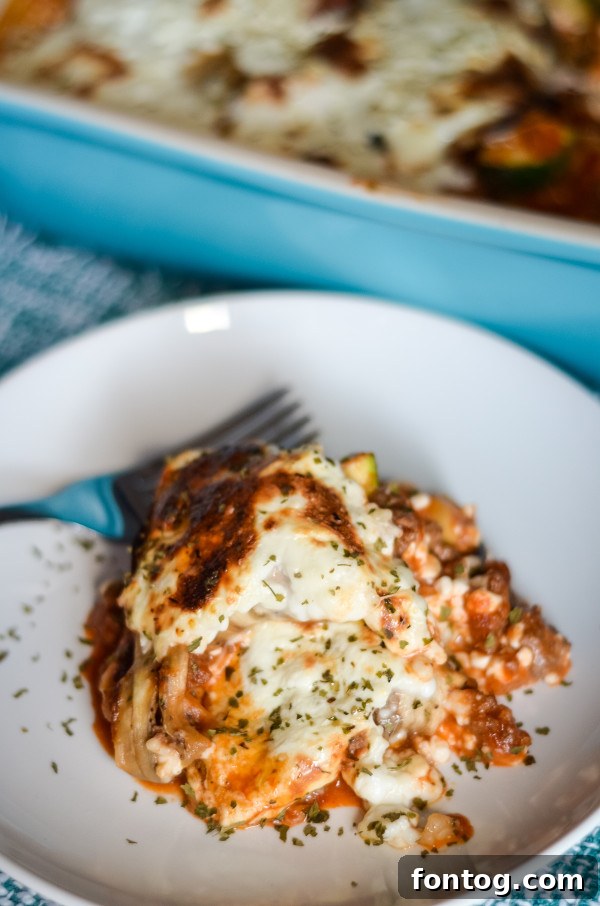
This recipe transforms a comfort food staple into a guilt-free pleasure, allowing you to enjoy rich, savory layers of meat, cheese, and tender eggplant without the carb overload. It’s a fantastic option for those adhering to ketogenic, low-carb, or gluten-free diets, proving that healthy eating can indeed be incredibly tasty.
Mastering Eggplant Preparation for Perfect Lasagna
Proper eggplant preparation is the cornerstone of a successful eggplant lasagna. Eggplants are naturally high in water content, and if not handled correctly, this moisture can release during baking, turning your beautiful lasagna into a soupy mess. For this recipe, I typically use one large eggplant, though you can certainly use two if you desire a thicker, more eggplant-dense lasagna or are cooking for more people.
Here’s a detailed breakdown of how to prepare your eggplant:
- Cleaning and Slicing: Begin by washing your eggplant thoroughly. Trim off both ends. Then, using a sharp knife or a mandoline slicer, carefully slice the eggplant lengthwise into uniform 1/4-inch thick strips. Consistency in thickness is key for even cooking.
- Salting (Optional but Recommended): Many chefs swear by salting eggplant to draw out excess moisture and reduce any potential bitterness. Lay the sliced eggplant strips in a single layer on a cooling rack set over a baking sheet. Lightly sprinkle both sides with kosher salt. Let them sit for about 30 minutes. You’ll notice beads of moisture forming on the surface. Gently pat the eggplant dry with paper towels to remove the moisture and excess salt before proceeding to the next step.
- Pre-Roasting for Best Results: Whether you salted your eggplant or not, pre-roasting is a game-changer. Lightly grease a large baking sheet with grapeseed oil, olive oil spray, or your preferred cooking oil. Arrange the eggplant slices in a single layer on the prepared sheet, ensuring they don’t overlap.
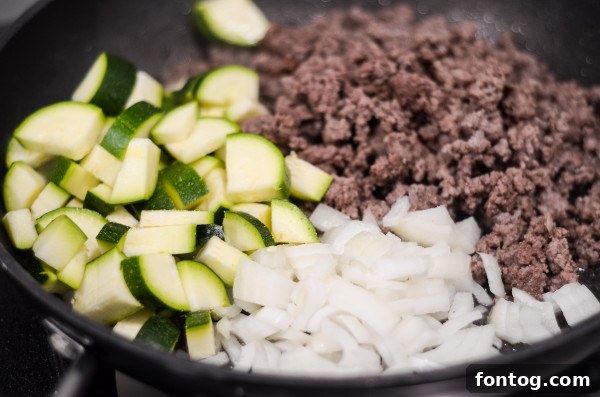
Roast the eggplant in a preheated oven at 400°F (200°C) for approximately 20 minutes, or until the slices are tender and slightly golden brown. This roasting process achieves two critical goals: it further removes moisture, and it begins to cook the eggplant, giving it a delightful texture and slightly caramelized flavor that will shine in your lasagna. Without this crucial step, your lasagna risks becoming watery and losing its structural integrity.
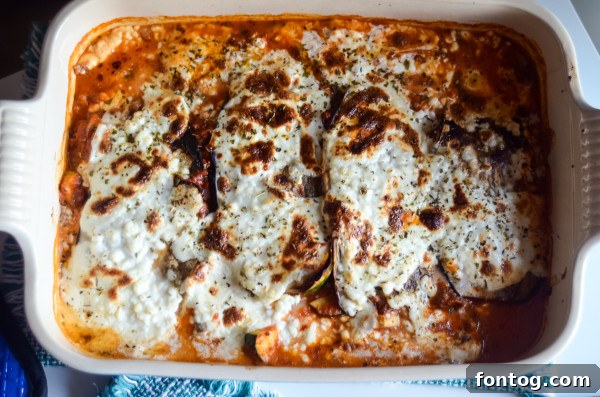
Essential Tips for a Perfectly Layered and Flavorful Eggplant Lasagna
Beyond the eggplant, a few other considerations will elevate your low-carb lasagna. This particular recipe embraces a clever swap, using cottage cheese instead of traditional ricotta, and highlights the importance of fresh mozzarella. These choices contribute to both the flavor profile and the overall success of the dish.
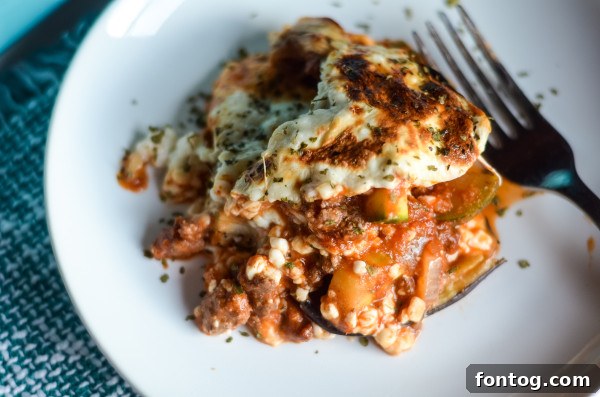
Choosing Your Cheeses:
- Cottage Cheese vs. Ricotta: While ricotta is common in lasagna, cottage cheese offers a lighter, protein-rich alternative that works wonderfully in low-carb recipes. Its curd texture provides a satisfying mouthfeel and integrates beautifully with the other layers. Choose a full-fat cottage cheese for richer flavor and creaminess.
- Fresh Mozzarella: The use of fresh mozzarella adds a luxurious melt and authentic Italian flavor. However, fresh mozzarella is packed in liquid, which can contribute to a watery lasagna. It is absolutely critical to remove as much moisture as possible from the fresh mozzarella before layering it into your dish. Simply place the mozzarella slices or shredded cheese between several layers of paper towels and press firmly. Repeat this process until minimal moisture remains. This step, combined with proper eggplant preparation, will significantly reduce the chances of a watery outcome.
Many home cooks find their eggplant lasagna turns out watery, and it’s almost always due to the high water content of both the eggplant and the cheese. By addressing these two moisture sources upfront, you set yourself up for a perfectly structured and delicious meal.
Troubleshooting: What to Do If Your Lasagna is Watery
Even with the best intentions and careful preparation, sometimes a lasagna can still surprise you with excess liquid. It’s a common challenge, but easily manageable. The primary reasons, as discussed, are insufficient moisture removal from the eggplant and fresh mozzarella. However, if you find your finished eggplant lasagna has a little too much liquid, don’t fret! There are simple solutions.
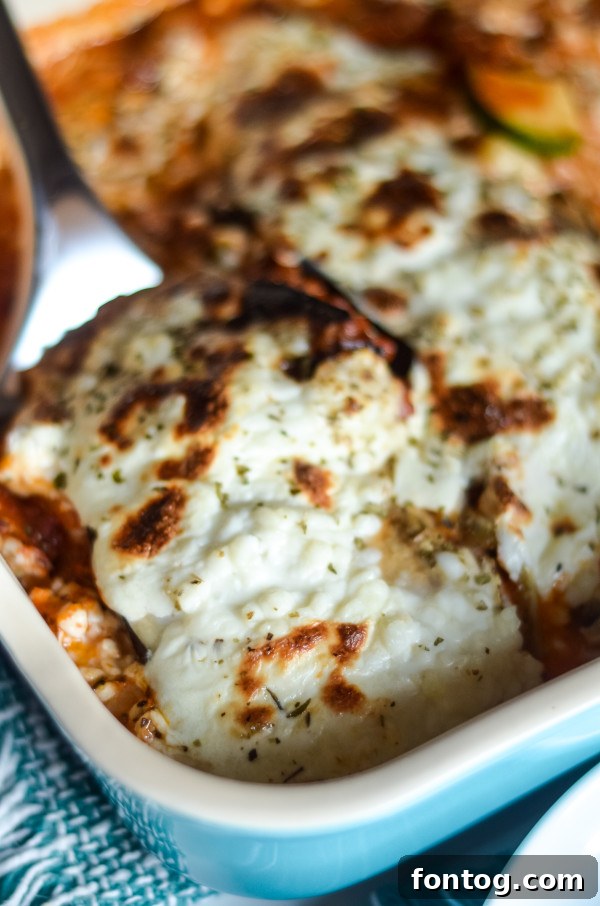
If you notice excess water pooling around your lasagna after it’s baked, gently use a spoon or a small ladle to carefully remove any visible liquid. This will prevent your individual servings from being too wet. More importantly, allow the eggplant lasagna to rest. Let it sit at room temperature for at least 15-20 minutes, or even in the fridge for a longer period if you can wait. As the lasagna cools, the remaining liquids will naturally decrease and the dish will firm up significantly, allowing the layers to set and making it much easier to slice and serve cleanly. Patience is a virtue when serving lasagna!
Serving Your Delicious Eggplant Lasagna
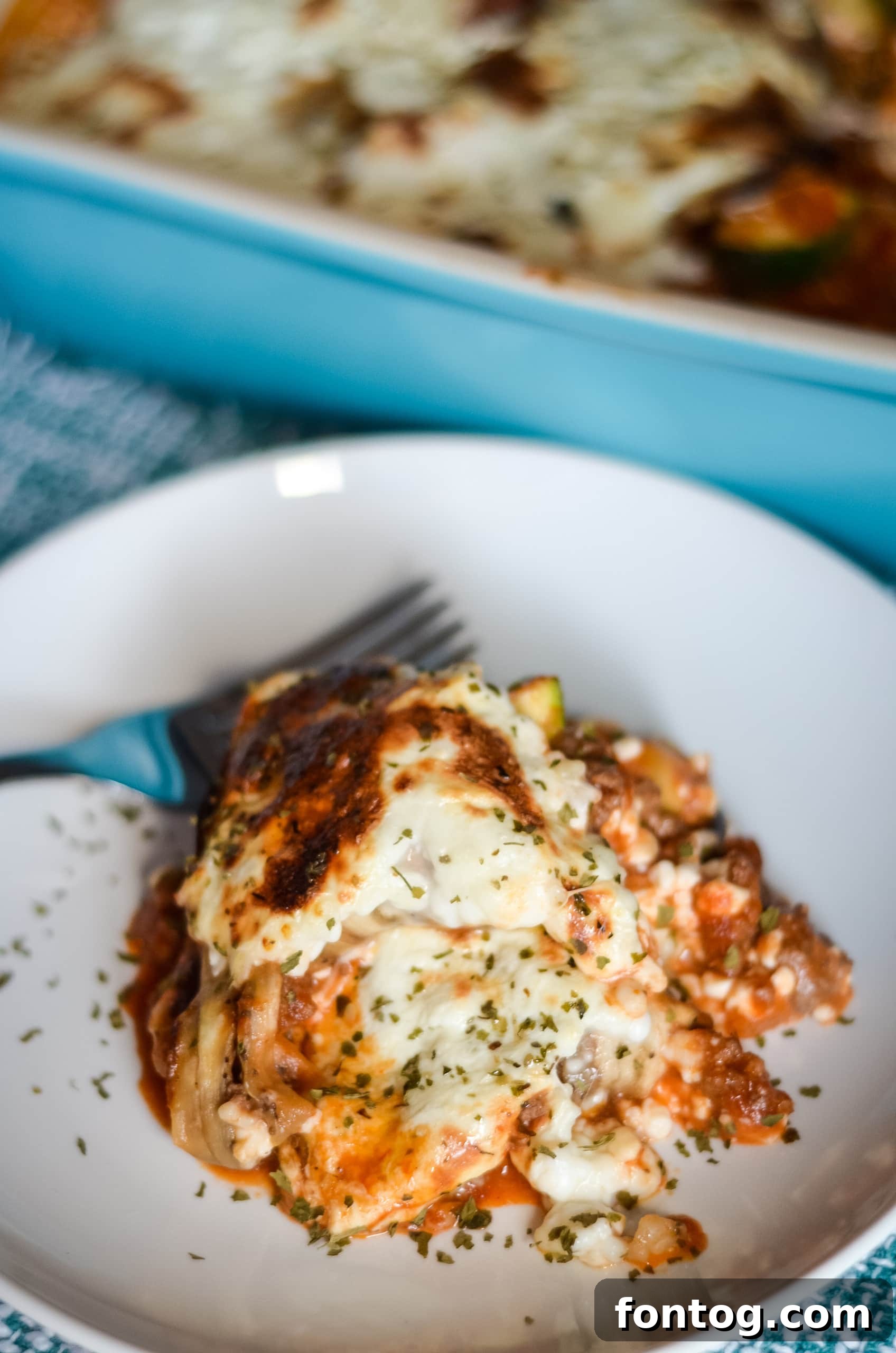
Eggplant lasagna is incredibly versatile and makes for a fantastic meal whether served as a hearty main course on its own or paired with a light side. Once your lasagna has rested and firmed up, you can cut it into generous portions, just like a traditional pasta lasagna.
For a complete and balanced meal, consider serving it alongside a fresh, crisp green salad with a light vinaigrette. The bright acidity and crunch of the salad will beautifully complement the rich, savory flavors of the lasagna. A side of steamed green beans or roasted asparagus would also be excellent low-carb additions.

This recipe is a wonderful way to incorporate more vegetables into your diet, offering a filling and nutritious dish that everyone will love. Its robust flavors and satisfying layers make it a perfect choice for family dinners, meal prepping, or even entertaining guests.
If you enjoyed making this recipe, be sure to explore other eggplant-inspired dishes like Air Fried Eggplant for a quick and crispy side, or a classic Eggplant Parmigiana, another fantastic low-carb option!
★
★
★
★
Eggplant Lasagna
📌 Pin Recipe
Ingredients
- 1 Eggplant (Sliced Lengthwise, 1/8in thick)
- 1 Tsp Kosher Salt
- 1 Lb Ground Beef or Turkey
- 1/4 Cup Sweet Onion (Diced)
- 1 Zucchini Squash (Diced)
- 26 oz Marinara Sauce
- 1 Tbsp Italian Seasoning
- 24 oz Cottage Cheese
- 8oz Fresh Mozzarella Cheese
- Parsley to Garnish
Instructions
-
Preheat your oven to 400°F (200°C).
-
Slice the eggplant lengthwise into 1/4-inch thick strips. Place them on a greased baking sheet and season evenly with kosher salt.
-
Roast the eggplant in the preheated oven for 20 minutes at 400°F (200°C), or until it’s tender and slightly browned. This helps remove excess moisture.
-
While the eggplant roasts, brown the ground beef or turkey in a large skillet over medium-high heat.
-
Once the meat is browned, drain any excess fat and return it to the skillet.
-
Add the diced sweet onion, zucchini squash, marinara sauce, and Italian seasoning to the skillet with the meat. Stir well and let it warm through for about 5-10 minutes, allowing the flavors to meld.
-
Prepare a 9×13-inch baking dish by coating it with cooking spray. This is where you’ll assemble your lasagna.
-
Begin the first layer by spreading half of the meat mixture evenly across the bottom of the prepared dish.
-
Next, dollop half of the cottage cheese over the meat mixture, spreading it gently.
-
Carefully arrange a layer of the roasted eggplant slices on top of the cottage cheese. Repeat these layers: remaining meat mixture, then remaining cottage cheese, and finally the last layer of eggplant.
-
For the top layer, cover the dish with freshly sliced or shredded mozzarella cheese. Remember to press the fresh mozzarella between paper towels beforehand to remove as much water as possible.
-
Bake the lasagna in the 400°F (200°C) oven for 20 minutes. Then, switch your oven to Broil for about 5 minutes, or until the cheese is bubbly and beautifully golden brown. Keep a close eye on it during broiling to prevent burning.
-
Carefully remove the lasagna from the oven and let it cool for 5-10 minutes before serving. This crucial resting period allows the layers to set, making it easier to slice and prevents it from becoming watery. Garnish with fresh parsley if desired.
Nutrition
Calories: 366kcal |
Carbohydrates: 17g |
Protein: 29g |
Fat: 21g |
Saturated Fat: 8g |
Polyunsaturated Fat: 1g |
Monounsaturated Fat: 8g |
Trans Fat: 1g |
Cholesterol: 74mg |
Sodium: 1003mg |
Potassium: 966mg |
Fiber: 5g |
Sugar: 11g |
Vitamin A: 797IU |
Vitamin C: 16mg |
Calcium: 158mg |
Iron: 3mg
Did you make this recipe?
Make sure to tag #mommyhatescooking on Instagram and follow for more @momhatescooking
📌 Pin Recipe
Share on Facebook