Thriving Garden: Essential Summer Tips & Celebrating Your Bounty
There’s nothing quite as rewarding as stepping into your backyard and harvesting fresh, vibrant produce straight from your own garden. The journey from seed to plate is filled with lessons, challenges, and immense satisfaction. As the summer sun shines brightly, our gardens are bustling with life, both desired and undesired. In this comprehensive guide, we’ll delve into crucial summer gardening tips to ensure a bountiful yield, tackle common challenges like garden pests, and celebrate the delicious fruits (and vegetables!) of our labor.
Conquering Garden Pests: A Battle for Your Harvest
One of the persistent adversaries many gardeners face, particularly in the warmer months, is the dreaded squash bug. These resilient pests can wreak havoc on your squash, zucchini, and pumpkin plants, sucking the sap from leaves and stems, ultimately leading to wilting and plant death. We’ve had our fair share of struggles, losing several promising squash plants to their relentless feasting. It’s a stark reminder that proactive and safe pest control is not just an option, but a necessity for a successful harvest.
Effective & Safe Pest Management Strategies
- Early Detection is Key: Regularly inspect your plants, especially the undersides of leaves, for squash bug eggs (small, bronze-colored clusters) and nymphs. The earlier you spot them, the easier they are to manage.
- Hand-Picking: For smaller infestations, hand-picking adult bugs and dropping them into a bucket of soapy water is an effective, organic method. This is best done in the early morning when bugs are less active.
- Egg Removal: Scrape off or crush any egg clusters you find. This significantly reduces the next generation of pests.
- Insecticidal Soap: A natural insecticidal soap spray can be effective against nymphs, but less so on adult squash bugs. Ensure it covers the bugs directly.
- Neem Oil: Derived from the neem tree, this organic pesticide disrupts the pests’ feeding and reproductive cycles. It’s safe for beneficial insects once dry.
- Companion Planting: Certain plants can deter squash bugs. Try planting nasturtiums, marigolds, or radishes near your squash plants.
- Garden Cleanliness: Remove plant debris and weeds, which can serve as hiding places for pests and their eggs.
- Crop Rotation: If possible, avoid planting squash in the same spot year after year to break the pest cycle.
While losing a few plants can be disheartening, remember that pest management is an ongoing part of gardening. Learning to identify and tackle these issues safely ensures that the rest of your garden goodies can continue to flourish.
The Lifeblood of Your Garden: Mastering Summer Watering
Another fundamental, yet often overlooked, aspect of summer gardening is proper watering. It might seem like common sense, but getting it right is crucial, especially when the heat begins to soar. Your precious plants and developing vegetables are incredibly thirsty during the warmer months, and consistent, adequate hydration is paramount for their survival and productivity.
Optimal Watering Practices for a Thriving Garden
- Deep and Infrequent: Instead of light, frequent sprinkles, aim for deep watering. This encourages roots to grow deeper, making plants more resilient to dry spells. Water until the soil is moist to a depth of 6-8 inches.
- Timing is Everything: The best time to water is early morning. This allows the water to penetrate the soil before the sun’s intensity causes excessive evaporation, and foliage has time to dry before nightfall, reducing the risk of fungal diseases.
- Monitor Soil Moisture: Don’t just water on a schedule. Stick your finger into the soil about an inch or two deep. If it feels dry, it’s time to water. Different plants have different water needs.
- Mulching Magic: Apply a layer of organic mulch (like straw, wood chips, or shredded leaves) around your plants. Mulch helps retain soil moisture, suppresses weeds, and regulates soil temperature.
- Targeted Watering: Water the base of your plants rather than overhead. Overhead watering can lead to leaf diseases and also wastes water through evaporation. Drip irrigation or soaker hoses are excellent for efficient, targeted watering.
- Container Gardens: Plants in pots dry out much faster than those in the ground. They will likely need daily, sometimes even twice-daily, watering during hot weather.
Neglecting proper watering can lead to stunted growth, blossom drop, poor fruit development, and increased susceptibility to pests and diseases. A well-hydrated garden is a happy, productive garden.
Celebrating the Summer Harvest: From Onions to Blackberries
Despite the challenges, the joys of a summer garden truly shine through when it’s time to harvest. This season has brought forth a delightful bounty, reminding us why we dedicate our time and effort to nurturing these plants.
An Abundance of Onions
Our onion patch has truly outdone itself this year, producing an incredible number of bulbs! While I didn’t manage to snap a perfect picture of the entire haul, rest assured, we have TONS. Homegrown onions boast a pungent, fresh flavor that elevates any dish. We’ve already put them to good use, infusing their robust taste into various meals. One of my favorite ways to utilize them is in a fresh batch of homemade restaurant-style salsa – the crisp bite of fresh onion is indispensable!
Beyond salsa, these versatile alliums are fantastic for caramelizing, adding depth to soups and stews, roasting alongside other vegetables, or simply slicing thinly for sandwiches and salads. Stored properly in a cool, dry, dark, and well-ventilated space, our onion harvest will keep us cooking for weeks to come.
Cucumbers: Cool and Crisp Delights
While our squash struggled, our cucumber plants have thrived beautifully! We’ve already picked our first ready-to-eat cucumber, and the promise of several more on the way is incredibly exciting. There’s nothing quite like the refreshing crunch of a homegrown cucumber on a hot summer day. Whether sliced into a vibrant salad, added to a sandwich, or used to infuse water for a spa-like refreshment, cucumbers are a staple in our summer kitchen. We’re also looking forward to making some fresh pickles if the harvest continues to be abundant!
Tomatoes: Garden Gems in All Shapes and Sizes
Our tomato plants are coming up nicely, dotted with an increasing number of ripening fruits! The taste of a sun-warmed, freshly picked tomato is incomparable. I had a few of these little beauties in a salad over the weekend, and they were pure heaven – like nature’s candy! Homegrown tomatoes redefine what a tomato should taste like, offering a complexity of flavor that supermarket varieties simply can’t match.
And then there are these magnificent specimens – our Big Daddy tomatoes! Can you tell why they earned their name? Wow! These colossal, meaty tomatoes are perfect for slicing. Last weekend, we used some of the ripe ones on our hamburgers, and they were absolutely delicious. Even as someone who isn’t usually a fan of plain tomatoes, I find that when they’re fresh out of the garden, their taste is profoundly superior. The vibrant acidity and sweetness are perfectly balanced, making them a star ingredient. Beyond burgers and salads, these big tomatoes are fantastic for homemade sauces, bruschetta, or a classic Caprese salad.
Blackberries: Sweet Berries of Summer
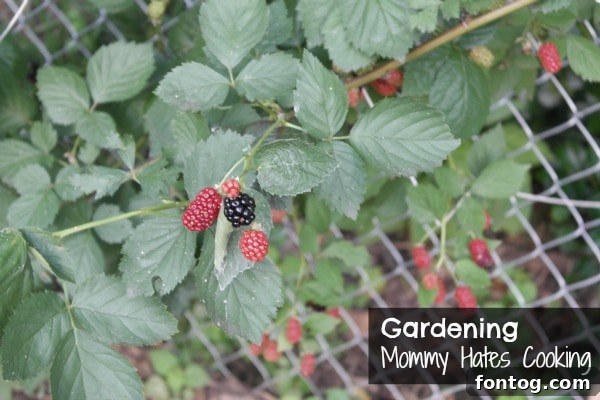
Rounding out our harvest tour are the blackberries! These dark, juicy berries are practically candy to my husband. I’m pretty sure he just picks them straight off the plant and eats them while he’s tending to the garden – a true testament to their irresistible freshness. As for me, I’m not typically a fruit person, so I usually prefer my berries mixed into something delicious before I can fully enjoy them. My absolute favorite way to use these garden treasures is in a warm, comforting blackberry cobbler. The sweet-tart burst of berries baked under a golden crust is pure bliss.
Blackberries are also fantastic for making jams, jellies, pies, smoothies, or as a topping for yogurt and oatmeal. They’re not only delicious but also packed with antioxidants and vitamins, making them a healthy addition to your diet.
Beyond the Harvest: Nurturing Your Garden’s Health
While celebrating the harvest is delightful, continuous care ensures ongoing success. Remember to:
- Maintain Soil Health: Regularly amend your soil with compost to replenish nutrients. Healthy soil leads to healthy plants.
- Weed Regularly: Weeds compete with your plants for water, nutrients, and sunlight. Stay on top of weeding to give your cultivated plants the best chance.
- Fertilize as Needed: Depending on your soil and plant types, supplementary feeding might be necessary. Use organic fertilizers tailored to your plants’ needs.
- Support Tall Plants: Tomatoes, cucumbers, and some berry bushes benefit from staking, caging, or trellising to support their growth and keep fruit off the ground.
Join the Conversation: Share Your Garden Stories!
Gardening is a journey of continuous learning and sharing. We’ve shared our tips and triumphs; now we want to hear from you!
What delightful produce are you currently growing in your garden? How are your gardens doing this summer? Have you encountered any particular challenges or discovered ingenious solutions you’d like to share? Drop a comment below and let us know your gardening adventures!
Need more delicious ways to use your garden bounty? Explore a wide array of culinary inspirations in the Recipe Index by Mommy Hates Cooking.
Disclosure: This post contains Amazon Affiliate links. If you make a purchase through these links, I may earn a small commission at no extra cost to you, which helps support this blog.