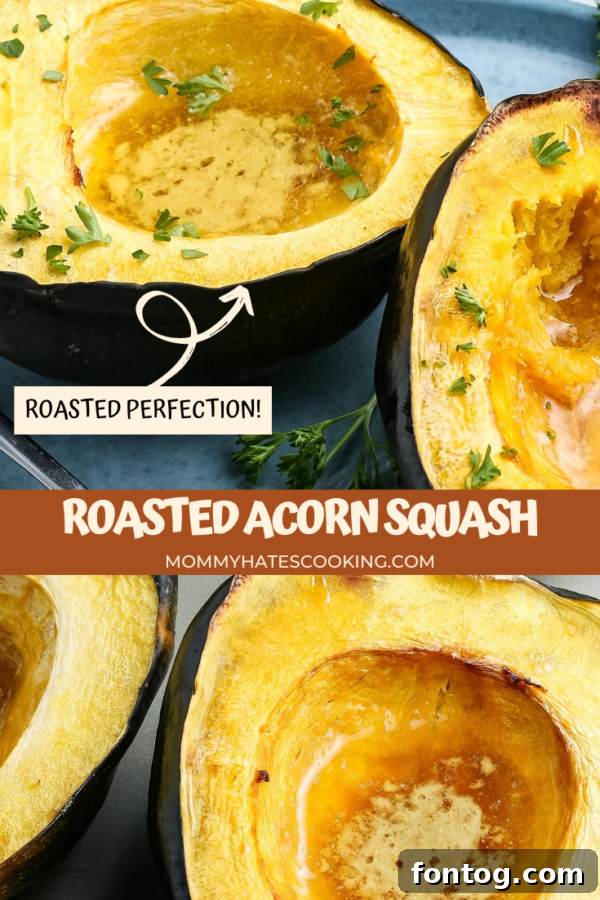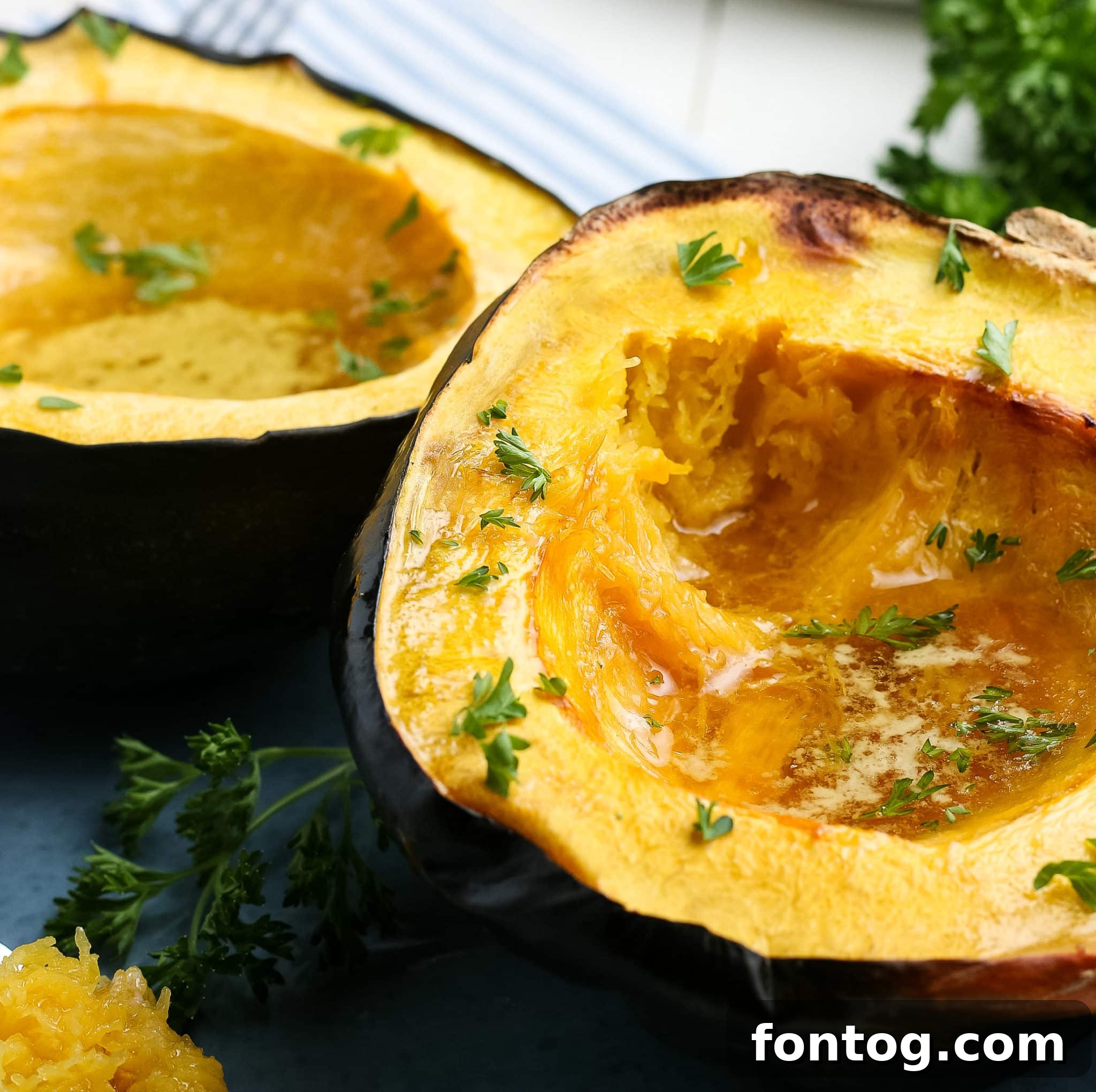
Roasted Acorn Squash: A Delightful and Healthy Fall Side Dish
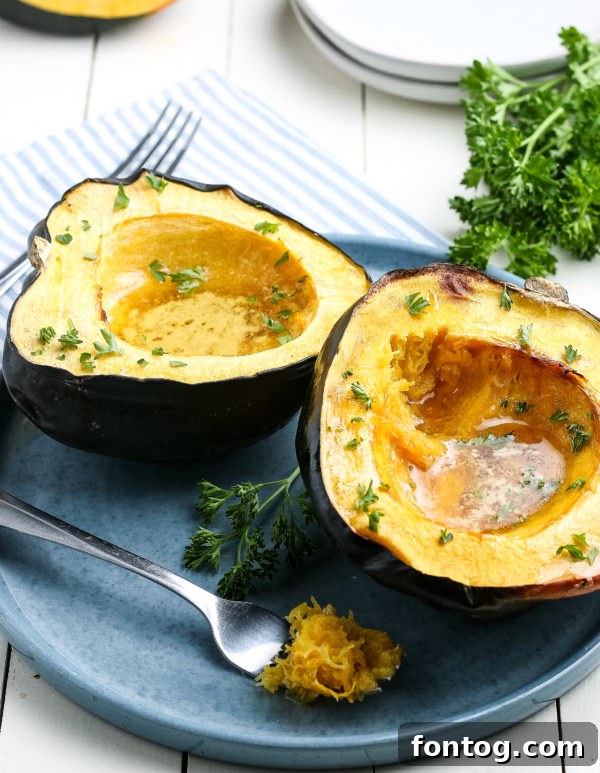
As the cooler days of autumn arrive and leaves burst into vibrant colors, our kitchens naturally turn towards hearty and comforting seasonal fare. Among the many culinary treasures of fall, Roasted Acorn Squash stands out as an absolute classic. This humble winter squash, with its distinctive shape and rich, earthy flavor, transforms into a wonderfully sweet and savory sensation when baked to perfection. It’s not just a side dish; it’s a statement of seasonal celebration, making it an indispensable addition to your weeknight meals or a show-stopping feature on your Thanksgiving table.
The beauty of roasted acorn squash lies in its simplicity and profound flavor. With minimal effort and a few pantry staples, you can create a dish that is both elegant and incredibly satisfying. Its naturally sweet flesh caramelizes beautifully, creating a tender texture and a comforting aroma that fills your home. Whether you’re a seasoned chef or a novice in the kitchen, this recipe promises an easy journey to a truly delightful culinary experience that perfectly captures the essence of autumn.
The Nutritional Powerhouse: Why Acorn Squash is a Superfood for Fall
While often cherished for its delicious taste, acorn squash is also a remarkable nutritional asset, making it one of the healthiest choices within the squash family. Each serving is densely packed with essential vitamins, minerals, and dietary fiber, contributing significantly to a balanced and wholesome diet. This makes it an excellent option for those looking to enhance their nutrient intake during the colder months.
Just one cup of cooked acorn squash can provide a substantial amount of Vitamin C, a powerful antioxidant vital for immune function and skin health. It’s also an excellent source of Vitamin A, primarily in the form of beta-carotene, which is crucial for vision and cell growth. Furthermore, it’s rich in potassium, an electrolyte that supports heart health and blood pressure regulation, and a good source of dietary fiber, promoting healthy digestion and helping to maintain stable blood sugar levels. The fiber content also contributes to feelings of satiety, making it a valuable food for weight management. Additionally, acorn squash offers a spectrum of other beneficial nutrients, including magnesium, manganese, and several B vitamins, all playing key roles in energy metabolism and overall well-being. Incorporating this vibrant vegetable into your diet is a simple yet effective way to nourish your body with wholesome goodness.
If you enjoy exploring other winter squash varieties, you might also like to try our recipes for Roasted Butternut Squash or Air Fryer Butternut Squash, offering diverse flavors and cooking methods for your seasonal table.
Mastering the Perfect Roast: Tips for Selecting and Preparing Acorn Squash
Achieving a perfectly roasted acorn squash begins long before it ever touches the oven. The secret to a truly outstanding dish lies in selecting a ripe, high-quality squash. When you’re at the market, look for acorn squashes that boast a deep, dark green color. A small, lighter patch where it rested on the ground is perfectly normal, but extensive orange coloration typically indicates an overripe squash, which may have stringy flesh. Feel the skin; it should be firm and hard, with no soft spots, bruises, or cracks. A squash that feels heavy for its size is usually a good sign, indicating a dense, moist flesh that will roast beautifully.
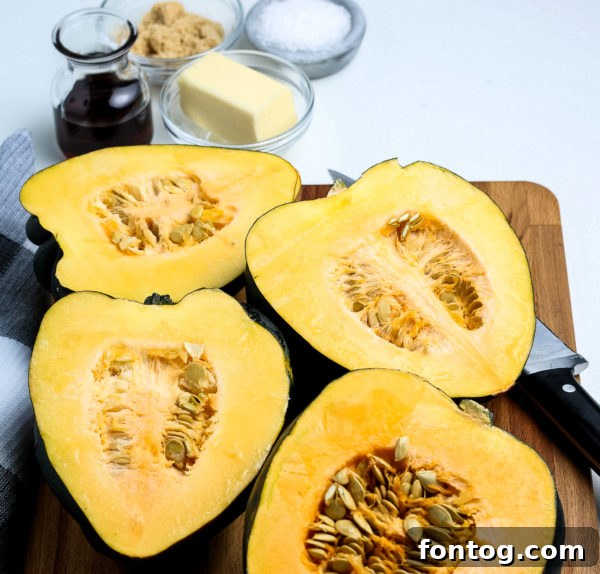
Once you’ve brought your perfect squash home, prepare to unlock its delicious potential. This recipe is designed for ease and flavor, requiring approximately one hour of roasting time to transform the firm, raw vegetable into a tender, melt-in-your-mouth side dish. One of the great advantages of acorn squash is its edible skin. When roasted until tender, the skin becomes soft enough to eat, adding a pleasant textural contrast and an extra boost of fiber and nutrients, eliminating the need for tedious peeling.
Cutting Acorn Squash: Safely and Efficiently
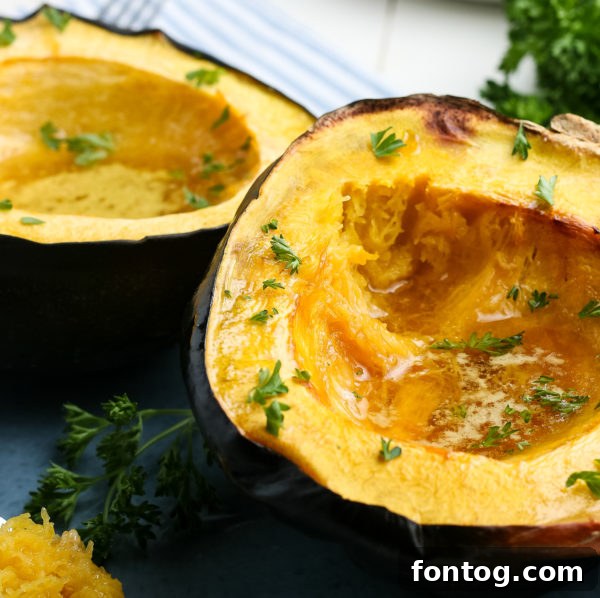
Cutting into a hard winter squash can sometimes be intimidating, but with the right approach, it’s a simple and safe process. If your acorn squash has been stored in a cool place or the refrigerator, allowing it to come to room temperature for about 15-20 minutes can make it slightly easier to cut through, as the flesh will be less rigid.
Follow these steps for safe and efficient cutting:
- Ensure Stability: Place the acorn squash on a stable cutting board. For maximum safety, you can carefully slice off a small portion from one side of the squash. This creates a flat, steady base, preventing the squash from rocking or rolling while you cut it.
- Use a Sharp Knife: The most crucial tool here is a very sharp, heavy-duty chef’s knife. A dull knife will require more force, increasing the risk of the knife slipping and causing injury. Always keep your knives well-sharpened for safer and more effective cutting.
- Cut Lengthwise: Position the squash on its stable base. Carefully insert the tip of your sharp knife near the stem, directly in the center of the squash. Apply firm, steady pressure, guiding the knife downwards through the squash. You may need to gently rock the knife back and forth to get through the tough skin and dense flesh. Continue until the squash is perfectly halved lengthwise.
- Remove Seeds and Fibrous Strands: Once the squash is cut open, you will see the stringy pulp and seeds nestled in the central cavity. Take a sturdy spoon or, even better, an ice cream scoop to efficiently scrape out all the seeds and fibrous material. Ensure the cavity is clean, leaving only the smooth, firm flesh. You can discard the seeds, or for a delightful snack, clean and roast them separately with a little salt and oil.
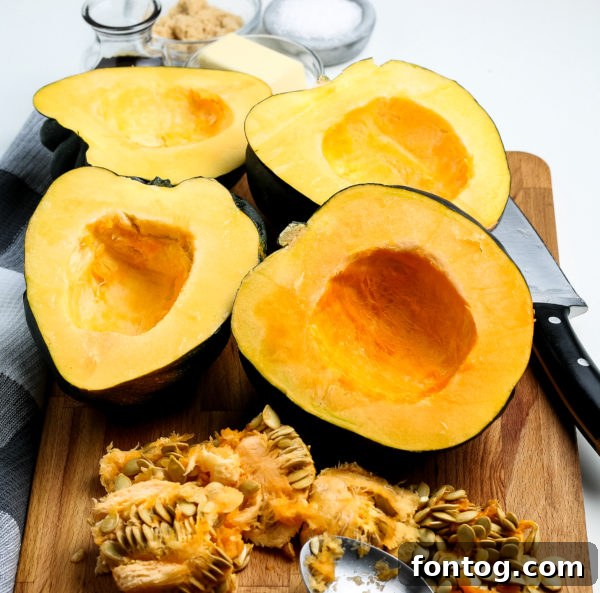
With your acorn squash expertly prepped, you are now just a few simple steps and readily available pantry ingredients away from creating a wonderfully sweet, savory, and healthy side dish that will undoubtedly become a favorite in your household. Prepare to delight your taste buds and impress your guests with this seasonal treasure.
Easy Roasted Acorn Squash Recipe
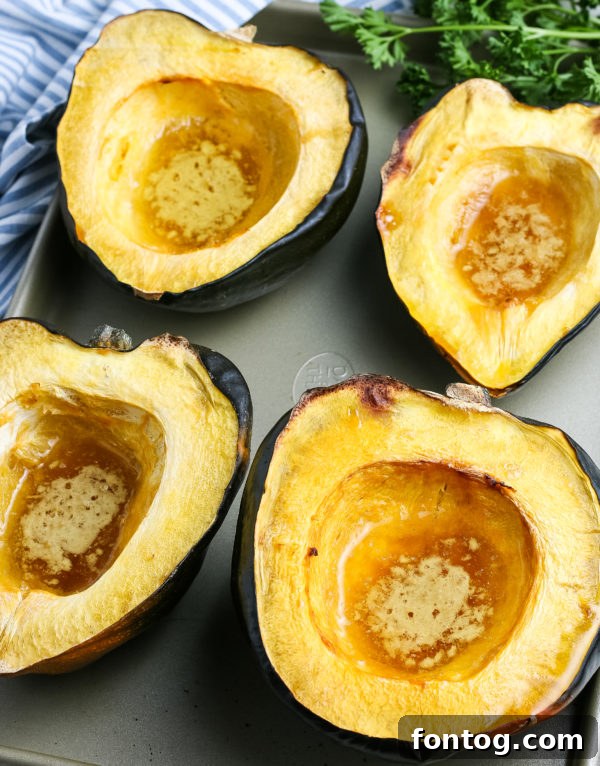
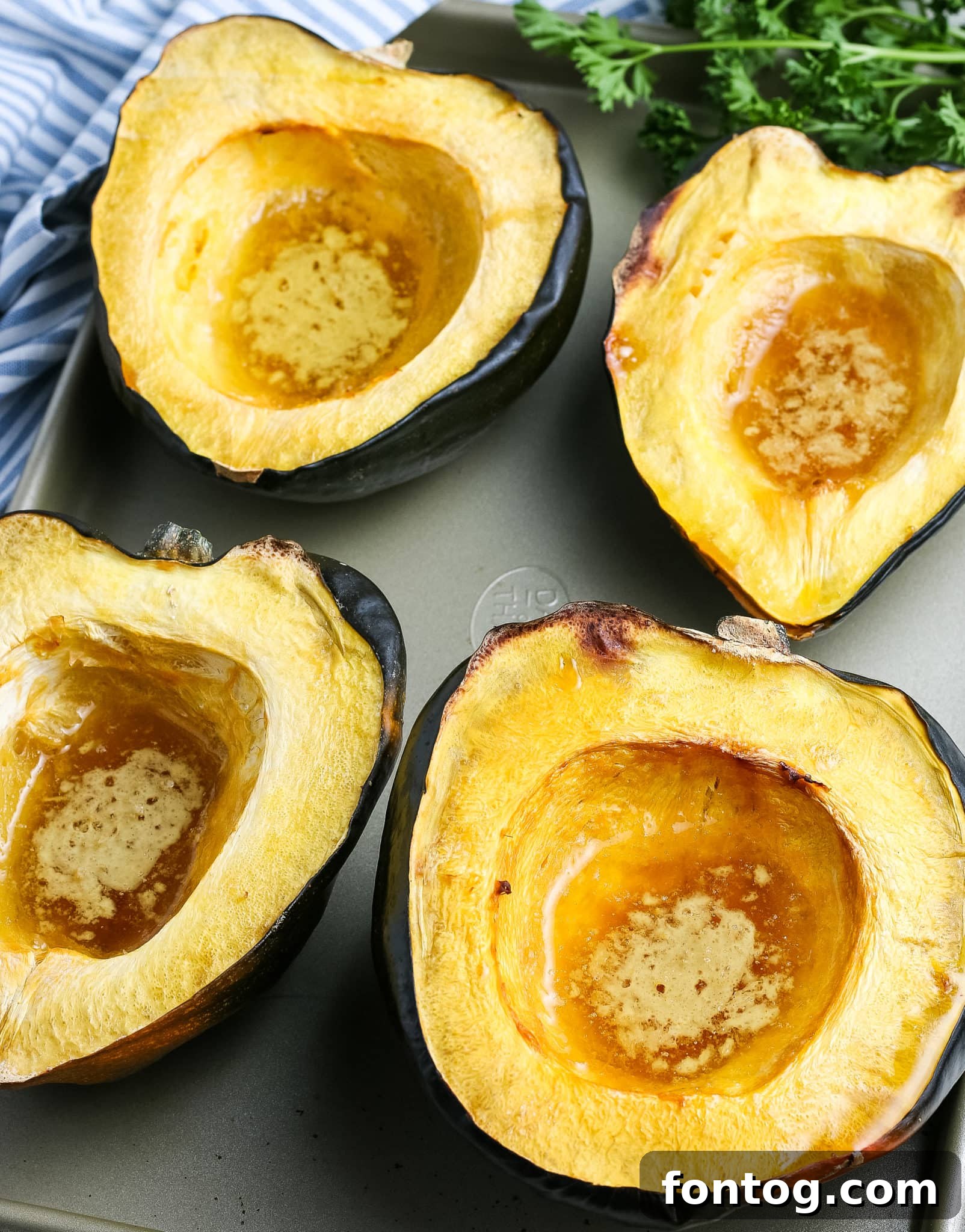
Roasted Acorn Squash
Make this easy Roasted Acorn Squash in less than an hour with pantry style ingredients, it’s a sweet and savory recipe, perfect for fall!
- Created by: Kristy Still
- Course: Side Dish, Vegetable
- Cuisine: American
- Servings: 4
- Prep Time: 10 mins
- Cook Time: 1 hr
- Total Time: 1 hr 10 mins
Ingredients
- 2 Whole Acorn Squash (Cut in half with seeds removed)
- 4 Tbsp Unsalted Butter (1/2 Stick)
- 2 Tbsp Brown Sugar
- 2-4 Tsp Pure Maple Syrup
- Salt to Taste
Instructions
- Preheat the oven to 400°F (200°C).
- Cut each squash in half lengthwise and use a large spoon or ice cream scoop to clean out the seeds and fibrous strands.
- Place the squash halves, flesh side up, on a baking sheet.
- Lightly sprinkle the cut surfaces with salt.
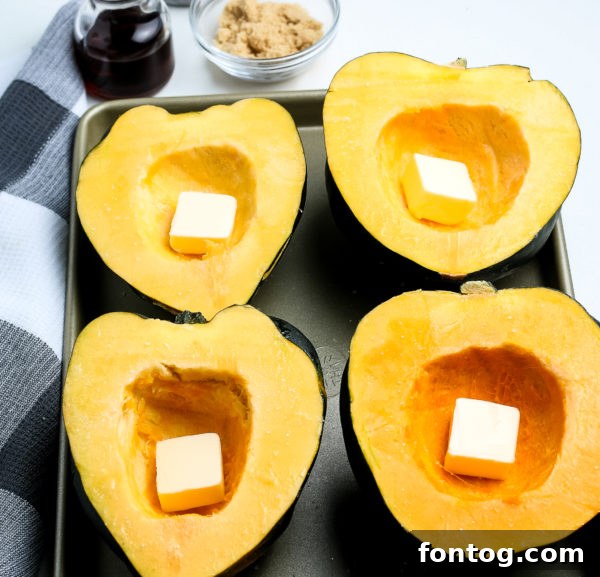
- Add approximately 1/2 tablespoon of unsalted butter into the center cavity of each squash half.
- Sprinkle 1/2 tablespoon of brown sugar over the butter in each squash half.
- Drizzle 2-4 teaspoons of pure maple syrup evenly over the brown sugar and butter. Adjust amount to desired sweetness.
- Bake for 60 minutes, or until the squash is golden brown, tender when pierced with a fork, and slightly caramelized.
- Serve immediately and enjoy this delightful sweet and savory side.
Notes
Savory Variation: To create a savory roasted acorn squash, substitute the unsalted butter with olive oil. Omit the brown sugar and maple syrup. Instead, season the squash with salt, freshly ground black pepper, a sprinkle of garlic powder, and a touch of dried rosemary or thyme. You can also add a pinch of red pepper flakes for a subtle kick.
Storage: Leftover roasted acorn squash can be stored in an airtight container in the refrigerator for up to 3-4 days.
Reheating: Reheat gently in the microwave or a preheated oven until warmed through.
Nutrition Information
Serving Size: 1 Half | Calories: 215 kcal | Carbohydrates: 29 g | Protein: 1 g | Fat: 12 g | Saturated Fat: 7 g | Polyunsaturated Fat: 3 g | Cholesterol: 31 mg | Sodium: 244 mg | Fiber: 5 g | Sugar: 13 g
Did you make this recipe?
Make sure to tag #mommyhatescooking on Instagram and follow for more @momhatescooking
Pin Recipe
Share on Facebook
There you have it – a remarkably easy yet incredibly satisfying way to prepare acorn squash. Whether you prefer the classic sweet preparation with butter, brown sugar, and maple syrup, or you wish to explore a savory profile with herbs and olive oil, this versatile winter squash is sure to become a cherished part of your seasonal cooking repertoire. Embrace the rich flavors and comforting aroma that fill your home as this delightful dish bakes to perfection, offering a taste of autumn in every spoonful.