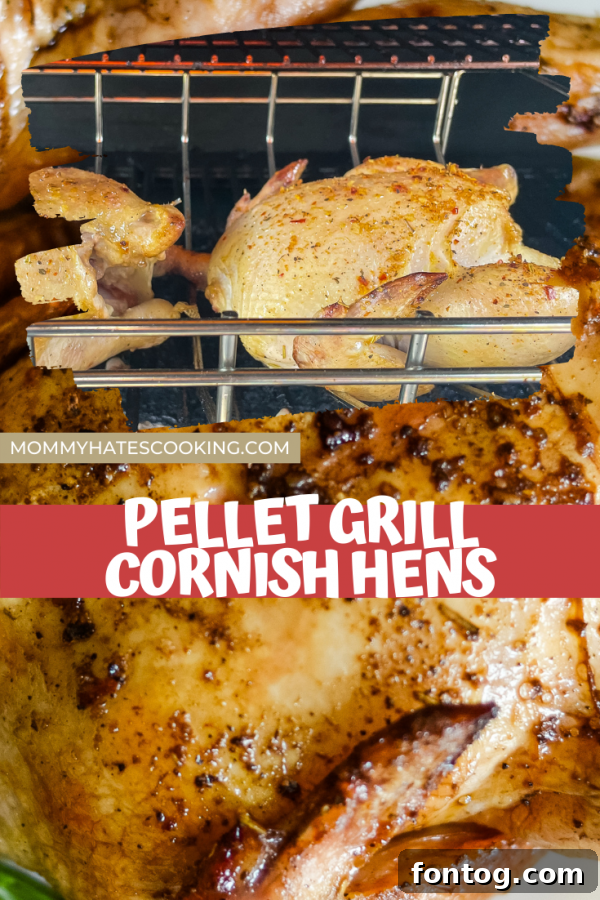
Smoky & Succulent: Your Ultimate Guide to Pellet Grill Cornish Hens
Are you ready to elevate your grilling game and impress your family with a dish that’s both elegant and incredibly simple to prepare? Look no further than these delicious Pellet Grill Cornish Hens! Perfect for weeknight dinners, special occasions, or a fantastic Sunday meal, these hens offer tender, juicy meat infused with a delightful smoky flavor that only a pellet grill can deliver. This comprehensive guide will walk you through everything you need to know to master cooking Cornish hens on your pellet grill, ensuring perfectly cooked poultry every time.
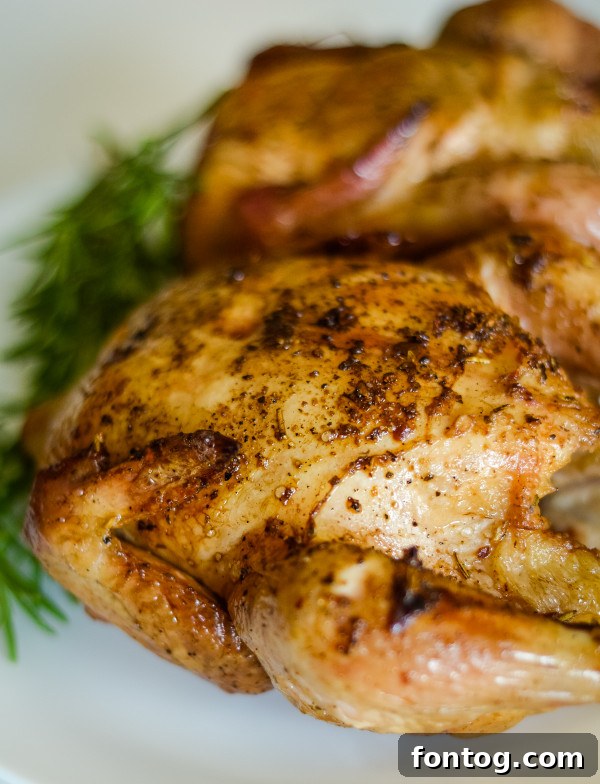
While a pellet grill is ideal for this recipe, offering unparalleled flavor and consistent heat, don’t worry if you don’t have one. These methods can be easily adapted for charcoal or gas grills, ensuring you can enjoy these flavorful Cornish hens regardless of your equipment. We’ll also cover essential tips, seasoning ideas, and serving suggestions to make your meal truly memorable.
Why Choose Cornish Hens for Your Grill?
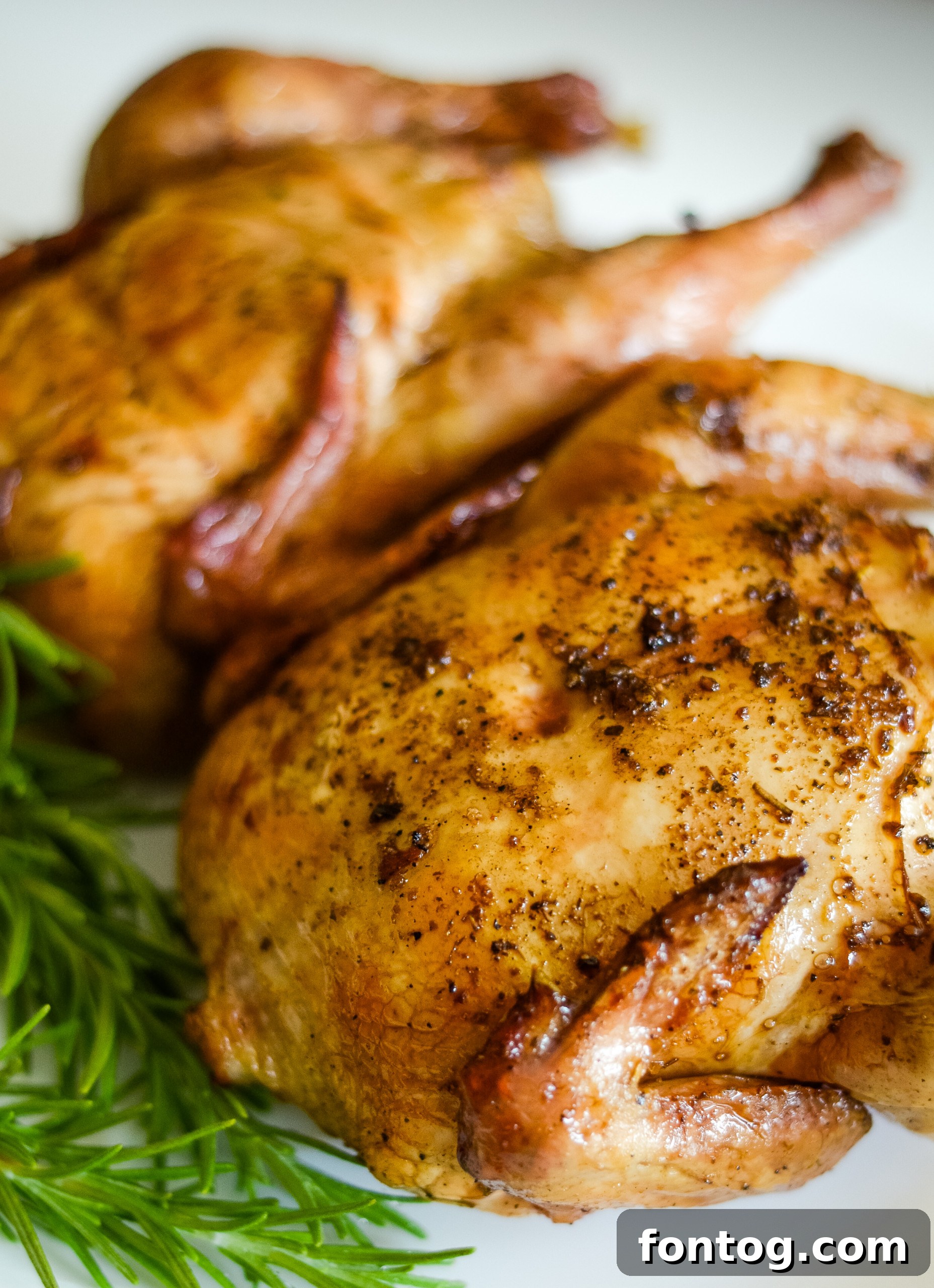
Cornish game hens, often simply called Cornish hens, are small, young chickens known for their tender meat and delicate flavor. Their compact size makes them perfect for individual servings, adding a touch of sophistication to any plate without the fuss of carving a large bird. When cooked on a pellet grill, they absorb the smoky essence beautifully, resulting in a depth of flavor that’s hard to beat. They cook relatively quickly, making them an excellent choice for a weeknight meal, yet they feel special enough for entertaining guests.
Understanding Your Pellet Grill: The Key to Success
A pellet grill combines the best aspects of a smoker and a conventional grill. It uses wood pellets as fuel, which are fed into a burn pot where they ignite, creating heat and smoke. A fan circulates the heat and smoke, ensuring even cooking and infusing your food with a rich, natural wood flavor. The digital controller allows for precise temperature management, taking the guesswork out of grilling and smoking.
Pellet Selection: Enhancing Flavor
The type of wood pellets you choose will significantly impact the flavor of your Cornish hens. For poultry, milder fruitwoods like apple, cherry, or pecan are excellent choices, imparting a subtle sweetness that complements the chicken’s natural taste. If you prefer a bolder smoke flavor, hickory or oak can be used sparingly, or mixed with a milder wood. Feel free to experiment with different blends to discover your favorite flavor profile. Always use food-grade wood pellets specifically designed for grills to ensure safety and optimal flavor.
How Long Does It Take to Smoke Cornish Hens?
The cooking time for Cornish hens on a pellet grill can vary based on the temperature you choose and the size of your hens. For a relatively quick and delicious meal, we recommend cooking your Cornish hens at a temperature of 375°F (190°C) for approximately 1 hour. This higher heat ensures crispy skin while the inside cooks to perfection. The most critical factor is not the time, but the internal temperature.
Always use a reliable meat thermometer to ensure your Cornish hens reach a safe internal temperature of at least 165°F (74°C) in the thickest part of the thigh, without touching the bone. Many pellet grills come with built-in temperature probes, which are incredibly convenient for monitoring progress without opening the lid and losing heat.
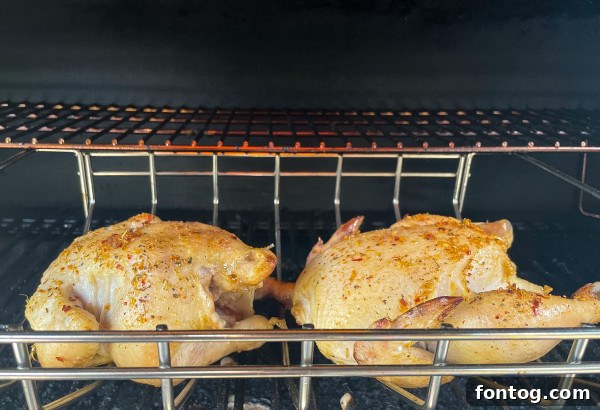
Alternatively, for a more intense smoky flavor, you can opt for a “low and slow” approach. Cook the Cornish hens at a lower temperature of around 225°F (107°C). At this temperature, the cooking time will increase significantly to approximately 2 hours or until the internal temperature reaches 165°F (74°C). This method is fantastic if you have more time and want to maximize the smoke penetration.
What Should You Season Cornish Hens With?
Cornish hens are incredibly versatile and can be seasoned with virtually any spice blend you prefer. The key is to apply the seasoning generously and evenly to ensure every bite is bursting with flavor. Here are some popular and delicious seasoning options:
- Lemon Pepper Seasoning: This is a classic choice for poultry, offering a bright, zesty, and peppery kick. We often use a no-salt-added lemon pepper seasoning, allowing the natural flavors of the chicken to shine while controlling sodium intake.
- Weber Kick’n Chicken Seasoning: A favorite for its robust blend of herbs and spices, perfect for adding a savory and slightly spicy note to your hens.
- Herbs de Provence: A fragrant mix of rosemary, thyme, oregano, and lavender that gives your hens a delightful aromatic quality.
- Garlic & Herb Rub: Combine garlic powder, onion powder, paprika, dried parsley, thyme, and a pinch of cayenne for a savory and slightly spicy rub.
- Sweet & Smoky Rub: A blend of brown sugar, paprika, chili powder, garlic powder, and onion powder creates a caramelized crust and deep flavor.
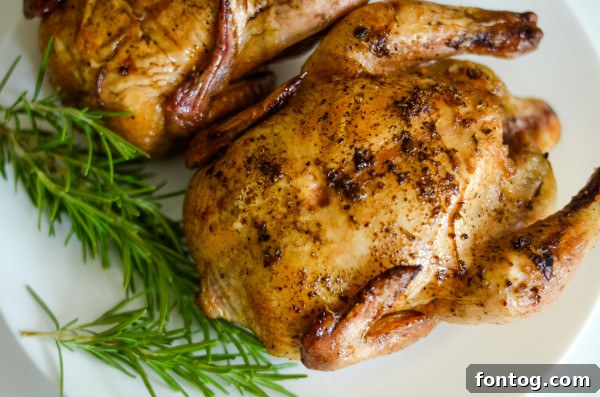
For an even deeper flavor, consider marinating your Cornish hens. A simple chicken marinade can infuse the meat with moisture and flavor before grilling. Allow the hens to marinate for at least 30 minutes, or ideally 2-4 hours, in the refrigerator. A brine solution (salt, sugar, and water) can also be used to ensure extra juicy and flavorful meat.
Expert Tips for Grilling Perfect Pellet Grill Cornish Hens
Achieving perfectly cooked, flavorful, and juicy Cornish hens on your pellet grill is straightforward with a few key tips:
- Thawing and Preparation: Ensure your Cornish hens are completely thawed before seasoning and cooking. Pat them thoroughly dry with paper towels. This step is crucial for achieving crispy skin. Don’t forget to remove any giblets from the cavity.
- Even Seasoning: Rub your chosen seasoning generously over the entire surface of the hens, including under the skin if possible. You can also stuff the cavities with aromatic ingredients like lemon halves, garlic cloves, or fresh herbs (rosemary, thyme) for added flavor from the inside out.
- Cooking Equipment: While you can place the hens directly on the grill grates, using a grill basket or a rotisserie attachment (if your grill has one) can make handling easier and ensures even browning.
- Oil Spray for Crispy Skin: A light coating of grapeseed oil spray (or any high-smoke-point oil) helps promote crispy skin and prevents sticking. Apply this after seasoning.
- Monitoring Temperature: As mentioned, a meat thermometer is your best friend. Start checking the internal temperature around 45-50 minutes if cooking at 375°F. For the low and slow method, begin checking after about 1.5 hours.
- Rotation: If you’re not using a rotisserie, carefully rotate the hens after about 30 minutes of cooking (if cooking at 375°F) to ensure even browning and crisping on all sides.
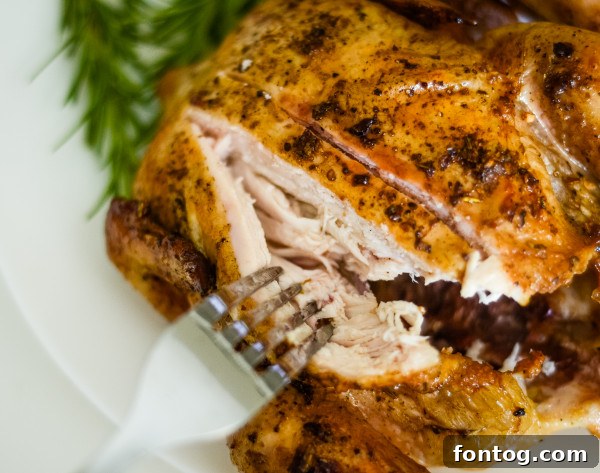
- Resting Period: Once the hens reach 165°F (74°C) internal temperature, remove them from the grill and let them rest, loosely tented with foil, for 10 minutes. This allows the juices to redistribute throughout the meat, resulting in a more tender and flavorful bird.
Perfect Pairings and Serving Suggestions
Pellet Grill Cornish Hens pair wonderfully with a variety of side dishes. For a complete grilled meal, consider cooking sides simultaneously with your hens. Grilled corn on the cob is an excellent choice, as it can be cooked right alongside the hens on the pellet grill. Other fantastic pairings include:
- Roasted or grilled vegetables like asparagus, bell peppers, or zucchini.
- Creamy mashed potatoes or crispy roasted potatoes.
- A fresh garden salad with a light vinaigrette.
- Wild rice or quinoa pilaf.
- Homemade coleslaw for a refreshing contrast.
Troubleshooting Common Cornish Hen Issues
Even experienced grillers can run into minor issues. Here’s how to tackle some common problems:
- Uneven Cooking: If one hen is cooking faster than another, swap their positions on the grill. If parts of a single hen are cooking unevenly, try to adjust its position or use a grill basket to ensure more consistent exposure to heat.
- Skin Not Crispy: Ensure the hens are thoroughly patted dry before seasoning. A light spray of oil helps. High heat grilling (375°F) is generally better for crispy skin than low and slow. You can also finish them with a few minutes under the broiler if using an oven, or a quick sear over direct heat on a gas/charcoal grill (if your pellet grill has a sear function).
- Dry Meat: Overcooking is the main culprit. Always rely on a meat thermometer, not just time. The 165°F (74°C) internal temperature is crucial. A resting period after cooking also helps retain juices.
Beyond the Pellet Grill: Other Cooking Methods
While the pellet grill offers unique smoky flavor, you can still enjoy delicious Cornish hens using other cooking appliances:
- Oven Roasted: Roast at 400°F (200°C) for 50-60 minutes, or until 165°F (74°C) internal temperature.
- Air Fryer or Ninja Foodi: For a quick and crispy option, check out dedicated Ninja Foodi Cornish Hens recipes. Air frying typically takes less time and produces very crispy skin.
- Charcoal or Gas Grill: Cook using indirect heat for most of the cooking time, then finish over direct heat for a crispy skin, always monitoring with a meat thermometer.
No matter how you cook them, Cornish hens are a fantastic, versatile poultry option!
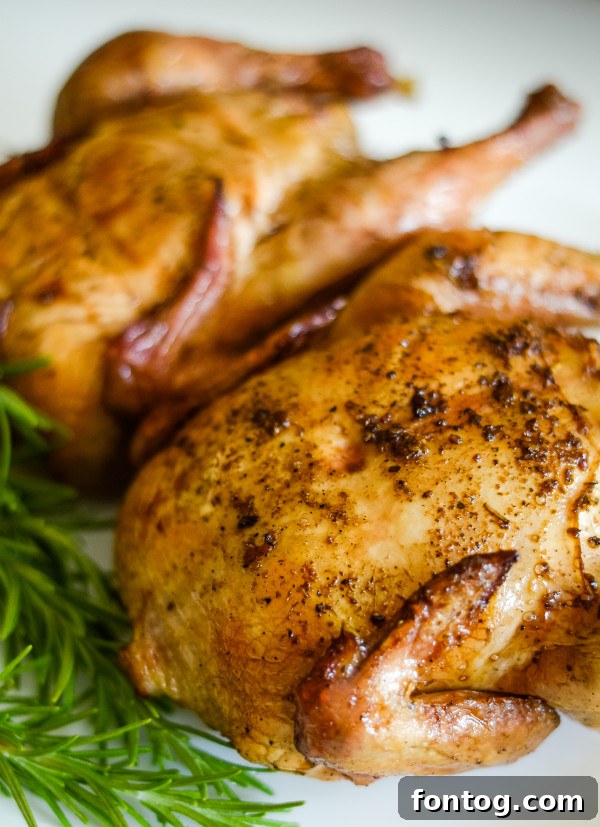
Ready to try more delicious outdoor cooking? Explore our collection of Pellet Grill Recipes HERE for more culinary inspiration!
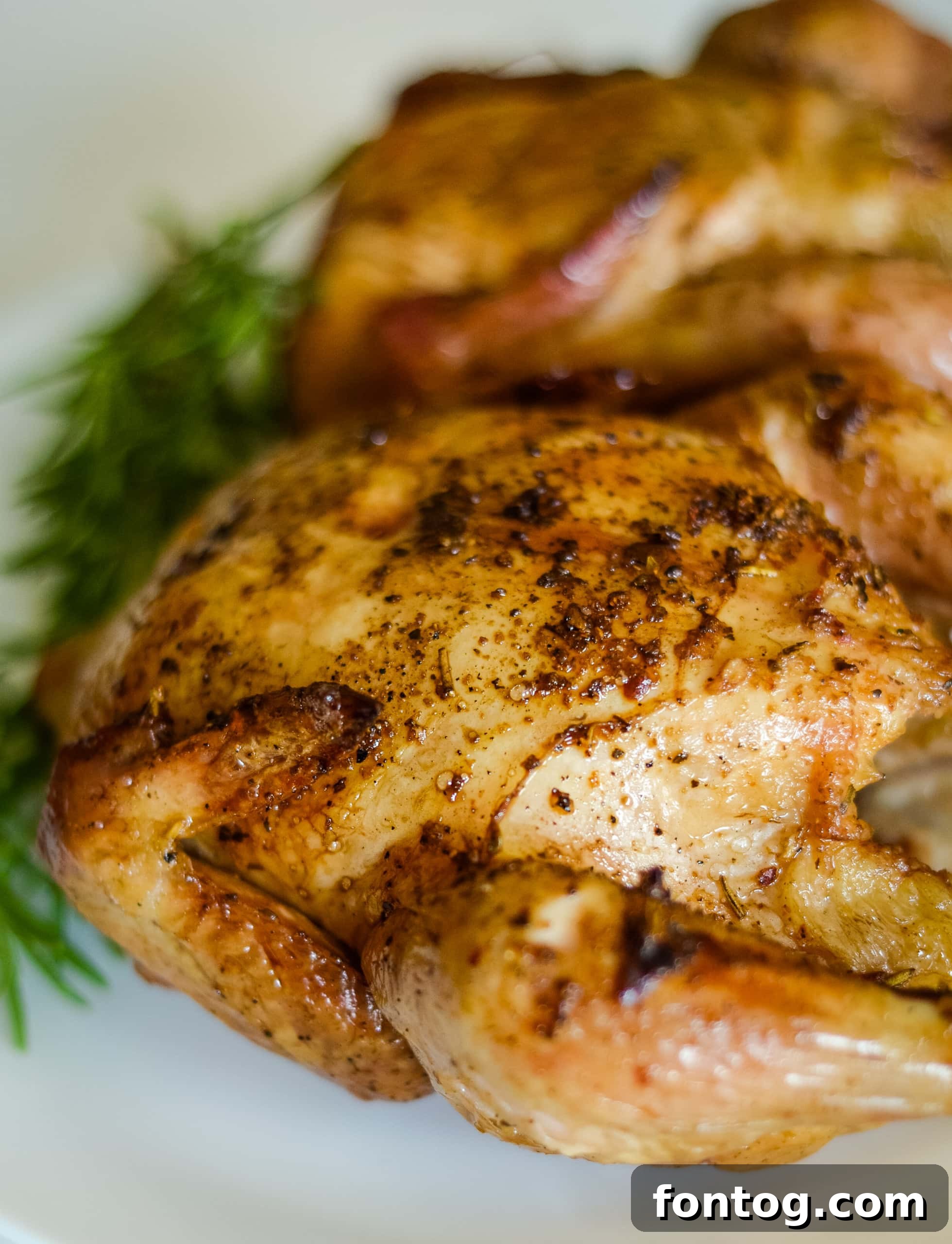
Pellet Grill Cornish Hens
Ingredients
- 2 1-1.5lb Cornish Hens (Thawed)
- No-Salt Added Lemon Pepper Seasoning
- Grapeseed Oil Spray
Instructions
-
Warm up the pellet grill per the manual for your pellet grill to 375°F (190°C).
-
Begin by preparing the Cornish hens: pat them completely dry and use your preferred seasoning, rubbing it over them evenly. Remove the giblets from the cavity if needed.
-
Ensure the seasoning is evenly rubbed over the hens. For instance, Mrs. Dash No-Salt Added Lemon Pepper Seasoning is an excellent choice.
-
Carefully place the hens, breast side down, directly on the grates of the pellet grill or in a grill basket.
-
Lightly coat the hens with grapeseed oil spray. Cook at 375°F (190°C) for 60+ minutes until the internal temperature reaches at least 165°F (74°C).
-
If you prefer, you can carefully rotate them after 30 minutes of cook time to ensure even browning.
-
Carefully remove the cooked hens from the grill and let them rest for 10 minutes before cutting and serving.
Notes
Nutrition
Did you make this recipe?
We’d love to see your creations! Make sure to tag #mommyhatescooking on Instagram and follow us for more delicious recipes @momhatescooking.