Crafting Timeless Memories: Your Ultimate Guide to DIY Salt Dough Ornaments
The holiday season often sparks a desire for unique, heartfelt decorations, and few crafts capture the spirit of homemade charm quite like salt dough ornaments. These simple yet beautiful creations are a wonderful way to personalize your festive decor, make thoughtful gifts, and create lasting memories with loved ones. Recently, I embarked on my own journey into the world of salt dough, eager to try a craft I hadn’t tackled before. Inspired by fantastic guides from Homemade Grits for the core recipe and The Cheese Thief for creative stamping ideas, our family spent a delightful afternoon diving hand-first into flour and salt. While our initial attempt came with a few humorous challenges, the process was incredibly rewarding, and we learned invaluable lessons along the way.
Why Choose Salt Dough for Your Holiday Crafts?
Salt dough ornaments aren’t just a craft; they’re an experience. They offer a multitude of benefits that make them a beloved choice for families and crafters alike, especially during the festive season:
- Budget-Friendly: Made from common pantry staples – flour, salt, and water – this craft is incredibly economical. You don’t need expensive supplies to create stunning decorations.
- Kid-Friendly Fun: The process is wonderfully hands-on, making it perfect for children of all ages. Mixing, kneading, cutting, and decorating provide endless opportunities for creative expression and fine motor skill development.
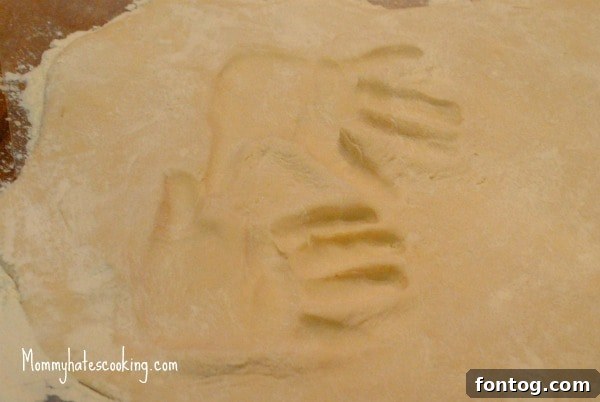
- Personalized Keepsakes: Each ornament can be unique. Add handprints, footprints, names, dates, or special messages. These personalized touches transform simple dough into cherished keepsakes that you’ll treasure for years, reminding you of the special moments spent making them.
- Versatile Decoration: Beyond Christmas trees, salt dough ornaments can adorn gift packages, serve as unique gift tags, become part of a festive garland, or even be used as charming party favors.
- Non-Toxic: Unlike some crafting materials, salt dough is made from edible ingredients, making it a safer option for crafting with very young children (though not intended for consumption due to high salt content).
Our First Adventure: Navigating Sticky Situations
With eager hearts and the prospect of creating beautiful, homemade Christmas decorations, my husband, our son, and I gathered our ingredients. Following the straightforward recipe from Homemade Grits, we mixed flour, salt, and water, anticipating a pliable, easy-to-work-with dough. However, our initial enthusiasm quickly met a common crafting hurdle: an extremely sticky dough.
As we tried to roll and shape it, the dough clung stubbornly to our hands, the rolling pin, and the work surface. It was a true test of patience! My husband and I exchanged amused glances, realizing that our ornaments might not turn out as perfectly pristine as those we’d admired online. This stickiness was our biggest challenge, turning what we expected to be a smooth process into a delightful, flour-dusted wrestling match with the dough. We quickly learned that the more we worked with it, the more flour it demanded. Our solution? Generously coating both the dough and our hands with flour became essential. This simple adjustment made a world of difference, transforming the unmanageable goo into something more workable.
Mastering the Craft: Essential Tips for Perfect Salt Dough Ornaments
Our trial-and-error approach on that first day yielded crucial insights. Here’s what we discovered and what I now consider vital for anyone embarking on their own salt dough adventure:
The Ideal Salt Dough Recipe (and Why Proportions Matter)
While specific recipes can vary, a generally reliable ratio for salt dough is:
- 2 cups all-purpose flour
- 1 cup salt (fine salt works best)
- Up to 1 cup cold water (start with 1/2 cup and add slowly)
Achieving the right consistency starts with precise measurements. Gradually adding water is key. Too much water, and your dough will be excessively sticky, as we discovered. Too little, and it will be crumbly and hard to form. Aim for a dough that’s firm but still pliable, similar to pie crust or playdough.
Achieving the Right Dough Consistency
Kneading is where the magic happens. Once your ingredients are combined, turn the dough out onto a floured surface and knead it for 5-10 minutes. This develops the gluten in the flour, making the dough smooth, elastic, and less prone to cracking. If it feels too sticky, add a little more flour, a tablespoon at a time. If it’s too dry, add a tiny bit of water. The goal is a dough that holds its shape, rolls out easily, and doesn’t stick excessively to your hands or tools.
The Magic of Cookie Cutters
After a few failed attempts at freehand shaping, we realized that cookie cutters were our best friends. The cookie cutters produced consistent, clean shapes much more effortlessly. Next time, I’ll definitely pre-cut all the shapes using cookie cutters on a generously floured surface before attempting any further detailing or stamping. This simple step makes the entire process smoother and significantly improves the final appearance of the ornaments. From festive stars and trees to classic circles and hearts, cookie cutters offer endless possibilities for shape and design.
Stamping and Personalization
Once your shapes are cut, you can add beautiful details. Inspired by The Cheese Thief, we tried stamping. Alphabet stamps are fantastic for adding names, dates, or short messages, turning a simple ornament into a personalized keepsake. You can also use textured items like lace, leaves, or even small toys to create interesting patterns and impressions on the dough before baking.
Creating the Hanging Hole
Don’t forget to make a hole for hanging! Use a straw, a skewer, or the blunt end of a pencil to create a hole at the top of each ornament before it dries or bakes. Ensure the hole is large enough for your chosen ribbon or string to pass through easily.
Drying Your Ornaments to Perfection
Proper drying is crucial to ensure your salt dough ornaments last. You have two main options:
- Air Drying: Place ornaments on a wire rack in a warm, dry area. This method can take several days, even up to a week, depending on the thickness of the ornaments and the humidity. Flip them periodically to ensure even drying.
- Oven Drying: This is a faster method. Preheat your oven to a very low temperature (around 200-250°F or 90-120°C). Place ornaments on a baking sheet lined with parchment paper. Bake for 1-3 hours, or until completely hardened. Thicker ornaments will take longer. Again, flip them occasionally. Be careful not to “cook” them; you’re essentially dehydrating them. If they start to brown, your oven is too hot.
Decorating Your Masterpieces
Once your ornaments are fully dried and cooled, the real fun begins: decorating!
- Painting: Acrylic paints work beautifully for vibrant colors. Unleash your creativity with brushes, sponges, or even fingerprints.
- Glitter and Embellishments: Add a touch of sparkle with glitter glue, or attach small beads, sequins, or faux berries with craft glue.
- Sealing: To protect your beautiful creations and give them a lasting finish, seal them with a clear acrylic spray sealant or Mod Podge. This will also prevent moisture absorption, which can cause cracking over time.
- Ribbons: Thread colorful ribbons, twine, or string through the hanging holes to complete your ornaments.
Our Experience: Lessons Learned and Future Plans
Despite the initial stickiness and the slight imperfection of our first batch compared to the polished examples online, the entire process was incredibly fun and filled with laughter, especially with our son. The joy of creating something together, even with its challenges, far outweighed any aesthetic shortcomings. It was a valuable learning experience, teaching us patience and the art of adaptation in crafting.
Now armed with newfound wisdom about dough consistency and the undeniable benefits of cookie cutters, I’m already looking forward to making another batch. I feel like I’ve truly got a handle on the technique now, and I’m excited to apply these lessons to create even more beautiful and smooth salt dough ornaments. This craft isn’t just about the end product; it’s about the journey, the family bonding, and the simple pleasure of making something with your own hands. It’s a wonderful way to slow down and embrace the festive spirit.
Get Inspired: Resources for Your Crafting Adventure
If you’re feeling inspired to create your own salt dough ornaments, I highly recommend checking out the original sources that guided me:
- Homemade Grits: For a clear, foundational recipe and excellent instructions to get your dough just right.
- The Cheese Thief: Offers fantastic creative ideas, especially for adding personalized stamps and turning your ornaments into charming gift tags.
Your Turn! Share Your Salt Dough Wisdom
Have you made salt dough ornaments before? What were your experiences? Do you have any tried-and-true tips, tricks, or favorite recipes that you swear by? I’d love to hear about your creative journeys and any advice you might have for fellow crafters. Share your insights in the comments below – let’s build a community of enthusiastic salt dough creators!
Have you visited our Products list? Be sure and check out Mommy Hates Cooking Products and Services.
Need more recipe ideas? Check out the Recipe Index by Mommy Hates Cooking.