Embracing Spring: Our Journey into a Thriving Home Garden
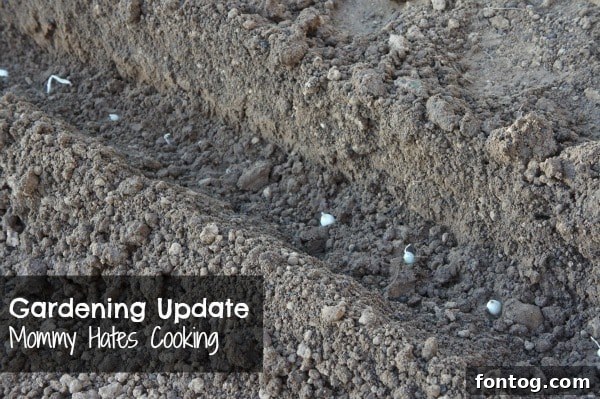
The eagerly anticipated spring planting season is officially underway in our backyard! While the full symphony of our dream garden is still a work in progress, we’ve proudly laid the groundwork with our first resilient crop: onions. The tiny green shoots emerging from the soil represent more than just future meals; they symbolize the renewal of spring, the promise of fresh produce, and the quiet satisfaction of growing our own food. We’re already envisioning bountiful harvests and the incredible flavors that only come from garden-fresh ingredients, a true testament to sustainable home living.
Our grand gardening plans extend far beyond these initial onion sprouts. Potatoes are next on our list, a hearty staple that provides immense satisfaction when dug up straight from the earth. There’s nothing quite like the taste of a homegrown potato, fresh from the soil, steamed and topped with butter. However, as any seasoned gardener knows, nature and life often conspire to set their own pace. Recent unpredictable weather patterns – a fickle dance between warm sunshine and chilly spring showers – have kept us indoors more than we’d like, delaying our outdoor ambitions. Couple that with the everyday demands of life, and our ambitious planting schedule sometimes takes a backseat. We’re holding out hope for a consistent stretch of classic spring weather next week, allowing us to dive back into the dirt and accelerate our planting efforts for a truly productive growing season.
The Irresistible Allure of a Home Herb Garden
Beyond the staple vegetables, there’s one particular section of the garden that I am absolutely itching to revive: my beloved herb patch. The thought of purchasing pre-packaged herbs from the grocery store truly pains me when I know I could be stepping just a few feet outside my door to snip vibrant, aromatic sprigs for dinner. There’s an unparalleled freshness and potency to homegrown herbs that store-bought varieties simply can’t match. Imagine fragrant rosemary for roasted chicken, sweet basil for a fresh caprese salad, invigorating mint for a refreshing iced tea, or versatile parsley and thyme to elevate almost any dish – all picked moments before use. The convenience, the intensified flavor, and the undeniable cost savings make a home herb garden an absolute essential for any kitchen enthusiast dedicated to fresh, organic ingredients.
Cultivating your own herbs is not just about convenience; it’s about elevating your cooking to a whole new level and embracing healthier eating habits. Fresh herbs burst with essential oils and vibrant flavors that transform ordinary dishes into culinary masterpieces. Beyond their culinary prowess, many herbs offer medicinal properties and can contribute to a healthier lifestyle, from aiding digestion to boosting immunity. Starting an herb garden can be incredibly simple, even for those with limited space. Many popular herbs, like basil, chives, mint, and thyme, thrive in pots on a sunny windowsill or a balcony, making them accessible to urban gardeners and apartment dwellers alike. I’m ready to bask in that fragrant aroma again, knowing every pinch and sprig enhances our meals with pure, unadulterated goodness, directly from our own garden to our plate.
The Perils of a Pet-Friendly Garden: A Labrador’s Antics
This past week brought with it an urgent, yet somewhat amusing, gardening project: the construction of a fence around our main vegetable patch. The sole purpose? To deter our incredibly lovable, albeit sometimes mischievous, Labrador retriever. She truly believes the garden is her personal playground, a giant sandbox specifically designed for her enjoyment. While her enthusiasm for digging and lounging is admirable, it doesn’t quite align with our goal of growing edible plants. We finished the fence, feeling a sense of accomplishment, believing our fresh crops were finally safe from her playful paws. We imagined days of serene gardening, uninterrupted by canine curiosity.
Our lab, ever the clever escape artist, quickly demonstrated the flaws in our initial design. She managed to ingeniously breach the fence, perhaps by finding a weak spot, squeezing through a gap, or simply by sheer, unyielding determination. What she lacked in foresight, however, she made up for in sheer comfort. One evening, as dusk settled, we were calling her in for the night, only to discover her serenely ensconced in the very center of the garden. There she was, a picture of pure canine contentment, luxuriously relaxing in the soft, freshly tilled dirt, as if she owned the place. The only problem? Her blissful relaxing came after she had already “helped” by meticulously pulling up a few of our precious onion starts. Her blissful ignorance of the chaos she had caused was both frustrating and undeniably charming. This little episode made one thing abundantly clear: a better, more robust garden fence is not just a suggestion; it’s an immediate, critical necessity to ensure both our harvest’s survival and her safety.
Past Horticultural Hijinks: A History of Canine Culinary Crimes
This isn’t our lab’s first foray into garden mischief; she has a storied history of horticultural escapades. Her previous years have been marked by a clear penchant for particular garden delights. Last year, her obsession revolved around ripe, juicy tomatoes. We would constantly glance out the window only to find her happily chomping down on another prized tomato, utterly oblivious to our exasperation. While a single ripe tomato usually won’t harm a dog, excessive consumption, especially of unripe tomatoes or any part of the tomato plant itself (stems, leaves), can be toxic due to solanine. Thankfully, she mostly went for the ripe fruit, but it certainly put a significant dent in our salsa and fresh salad ambitions, leaving us with fewer tomatoes than we hoped.
The year before, her culinary curiosity extended to the abundant pears hanging from our pear tree. She’d eat them straight off the branches, or gather any that had fallen to the ground, treating the orchard as her personal buffet. While fresh fruit in moderation can be a healthy treat for dogs, pears – especially in large quantities – are known to cause digestive upset in some canines due to their high fiber and sugar content. Let me just say, those particular garden escapades did not go over well with her stomach, leading to some rather unpleasant clean-up duties for us and a very uncomfortable dog. These past experiences underscore the critical importance of truly dog-proofing our garden, not only to protect our precious harvest and ensure a bountiful yield but also, more importantly, to ensure our beloved pet’s well-being and prevent any future trips to the vet for an upset tummy.
The Essential, Albeit Smelly, Art of Soil Enrichment
As we fortify our defenses against our furry gardener, my husband is simultaneously embarking on another critical phase of garden preparation: acquiring manure to fertilize the soil. Now, that phrase just sounds absolutely delightful, doesn’t it? I can already picture it: stepping outside, hoping to savor the crisp, fresh spring air in my backyard, only to find it heavily perfumed with the distinct, undeniably potent aroma of… well, manure. Yuck. My immediate, visceral reaction is always a firm “I’ll pass!” on that particular sensory experience, preferring to distance myself from the process.
Despite my olfactory objections, my husband, ever the pragmatist and dedicated gardener, stands firm. According to him, and indeed, according to sound horticultural principles, our garden absolutely needs it. And, to be fair, he’s entirely correct. Manure is an invaluable organic fertilizer, a powerhouse of essential nutrients like nitrogen, phosphorus, and potassium, which are crucial for promoting vigorous plant growth, strong root development, and abundant fruiting. Beyond its nutrient content, manure is a fantastic soil conditioner; it enhances soil structure, improves water retention in sandy soils, and boosts drainage in heavy clay soils, creating an optimal environment for roots to thrive. It also significantly increases beneficial microbial activity in the soil, fostering a healthier overall ecosystem for our plants. While the initial scent might be less than appealing, especially during application, the long-term benefits for a healthy, vibrant, and productive garden are undeniable. It appears I’ve definitively lost that argument, and the pungent aroma will soon be a temporary, yet necessary, fixture of our spring garden. Sometimes, the path to a beautiful, thriving harvest isn’t always perfectly fragrant, but the results are certainly worth it.
Beyond the Edibles: Cultivating Beauty in Front Flower Beds
Looking ahead to this upcoming week, beyond simply fortifying the fence and enriching the soil, we are optimistic about the weather stabilizing permanently, allowing for a concentrated effort on planting even more crops. But our gardening endeavors aren’t confined solely to the vegetable patch. We’re also turning our attention to the aesthetics of our front yard, specifically our flower beds. These areas, often the first impression visitors get of our home, are ripe for a spring refresh. We’re planning to introduce vibrant new annuals for immediate color and sturdy perennials that will return year after year, creating a welcoming and visually appealing display that complements the natural beauty of the season. Our goal is to craft a landscape that’s not only beautiful but also enhances our home’s curb appeal and provides a serene welcome.
One particular area in our front flower beds presents a delightful design challenge: a rather large, somewhat empty spot that calls out for a prominent focal point. My vision for this space oscillates between two charming possibilities: an antique garden bench or a whimsical bird bath. Both options promise to add character and functionality, inviting quiet contemplation or cheerful avian visits, creating a peaceful sanctuary right at our doorstep. To find such a unique piece without breaking the bank, I foresee many enjoyable weekends spent browsing garage sales, flea markets, and antique shops. The thrill of the hunt for that perfect, pre-loved item, a hidden gem waiting to be discovered, is almost as satisfying as the find itself. It’s a sustainable approach to decor, giving new life to forgotten treasures.
My ultimate goal is to unearth an old, weathered bench or a classic bird bath that I can lovingly restore and personalize. Imagine transforming a forgotten piece with a fresh coat of paint – perhaps a vibrant turquoise, a cheerful yellow, a deep, earthy green, or even a whimsical pattern – making it look a little “funky” and utterly unique to our home. This DIY approach not only adds a distinct personal touch and showcases creativity but also embodies a sustainable spirit, giving new life to old treasures instead of purchasing new. It’s about creating a garden that not only produces nourishing food but also inspires joy, offers a serene retreat, and expresses our unique style through thoughtfully curated decor. These personal touches transform a simple garden into an outdoor living extension of our home.
The Gardening Dynamic: Diverse Roles and Shared Passion
So, have you got your list of items ready to plant? As I often note, when I speak of “our” garden projects, it’s often more accurately described as “my husband’s” diligent efforts in the dirt. I must admit, I’m not entirely a “dirt fan.” While I can appreciate the feel of rich, loamy soil in my hands, and the sense of connection it brings, it’s what often lives in the dirt – the various creepy-crawlies, the slithering worms, and the occasional unidentifiable critter – that gives me pause. I’m much more inclined towards the planning, the seed selection, the harvesting, the culinary experimentation, and the aesthetic design aspects of gardening. It’s a classic partnership where complementary strengths come into play; he handles the foundational dirty work of tilling, planting, and heavy lifting, and I provide the vision, the detailed research, and the immense appreciation for the beautiful and delicious results.
This dynamic works perfectly for us, ensuring that all aspects of the garden are cared for, even if our roles differ significantly. Gardening, after all, encompasses a wide spectrum of tasks, from the physical labor of tilling and planting to the creative joy of design, the mindful act of nurturing, and the delicious reward of harvesting. Regardless of your specific role or comfort level with the soil, the collective effort and the shared anticipation of a blossoming, bountiful garden unite us in this wonderful spring tradition. It’s a journey of growth, both for the plants and for us as a family, learning and working together to cultivate our little slice of nature.
Happy Gardening!
May your spring planting be fruitful, your harvests abundant, and your garden filled with beauty and joy. Whether you’re a seasoned green thumb or just dipping your toes into the wonderful world of growing your own food and enhancing your outdoor space, embrace the journey and savor every moment of connection with nature.
Looking for ways to enhance your cooking or simplify your home life? Explore our curated Products list for helpful resources and tools that can make your daily routines easier and more enjoyable. Be sure to check out all the Mommy Hates Cooking Products and Services designed to inspire and streamline your culinary adventures and household management.
Hungry for more culinary inspiration and delicious meal ideas? Dive into a treasure trove of recipes by exploring the comprehensive Recipe Index by Mommy Hates Cooking. You’re sure to find something to delight your taste buds and inspire your next kitchen creation!