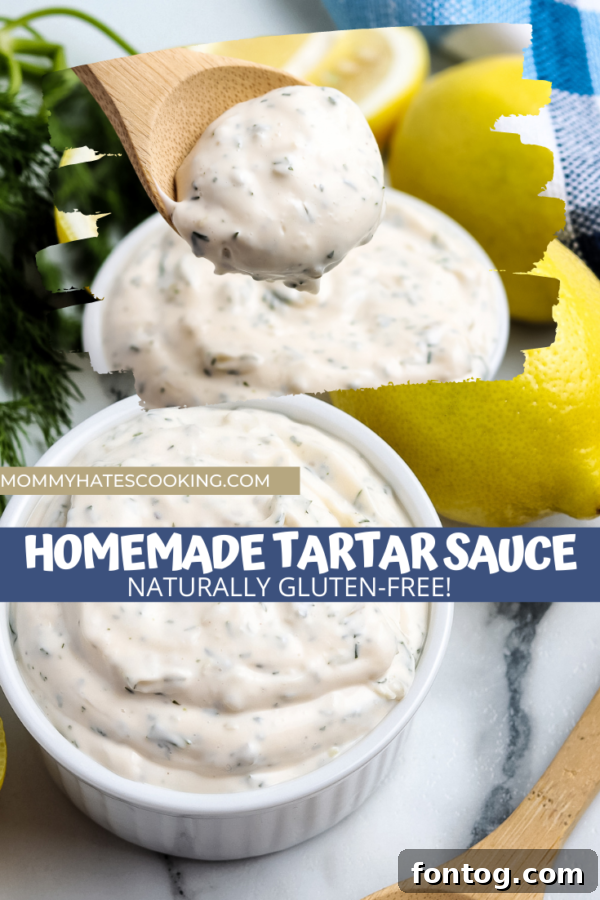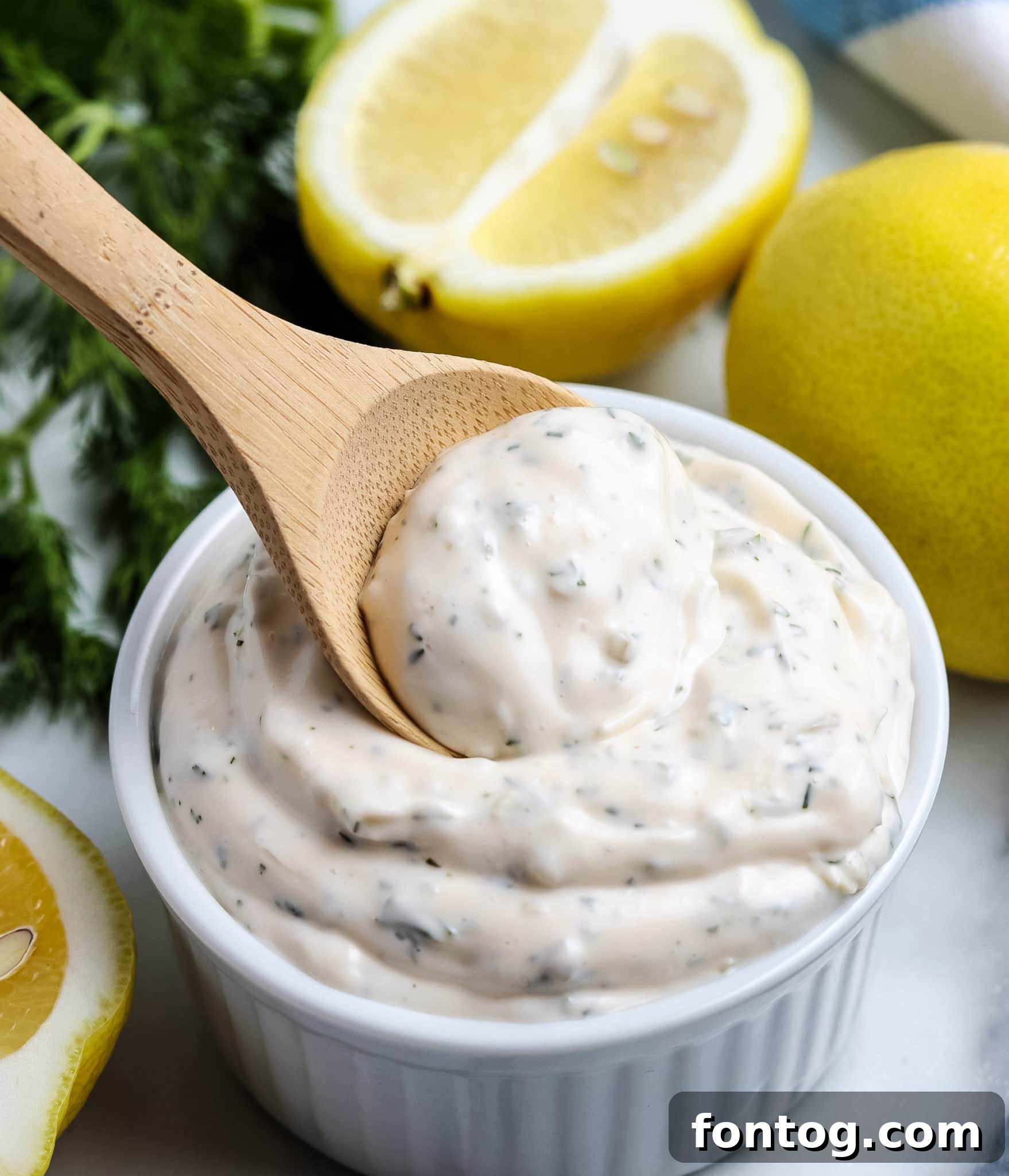
Effortless Homemade Tartar Sauce: Your Guide to a Naturally Gluten-Free, Flavorful Condiment
There’s nothing quite like the comforting tradition of a classic fish fry, is there? For many, it’s a cherished summer ritual, a celebratory meal that brings family and friends together. My son, for instance, eagerly anticipates his birthday dinner each year, always requesting crispy catfish, savory hush puppies, and all the delicious fixings. And what’s a perfect fish fry without that essential creamy, tangy counterpoint? You guessed it – tartar sauce!
For years, I relied on store-bought varieties, never imagining the simplicity and superior flavor of making it at home. It turns out, crafting your own homemade tartar sauce is not only incredibly easy but also naturally gluten-free, making it a fantastic option for everyone at your table. Plus, once you taste the fresh, vibrant difference, you’ll wonder why you ever bought it from a jar!
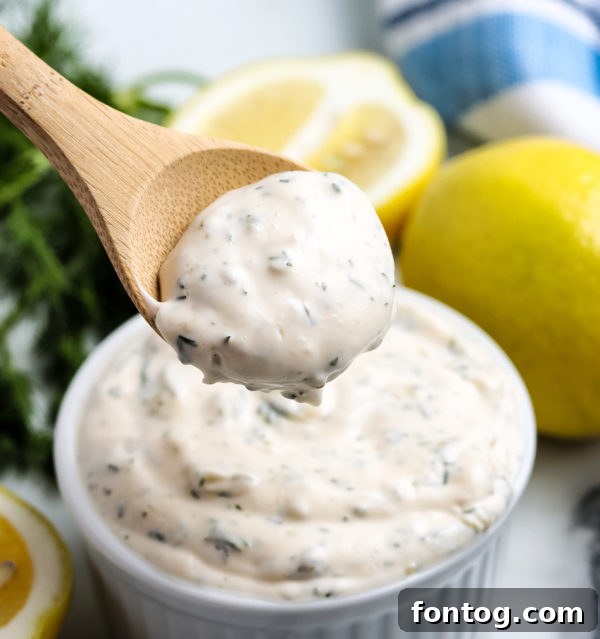
We’ve even updated our fish-frying game, often opting for Air Fryer Catfish these days to reduce oil without sacrificing any of that irresistible crunch. Pair this lighter, healthier fish option with our fresh tartar sauce, and you’ve got a meal that’s both nostalgic and perfectly suited for modern palates. Be sure to explore that Air Fryer Catfish recipe; it’s a game-changer!
Why Choose Homemade Tartar Sauce? Beyond Just Simplicity
You might be thinking, “Why bother making tartar sauce when there are so many readily available options?” The answer lies in several compelling advantages:
- Unmatched Freshness: Store-bought sauces often contain preservatives and artificial flavors. Homemade tartar sauce, on the other hand, is made with fresh ingredients, resulting in a cleaner, brighter, and more authentic taste.
- Ingredient Control: When you make it yourself, you control exactly what goes into your sauce. This is especially important for dietary preferences or restrictions, like needing a gluten-free option, or wanting to manage sodium or sugar content. You can choose your favorite mayonnaise, adjust the tanginess, and add fresh herbs to your liking.
- Customization is Key: Love a bit more dill? Prefer a spicier kick? Want to add capers for that classic briny depth? Homemade allows for endless customization to suit your personal taste or the dish you’re serving.
- Cost-Effective: Basic pantry staples are all you need, making homemade tartar sauce significantly cheaper than purchasing premium store brands.
- Quick & Easy: Seriously, it takes mere minutes to whisk together. If you have the ingredients on hand, you can whip up a batch faster than a trip to the grocery store.
The Building Blocks: What’s in Our Delicious Tartar Sauce?
The beauty of this recipe is its simplicity, relying on just a few core ingredients that come together to create a symphony of flavor. Let’s explore each one and why they’re so important.
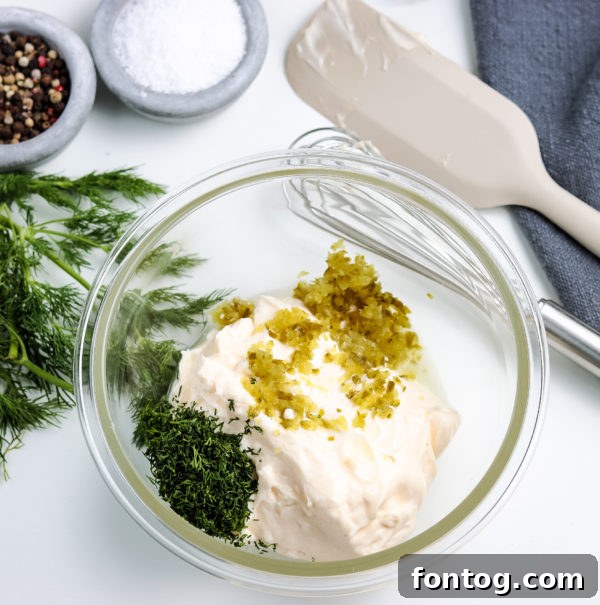
- Mayonnaise: The Creamy Foundation
This is the backbone of your tartar sauce, providing that rich, smooth texture. While any good quality mayonnaise will work, consider a brand known for its clean ingredients if you’re aiming for a healthier option. For those watching calories, a light mayonnaise can be a great substitute without compromising too much on flavor. If you’re exploring vegan options, plant-based mayonnaise works wonderfully here too, maintaining the creamy consistency while keeping the recipe entirely dairy-free. - Dill Pickles: The Tangy Crunch
Finely chopped dill pickles are what give tartar sauce its signature tang and delightful texture. The briny, slightly sour notes cut through the richness of fried foods perfectly. If you don’t have dill pickles on hand, dill relish is an excellent alternative and often comes pre-chopped, saving you a step. You could also experiment with finely diced gherkins for a slightly sweeter, more delicate pickle flavor. - Fresh Dill: The Aromatic Herb
While dried dill can be used in a pinch, fresh dill truly elevates this sauce. Its feathery fronds release a bright, slightly anise-like aroma and flavor that is indispensable for authentic tartar sauce. Finely chopped, it disperses beautifully throughout the sauce, adding both visual appeal and a burst of herbaceous freshness. - Lemon Juice: The Zesty Brightness
Freshly squeezed lemon juice is crucial. It adds a vibrant acidity that brightens the entire sauce, balancing the richness of the mayonnaise and the brininess of the pickles. Always opt for fresh lemon juice over bottled if possible; the flavor difference is significant. - Salt and Pepper to Taste: The Essential Seasonings
These fundamental seasonings are vital for bringing all the flavors into harmony. Start with a small amount and adjust as needed, tasting periodically. Remember, your pickles will already contribute some salt, so add cautiously.
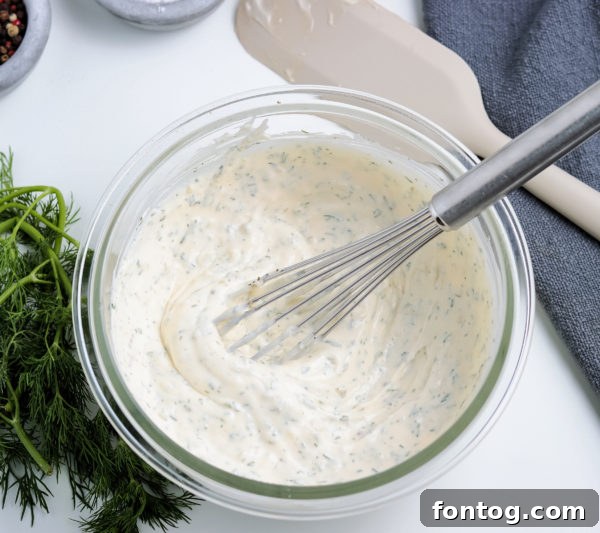
Customizing Your Tartar Sauce: Beyond the Basics
While the core recipe is fantastic on its own, one of the joys of homemade condiments is the ability to customize. Here are a few popular additions that can take your tartar sauce to the next level:
- Capers: For a truly classic, restaurant-style tartar sauce, finely chopped capers are a must. They add an intense, briny, floral, and salty punch that complements seafood perfectly.
- Minced Onion or Shallot: A tiny amount of very finely minced white onion or a shallot can add a subtle sharpness and depth. Rinse the onion briefly under cold water after mincing to reduce its harshness.
- Dijon Mustard: A teaspoon of Dijon can add a sophisticated, slightly spicy edge and a bit more emulsification.
- Fresh Parsley or Chives: If you love fresh herbs, a little extra finely chopped parsley or chives can add another layer of flavor and color.
- Hot Sauce: For those who like a little heat, a dash of your favorite hot sauce can provide a welcome kick.
- Worcestershire Sauce: A few drops can add an umami depth and savory complexity.
- A Pinch of Sugar: Sometimes, a tiny bit of sugar can help balance the acidity and tang, especially if your pickles are very sour.
Most of these versatile ingredients are likely already nestled in your refrigerator or pantry, ready to transform into something truly special.
Storing Your Homemade Tartar Sauce: Longevity and Freshness
One of the great things about this condiment is its impressive shelf life, thanks largely to the mayonnaise base and the acidic components. When stored correctly, your homemade tartar sauce can last surprisingly long, ensuring you always have some on hand for spontaneous seafood cravings.
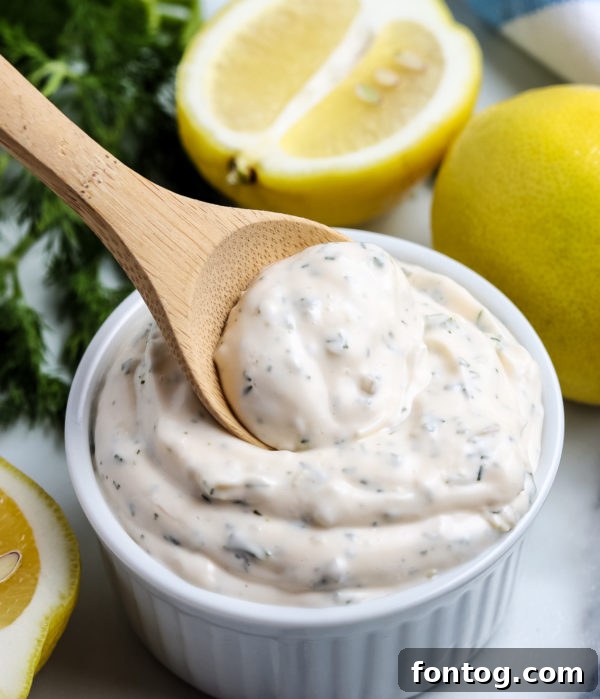
To maximize its freshness and safety, always transfer your freshly made tartar sauce to an airtight container. A glass jar with a tight-fitting lid is ideal. Store it promptly in the refrigerator. Generally, homemade tartar sauce will remain fresh and delicious for up to 2 months when stored properly. This timeframe largely mirrors the expiration date of your mayonnaise, as it’s the primary ingredient determining the sauce’s longevity. Always use your best judgment; if the sauce looks, smells, or tastes off, it’s best to discard it.
Are you ready to elevate your next seafood feast with this incredibly easy and delicious homemade condiment? Let’s dive into the recipe and whip up the best gluten-free tartar sauce you’ve ever tasted!
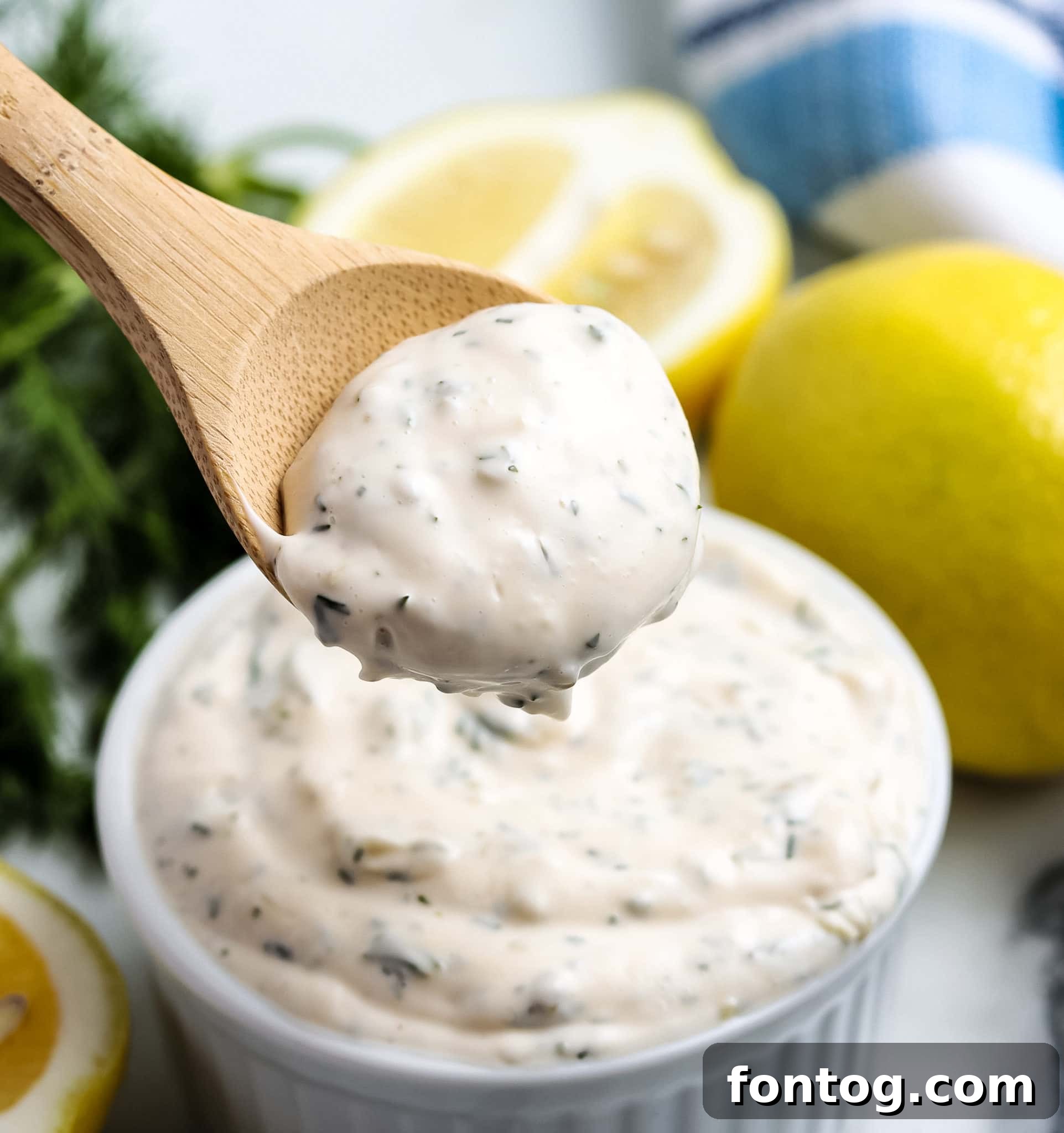
Homemade Tartar Sauce
Course Condiment, Sauce
Cuisine American
Servings 1 Cup
Save Recipe
Saved!
Prep Time 5 minutes
Total Time 5 minutes
Ingredients
- 1 Cup Mayonnaise (full-fat or light)
- 1/4 Cup Dill Pickles Finely Chopped (or dill relish)
- 1 Tbsp Fresh Dill Finely Chopped
- 1 Tsp Lemon Juice (freshly squeezed for best flavor)
- Salt and Pepper to Taste
- Optional additions: 1 tbsp capers (finely chopped), 1 tsp Dijon mustard, 1 tbsp finely minced fresh chives or parsley, a dash of hot sauce.
Instructions
-
Combine Ingredients: In a medium-sized bowl, combine the mayonnaise, finely chopped dill pickles (or relish), fresh dill, and lemon juice. Whisk everything together thoroughly until well combined and smooth.
-
Season and Adjust: Add salt and freshly ground black pepper to taste. Start with a pinch of each, stir well, and then taste. Adjust seasonings as needed, adding more lemon juice for extra tang or a touch more pickle for texture. If adding any optional ingredients like capers or Dijon mustard, incorporate them now.
-
Chill and Serve: For best flavor, cover the bowl and refrigerate the tartar sauce for at least 30 minutes before serving. This allows the flavors to meld beautifully. Store any leftovers in an airtight container in the fridge for up to 2 months.
Nutrition
Calories: 125kcal |
Fat: 14g |
Saturated Fat: 2g |
Polyunsaturated Fat: 11g |
Cholesterol: 8mg |
Sodium: 166mg
Serving Suggestions for Your Perfect Tartar Sauce
While tartar sauce is a classic companion for fried fish, its versatility extends far beyond. Don’t limit yourself! Here are some delightful ways to enjoy your homemade condiment:
- Classic Fish Dishes: The ultimate pairing for fried catfish, cod, haddock, tilapia, or homemade fish sticks. It’s also fantastic with baked or grilled white fish.
- Seafood Delights: A must-have for crab cakes, shrimp (fried, grilled, or boiled), scallops, and even oysters. It adds a much-needed zesty kick to richer seafood.
- Beyond Seafood: Surprisingly good with chicken tenders or nuggets. Dip your French fries, sweet potato fries, or onion rings into it for an elevated side.
- Sandwiches and Wraps: Spread it on fish sandwiches, turkey burgers, or even use it as a creamy base in chicken or tuna salad wraps.
- Vegetable Dipper: A flavorful dip for raw vegetables like cucumber slices, carrot sticks, or bell pepper strips.
Frequently Asked Questions About Tartar Sauce
Here are answers to some common questions about making and enjoying homemade tartar sauce:
Is this tartar sauce truly gluten-free?
Yes, absolutely! The basic ingredients—mayonnaise, dill pickles, fresh dill, lemon juice, salt, and pepper—are all naturally gluten-free. Always double-check the labels of your mayonnaise and pickles to ensure they don’t contain any hidden gluten-containing additives or suffer from cross-contamination, especially if you have severe sensitivities. Most major brands are safe, but it’s always wise to verify.
Can I make this ahead of time?
Indeed! In fact, making it ahead and allowing it to chill in the refrigerator for at least 30 minutes (or even a few hours) allows the flavors to meld and deepen, resulting in an even more delicious sauce. It’s perfect for meal prep or preparing for a party.
What if I don’t have fresh dill?
While fresh dill is highly recommended for its vibrant flavor and aroma, you can use dried dill in a pinch. As a general rule, use about one-third the amount of dried herbs compared to fresh. So, for 1 tablespoon of fresh dill, use about 1 teaspoon of dried dill. Be aware that the flavor will be less intense and fresh.
My tartar sauce seems too thick/thin. How do I fix it?
If it’s too thick, you can thin it out with a small amount of pickle juice or a tiny splash of water or milk, whisking until you reach your desired consistency. If it’s too thin, you might need to add a bit more mayonnaise or finely chopped pickles to thicken it up.
How can I make this lighter?
The main caloric contribution in tartar sauce comes from the mayonnaise. To make it lighter, simply use a light mayonnaise instead of full-fat. You can also increase the ratio of chopped pickles and fresh dill to mayonnaise to add volume and flavor without extra calories.
Can I use other types of pickles?
Dill pickles are traditional and provide the characteristic flavor. However, if you enjoy experimenting, you could try using bread and butter pickles for a sweeter tartar sauce, or even cornichons (small French gherkins) for a slightly different tang and texture. Just be mindful that the flavor profile will change.
With this simple recipe and these helpful tips, you’re well on your way to mastering the art of homemade tartar sauce. It’s a testament to how easily a few fresh ingredients can transform a meal from good to extraordinary. So, gather your ingredients, whisk away, and get ready to impress your taste buds and your guests!
Did you make this recipe?
We absolutely love seeing your culinary creations! Make sure to tag #mommyhatescooking on Instagram when you share your delicious homemade tartar sauce. Follow for more amazing recipes and kitchen tips @momhatescooking!
Pin Recipe
Share on Facebook