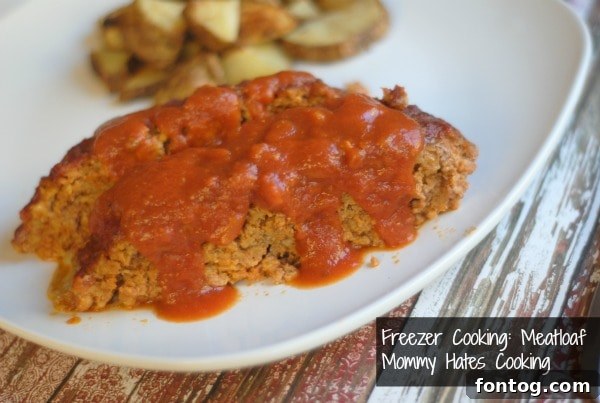
Mastering Meal Prep with Freezer-Friendly Meatloaf: Your Ultimate Guide to Stress-Free Dinners
In today’s fast-paced world, finding time to prepare nutritious and delicious meals can feel like a constant battle. Between work, family commitments, and everything in between, the thought of cooking a full dinner from scratch often adds another layer of stress to an already hectic day. This is where the magic of freezer cooking comes into play, transforming your kitchen routine and bringing unparalleled convenience to your weeknights. We’re thrilled to share another successful venture into the world of make-ahead meals, focusing on a true comfort food classic: meatloaf.
Whether you’re a busy professional, a stay-at-home parent, or simply looking to streamline your cooking process, embracing freezer meals can significantly lighten your load. Imagine coming home after a long day, knowing that a wholesome, homemade dinner is just an oven bake away. This isn’t just a fantasy; it’s the reality that freezer cooking offers.
My journey into dedicated freezer meal prep became particularly invaluable during the exciting, yet demanding, period of welcoming a new baby. The ability to pull a pre-made meal from the freezer was a game-changer, providing peace of mind and ensuring my family had well-fed evenings without the usual kitchen chaos. While having a baby was my primary motivation for a full-scale freezer cooking day, I’ve long practiced the art of freezing leftovers. For a smaller household like mine, where it’s primarily my husband and I at dinner, I often divide a meal in half, freezing one portion for future enjoyment. This method works beautifully for dishes like soups, stews, and chili, and as you’ll soon discover, it’s absolutely perfect for meatloaf too.
This particular recipe is an adaptation of my beloved classic meatloaf, specifically designed to be freezer-ready. The simplicity of taking it straight from the freezer and popping it into the oven on a busy evening is truly a lifesaver. While allowing it to defrost for a couple of hours prior to baking is ideal for more even cooking and reduced bake time, you absolutely can bake it from frozen. Just be prepared for a slightly longer cooking duration.
The Undeniable Benefits of Freezer Cooking and Meal Prepping
Before diving into the recipe, let’s take a moment to fully appreciate why freezer cooking is more than just a trend—it’s a sustainable lifestyle choice for modern households. The advantages extend far beyond simply having dinner ready:
Save Precious Time and Energy
One of the most significant benefits is the incredible amount of time you reclaim. Instead of cooking every single night, you can dedicate one block of time (an hour or a whole afternoon) to prepare several meals at once. This batch cooking approach means less daily chopping, mixing, and washing dishes. On busy weeknights, when you’re tired and pressed for time, the effort involved in preparing a meal is minimal, allowing you to relax or focus on other priorities.
Reduce Food Waste and Save Money
Freezer cooking encourages you to buy ingredients in bulk, often taking advantage of sales. When you plan your meals ahead and prepare them for the freezer, you’re less likely to let fresh produce go bad or buy unnecessary items. This strategic shopping and cooking process translates directly into significant savings on your grocery bill. Furthermore, having ready-made meals at hand drastically reduces the temptation and need for expensive takeout or last-minute restaurant visits.
Minimize Daily Stress and Decision Fatigue
The dreaded “What’s for dinner?” question can be a major source of stress. Freezer meals eliminate this daily dilemma. With a well-stocked freezer, you have a rotating menu of delicious options at your fingertips, making meal planning effortless. This reduction in decision fatigue frees up mental energy for other aspects of your life, making your evenings more enjoyable and less about food logistics.
Promote Healthier Eating Habits
When you prepare your own freezer meals, you have complete control over the ingredients. This means you can opt for fresh, wholesome components, reduce added sugars, unhealthy fats, and preservatives often found in store-bought convenience foods. It’s an excellent way to ensure your family enjoys nutritious, home-cooked meals even on the busiest days, helping you stick to dietary goals and preferences, including options like gluten-free.
Perfect for Portion Control and Specialized Diets
For smaller families or individuals, freezer cooking allows you to prepare larger recipes and divide them into single or double servings. This not only prevents leftovers from going to waste but also makes portion control simple and effective. It’s also ideal for accommodating specific dietary needs, as you can easily label meals suitable for different preferences or allergies.
Why Meatloaf is the Ultimate Freezer Meal
Meatloaf might seem like a simple, old-fashioned dish, but it’s remarkably well-suited for freezer cooking. Its dense texture helps it maintain its integrity during freezing and thawing. The flavors, often a medley of savory herbs, spices, and a tangy sauce, actually deepen and meld beautifully after being frozen and reheated. It’s a hearty, satisfying meal that truly epitomizes comfort food, making it a perfect candidate for a make-ahead solution. Plus, it’s incredibly versatile and pairs wonderfully with a variety of side dishes.
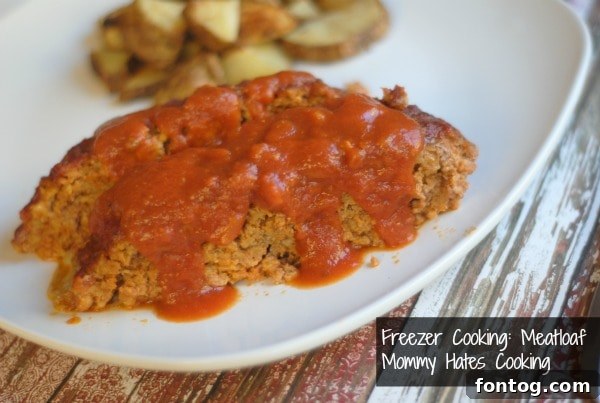
Freezer Cooking: Delicious Make-Ahead Meatloaf
This easy and flavorful meatloaf recipe is perfect for batch cooking and freezing, ensuring you have a comforting homemade meal ready whenever you need it. Ideal for busy weeknights or new parents!
- Prep Time: 15 minutes
- Cook Time (from defrosted): 1 hour 30 minutes
- Yields: 6-8 servings
Share this recipe with friends and family!
Pin Recipe |
Share on Twitter |
Share on Facebook
Ingredients
- 2 lbs of Ground Beef (preferably lean)
- 1 (16 oz) Jar of Your Favorite Pasta Sauce (divided)
- 4 Egg Whites
- 1 Cup of Oats or Certified Gluten-Free Oats
Instructions
- In a large mixing bowl, combine the ground beef, half of the pasta sauce (approximately 8 oz), egg whites, and oats. Mix thoroughly using your hands until all ingredients are well incorporated, but be careful not to overmix, which can make the meatloaf tough.
- Form the mixture into a classic loaf shape on a large sheet of heavy-duty aluminum foil. Ensure the loaf is uniform in thickness for even cooking.
- Carefully wrap the meatloaf securely with the foil, making sure it is airtight to prevent freezer burn. For extra protection, you can then place the foil-wrapped meatloaf into a freezer-safe aluminum casserole dish or a large freezer bag. Label clearly with the date and cooking instructions.
- When you are ready to prepare this delicious meal: Transfer the frozen meatloaf to the refrigerator and allow it to defrost for a few hours (or overnight for best results). Once partially defrosted, unwrap the meatloaf and place it in a baking dish. If baking from frozen, you can place it directly into the baking dish, but note the extended cooking time.
- Preheat your oven to 375°F (190°C). Bake the unwrapped meatloaf for approximately 1 hour and 30 minutes, or until the internal temperature reaches at least 165°F (74°C) when measured with a meat thermometer in the deepest part of the loaf. If baking from frozen, expect a cooking time of 2 to 2.5 hours, still aiming for 165°F.
- About 15-20 minutes before the end of the baking time, pour the remaining pasta sauce (the other 8 oz) over the meatloaf. This creates a delicious, moist topping.
- Once fully cooked, remove from the oven and let it rest for 10-15 minutes before slicing and serving. This allows the juices to redistribute, ensuring a tender and flavorful meatloaf.
Nutrition (Estimated per serving)
Serving: 1Servings (based on 8 servings)
Exact nutritional values may vary based on specific ingredients used.
Did you make this recipe?
We’d love to see your creations! Make sure to tag #mommyhatescooking on Instagram and follow for more delicious ideas @momhatescooking
Pin Recipe
Share on Facebook
Freezing and Reheating Best Practices for Meatloaf
To ensure your freezer meatloaf tastes as good as freshly made, proper freezing and reheating techniques are key. Following these simple steps will help you avoid freezer burn and guarantee a delicious meal every time.
Preparing Your Meatloaf for the Freezer
- Cool Completely (if pre-cooked): If you prefer to cook your meatloaf before freezing, ensure it cools completely before wrapping. This prevents condensation from forming ice crystals, which leads to freezer burn. For this recipe, we freeze it raw.
- Secure Wrapping is Crucial: As outlined in the recipe, wrap the formed, raw meatloaf tightly in heavy-duty aluminum foil. This is your first line of defense against air and moisture.
- Double Protection: For ultimate protection, place the foil-wrapped meatloaf into a large, airtight freezer bag or a freezer-safe container. Press out as much air as possible from the bag before sealing. This dual-layer approach significantly minimizes the risk of freezer burn.
- Label Clearly: Always label your frozen items with the dish name and the date it was prepared. Meatloaf can be safely stored in the freezer for up to 3-4 months.
Reheating Your Frozen Meatloaf
- Defrosting in the Refrigerator (Recommended): The safest and most effective way to defrost meatloaf is in the refrigerator. Transfer the frozen meatloaf (still wrapped) to the fridge 24-48 hours before you plan to cook it. This slow defrosting helps maintain texture and flavor.
- Cooking from Partially Defrosted: Once defrosted for a few hours, remove the foil, place the meatloaf in a baking dish, and follow the baking instructions provided (375°F for 1.5 hours).
- Cooking from Frozen (No Defrosting): If you’re in a hurry, you can cook meatloaf directly from frozen. Keep it wrapped in foil for the first hour of baking to help it thaw evenly. Then, unwrap, apply the remaining sauce, and continue baking. Expect the total cooking time to increase significantly, often by 60-90 minutes, so always use a meat thermometer to ensure it reaches 165°F (74°C). You might start at a slightly lower temperature like 350°F (175°C) for the initial phase to prevent the outside from drying out before the inside is cooked through.
- Resting Time: Regardless of how you cook it, allow the meatloaf to rest for 10-15 minutes after removing it from the oven. This resting period is essential for the juices to redistribute, resulting in a moister and more flavorful slice.
Delightful Serving Suggestions for Your Meatloaf
Meatloaf is a versatile dish that pairs wonderfully with a variety of sides, making it a perfect centerpiece for a comforting family dinner. Here are some ideas to complete your meal:
- Classic Mashed Potatoes: The ultimate pairing! Creamy mashed potatoes soak up any delicious meatloaf juices.
- Roasted Vegetables: Carrots, green beans, Brussels sprouts, or asparagus roasted with a drizzle of olive oil and herbs add vibrant color and nutrients.
- Sweet Corn or Green Beans: Simple steamed or sautéed vegetables are quick and always a hit.
- Side Salad: A fresh, crisp green salad with a light vinaigrette offers a refreshing contrast to the richness of the meatloaf.
- Dinner Rolls or Crusty Bread: Perfect for soaking up any extra sauce.
Creative Ways to Use Leftover Meatloaf
Should you have any leftovers, meatloaf is fantastic for repurposing!
- Meatloaf Sandwiches: Slice cold meatloaf for incredible sandwiches, perhaps with a little mayo or extra pasta sauce.
- Meatloaf Hash: Dice leftover meatloaf and sauté it with potatoes and onions for a hearty breakfast or brunch hash.
- Crumbled into Pasta Sauce: Crumble and add to spaghetti sauce for a robust, meaty pasta dish.
Customize Your Meatloaf: Variations to Explore
This recipe provides a fantastic base, but don’t hesitate to experiment and make it your own!
- Different Ground Meats: While ground beef is classic, feel free to use ground turkey, chicken, or a blend of beef and pork for different flavor profiles and fat content.
- Add Veggies: Finely grated carrots, zucchini, bell peppers, or onions can be mixed into the loaf for added moisture, flavor, and nutrients. Sauté them lightly before adding to the mixture.
- Herb & Spice Blends: Experiment with different herbs like thyme, rosemary, or sage, or add a pinch of smoked paprika or garlic powder for extra depth.
- Sauce Variations: Instead of pasta sauce, you could use a classic ketchup-based glaze (ketchup, brown sugar, a splash of vinegar), a BBQ sauce, or even a mushroom gravy.
There you have it—a comprehensive guide to creating a truly spectacular, freezer-friendly meatloaf that will become a staple in your meal prep routine. The joy of having a comforting, homemade meal ready to go with minimal effort is a reward in itself. So, embrace the power of freezer cooking and prepare to simplify your life!
Enjoy!
Have you visited our Products list? Be sure and check out Mommy Hates Cooking Products and Services.
Need more recipe ideas? Check out the Recipe Index by Mommy Hates Cooking.