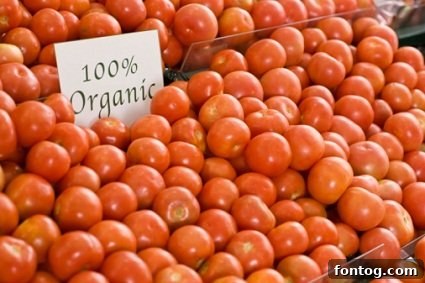
In today’s special feature, we are thrilled to host Sarah Roe from Money Saving Queen. Many of us aspire to incorporate more organic foods into our diets, but the common perception of high prices often stands as a significant barrier. Sarah, an acclaimed expert in smart shopping, is here to demystify saving money on organic products, focusing specifically on Whole Foods Market. Beyond these invaluable tips, Sarah also conducts free workshops at Whole Foods locations in Tulsa throughout the year. For those interested in attending her engaging sessions, be sure to visit her events page for detailed schedules and locations.
Mastering Savings at Whole Foods Market: Your Ultimate Guide to Organic on a Budget
Navigating the aisles of Whole Foods Market with a budget in mind might seem like a daunting task to some. The premium associated with organic and specialty products often leads shoppers to believe that significant savings are out of reach. However, with the right strategies and a bit of know-how, it’s entirely possible to enjoy high-quality organic groceries without overspending. My comprehensive ebook, Organic on a Budget, delves deeply into all the tips and tricks for maximizing savings on organic foods. Today, I’m excited to share some of my top, battle-tested strategies specifically tailored for smart shopping at Whole Foods Market.
Unlock Savvy Shopping: 5 Essential Strategies for Whole Foods Market
Please note: The following information is based on the store coupon policy for Whole Foods Market locations in Tulsa and Oklahoma City. Policies can vary by region and may evolve, so we highly recommend verifying specific details with your local Whole Foods store to ensure you maximize your savings. Always check with customer service for the most current local guidelines.
1. Capitalize on “Insane Sales” and Strategic Meal Planning
Whole Foods Market consistently features thousands of items on sale every week. These aren’t just minor markdowns; they often represent significant price drops that can form the cornerstone of a successful budget-friendly shopping trip. To truly capitalize on these “insane sales,” proactive planning is absolutely essential:
- Review Weekly Flyers Diligently: Before you even step into the store, make it a habit to check their weekly sales flyer. These are readily available both online on the official Whole Foods website and in print at the store’s entrance. Planning your menu around these sale items will lead to substantial savings, ensuring you’re buying what’s cheapest that week.
- Look for Regional and Day-Specific Specials: Many Whole Foods locations offer unique regional promotions designed to attract shoppers. For instance, some stores, like ours, frequently feature a “Double Flyer Wednesday.” This means that on Wednesdays, shoppers can take advantage of both the previous week’s sales flyer and the current week’s sales flyer simultaneously. This effectively doubles your opportunities for discounts on a wide range of products for one day. Always inquire at your local store about similar ongoing promotions or special shopping days.
- Understand “Loss Leaders”: Retailers often feature a few deeply discounted items, known as “loss leaders,” to attract customers into the store. These items are often priced below cost. Learn to identify these products in the flyer, as they represent excellent opportunities to stock up on frequently used staples or specialty items at a fraction of their usual cost.
- Strategic Stocking Up: When you find non-perishable items (like canned goods, pasta, or certain grains) or freezer-friendly organic meats and produce on a significant sale, consider buying extra. This reduces your average cost over time and ensures you have essential items readily available without paying full price later. Always be mindful of expiration dates, even for frozen goods.
2. Master the Art of Coupon Stacking for Double Savings
Coupons are a powerful tool for savings, and Whole Foods Market makes them even more effective through its policy that often allows coupon stacking. This strategy can significantly reduce your grocery bill:
- The Whole Deal Newsletter: Your Go-To Resource: This invaluable resource is packed with exclusive Whole Foods store coupons. You can find “The Whole Deal” newsletter both online on the official Whole Foods Market website and in physical copies conveniently located at the front of the store. Always grab one or check online before your shopping trip, as these coupons can cover a wide range of organic and natural products.
- Embrace Coupon Stacking: The Key to Deeper Discounts: This is where the real magic happens for savvy shoppers. Our local Whole Foods stores permit shoppers to “stack” Whole Foods’ own store coupons with manufacturer’s coupons on the same item. This means you can often apply two discounts to a single item. For example, if you have a Whole Foods coupon for $1 off a specific organic yogurt and a manufacturer’s coupon for $0.75 off the same brand and size, you could save a total of $1.75 on that one item! This strategy alone can lead to dramatic savings.
- Finding Manufacturer Coupons Beyond the Store: Don’t limit yourself to just in-store coupons. Explore various sources for manufacturer coupons, including:
- Online coupon portals and printable coupon websites (e.g., Coupons.com).
- Directly from brand websites and their email newsletters.
- Sunday newspaper inserts, which still offer a treasure trove of coupons.
- Grocery store apps and digital coupon platforms, which often host manufacturer offers.
- Organize Your Coupons Effectively: A simple coupon organizer, a dedicated envelope, or even a digital folder can help you keep track of your coupons and ensure you don’t miss out on savings at checkout. Being organized is crucial to maximizing your couponing efforts.
3. Leverage Bulk Buying for Significant Discounts
Whole Foods Market rewards shoppers who buy in larger quantities with a standing discount that can add up to substantial savings over time:
- The 10% Case Discount Explained: Whole Foods offers a generous 10% discount when you purchase a full case of any single product in the store. This applies across a vast range of items, from pantry staples like canned goods and pasta to beverages, snacks, and even certain health and beauty products. The discount is typically applied automatically at the register once the case quantity is met. It’s an excellent way to save on items you know you’ll use consistently.
- Identifying Case Quantities Easily: Wondering what constitutes a “case”? It’s simpler than you might think. Look at the price tag displayed in front of the product. It will often indicate the case quantity, usually stating a number like 6, 12, or 24. When you buy that specified amount of product, you qualify for the discount. If you’re unsure or can’t find the quantity listed, don’t hesitate to ask a store associate for assistance; they are usually very helpful.
- Ideal Products for Bulk Purchase: Consider buying cases of items that you use frequently and have a long shelf life. This includes:
- Non-perishable pantry items: organic canned beans, tomatoes, broths, olive oil, dried pasta, grains, cereals.
- Beverages: bottled waters, sparkling drinks, specialty juices, kombucha.
- Snacks: organic granola bars, nuts, seeds, dried fruit (always check best-by dates for freshness).
- Household essentials: organic cleaning supplies, paper products, and personal care items if available in cases.
- Combine for Maximum Impact: This is where true super-saving happens. Imagine combining the 10% case discount with a weekly sale price AND a stacked coupon (a Whole Foods coupon plus a manufacturer’s coupon). This triple-threat strategy can result in incredible savings, turning a good deal into a true steal. Always look for opportunities to layer these saving methods for the ultimate value.
4. Embrace the Value of the 365 Everyday Value Brand
For budget-conscious shoppers at Whole Foods, the 365 Everyday Value brand is a transformative solution. It represents the store’s private label and offers an exceptional balance of quality and affordability, making healthy eating more accessible:
- Quality Without the High Price Tag: The 365 Everyday Value brand adheres to the same stringent quality standards as many national organic and natural brands. This means you’re getting products free from artificial colors, flavors, sweeteners, and hydrogenated fats, with a significant portion of items being certified organic or non-GMO, but at a consistently lower price point. It’s an excellent way to maintain your commitment to healthy eating and ethical sourcing without breaking the bank.
- Wide Range of Products for Every Need: The 365 line spans almost every grocery category imaginable, from dairy and produce to frozen foods, pantry staples, snacks, and even household items. This extensive range allows you to replace many of your regular, more expensive purchases with more affordable 365 alternatives without compromising on quality or health standards.
- Specific Categories to Explore for Value: Pay particular attention to 365 products in categories like:
- Organic milk, eggs, cheese, and yogurt.
- Canned goods (e.g., organic diced tomatoes, black beans) and baking essentials (flour, sugar).
- Frozen fruits and vegetables, which are often just as nutritious as fresh but less costly.
- Cereals, granola, and oatmeal.
- Spices, condiments, and cooking oils.
- Look for 365 Coupons and Promotions: While already affordably priced, Whole Foods occasionally issues specific coupons for 365 Everyday Value products. Keep an eye out for these in “The Whole Deal” newsletter, through digital offers, or within the Whole Foods Market app for even deeper discounts on these already budget-friendly items.
5. Take Advantage of Frequent Shopper Cards and Amazon Prime Benefits
Whole Foods Market often provides loyalty programs designed to reward frequent purchases of specific staple items. These programs, alongside modern additions like Amazon Prime benefits, are simple yet highly effective ways to save on items you regularly buy:
- Traditional Punch Card Programs: Our local Whole Foods stores, for example, offer physical punch cards for items like coffee, bread, and vitamins. The concept is straightforward: you purchase a certain number of the qualifying Whole Foods Market brand product (e.g., 5 loaves of organic bread), and upon completing the card, you receive the next item (e.g., the 6th loaf of bread) for free.
- Where to Find Loyalty Program Information: These valuable punch cards and details about other loyalty programs are typically available at the customer service desk or directly at the cash registers. Make it a point to ask a store associate about any current frequent shopper programs when you visit; they are often happy to explain how they work.
- Consistency is Key for Long-Term Savings: While not a massive upfront discount, these cards provide significant long-term savings on everyday essentials. If you consistently buy specific products like organic coffee beans or their in-house baked breads, these programs are definitely worth participating in for cumulative savings.
- Unlock Savings with Amazon Prime: In recent years, with Amazon’s acquisition of Whole Foods Market, Amazon Prime members now enjoy exclusive and substantial benefits. This includes an extra 10% off hundreds of weekly sale items (identifiable by yellow tags throughout the store) and special Prime member-only deals (marked with distinctive blue tags). Make sure to link your Prime account to the Whole Foods Market app or simply provide your phone number at checkout to automatically apply these discounts. This is a game-changer for many shoppers and a vital, modern strategy for saving at Whole Foods today.
Additional Smart Shopping Strategies for Whole Foods Market
Beyond these five core tips, a few other habits can significantly enhance your savings and ensure you get the most value from your Whole Foods Market visits:
- Shop with a Detailed List and Stick to It: Impulse purchases are notorious budget-killers. Before heading to the store, plan your meals for the week, create a detailed shopping list based on current sales and your needs, and resist the urge to stray from it. This discipline prevents unnecessary spending.
- Prioritize Seasonal Produce: Organic produce bought in season is almost always more affordable, tastes better, and often comes from closer sources. Familiarize yourself with what’s in season locally and plan your fruit and vegetable purchases accordingly to maximize freshness and minimize cost.
- Inquire at the Meat and Seafood Counters for Deals: Sometimes, the butchers or fishmongers might have “manager’s special” deals on items nearing their sell-by date. These are perfectly good products that can be cooked immediately or frozen for later at a significant discount. Don’t hesitate to ask the staff about any special offers or cuts that are more economical.
- Utilize the Hot Bar and Prepared Foods Wisely: While often perceived as expensive, the hot bar and prepared foods section can offer surprisingly good value for a quick, healthy meal, especially if you stick to items charged by weight that are denser (like roasted vegetables or hearty salads rather than light greens) and thus offer more substance for your money. It’s a great option for a convenient, healthy lunch.
- Don’t Be Afraid to Ask Questions: Whole Foods Market staff are generally very knowledgeable and helpful. If you have questions about prices, specific store policies, the source of a product, or even specific product recommendations, ask! They can often point you to the best deals, clarify coupon policies, or help you find what you need within your budget.
- Consider DIY: Many pre-packaged items, especially organic ones, come with a convenience premium. Think about making your own snacks, dressings, or even cutting your own produce to save money compared to their pre-cut or prepared counterparts.
The notion that saving money at Whole Foods Market is impossible is simply untrue. By familiarizing yourself with the store’s policies, understanding their diverse range of savings opportunities, and adopting these smart shopping strategies, you can consistently achieve significant savings on high-quality, organic products. It’s about being informed and strategic, rather than relying on luck or assuming high prices are inevitable. Empower yourself with these tips and transform your Whole Foods shopping experience into a budget-friendly adventure!
Sarah Roe, widely known as the Money Saving Queen, is a devoted wife and mother residing in Oklahoma. Her journey into the world of extreme couponing began out of necessity when her eldest son was diagnosed with life-threatening food allergies, prompting a need to find affordable ways to provide him with safe, quality food. Now, she passionately shares the extensive knowledge and strategies she has meticulously developed over the years. Sarah’s expertise is syndicated in cities across the US, and she regularly shares her money-saving insights on television, including appearances on News on 6 and News 9. You can stay connected with Sarah Roe and access her invaluable tips by visiting her website Money Saving Queen, following her on Twitter as @moneysavinqueen, and liking her Facebook page.