Capturing Autumn’s Magic: The Delightful World of Handprint Fall Tree Crafts for Kids
As the crisp autumn air arrives and leaves begin their magnificent transformation from vibrant green to a symphony of reds, oranges, and yellows, it’s the perfect time to engage in seasonal activities that capture this natural beauty. One of the most cherished and simple fall crafts for children is creating a handprint fall tree. This delightful activity not only produces a beautiful piece of art but also offers a wonderful opportunity for kids to explore their creativity, develop fine motor skills, and make lasting memories with their loved ones.
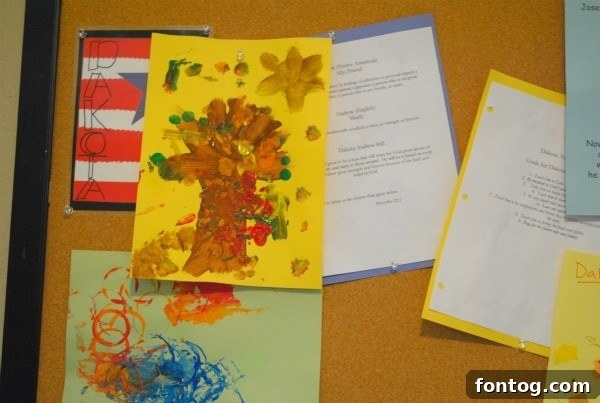
Recently, I embarked on this charming Fall Tree activity with my own son. While many versions of this craft suggest using fingerprints for the leaves, we opted for a slightly different approach: using his adorable handprint as the tree trunk and branches, and then adding colorful “leaves” with paint. Our resulting tree wasn’t quite as symmetrical or polished as some of the perfect examples you might find online, but it was brimming with character and his unique touch. I initially underestimated just how tiny his hands were, resulting in wonderfully slender branches. Despite these minor quirks, the process was incredibly fun, and I truly believe he did a magnificent job. More importantly, he absolutely adored it – there’s something about paint that just lights up a child’s world!
Photo Source: All Kids Network
Why Choose the Handprint Fall Tree Craft?
This particular craft stands out for several compelling reasons, making it a favorite among parents and educators alike:
- Simplicity and Accessibility: You don’t need fancy materials or advanced artistic skills. Basic construction paper, washable paints, and a child’s hand are all it takes to get started.
- Personal Touch: A child’s handprint makes each tree uniquely theirs. It’s not just a craft; it’s a personal keepsake, capturing a snapshot of their size and creativity at a particular age.
- Seasonal Relevance: It perfectly aligns with the autumn season, helping children connect with nature and understand the changes happening around them.
- Developmental Benefits: Beyond the fun, this craft aids in the development of fine motor skills as children learn to dab, swirl, and mix colors. It also fosters creativity, color recognition, and sensory exploration.
- Parent-Child Bonding: Crafting together provides quality time for families, encouraging communication, cooperation, and shared enjoyment.
Getting Started: What You’ll Need
Gathering your materials is the first step to a successful and enjoyable crafting session. Here’s a simple checklist:
- Paper: Sturdy white or light-colored construction paper, cardstock, or even a canvas for a more permanent piece. The size depends on how large you want your tree to be.
- Paint: Washable tempera or acrylic paints in fall colors. Think brown for the trunk, and a selection of red, orange, yellow, and even a touch of green for the leaves.
- Paintbrushes (Optional): For adding details, blending colors, or if you prefer not to use fingers for leaves.
- Plates or Palettes: To squirt paint onto for easy access.
- Wipes or Damp Cloths: Essential for quick clean-ups, especially when working with little ones.
- Newspaper or Drop Cloth: To protect your work surface from paint splatters.
- Aprons or Old Clothes: For both you and your child to wear, ensuring paint doesn’t ruin favorite outfits.
Step-by-Step Guide to Your Handprint Fall Tree
Follow these easy steps to create your very own autumn masterpiece:
- Prepare Your Workspace: Lay down newspaper or a drop cloth to cover your table. Dress yourselves in old clothes or aprons. This preparation helps to minimize stress about mess and allows everyone to relax and enjoy the creative process.
- Create the Trunk and Branches:
- Squirt a generous amount of brown paint onto a plate.
- Help your child press their hand firmly into the brown paint, ensuring their palm and fingers are well coated.
- Carefully press their paint-covered hand onto the paper, with their fingers pointing upwards to form the branches. Apply gentle, even pressure.
- Lift their hand straight up to avoid smudging. Voilà! You have the foundation of your fall tree.
- You can use a paintbrush to extend the trunk if desired, or to add more detail to the base.
- Add the Colorful Leaves: This is where the magic truly happens and children can express themselves.
- Place small dabs of red, orange, and yellow paint onto separate sections of a palette or another plate.
- Instruct your child to dip their fingertip into one color at a time and then gently press it onto the paper around the handprint branches. This creates the individual “leaves.”
- Encourage them to mix colors, overlap fingerprints, and create a dense canopy of autumn foliage. There’s no wrong way to do it! Some might prefer swirling their finger to make larger leaf clusters, while others enjoy precise dots.
- For younger children, you might guide their hand or even help them use a cotton swab or the eraser end of a pencil for easier application.
- Let it Dry: Once satisfied with their creation, find a safe, flat spot for the artwork to dry completely. This can take several hours, depending on the thickness of the paint.
- Optional Embellishments: After the paint is dry, you can add extra touches. Think glitter for a sparkly tree, real small leaves glued on, or even drawing tiny birds or squirrels around the base of the tree.
Tips for a Smooth and Enjoyable Crafting Session
Crafting with kids is about the process, not just the perfect product. Here are some tips to make the experience enjoyable for everyone:
- Embrace the Mess: Paint and kids often lead to mess. Accept it as part of the fun! Preparation (drop cloths, old clothes) goes a long way in reducing stress.
- Keep it Age-Appropriate: For toddlers, keep instructions simple and be ready to offer more hands-on assistance. Older children can be given more freedom to experiment with colors and techniques.
- Focus on the Experience: Praise effort and creativity, not just the outcome. The joy of dipping fingers in paint and seeing colors come alive is the most valuable part.
- Limit Distractions: Choose a time when your child is well-rested and not hungry, in an environment with minimal distractions, so they can fully immerse themselves in the activity.
- Have a Clean-Up Plan: Knowing exactly how you’ll clean up afterwards (sink nearby, wipes ready) makes the whole process less daunting.
Beyond the Basic Tree: Creative Variations
Once you’ve mastered the basic handprint fall tree, feel free to explore these variations:
- Multiple Handprints: For a larger, fuller tree, use multiple handprints (even from different family members!) to create a dense canopy of branches.
- Sponge Painting: Instead of fingerprints, use small pieces of sponge to dab on the “leaves” for a different texture and effect.
- Leaf Rubbings: Incorporate real fall leaves by doing leaf rubbings on a separate paper, cutting them out, and gluing them onto the painted tree for a mixed-media approach.
- Glitter and Texture: While the paint is still wet, sprinkle some fine glitter over the leaves for a shimmering effect. You can also add actual small, dried leaves or tiny pom-poms for texture.
- Four Seasons Tree: Create a series of trees, each representing a season, with different colors and elements (e.g., bare branches for winter, green leaves and flowers for spring).
The Enduring Value of Childhood Crafts
Crafting is more than just a pastime; it’s a vital part of a child’s development. Activities like making a handprint fall tree contribute significantly to several key areas:
- Cognitive Development: Following instructions, making choices about colors and placement, and problem-solving (e.g., “How do I make more yellow leaves?”) all stimulate cognitive functions.
- Emotional Expression: Art provides a safe outlet for children to express feelings and ideas without words.
- Sensory Exploration: The feel of paint, the vibrant colors, and the process of creating offer rich sensory input that is crucial for young learners.
- Self-Esteem and Accomplishment: Finishing a project, especially one that will be displayed, gives children a sense of pride and boosts their self-esteem.
- Memory Making: These crafts become tangible memories of shared moments, growing hands, and joyful autumn days.
Displaying Your Autumn Masterpiece
Once your beautiful handprint fall tree is dry, it deserves to be proudly displayed! We chose to hang ours on a board on the wall, right alongside his other precious artwork. Even if it’s a little “messy” or not perfectly symmetrical, it’s a testament to his creativity and a cherished part of our home decor for the season. You can frame it, use it as a centerpiece on your dining table, or give it as a heartfelt gift to grandparents. These personal touches add warmth and personality to any space, making your home feel cozy and welcoming for fall.
Embrace the Season and Get Crafting!
There’s a unique magic that comes with autumn, and what better way to celebrate it than by getting creative with your children? A handprint fall tree is more than just a craft; it’s an experience, a memory, and a beautiful piece of art that truly captures the spirit of the season. So, gather your supplies, put on some festive music, and prepare for some joyful, paint-filled fun. You’ll not only end up with a lovely seasonal decoration but also invaluable moments spent connecting with your child.
Happy Painting, and Happy Fall!