This post is sponsored by Welch’s® Fruit Snacks. I am being compensated for this post. All comments and opinions are my own.
Empowering Independence: 5 Simple Ways to Teach Kids to Pack Their Own Healthy Lunch
With the school year now in full swing for families across the country, the daily routine of packing lunches has undoubtedly resumed. For many parents, this can be a time-consuming task, often leading to morning rushes and decision fatigue. However, imagine a scenario where your children confidently and independently prepare their own nutritious school meals. This year, I’ve taken a significant step toward fostering this independence by allowing my son more freedom in packing his lunch. What I’ve discovered is that starting this process early can lay a strong foundation, enabling children to master the art of packing a balanced and enjoyable lunch as they grow. My daughter, even at a younger age, has already begun assisting, and I anticipate that in just a few short years, she too will be fully capable of handling her lunch responsibilities.
Empowering children to pack their own lunches offers a multitude of benefits, extending far beyond simply saving parents time. It instills a sense of responsibility, promotes healthy eating habits, and helps kids develop crucial decision-making skills. By involving them in the process, children become more invested in their food choices and are often more likely to eat what they’ve packed. This approach not only lightens the parental load but also equips children with life skills that will serve them well into adulthood. Today, I’m excited to share five practical and easy-to-implement strategies to guide your children on this journey toward packing their own delicious and nutritious school lunches.
I distinctly recall my own childhood experiences with packed lunches, which, to be honest, were often far from ideal in terms of nutrition and variety. This personal experience profoundly shaped my perspective on healthy eating habits, leading me to prioritize a different approach for my own children. I’ve made a concerted effort to ensure my kids understand the components of a balanced meal, setting clear parameters for what goes into their lunchboxes. Along this journey, I’ve gathered several invaluable tips that have genuinely made a difference.
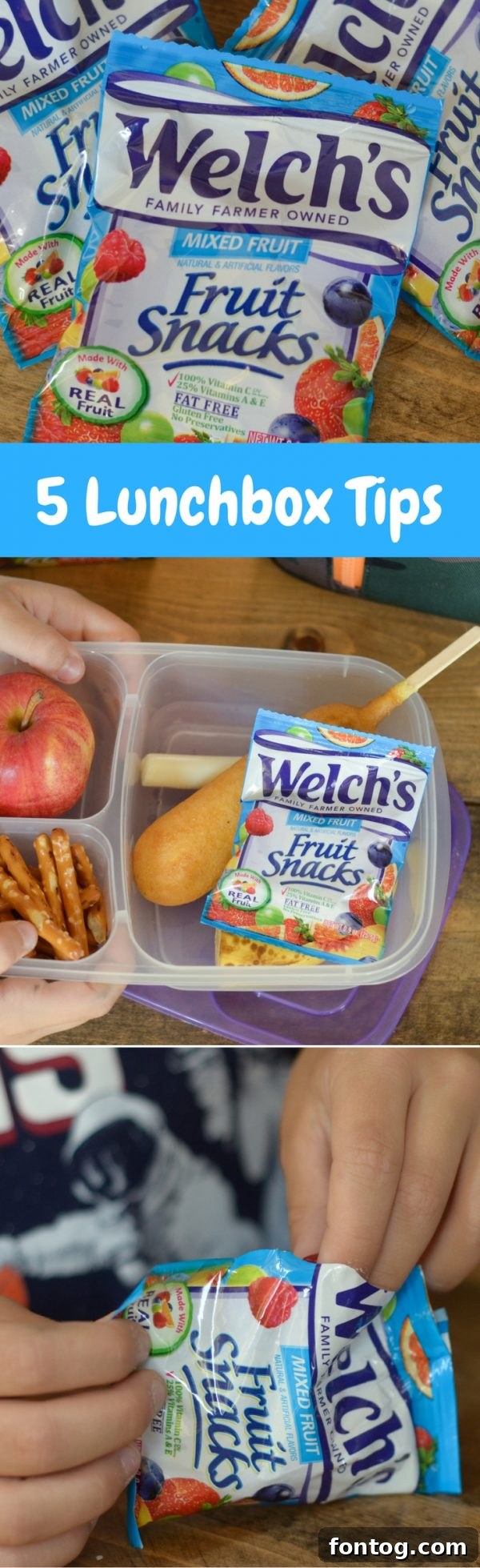
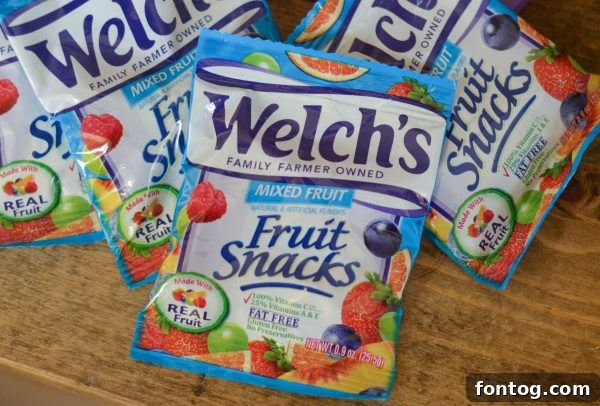
One key insight I’ve gained is the importance of including a small, enjoyable treat. Children thrive on a little something special in their lunch, and Welch’s Fruit Snacks have proven to be the perfect choice for our family. Beyond their delicious taste, they offer impressive nutritional benefits: each serving provides 100% of the daily recommended Vitamin C and 25% of Vitamins A and E. What truly stands out to me as a parent is that fruit is listed as the very first ingredient. This commitment to real fruit, combined with their portability and delightful flavor, makes them a go-to option. I even keep a pack in my purse for those moments when we need a quick, satisfying snack, especially during our often-long drive home from school each day. They’re a convenient and healthy way to bridge the gap between school dismissal and dinner time.
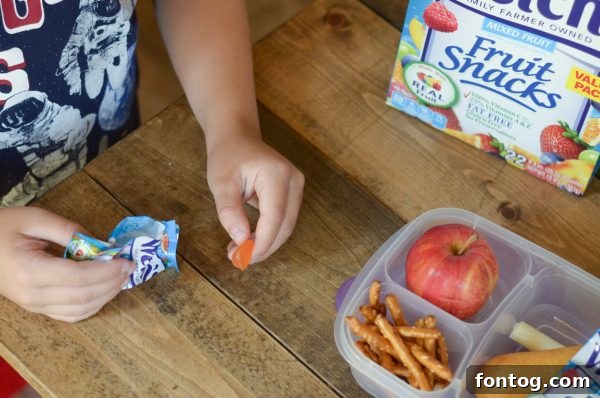
Five Effective Strategies to Help Kids Master Lunch Packing
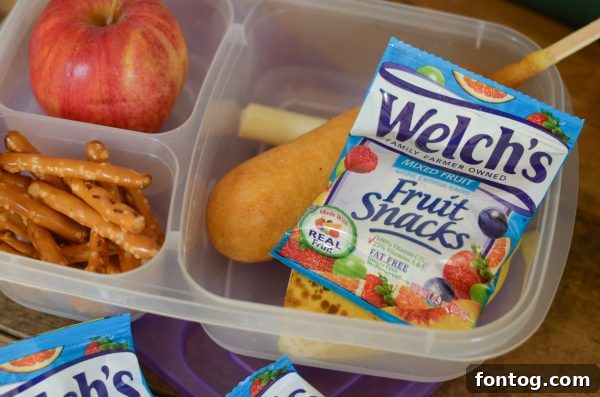
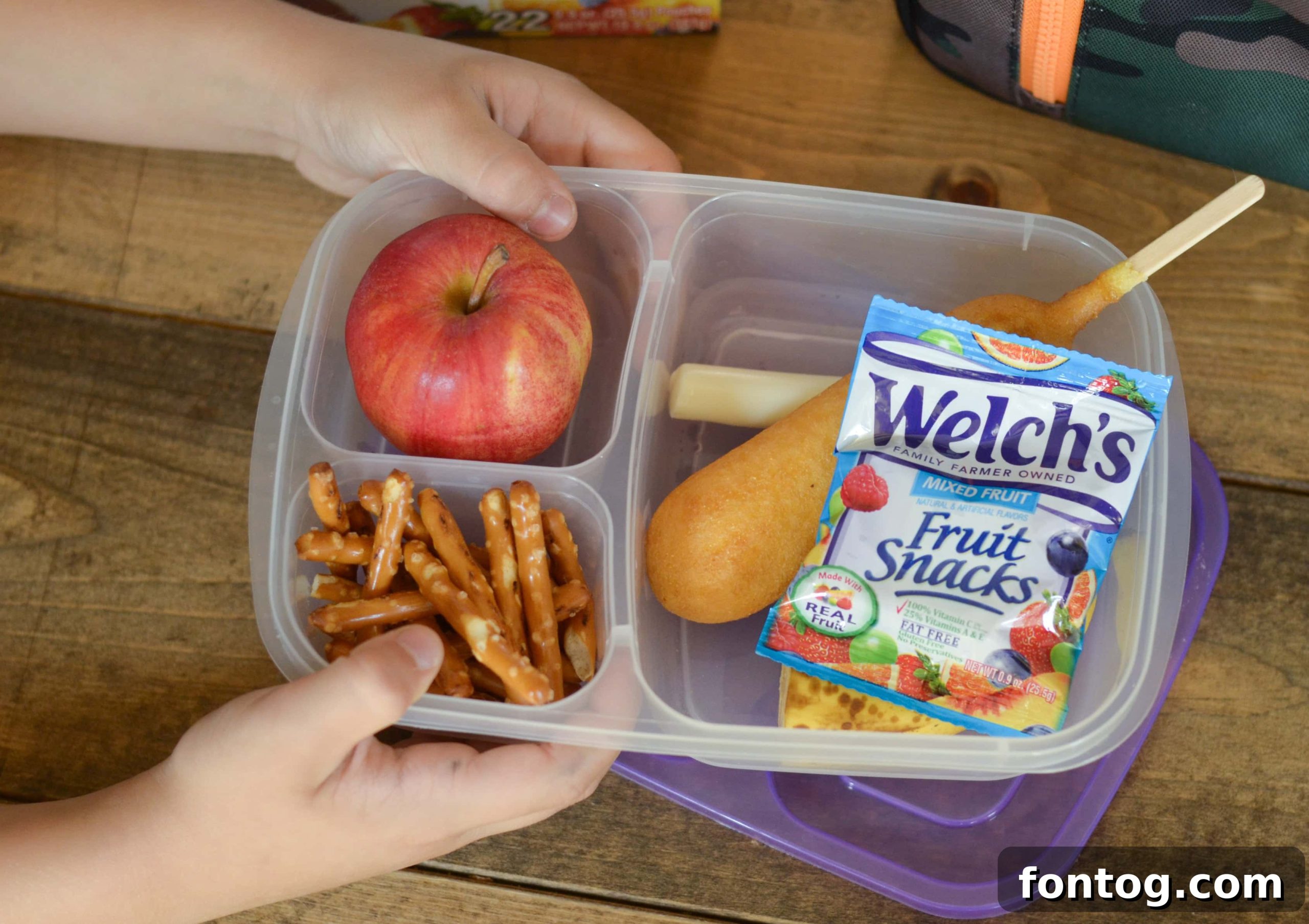
- Embrace the Bento Box for Balanced Meals: A bento box is more than just a lunch container; it’s a powerful tool for teaching children about balanced nutrition and portion control. The distinct compartments serve as visual cues, guiding kids to include a variety of food groups in their meal. For instance, a typical bento box can easily accommodate an area for a lean protein (like sliced turkey or hard-boiled eggs), a vibrant vegetable (cucumber sticks or cherry tomatoes), a serving of fruit (grapes or apple slices), a healthy grain (whole-wheat crackers or a small roll), and of course, a delightful treat like Welch’s Fruit Snacks. This structured approach simplifies the decision-making process for children, making it easier for them to understand what constitutes a well-rounded lunch. Furthermore, bento boxes often come in fun designs and colors, making lunchtime more appealing. We make it a tradition each year to stock up on new bento boxes specifically for school lunches, which adds an element of excitement to the routine and encourages engagement.
- Create a Dedicated Lunch Packing Station: Streamlining the lunch-packing process begins with organization. Designating a specific “packing area” in your kitchen, both in the refrigerator for perishables and in the pantry for dry goods, empowers children to make healthy choices independently. This station should be stocked with pre-approved, kid-friendly items that offer a range of nutritious options. In the fridge, this might include individually wrapped cheese sticks, yogurt tubes, pre-cut fruit and vegetable portions (like carrot sticks, bell pepper strips, or apple slices), and small containers of applesauce or hummus. For the pantry, consider whole-grain crackers, small bags of pretzels, granola bars, and pouches of Welch’s Fruit Snacks. By having these items readily accessible and pre-selected, you eliminate guesswork and ensure that the choices available are both healthy and appropriate. This method fosters independence, speeds up morning routines, and teaches kids how to navigate food choices within established guidelines.
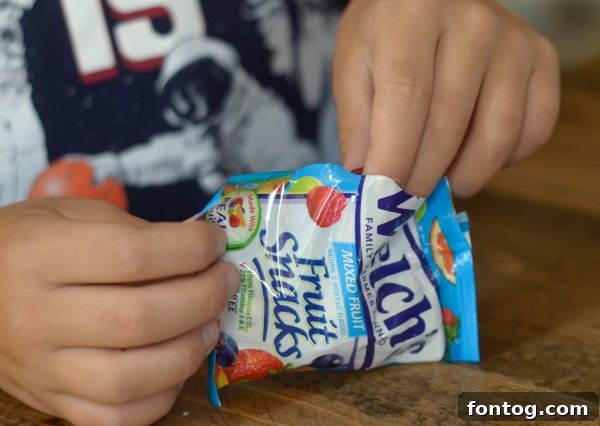
- Emphasize and Pre-Portion Serving Sizes: Teaching children about appropriate serving sizes is a crucial aspect of developing healthy eating habits and minimizing food waste. While they learn to pack their own lunches, it’s a good idea to guide them on portion control. One highly effective way to do this is by pre-portioning larger bags of snacks, such as pretzels, crackers, or even small cookies, into individual snack-sized bags or reusable containers. Simply purchase resealable snack bags or small reusable containers and involve your children in dividing up these dry goods. This not only ensures they grab just the right amount for their lunch but also introduces them to the concept of portion awareness. Once pre-portioned, these items can be added directly to your designated lunch packing station, making it incredibly easy for kids to select an appropriate serving without any additional effort or supervision from you. This practice subtly educates them about healthy quantities without making it feel like a lecture.
- Begin the Journey at a Young Age: The earlier you introduce your children to the concept of packing their own lunch, the more natural and ingrained the habit will become. Even toddlers and preschoolers, as young as four years old, can begin to participate in age-appropriate ways. Start by letting them choose one or two items from the packing station – perhaps a piece of fruit or a pouch of Welch’s Fruit Snacks. As they grow older, gradually increase their involvement. At first, you might need to provide significant assistance, guiding their hand or verbally prompting them. Over time, they’ll progress to selecting all their items, then placing them neatly into their bento box, and eventually packing the entire lunch on their own. This gradual approach builds confidence, competence, and a positive relationship with food preparation, ensuring that by the time they reach elementary school, they view lunch packing as a natural part of their morning routine rather than a daunting chore. Patience and positive reinforcement are key throughout this developmental process.
- Guide, Don’t Dictate, Their Choices: One of the most important aspects of fostering independence in lunch packing is allowing children a degree of autonomy in their food choices. Just like adults, kids have preferences and specific cravings for what sounds good to them on a given day. While it’s absolutely necessary to oversee what they are packing to ensure it meets nutritional guidelines and food safety standards, the approach should be one of guidance rather than outright questioning or dictating. Instead of saying, “You can’t have that,” try offering alternatives or explaining the “why” behind your suggestions. For example, if they choose too many snacks, you might say, “That’s a great choice for a treat! Let’s also pick a protein and a vegetable to make sure you have enough energy for your afternoon activities.” This method empowers them to make decisions within healthy boundaries, fosters a sense of ownership over their meal, and avoids turning lunch packing into a battleground. It helps them learn to balance their preferences with nutritional needs, promoting a healthier relationship with food and increasing the likelihood that they will actually eat what they pack.
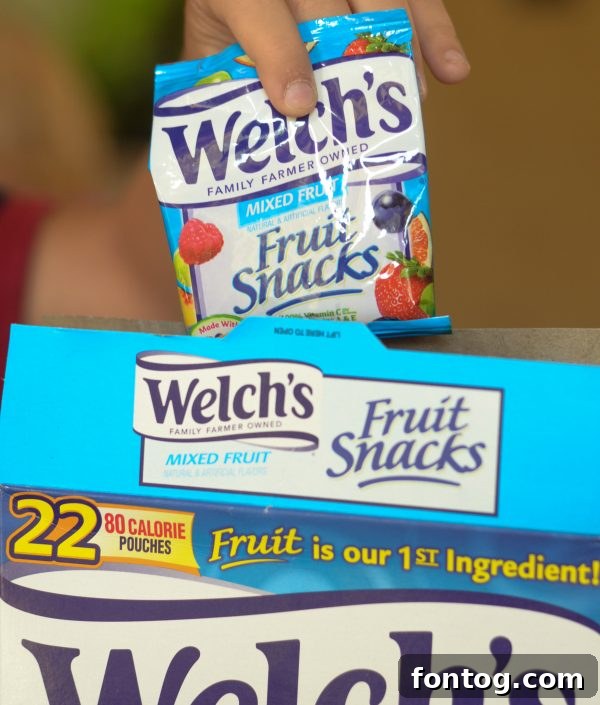
These strategies might seem deceptively simple, but their impact is profound. By implementing these tips, you’ll find that as your child transitions into their later elementary years and beyond, they’ll be fully capable of packing a nutritious and appealing lunch with minimal assistance. This shift not only grants children a greater sense of responsibility and self-sufficiency but also educates them about making healthy food choices independently. It’s an investment in their future, equipping them with valuable life skills that extend beyond the lunchbox and into other areas of their lives. Furthermore, it creates a more harmonious and less stressful morning routine for the entire family, allowing you to start your day with a sense of calm and accomplishment.

Encouraging your children to pack their own lunches is a journey, not a race. There will be days when their choices aren’t perfect, and that’s okay. The goal is consistent effort and learning. What other tips or tricks have you discovered to help your children take ownership of their lunch packing? Have you already started giving your kids more say in what goes into their lunchbox, and if so, what positive changes have you observed?
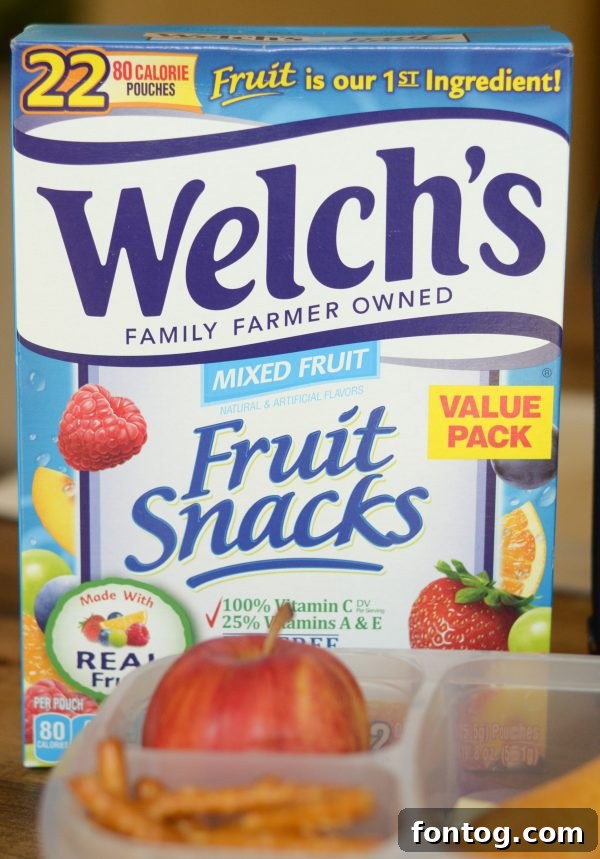
To kickstart your enhanced lunchtime routine, be sure to incorporate Welch’s Fruit Snacks. They are a delightful and nutritious addition that kids genuinely love, offering a burst of fruity flavor along with essential vitamins. Don’t forget to head over here to grab a coupon and make your healthy lunch packing even more budget-friendly!
Wishing you happy and successful lunch packing with these empowering tips!
Pin it for later and share these valuable insights with other parents –