Embracing the Green Thumb: Our Journey from Seeds to Success (Despite the Rain!)
There’s a unique joy that comes with starting a home garden. The anticipation of fresh, homegrown vegetables, the connection to nature, and the satisfaction of cultivating something with your own hands are truly unparalleled. A few weeks ago, our enthusiasm was soaring as we embarked on our latest gardening adventure. We meticulously prepared our plot, tilling the soil until it was perfectly aerated and ready to receive our hopeful array of seeds. The garden looked pristine, a blank canvas brimming with potential, and we felt incredibly optimistic about the season ahead. Our initial plan was simple yet ambitious: begin with a variety of seeds and then augment our efforts by adding a few starter plants, such as vibrant tomato plants and sturdy pepper plants, to ensure a bountiful harvest. We believed we had a solid grasp on the fundamentals, ready to nurture our very own backyard haven.
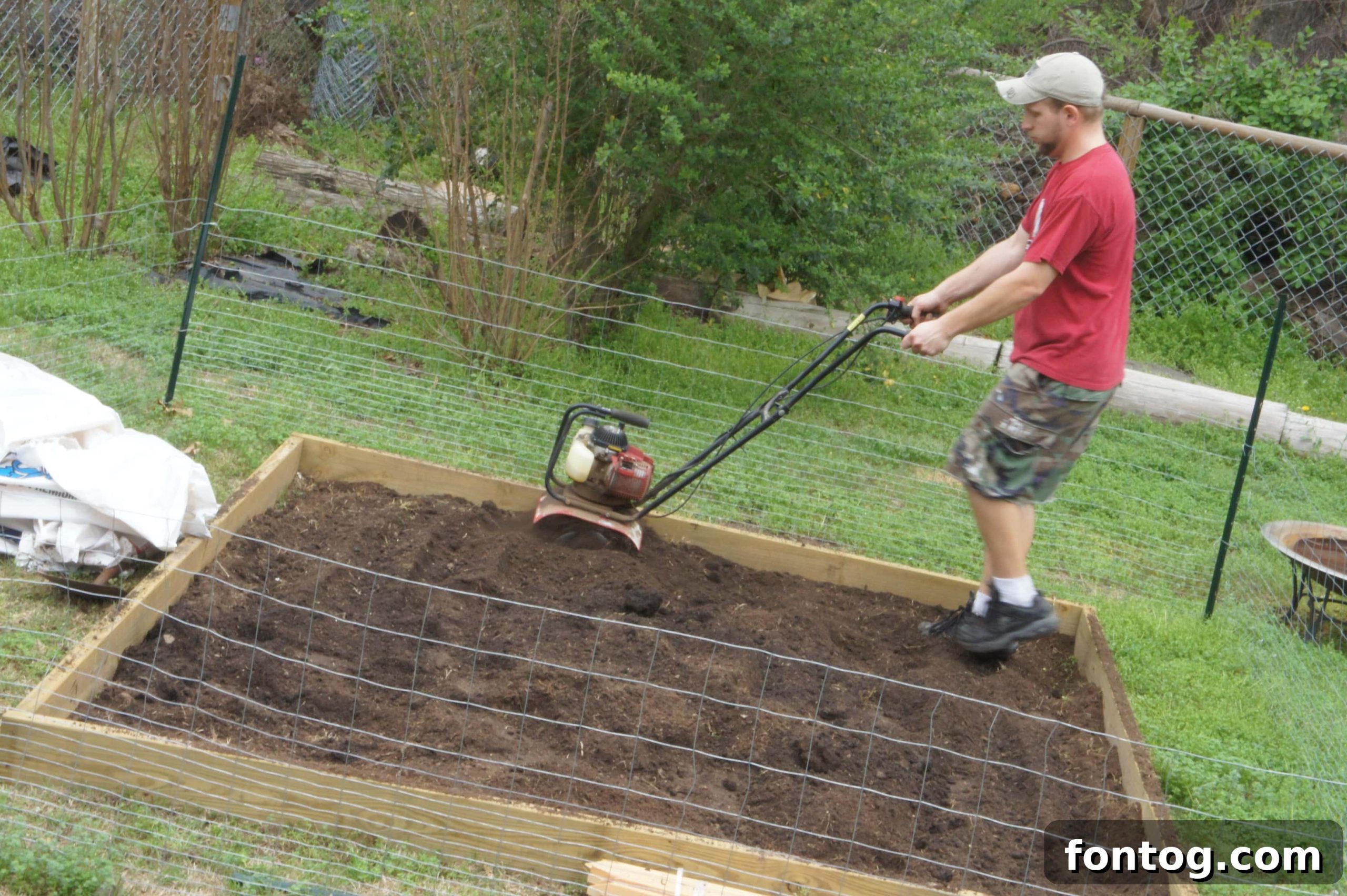
My husband, ever the diligent helper, poured his energy into transforming the soil. He meticulously tilled the garden bed, breaking up compacted earth and creating an ideal environment for our future crops. This vital step is crucial for healthy root development and ensures that nutrients and water can penetrate deep into the soil. Witnessing the rich, dark earth being turned over, ready for planting, filled us with a profound sense of accomplishment and excitement. Each turn of the tiller was a step closer to realizing our dream of a thriving vegetable garden, brimming with fresh produce for our family to enjoy throughout the summer months.
When Nature Calls: The Unexpected Deluge and Its Impact on Our Garden
Just when we thought everything was perfectly aligned for our new garden, nature decided to throw us a curveball. And it wasn’t a gentle nudge; it was an unrelenting torrent. This happened:
Rain, and lots of it. What began as a gentle shower quickly escalated into an incessant downpour that lasted for an astonishing four days straight. The image above captures our garden on just the first day of the deluge. By day four, our carefully prepared garden bed had transformed into a veritable pond. The water stood several inches deep, completely submerging the freshly planted seeds and turning our optimistic vision into a waterlogged nightmare. We were fairly certain that we had lost all of our initial seeds to the relentless flooding. The sheer volume of water would have undoubtedly washed them away, buried them too deep, or caused them to rot before they even had a chance to germinate. It’s a humbling experience for any home gardener, reminding us that even with the best intentions and meticulous preparation, nature often has the final say. I wouldn’t be surprised if this summer we find various unexpected veggies sprouting in random, unconventional spots across our yard, carried there by the floodwaters.
Valuable Lessons from a Waterlogged Plot: Improving Garden Resilience
Every setback in gardening offers an invaluable learning opportunity, and our flooded garden was certainly no exception. This challenging experience taught us several crucial lessons that will undoubtedly shape our future gardening endeavors. First and foremost, we realized the critical importance of proper drainage, especially in a raised garden bed or an area prone to heavy rainfall. While our initial setup looked good, it lacked adequate escape routes for excess water. Our immediate takeaway was that we absolutely need to incorporate drainage holes along the sides of our wooden garden bed. These perforations will allow accumulated water to escape efficiently, preventing our plants from sitting in waterlogged soil, which can lead to root rot and suffocation.
Another significant lesson revolved around our planting strategy. My husband, having witnessed the devastating impact of the rain on our delicate seeds, is now strongly inclined to rely more on established starter plants rather than exclusively on seeds. While starting from seeds offers a wider variety and is often more cost-effective, it also comes with greater vulnerability, especially to unpredictable weather conditions. Starter plants, on the other hand, already have a head start, with developed root systems and foliage, making them more resilient to environmental stressors like heavy rain or sudden temperature fluctuations. This shift in approach will likely lead to a higher success rate and a quicker visual payoff in our garden.
Seeds vs. Starter Plants: Weighing Your Options for a Thriving Garden
For beginner gardeners, the decision between starting from seeds and purchasing starter plants can be a daunting one. Both methods have their distinct advantages and disadvantages. Starting from seeds is often more economical, allowing you to grow a vast array of unique varieties that might not be available as young plants at your local nursery. It also provides a profound sense of accomplishment as you witness the entire life cycle of your plant, from a tiny seed to a mature, fruit-bearing specimen. However, seeds require more patience, precise care, and are more susceptible to environmental factors like our unexpected rain event. They need specific soil temperatures for germination, consistent moisture, and protection from pests and diseases in their early stages.
Conversely, buying starter plants, also known as transplants, offers a quicker path to a lush garden. These young plants have already overcome the most delicate initial growth phases, giving them a significant head start. They are generally more robust and can withstand transplant shock more effectively, leading to a higher success rate, especially for sensitive crops like tomatoes and peppers. While they might be slightly more expensive per plant and offer a more limited selection of varieties, they are an excellent choice for beginner gardeners seeking quicker results and a less demanding initial phase. Our experience clearly highlighted the benefits of established plants when faced with unexpected challenges, prompting us to pivot our strategy for the upcoming replanting.
The Comeback Story: Replanting and Renewed Hope
With renewed determination and valuable lessons learned, this upcoming weekend we are preparing for a major replanting effort. Our goal is not just to replace what was lost, but to implement our new strategies for a more resilient and productive garden. We’ll be out there, not only addressing the drainage issues but also adding a fresh batch of starter plants to our garden beds. This will be a somewhat new experience for me, as I’ve always preferred the journey of starting everything from seeds.
However, after witnessing the sheer devastation caused by the rain, I must admit that it will be incredibly satisfying to already see something tangible growing in the garden. Instead of staring at an empty, rain-beaten patch of soil, we’ll have young, vibrant plants already taking root. This immediate visual gratification can be a significant motivator, especially after a setback. We’ll focus on selecting healthy, robust starter plants from a reputable nursery, ensuring they are well-suited to our local climate and growing conditions. This approach also allows us to get a jump start on the growing season, potentially bringing us closer to that coveted first harvest sooner than anticipated.
Choosing the Right Plants for Your Revamped Garden
As we embark on this replanting phase, the question of which plants to choose becomes paramount. Do you use any starter plants in your gardening efforts? What types do you typically buy? Specifically, we’re keenly interested in hearing about your experiences with tomato plants and pepper plants. These are staples in many home gardens, offering incredible versatility and flavor in the kitchen. For tomato plants, are you a fan of determinate varieties that produce their fruit all at once, ideal for canning, or do you prefer indeterminate types that yield continuously throughout the season? And when it comes to pepper plants, do you lean towards sweet bell peppers, perfect for salads and stir-fries, or do you brave the heat with spicy jalapeños or serranos?
Beyond tomatoes and peppers, there are many other excellent starter plants that thrive in home gardens. Consider robust options like zucchini and cucumber plants, known for their vigorous growth and generous yields. Leafy greens like lettuce and spinach can also be started from transplants for a quick harvest. Even herbs such as basil, rosemary, and thyme benefit from being established plants, providing instant flavor for your culinary endeavors. When selecting plants, always look for healthy, compact growth, vibrant green leaves, and no signs of pests or disease. Avoid leggy plants or those with yellowing leaves, as these may struggle to establish themselves.
We would genuinely love some suggestions and tips from experienced gardeners! Your insights on specific varieties that perform well, optimal planting techniques for transplants, or even creative ways to incorporate drainage solutions into our raised beds would be incredibly valuable as we refine our approach. Gardening is a continuous learning process, and sharing knowledge within the community is one of its most rewarding aspects.
Essential Tips for Successful Home Gardening
Beyond the immediate lessons of drainage and plant selection, successful home gardening involves several fundamental practices. Firstly, maintaining healthy soil is paramount. Regularly amending your soil with compost or well-rotted manure enriches it with essential nutrients and improves its structure, leading to stronger plants and better yields. Secondly, proper watering is key. While we suffered from overwatering, underwatering can be equally detrimental. It’s best to water deeply and consistently, especially during dry spells, focusing on the base of the plant rather than the foliage to prevent fungal diseases. Aim for about an inch of water per week, either from rain or irrigation, and always check the soil moisture before watering again.
Sunlight is another critical factor. Most common vegetable plants require at least 6-8 hours of direct sunlight per day to thrive. Carefully observe your garden plot throughout the day to ensure it receives adequate sun exposure. Regular weeding is also non-negotiable; weeds compete with your plants for water, nutrients, and sunlight, stifling their growth. Develop a routine to remove weeds promptly, ideally when they are small, to prevent them from becoming established.
Finally, embracing a mindset of patience and observation will serve you well. Gardening is not always about instant gratification; it’s a journey of growth, learning, and occasional setbacks. Observe your plants for any signs of distress, pests, or diseases, and address them promptly, preferably using organic methods where possible. With these practices in mind, every gardener, novice or experienced, can cultivate a flourishing and rewarding green space.
Have a wonderful gardening day, filled with growth, discovery, and the sweet promise of a delicious harvest!