Homemade Buffalo Sauce: The Ultimate Easy & Gluten-Free Recipe
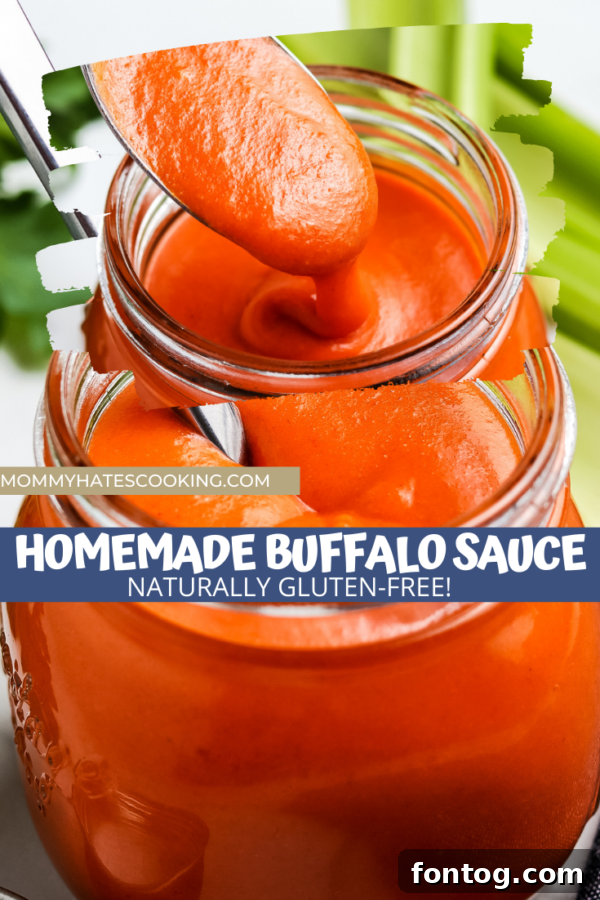
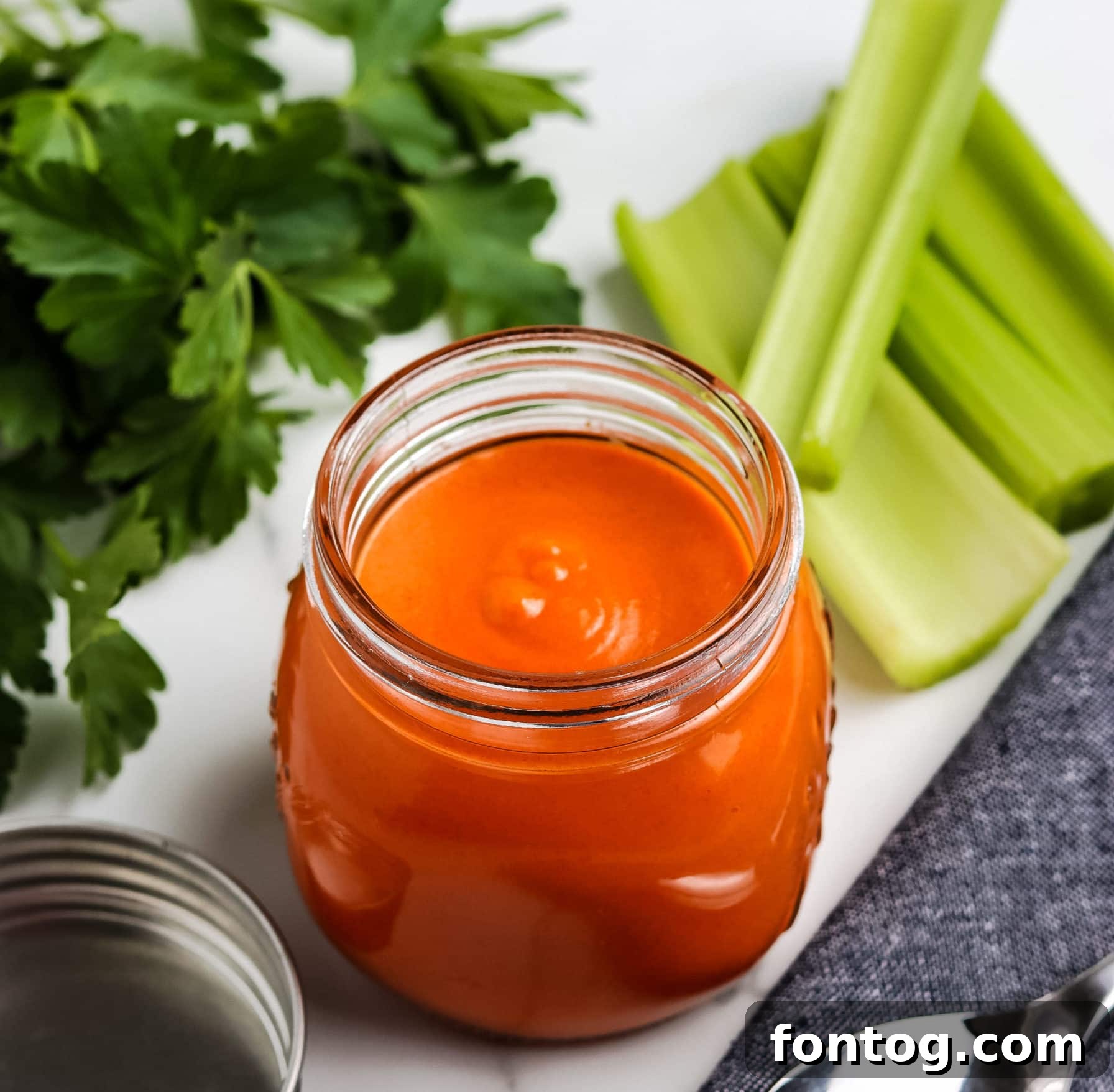
Buffalo sauce is a beloved condiment, instantly recognizable for its tangy, spicy, and buttery flavor profile. It’s the quintessential partner for classic chicken wings, but its versatility extends far beyond that. While store-bought options are readily available, there’s an undeniable charm and superior taste that comes with making your own homemade buffalo sauce. This recipe offers a simple, quick, and naturally gluten-free way to create a batch of this iconic sauce right in your kitchen, ensuring you always have a fresh, flavorful condiment on hand for any occasion.
Crafting your own buffalo sauce from scratch not only allows you to control the quality of ingredients but also to customize the spice level and richness to your exact preference. Forget about artificial additives or hidden gluten; this recipe relies on just a handful of common pantry ingredients, making it an accessible culinary project for anyone looking to elevate their meal prep or party snacks. Whether you’re a seasoned chef or a kitchen novice, you’ll find this easy buffalo sauce recipe to be a game-changer.
What Defines Authentic Buffalo Sauce?
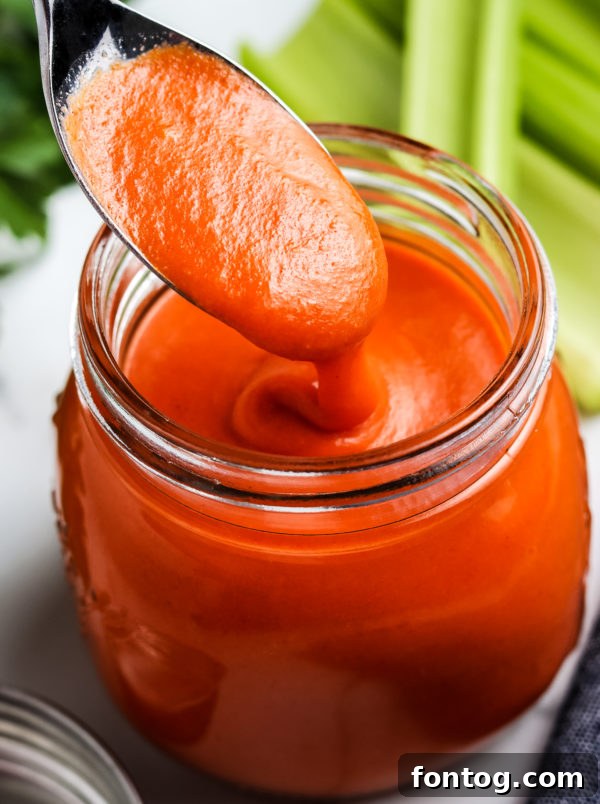
True buffalo sauce is more than just hot sauce. It’s a harmonious blend of fiery heat, rich butter, and subtle spices that create a complex, addictive flavor. Unlike plain hot sauce, which can be overwhelmingly spicy and thin, buffalo sauce offers a creamy texture and a more balanced kick, allowing the underlying flavors of your dish to shine through while still delivering that satisfying warmth. This balance is key to its widespread appeal and makes it a staple in many kitchens.
The Essential Ingredients for Your Homemade Buffalo Sauce:
- Hot Sauce: The foundation of any good buffalo sauce. Frank’s RedHot Original Cayenne Pepper Sauce is the traditional choice, often regarded as the “secret ingredient” in many classic recipes due to its vinegar base and moderate heat, which perfectly complements the butter.
- Unsalted Butter: Crucial for achieving the sauce’s characteristic richness, smooth consistency, and for tempering the heat of the hot sauce. Using unsalted butter is important to control the overall sodium content, as hot sauces can be quite salty on their own.
- Garlic Powder: Adds a savory depth and aromatic complexity that rounds out the flavor profile, enhancing the sauce beyond just heat and tang.
- Paprika: Contributes a beautiful red hue and a mild, earthy sweetness. Smoked paprika can be used for an extra layer of smoky flavor, but regular paprika works perfectly.
- Cayenne Pepper: For those who love an extra kick! While the hot sauce provides the primary heat, a dash of cayenne pepper can be added to adjust the spice level upwards without significantly altering the fundamental flavor.
These five simple ingredients, likely already residing in your pantry and fridge, are all you need to create a truly authentic and naturally gluten-free buffalo sauce. The magic lies in how they combine, transforming into a condiment that’s greater than the sum of its parts.
Tips for Crafting the Perfect Buffalo Sauce
Making buffalo sauce is incredibly straightforward, but a few key tips can ensure your batch is consistently perfect every time. Understanding the nuances of ingredient preparation and mixing techniques will help you achieve that coveted smooth texture and balanced flavor.
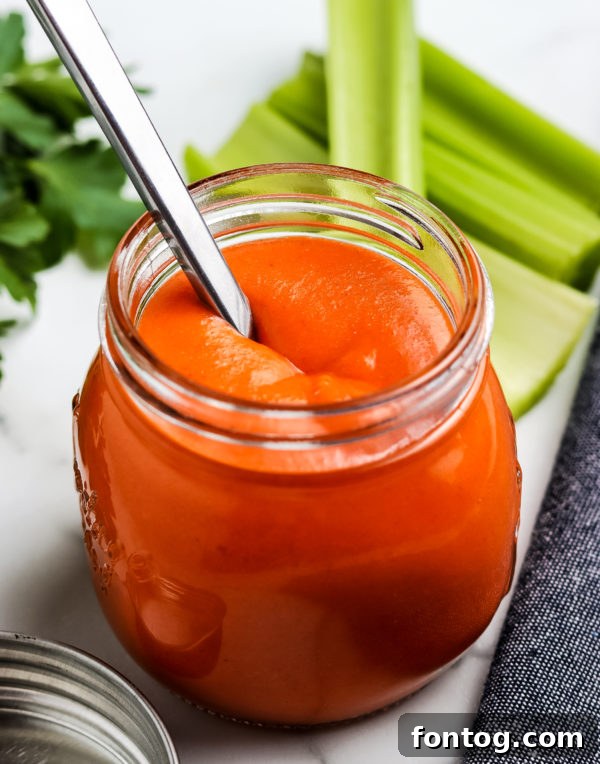
Achieving the Ideal Flavor and Consistency:
- Choosing Your Hot Sauce: As mentioned, Frank’s RedHot is the go-to for a reason. Its distinctive flavor is what many people associate with buffalo sauce. However, feel free to experiment with other cayenne pepper-based hot sauces for a slightly different profile, keeping in mind that the flavor intensity and heat level will vary.
- The Role of Unsalted Butter: Always opt for unsalted butter. Hot sauces already contain sodium, and adding salted butter can make your final sauce overly salty. The butter’s primary function is to add richness, creaminess, and to emulsify with the hot sauce, creating that signature velvety texture.
- Melting the Butter: While you can melt the butter in a small saucepan on the stove over low heat, using a microwave-safe bowl is often quicker and more convenient. The key is to melt it completely without browning it. After melting, allow the butter to cool slightly to room temperature before combining with the hot sauce. This helps prevent the sauce from separating.
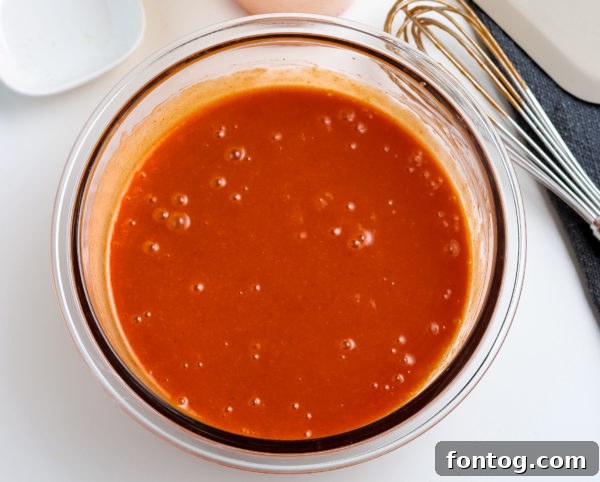
- Emulsification is Key: The most crucial step is whisking the hot sauce and melted butter together until they are fully emulsified. This means they are completely combined into a homogenous, creamy sauce rather than appearing oily or separated. Whisk vigorously and continuously for a minute or two until the sauce takes on a consistent color and texture.
- Adjusting Spice Levels: The recipe provides a good starting point for heat. If you prefer a milder sauce, you can slightly reduce the amount of hot sauce or omit the cayenne pepper. For an extra spicy kick, increase the cayenne pepper by small increments until you reach your desired heat.
- Add a Touch of Tang (Optional): For an even more complex flavor, a tiny splash of white vinegar or apple cider vinegar (about 1/2 teaspoon) can brighten up the sauce and add another layer of tanginess, though the hot sauce already provides significant acidity.
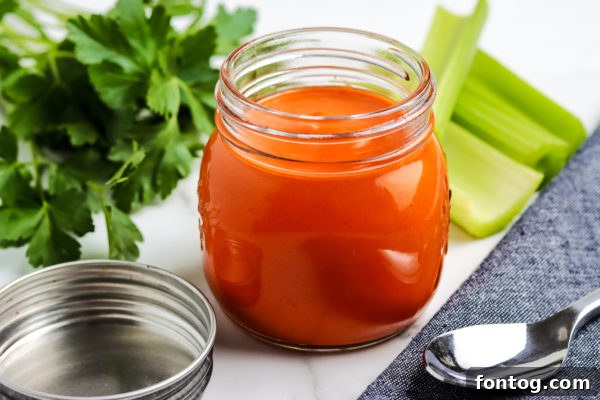
Storage and Reheating Best Practices:
Homemade buffalo sauce stores remarkably well, making it perfect for meal prepping or having on hand for impromptu gatherings. Proper storage also ensures it maintains its quality and prevents separation.
- Storage: Transfer your freshly made buffalo sauce to an airtight container or a clean, sealed bottle. Store it in the refrigerator for up to one month. The flavors will deepen slightly over time.
- Reheating: When ready to use, the sauce may have naturally thickened or slightly separated in the fridge due to the butter solidifying. Before serving, bring the sauce to room temperature for about 30 minutes, or gently warm it in a saucepan over very low heat. Once slightly warmed or at room temperature, give it a good whisk with a fork or a small whisk to re-emulsify it until smooth and creamy again. If using a sealed bottle, a vigorous shake often does the trick! Avoid overheating, as this can cause the butter to completely separate from the hot sauce.
Beyond Wings: Versatile Uses for Homemade Buffalo Sauce
While buffalo sauce is synonymous with chicken wings, its vibrant flavor profile makes it an incredibly versatile condiment that can elevate a wide array of dishes. Don’t limit yourself to just wings; explore the many ways this spicy, tangy, and buttery sauce can transform your meals.
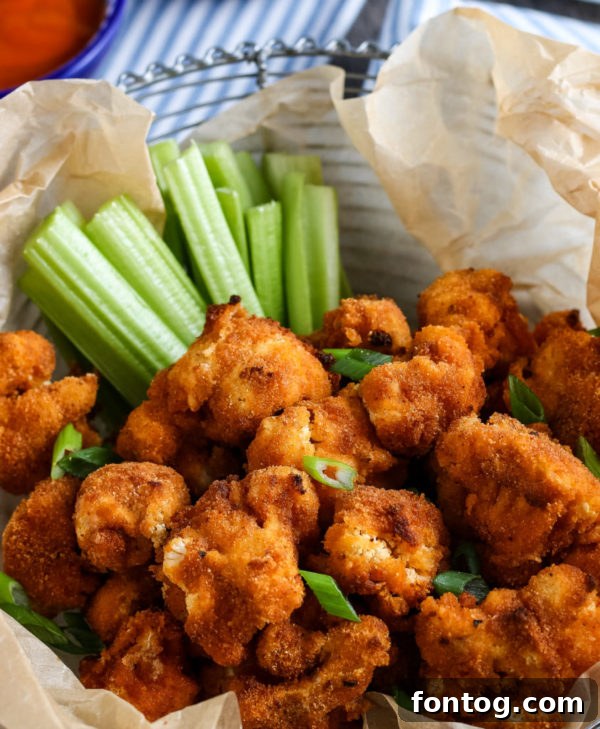
Creative Ways to Enjoy Your Buffalo Sauce:
- Chicken Wings: The classic! Toss freshly fried, baked, or air-fried chicken wings directly in the warm sauce for an unbeatable experience.
- Dips: Mix it into creamy dips like a classic buffalo chicken dip (with shredded chicken, cream cheese, ranch/blue cheese dressing) or even add a dash to hummus for a spicy twist.
- Shredded Buffalo Chicken: Perfect for sandwiches, wraps, salads, or stuffed potatoes. Simply cook and shred chicken, then toss it with buffalo sauce.
- Cauliflower Wings: A fantastic vegetarian or low-carb alternative! Roast or air fry cauliflower florets until tender-crisp, then coat them generously with buffalo sauce.
- Baked Potatoes & Potato Skins: Drizzle over baked potatoes or use as a topping for loaded potato skins with cheese and green onions.
- Nachos: A spicy addition to your next nacho platter. Drizzle over chips, cheese, and your favorite toppings.
- Pizza: Use it as a base sauce for a buffalo chicken pizza, or drizzle over a plain cheese pizza for an extra kick.
- Burgers & Sliders: Spread a layer on your burger buns or mix into ground meat for buffalo-flavored patties.
- Meatballs: Coat cooked meatballs in buffalo sauce for a spicy appetizer or a flavorful addition to pasta.
- Eggs: A surprising but delicious addition to scrambled eggs, omelets, or breakfast burritos for a zesty morning start.
- Roasted Vegetables: Toss Brussels sprouts, broccoli, or sweet potatoes with buffalo sauce before roasting for a vibrant side dish.
- Mac and Cheese: Stir a tablespoon or two into your homemade mac and cheese for a creamy, spicy upgrade.
- Tacos and Burritos: Add a dollop to your chicken or beef tacos and burritos for a flavor boost.
Buffalo sauce isn’t just a condiment; it’s an ingredient that can infuse a burst of flavor into countless recipes, much like barbecue sauce. Its ability to add heat, tang, and richness makes it an invaluable addition to your culinary repertoire.
Homemade Buffalo Sauce Recipe
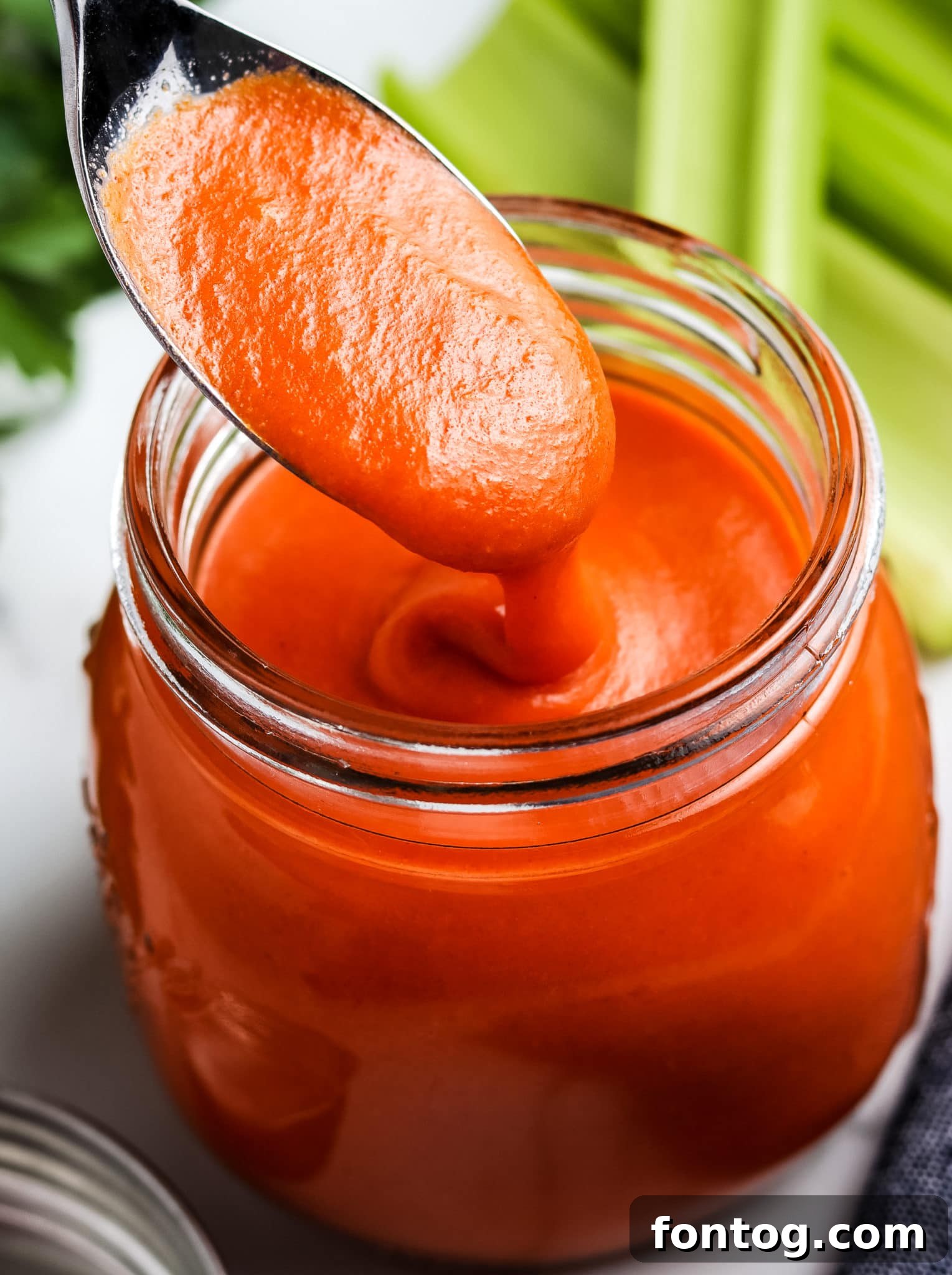
Created by: Kristy Still
Course: Recipes
Cuisine: American
Make a great dipping sauce with this Buffalo Sauce!
Prep Time: 5 mins
Total Time: 5 mins
Servings: 1 Cup
Ingredients
- 1 Cup Hot Sauce (preferably Frank’s RedHot)
- 1/2 Cup Unsalted Butter, Melted (1 Stick)
- 1 Tsp Garlic Powder
- 1/2 Tsp Paprika
- 1/4 Tsp Cayenne Pepper (adjust to taste for extra heat)
Instructions
- Melt the unsalted butter in a microwave-safe bowl. Allow it to cool slightly to room temperature before proceeding. This helps ensure proper emulsification.
- In a medium-sized mixing bowl, combine the cooled melted butter, hot sauce, garlic powder, paprika, and cayenne pepper.
- Whisk all ingredients together vigorously until the sauce is completely smooth, creamy, and well-emulsified. Continue whisking until no separation of butter and hot sauce is visible.
- Pour the freshly made buffalo sauce into an airtight container or a clean, sealable bottle. Store it in the refrigerator for optimal freshness.
Nutrition Facts (per approximate serving)
Serving Size: 1g | Calories: 8kcal | Carbohydrates: 1g | Fat: 1g | Cholesterol: 1mg | Sodium: 506mg
Did you make this recipe?
We’d love to see your creations! Make sure to tag #mommyhatescooking on Instagram and follow us for more delicious recipes @momhatescooking.