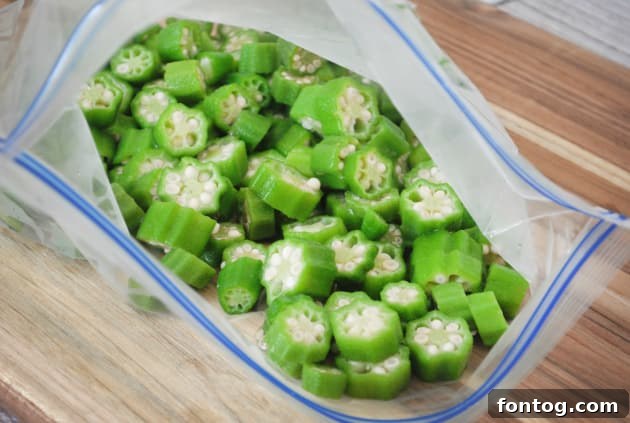
Unlock the secret to enjoying fresh, vibrant okra all year long with this incredibly simple and effective freezing method. No longer will you dread the peak harvest season with an abundance of okra that you can’t possibly eat fast enough. This guide provides a straightforward, time-saving approach to properly freezing fresh okra, ensuring you have a steady supply of this beloved vegetable readily available for any dish, any time. It’s truly a game-changer for home gardeners and okra enthusiasts alike!
For many, okra is a garden staple, a warm-weather crop that generously yields its tender pods. As an avid gardener myself, okra often tops my list of favorite vegetables, and it’s a joy to cultivate. However, the prolific nature of okra plants often leads to an overwhelming bounty. While this might seem like a good problem to have, it can be challenging to utilize every pod before it goes bad. That’s precisely why mastering the art of freezing okra is invaluable. By properly preserving your fresh harvest, you can enjoy that garden-fresh taste in your favorite recipes throughout the colder months, transforming what was once an excess into a year-long delight.
Why This Easy Freezer Okra Method Will Become Your Go-To:
- **Preserves Peak Freshness:** This method is specifically designed to lock in okra’s natural flavor and crisp-tender texture, allowing it to taste as fresh as the day it was picked for up to a year in the freezer.
- **Extended Shelf Life:** Enjoy the convenience of having prepped okra on hand for 8-12 months, significantly reducing waste and extending your garden’s yield. With a deep freezer, this period can even extend up to 18 months for optimal quality.
- **Unmatched Convenience:** Whether your recipe calls for fresh or frozen, this okra is versatile. It can be added directly to many dishes from its frozen state, eliminating thawing time, or defrosted first if preferred for specific preparations.
- **Culinary Versatility:** From Southern comfort food to international cuisine, frozen okra integrates seamlessly into a wide array of dishes. It’s perfect as a healthy side dish, a key ingredient in hearty soups and stews, or even for frying and roasting.
- **Economical and Sustainable:** Freezing your own okra is a cost-effective way to avoid purchasing out-of-season produce. It also promotes sustainability by utilizing your harvest fully and reducing food waste.
The Nutritional Powerhouse: Benefits of Okra
Beyond its culinary appeal, okra is a true nutritional champion. Rich in vitamins, minerals, and dietary fiber, incorporating okra into your diet offers a host of health benefits. It’s an excellent source of Vitamin C, a powerful antioxidant that boosts immunity, and Vitamin K, essential for blood clotting and bone health. Okra also provides a good amount of Vitamin A, which is crucial for vision and skin health. Furthermore, it’s packed with magnesium, folate, and potassium.
Its high fiber content is particularly noteworthy, aiding in digestion, promoting satiety, and helping to regulate blood sugar levels. The unique mucilage (the “slime”) found in okra, while sometimes controversial, is actually beneficial for gut health and can help lower cholesterol. By freezing okra, you preserve these vital nutrients, ensuring that you’re not just saving time and flavor, but also maintaining a healthy, wholesome ingredient for your meals.
Essential Equipment for Freezing Okra:
To embark on your okra freezing journey, gathering the right tools is key. Thankfully, you likely have most of these items in your kitchen already. Here’s what you’ll need to ensure a smooth and successful preservation process:
- Fresh Okra: Select young, tender pods that are vibrant green and free from blemishes. Smaller pods are generally more tender and less fibrous. Aim for okra that is 2-4 inches long for best quality.
- Large Pot: A spacious pot is necessary for blanching the okra. Ensure it’s large enough to hold a good quantity of okra without overcrowding and has ample room for boiling water.
- Large Bowl with Ice Water: This is crucial for the “shocking” process immediately after blanching. Prepare a generous amount of ice water to quickly halt the cooking process and preserve the okra’s color and texture.
- Slotted Spoon or Colander: For safely transferring the okra from boiling water to the ice bath, and then for draining.
- Sharp Knife and Cutting Board: For efficiently trimming the stems and slicing the okra into your desired size.
- Clean Towels or Paper Towels: Essential for thoroughly drying the blanched okra before freezing, which helps prevent ice crystals and freezer burn.
- Freezer-Safe Storage Bags or Containers: High-quality, airtight options are paramount to protect your okra from freezer burn. Vacuum seal bags are excellent, but heavy-duty freezer bags or rigid freezer containers also work well.
- Permanent Marker: For labeling your storage bags with the date and contents, ensuring proper rotation and usage.
Step-by-Step Instructions for Freezing Fresh Okra:
Following these simple steps will ensure your okra freezes beautifully, retaining its flavor and texture for months to come. The key lies in proper preparation and the crucial blanching process.
- Prepare the Okra: Begin by washing your fresh okra thoroughly under cold running water to remove any dirt or debris. Pat them dry with a clean towel. Next, trim off the stem ends, being careful not to cut into the pod itself, as this can release excess mucilage. You can then choose to freeze the okra whole or cut it into 1/2-inch to 1-inch thick slices, depending on your preferred future use. Uniformity in size helps with even blanching.
- Set Up for Blanching: Fill a large pot with water and bring it to a rolling boil over high heat. While the water is heating, prepare a large bowl with ice water. This ice bath is essential for immediately stopping the cooking process after blanching.
- Blanch the Okra: Carefully place the prepared okra into the boiling water. Do not overcrowd the pot; blanch in batches if necessary to maintain the water temperature. Boil the okra for exactly 3 minutes. This precise timing is crucial for enzyme deactivation without overcooking.
- Shock in Ice Water: Immediately after 3 minutes, use a slotted spoon or colander to remove the okra from the boiling water. Plunge it directly into the prepared bowl of ice water. Let it cool in the ice bath for exactly 3 minutes. This rapid cooling halts the cooking, preserves the vibrant color, and helps maintain a firm texture.
- Drain and Dry Thoroughly: Drain the okra from the ice water. It’s vital to dry the okra as thoroughly as possible. Lay the blanched and cooled okra in a single layer on clean towels or paper towels. Gently pat them dry. Excess moisture will lead to ice crystals and potential freezer burn.
- Package and Freeze: Once completely dry, if you haven’t already, cut the okra into your desired pieces. For best results and to prevent sticking (see “Tips” below for flash freezing), place the okra in a single layer on a baking sheet and freeze for 1-2 hours until firm. Then, transfer the firm, individual pieces into freezer-safe bags or airtight containers. Remove as much air as possible from the bags (a straw can help if you don’t have a vacuum sealer). Lay the bags flat in the freezer for optimal space-saving and more even freezing. Label each bag with the date and contents. Your okra is now ready to be stored for up to 12 months.
Expert Tips for Perfect Frozen Okra:
While the step-by-step instructions provide a solid foundation, these additional tips can elevate your frozen okra experience, ensuring the best possible quality and convenience:
- Embrace Flash Freezing to Prevent Clumping: If you want your okra pieces to remain individual and not freeze into a solid block, flash freezing is your best friend. After the ice bath and thorough drying, arrange the okra in a single layer on a baking sheet. Place the baking sheet in the freezer for 1-2 hours, or until the okra pieces are firm. Once firm, you can transfer them to freezer-safe storage bags. This extra step makes it incredibly easy to grab just the amount you need for a recipe without having to chip away at a frozen mass.
- Maximize Freezer Space with Flat Storage: After packaging your okra in freezer-safe bags, lay them flat in your freezer until they are completely frozen solid. This not only allows them to freeze more quickly and evenly but also helps them take up significantly less space once frozen. Flat, rectangular packages can be stacked efficiently, making your freezer organized and easy to navigate.
- Blanching is Non-Negotiable for Quality: Reiterate the importance of blanching. This quick dip in boiling water followed by an ice bath is crucial. It halts enzyme activity that can degrade flavor, color, and nutrients over time, ensuring your frozen okra maintains its garden-fresh appeal. Skipping this step often leads to mushy, discolored, and flavorless okra.
- Guard Against Freezer Burn with Proper Packaging: Freezer burn occurs when food is exposed to air, leading to dehydration and a dry, tough texture. To protect your precious okra, always use high-quality, freezer-safe storage bags or airtight containers. Squeeze out as much air as possible from bags before sealing, or consider investing in a vacuum sealer for the ultimate protection. This creates a barrier against the dry freezer air, preserving the okra’s texture and taste.
- Cook from Frozen for Ultimate Convenience: One of the greatest advantages of properly frozen okra is that it often does not need to be thawed before use. For most recipes like soups, stews, or even frying, you can add the frozen okra directly to the pot or skillet. It will cook alongside your other ingredients, absorbing flavors and softening perfectly. This saves valuable prep time on busy weeknights.
The Science of Blanching: Why It’s Essential for Freezing Okra
Blanching is not merely an optional step; it is a critical pretreatment for nearly all vegetables before freezing, and okra is no exception. Its primary purpose is to stop enzyme actions that cause loss of flavor, color, texture, and nutritional value. Even when frozen, these enzymes remain active, albeit at a slower rate, gradually degrading the quality of your produce. Here’s a deeper dive into why blanching is so crucial for okra:
- Enzyme Deactivation: Okra, like all vegetables, contains natural enzymes that contribute to its ripening process. While these enzymes are beneficial when the okra is fresh, they continue to work even in cold temperatures, leading to undesirable changes in color, texture, and flavor during prolonged freezer storage. The brief exposure to boiling water inactivates these enzymes, effectively pressing the “pause” button on the degradation process.
- Preservation of Flavor and Color: Blanching helps lock in the vibrant green color and fresh taste of okra. Without it, frozen okra tends to turn dull, brownish, and can develop off-flavors over time. The quick cooking brightens the color and sets it, making your meals more appealing.
- Maintains Texture: Proper blanching ensures that okra retains its desired texture. It slightly softens the cell walls, which helps to prevent it from becoming overly tough or rubbery after freezing and thawing. The immediate plunge into ice water then stops this softening, preserving a pleasant, crisp-tender quality.
- Reduces Microbial Load: The hot water also serves to clean the surface of the okra, reducing the number of surface microorganisms. While freezing itself inhibits bacterial growth, a cleaner start can contribute to better overall preservation.
The process of blanching is deceptively simple: first, boil the okra for precisely 3 minutes, then immediately drain and plunge it into an ice bath for an equal amount of time. This rapid temperature change is the essence of effective blanching. While I prefer to cut my okra before blanching for ease of handling and uniform cooking, you can certainly do it afterwards. The most important factor in blanching is adhering strictly to the recommended times.
Each vegetable has a specific blanching time tailored to its unique cellular structure and enzyme activity. Under-blanching is often worse than not blanching at all, as it can stimulate enzyme activity instead of halting it, potentially accelerating spoilage. Conversely, over-blanching can lead to a mushy texture and loss of nutrients. For a comprehensive guide to blanching times for various vegetables, reliable resources like university extension offices or reputable canning and freezing guides provide excellent charts. Sticking to these guidelines is key to successful preservation.
Delicious Recipes to Use Frozen Okra With:
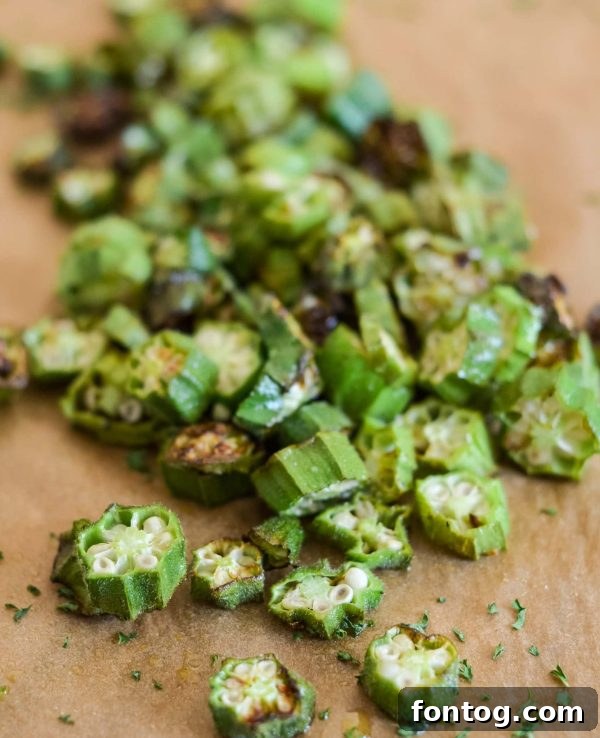
Frozen okra is a highly versatile ingredient, ready to be incorporated into a multitude of dishes. Its convenience means you can enjoy the taste of summer even in the dead of winter. Here are some fantastic ways to utilize your preserved okra:
- Gumbo and Stews: Frozen okra is a star in classic Southern gumbos and hearty stews. It adds both flavor and its characteristic thickening properties (thanks to the mucilage), contributing to a rich, cohesive broth. Simply add the frozen okra directly to the pot during the last 20-30 minutes of cooking, allowing it to simmer and soften beautifully.
- Soups: Elevate any soup, from vegetable to chicken noodle, with the addition of frozen okra. It brings a fresh, earthy flavor and a pleasing texture. Toss it in during the final stages of cooking to prevent it from becoming too soft.
- Skillet Meals or Fried Okra: For quick skillet meals, frozen okra can be added straight to the pan with other vegetables and proteins. To make delicious fried okra, simply toss the frozen pieces with a seasoned cornmeal or flour mixture and fry until golden brown and crispy. The blanching process helps it achieve that perfect texture.
- Air Fryer Okra: For a healthier, crispy option, air-fried okra is fantastic. Lightly coat the frozen okra with a little oil and your favorite spices, then air fry until tender-crisp. It’s an easy and flavorful side dish or snack.
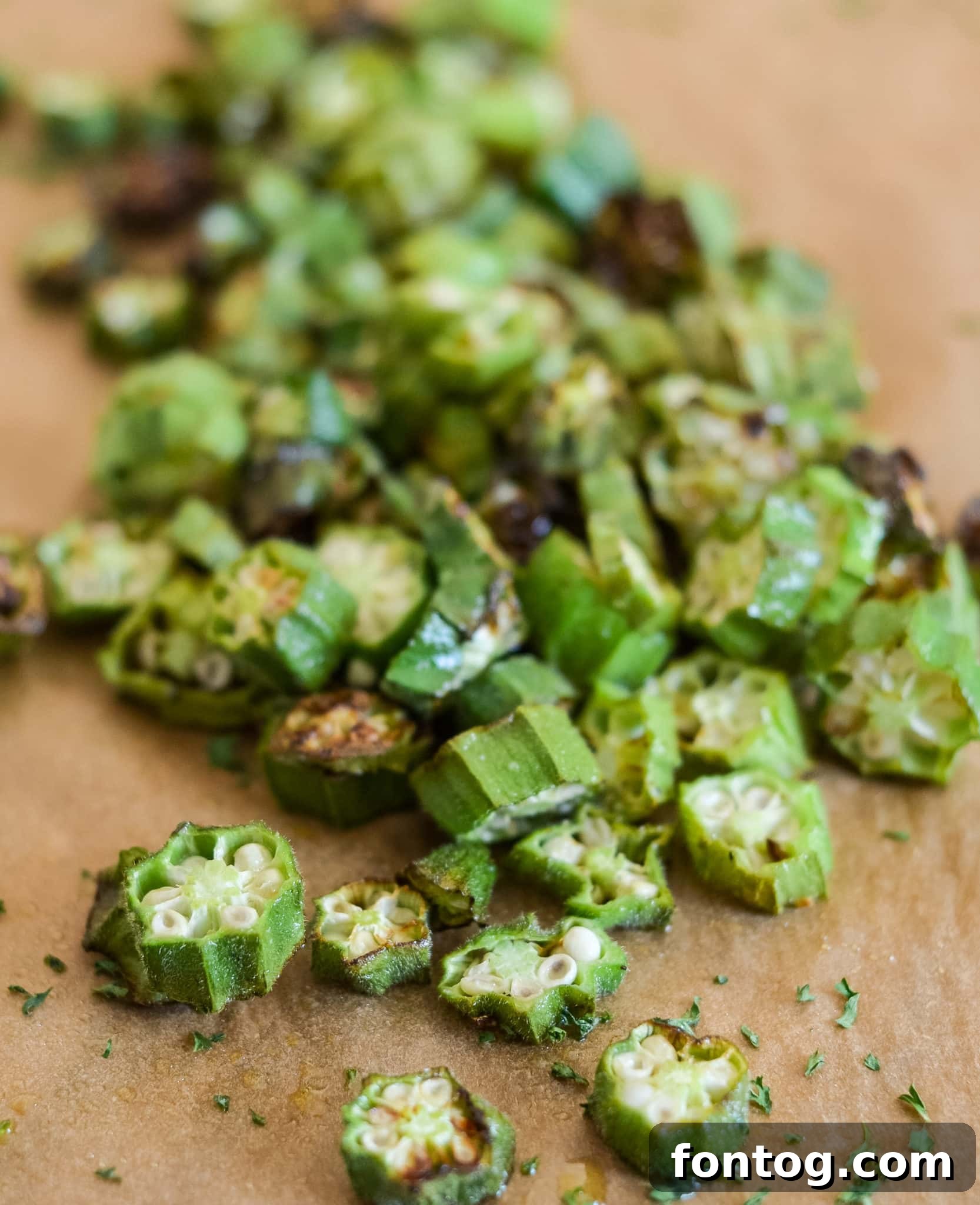
- Roasted Okra: Roasting brings out okra’s natural sweetness. Toss frozen okra with olive oil, salt, pepper, and any other desired seasonings (like garlic powder or paprika), then roast in a hot oven until tender and slightly caramelized.
- Curries and Stir-fries: Its mild flavor and firm texture make frozen okra an excellent addition to vibrant Indian curries or quick Asian-inspired stir-fries. Add it towards the end of the cooking process to maintain its shape and avoid overcooking.
- Casseroles: Incorporate frozen okra into your favorite casseroles, such as chicken and rice casserole or a vegetable bake. It adds a delicious texture and nutritional boost.
Storage Tips for Frozen Okra:
Proper storage is the final step in ensuring your frozen okra remains in top condition for as long as possible. A few key practices can make all the difference:
- Choose the Right Containers: Always use freezer-safe storage bags or rigid freezer-safe containers. These are designed to withstand freezing temperatures without becoming brittle and to provide a good seal against air. For the ultimate protection against freezer burn, consider using a vacuum sealer.
- Optimal Storage Duration: In a standard home freezer, properly blanched and packaged okra will maintain excellent quality for 8-12 months. If you have a deep freezer, which typically maintains a more consistent and lower temperature, you might extend this to 18 months for peak quality. For the best culinary experience, however, aim to use your frozen okra within 12 months.
- Freezer Temperature: Ensure your freezer is set to 0°F (-18°C) or colder. Consistent temperatures are vital; frequent fluctuations can compromise the quality of frozen foods.
- Labeling is Key: Always label your bags or containers with the date of freezing and the contents. This helps you track shelf life and prevents confusion about what’s in your freezer.
- Thawing Practices: While frozen okra can be used directly in most cooked recipes, there might be instances where thawing is desired, for example, if you need to chop it into very specific shapes or for certain fresh preparations (though generally not recommended for eating raw after freezing). If thawing is necessary, place the desired amount in a bowl in the refrigerator overnight. Avoid thawing at room temperature to prevent bacterial growth. Once thawed, okra should be used promptly and not refrozen.
- Watch for Freezer Burn: Even with the best practices, sometimes freezer burn can occur. This appears as dry, discolored patches on the okra. While freezer-burned okra is safe to eat, its quality (texture and flavor) will be diminished. Trim off any severely freezer-burned portions before use.
How to Freeze Okra
Save Recipe
Saved!
Ingredients
- Fresh Sliced Okra
- Freezer Safe Storage Bags
Instructions
-
Trim the okra stems, and cut if you would like into the size you prefer.
-
Boil a pot of water, then place the okra in the boiling water for exactly 3 minutes. While this boiling, prepare a bowl with ice water.
-
Remove and drain.
-
Immediately toss the okra into a bowl of ice water for 3 minutes.
-
Drain and cool.
-
Cut them if you have not already and place them in a freezer safe bag and store in the freezer for up to 12 months. Always write the date and name of the food item on the bag before storing.
Notes
Store for 8-12 months in the freezer.
If preferred, you can place the okra in a single layer on a baking sheet and flash freezer for 2 hours before adding the freezer safe storage bag. This will help avoid the okra freezing together.
Nutrition
Did you make this recipe?
Make sure to tag #mommyhatescooking on Instagram and follow for more @momhatescooking
Pin Recipe
Share on Facebook
Frequently Asked Questions About Freezing Okra:
- Can I freeze okra raw? While it’s technically possible, freezing okra raw is generally not recommended if you want to preserve its quality. Raw frozen okra often becomes slimy and loses its desirable texture and vibrant color once thawed or cooked. Blanching is a crucial step that deactivates enzymes, ensuring better taste, texture, and appearance in your frozen okra.
- How long can I keep frozen okra? When properly blanched and stored in airtight freezer-safe containers at 0°F (-18°C) or colder, frozen okra can maintain excellent quality for 8 to 12 months. In a deep freezer with more consistent temperatures, it might even last up to 18 months. Beyond these times, it remains safe to eat but its quality may begin to decline.
- Do I need to thaw frozen okra before cooking? For most recipes, such as soups, stews, gumbos, or stir-fries, you can add frozen okra directly to the pot or pan. It will thaw and cook along with the other ingredients. If you plan to fry the okra, a quick toss with breading while still frozen works well, though some prefer a brief partial thaw to ensure even coating. For recipes requiring specific cuts or very precise texture, a slow thaw in the refrigerator overnight might be beneficial.
- What if my okra turns slimy after freezing? Okra naturally contains mucilage, which gives it a slightly “slimy” texture when cooked. Proper blanching helps minimize this, but some sliminess is inherent to the vegetable. If your okra becomes excessively slimy after freezing and cooking, it might be due to under-blanching (which didn’t fully deactivate the enzymes) or overcooking. Ensure you stick to the recommended blanching times.
- Can I refreeze okra? It is generally not recommended to refreeze okra (or most vegetables) once it has been thawed. Refreezing can significantly degrade the texture, flavor, and nutritional quality of the okra due to cell damage from ice crystal formation. For best results, freeze okra in portion sizes that you expect to use in one go.
Freezing fresh okra is undeniably one of the most efficient and rewarding ways to preserve your garden’s bounty, providing you with a delicious, healthy vegetable ready for use all year long. The minimal preparation time yields substantial rewards, ensuring that the fresh flavors of summer are always within reach. By following these simple steps and tips, you can transform your harvest into a convenient, year-round ingredient, making meal prep easier and your dishes more flavorful. Embrace this easy method and enjoy the taste of your hard work anytime you desire!