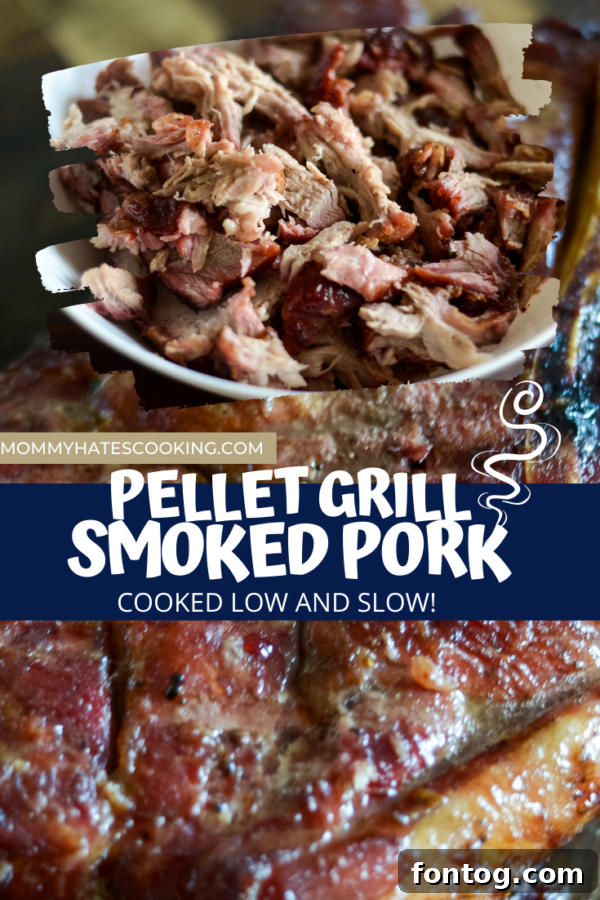
Mastering Smoked Pulled Pork on Your Pellet Grill: The Ultimate Recipe Guide
There’s nothing quite like the irresistible aroma and succulent taste of perfectly smoked pulled pork. It’s a barbecue staple, a crowd-pleaser, and a dish that truly shines when prepared using the low and slow magic of a pellet grill. If you’ve been dreaming of creating tender, flavorful pulled pork with that coveted smoky bark right in your backyard, this comprehensive guide and easy-to-follow recipe are for you!
Last year, our quest for superior smoked meats led us to invest in a Green Mountain Pellet Grill. Since then, it has become an indispensable tool in our outdoor cooking arsenal, consistently delivering fantastic results. While this isn’t a sponsored endorsement, we genuinely love sharing the tools that make our culinary adventures a success.
Achieving the best-pulled pork goes beyond just the cooking method; it’s a symphony of flavors where the right choice of seasoning and, eventually, sauce plays a pivotal role. This recipe focuses on building a robust flavor foundation that will impress even the most discerning barbecue aficionados.
Why Pellet Grills are Perfect for Pulled Pork
Pellet grills, often hailed as the “set it and forget it” smokers, are ideal for smoking pulled pork. Their ability to maintain a consistent temperature for extended periods is unmatched, eliminating much of the guesswork associated with traditional offset smokers. This steady, controlled heat ensures that your pork butt cooks evenly and absorbs a deep, rich smoky flavor from the wood pellets.
Beyond temperature control, pellet grills offer versatility in smoke flavor. By simply changing the type of wood pellets – be it hickory, apple, cherry, or a competition blend – you can subtly alter the flavor profile of your pulled pork to suit your preference. This ease of use makes them perfect for both beginners and seasoned pitmasters looking for reliable, delicious results every time.
Choosing the Best Cut for Smoked Pulled Pork
The foundation of exceptional pulled pork starts with selecting the right cut of meat. For this recipe, we recommend a pork butt roast, also known as a Boston butt, or a pork shoulder. Despite its name, a “pork butt” actually comes from the shoulder of the pig, specifically the upper part. The “pork shoulder” (or picnic shoulder) is the lower half of the shoulder.
Both cuts are incredibly well-suited for slow smoking due to their rich marbling and connective tissue. As they cook low and slow on the pellet grill, this fat and collagen break down, rendering the meat incredibly tender, moist, and easy to shred. You can opt for either bone-in or boneless; bone-in cuts often impart a little extra flavor and moisture, though boneless varieties are slightly easier to prepare and handle.
The Magic of the Mustard Binder & Dry Rub
Our journey to perfect smoked pulled pork begins with a two-part flavor application: a trusty mustard binder, followed by a robust dry rub. This combination creates an unforgettable “bark” – the flavorful, crusty exterior that every good pulled pork boasts.
**The Role of Yellow Mustard**
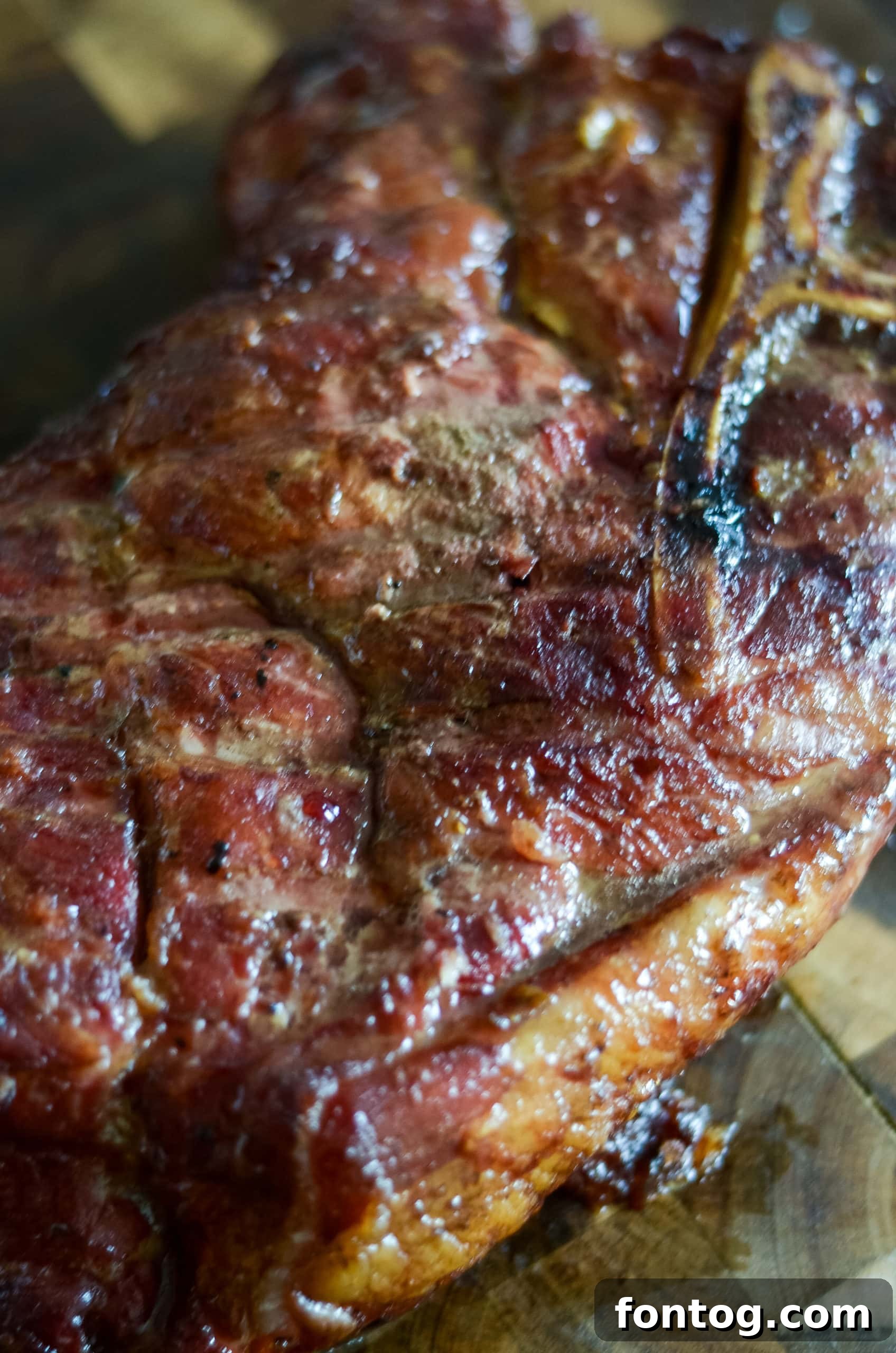
Before applying any dry seasonings, we slather the pork butt with a generous layer of yellow mustard. You might wonder if this will make your pork taste like mustard, but fear not! The mustard’s primary function is not to impart a strong mustard flavor, but rather to act as an adhesive for the dry rub. It helps the spices stick evenly to the surface of the meat, ensuring every bite is packed with flavor.
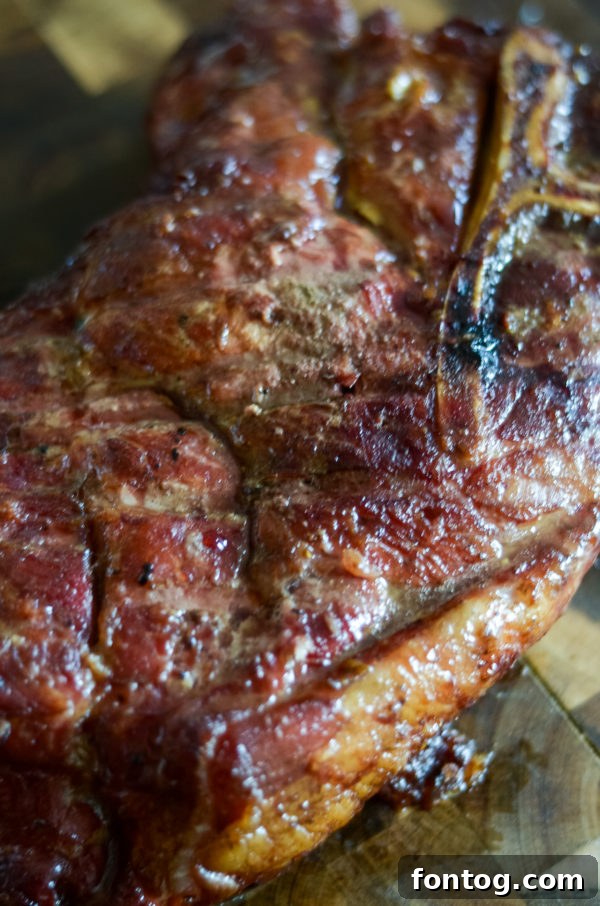
Furthermore, the mustard contributes to the formation of a magnificent bark. As it cooks at a low temperature, the mustard caramelizes and slightly chars, creating a delightful textural contrast and an added layer of savory depth to the pulled pork. It can even subtly enhance the smoky flavor absorption, making it a secret weapon for many pitmasters.
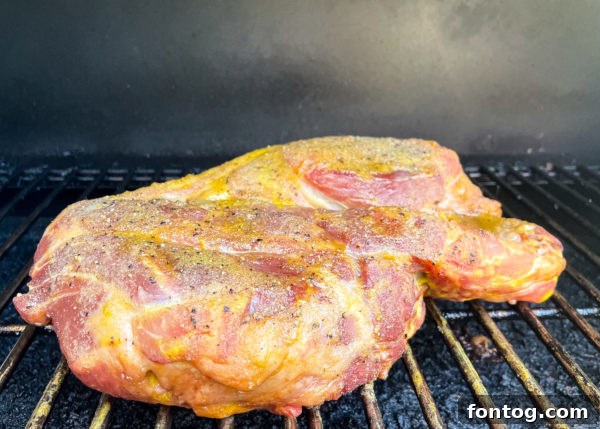
This mustard base is a technique we’ve adopted for almost all our smoked meats now, as it consistently delivers an unparalleled flavor boost and helps achieve that beautiful, dark bark.
**Crafting Your Signature Dry Rub**
Our homemade dry rub is a balanced blend of sweet, savory, and a hint of spice, designed to complement the rich flavor of pork. Here’s what makes it special:
- Brown Sugar (Packed): Essential for caramelization, creating that sweet, slightly sticky bark and balancing the savory notes.
- Salt & Pepper: The fundamental seasoning duo that enhances all other flavors.
- Paprika: Adds a beautiful reddish hue to the bark and a mild, earthy, slightly sweet pepper flavor.
- Crushed Red Pepper Flakes: For those who appreciate a touch of heat, these flakes provide a subtle kick without overpowering the pork. Adjust to your preference!
- Ground Mustard: Reinforces the mustard notes from the binder, adding a pungent, complex layer to the rub.
- Garlic Powder: A classic aromatic that deepens the savory profile of the meat.
Generously coat your mustard-slathered pork with this dry rub, ensuring every crevice is covered. Don’t be shy; a thick layer of rub is key to developing that incredible bark.
The Art of Low and Slow Smoking on Your Pellet Grill
Smoking pulled pork is a test of patience, but the rewards are well worth it. The “low and slow” method is crucial for breaking down the tough connective tissues in the pork shoulder, transforming it into fork-tender perfection.
**Optimal Smoking Temperature**
We recommend setting your pellet grill to a consistent 225°F (107°C). This temperature allows for optimal smoke absorption over several hours, ensuring a deep, smoky flavor permeates the entire roast without drying it out. While the core cooking temperature remains 225°F, you can slightly increase it to 240°F (116°C) during the last hour or so if you’re looking to push through “the stall” or achieve a darker bark. However, avoid going too high, as this can toughen the meat.
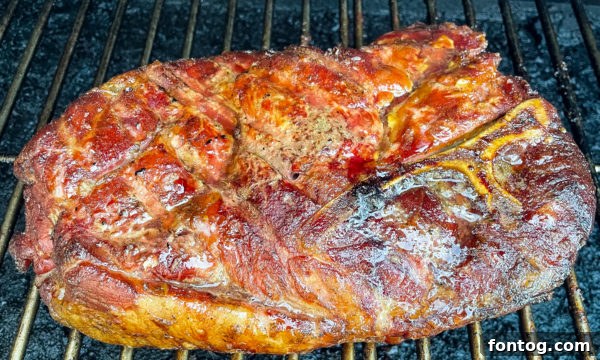
**Understanding Cook Times & Internal Temperature**
Smoked pulled pork requires patience. A typical 3-4 lb pork butt will likely take anywhere from 4 to 6 hours to cook at 225°F, but this is a rough estimate. The golden rule of smoking is to cook to temperature, not time. A good rule of thumb is 1 to 1.5 hours per pound, but every piece of meat is different.
The pork is technically safe to eat at an internal temperature of 145°F (63°C), however, to achieve that melt-in-your-mouth, easily shreddable texture, you need to push the internal temperature much higher. Aim for an internal temperature between 195°F and 205°F (90°C to 96°C). At this stage, the collagen has fully broken down, and the meat will yield effortlessly to a fork.
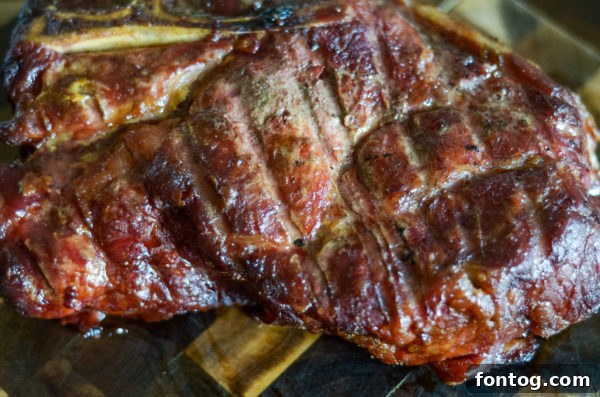
Using a reliable meat thermometer with a probe is essential for monitoring the internal temperature without constantly opening the grill, which can cause temperature fluctuations and extend cooking time. Insert the probe into the thickest part of the pork, avoiding any bone.
**The Infamous “Stall”**
During the smoking process, you might encounter a phenomenon known as “the stall.” This is when the internal temperature of the pork seems to plateau, often around 150-170°F (65-77°C), for several hours. This happens due to evaporative cooling as moisture from the meat evaporates from the surface. Don’t panic! This is a normal part of the process. You can push through it by simply being patient, or you can employ the “Texas Crutch” – wrapping the pork in butcher paper or aluminum foil – to help it power through the stall and retain moisture.
**Resting is Non-Negotiable**
Once your pork butt reaches the desired internal temperature for shredding, resist the urge to immediately pull it apart. Resting the meat is a crucial step that allows the muscle fibers to relax and reabsorb the juices, resulting in a more tender and moist final product. Remove the pork from the grill, wrap it loosely in foil, and let it rest on a cutting board for at least 15-30 minutes, or even longer (up to an hour) for larger cuts. This resting period significantly impacts the juiciness of your pulled pork.
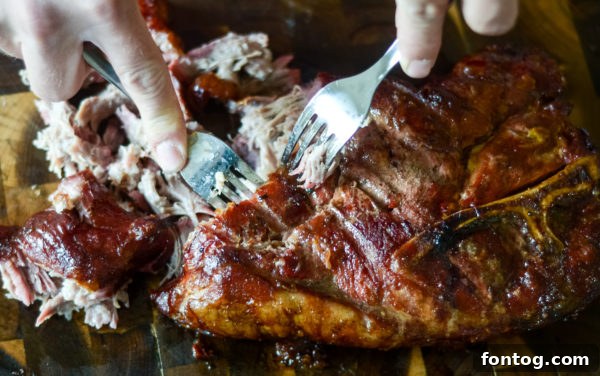
Finishing Touches: Sauce and Serving Suggestions
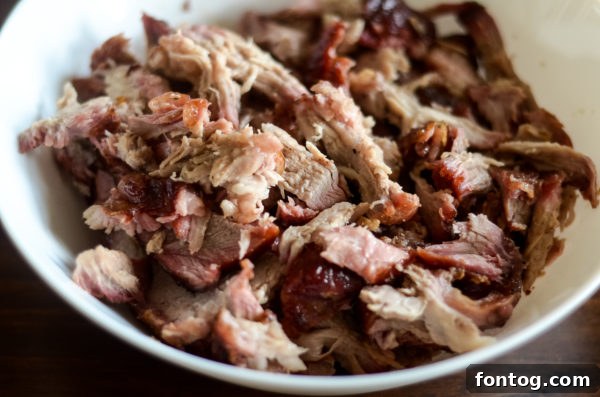
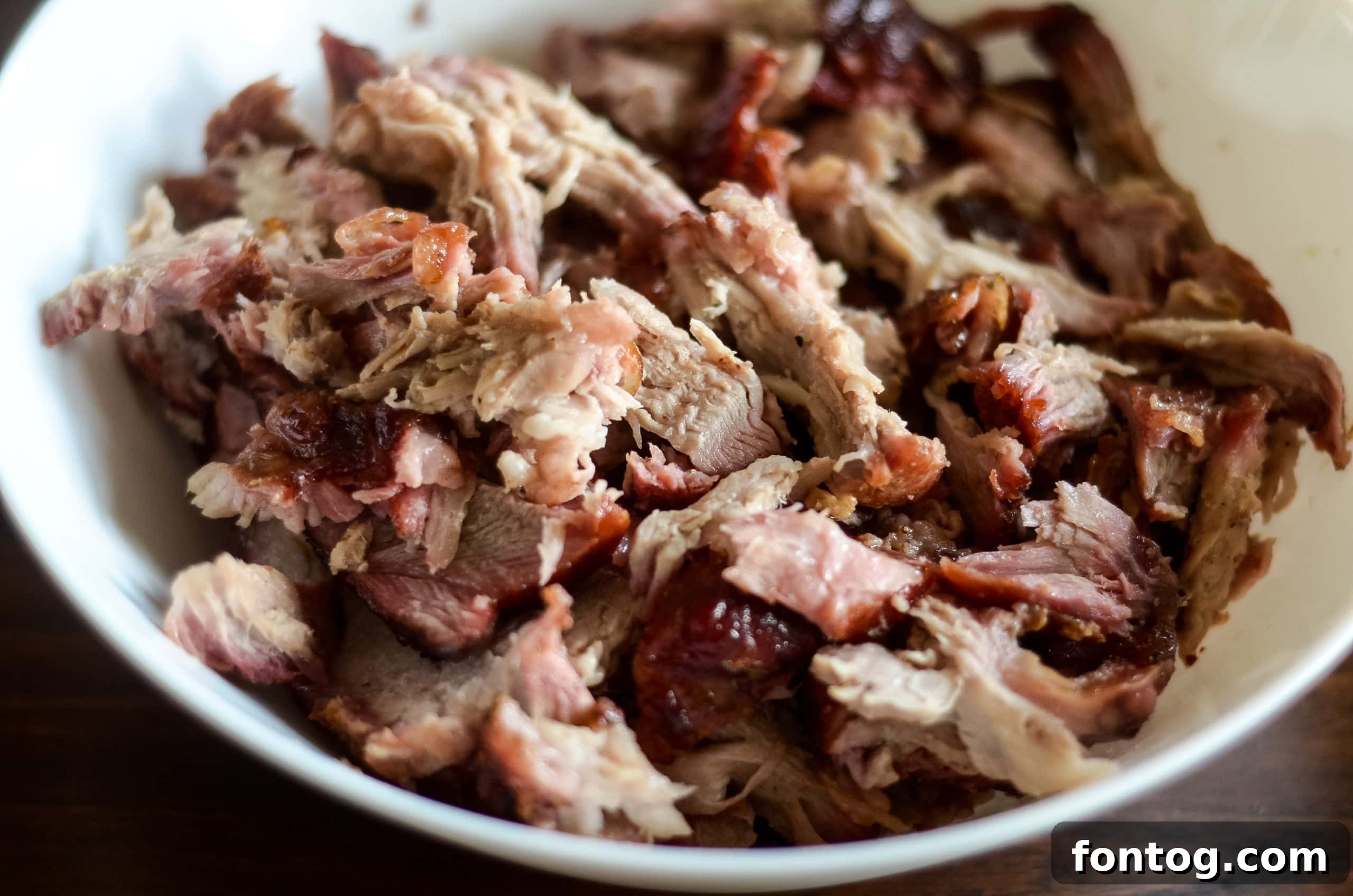
Once rested, it’s time to unleash the deliciousness! Use two forks or meat claws to easily shred the pork into succulent strands. The texture should be incredibly tender, falling apart with minimal effort.
When it comes to barbecue sauce, personal preference reigns supreme. You have a couple of options: you can slather on some barbecue sauce during the last 1-2 hours of smoking to create a caramelized, saucy exterior, or you can wait and add it when serving. We typically prefer to add it at serving time, allowing guests to customize their experience. Our go-to is Head Country barbecue sauce, but feel free to use any brand or style you love – whether it’s tangy Carolina-style, sweet Kansas City, or spicy Texas barbecue sauce.
This delicious smoked pulled pork is incredibly versatile. Serve it piled high on brioche buns for classic pulled pork sandwiches, or use it as a filling for tacos, nachos, sliders, or even as a topping for baked potatoes. It pairs wonderfully with coleslaw, potato salad, or mac and cheese.
Expand Your Pellet Grill Horizons
Now that you’ve mastered this incredible smoked pulled pork recipe, why not explore other possibilities with your pellet grill? The same low-and-slow principles can be applied to a variety of meats.
For a unique and surprising treat, be sure to check out our Smoked Bologna recipe – it’s a game-changer! And if you’re looking for a beef option that delivers the same tender, shreddable goodness, try this fantastic Smoked Pulled Beef. Your pellet grill opens up a world of smoky, savory possibilities!
Kristy Still
Smoked Pulled Pork
Course
Main Dish
Cuisine
American, BBQ
Servings
12
Prep Time
15 minutes
Cook Time
4-5 hours
Total Time
5 hours
15 minutes
Ingredients
- 3-4 LB Pork Butt Roast or Shoulder Bone-In or Boneless
- 2 Tbsp Yellow Mustard
- 3 Tbsp Brown Sugar Packed
- 3 Tsp Salt
- 1/2 Tsp Black Pepper
- 1 Tsp Smoked Paprika
- 1-2 Tsp Crushed Red Pepper Flakes
- 1 Tsp Ground Mustard
- 1 Tsp Garlic Powder
Instructions
-
Begin by preparing your pellet grill. Load it with your preferred wood pellets (a mix of hickory and apple works great for pork) and preheat it to a steady 225°F (107°C).
-
Generously coat the entire pork butt roast with yellow mustard. Start with 2 tablespoons and add more if needed to ensure the pork is fully covered, creating an even base for the rub.
-
In a small bowl, combine the brown sugar, salt, black pepper, smoked paprika, crushed red pepper flakes, ground mustard, and garlic powder. Mix thoroughly until all ingredients are well incorporated.
-
Apply the dry rub mixture liberally over the mustard-coated pork. Press the rub into the meat to ensure it adheres well, creating a thick, flavorful crust.
-
Once the grill has reached 225°F, carefully place the seasoned pork butt directly onto the grates of the smoker. If your pellet grill has a temperature probe, insert it into the thickest part of the meat, avoiding any bone.
-
Cook the pork for approximately 4-5 hours at 225°F (107°C). Remember to cook to temperature, not time. During the last hour or so of cooking, if desired, you can increase the grill temperature to 240°F (116°C) to help finish the bark or push through “the stall.”
-
The pork is safely cooked at an internal temperature of 145°F (63°C). However, for pulled pork that is effortlessly shreddable, continue cooking until the internal temperature reaches between 195°F and 205°F (90°C – 96°C). The meat should feel tender when probed.
-
Once the desired internal temperature is achieved, remove the pork from the grill. Wrap it loosely in aluminum foil or butcher paper and let it rest on a cutting board for at least 15-30 minutes. This step is crucial for juicy, tender pulled pork.
-
After resting, use two forks or meat claws to shred the pork. It should pull apart easily. Remove any large pieces of fat that haven’t rendered.
-
Serve your delicious smoked pulled pork immediately, paired with your favorite Head Country Barbecue Sauce or any other barbecue sauce you prefer. Enjoy!
Notes
Remember to always follow your pellet grill’s specific instructions for preparation and operation, including proper pellet loading. We often use a mixed variety of wood pellets (e.g., hickory and applewood) for this recipe to achieve a balanced and complex smoke flavor.
Nutrition
Serving:
1
g
|
Calories:
1236
kcal
|
Carbohydrates:
3
g
|
Protein:
105
g
|
Fat:
86
g
|
Saturated Fat:
32
g
|
Polyunsaturated Fat:
46
g
|
Cholesterol:
390
mg
|
Sodium:
915
mg
|
Sugar:
3
g
Did you make this recipe?
Make sure to tag #mommyhatescooking on Instagram and follow for more @momhatescooking
Pin Recipe
Share on Facebook