The Ultimate Guide to Delicious Gluten-Free Pizza: A Game-Changer in Homemade Cooking
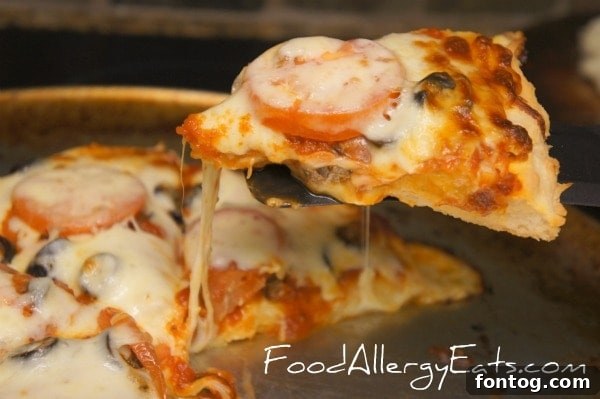
For many years, the idea of truly delicious homemade pizza seemed like a distant dream, especially when navigating the complexities of gluten-free cooking. The perception often held that gluten-free meant compromising on taste, texture, and overall enjoyment. However, I recently embarked on a culinary adventure that completely transformed my perspective and shattered these preconceived notions. What started as a simple experiment quickly turned into a revelation: I made my first gluten-free pizza, and to my absolute astonishment, it wasn’t just good – it was, without a doubt, the best homemade pizza I had ever tasted, gluten-free or otherwise!
The experience was so profoundly satisfying that even my husband, a discerning pizza critic with a lifetime of traditional pizza experience, couldn’t get enough. He nearly devoured the entire pie himself, a powerful testament to its incredible flavor and perfect texture. This wasn’t just a meal; it was a moment of culinary triumph, proving definitively that embracing a gluten-free lifestyle doesn’t mean sacrificing the joy, comfort, and authentic taste of classic dishes. If you’ve been hesitant to try your hand at crafting a gluten-free pizza at home, or if you’ve been disappointed by past attempts, prepare to be inspired. This comprehensive guide will walk you through everything you need to know to create your own show-stopping, allergy-friendly pizza right in your kitchen.
Why Embrace Gluten-Free Pizza? More Than Just a Dietary Choice
The decision to go gluten-free, whether prompted by medical necessity or a personal dietary preference, often ushers in a whole new set of culinary challenges. For individuals diagnosed with Celiac Disease, a severe autoimmune disorder, consuming gluten (a protein found primarily in wheat, barley, and rye) can lead to serious intestinal damage, nutrient malabsorption, and a wide array of debilitating health issues. Beyond Celiac, a significant number of people experience non-celiac gluten sensitivity, where gluten consumption triggers digestive discomfort, brain fog, fatigue, skin problems, and other unpleasant symptoms without the autoimmune response.
However, beyond these critical health considerations, the realm of gluten-free eating has evolved into a vibrant space of innovative ingredients and creative cooking techniques. Historically, many people associated gluten-free pizza with dry, dense, crumbly, or disappointingly flavorless crusts. My recent experience, as well as the advancements in gluten-free baking, has unequivocally shattered these outdated preconceived notions. A well-executed gluten-free pizza can offer a delightfully crispy exterior, a tender and airy interior, and provides the perfect robust canvas for all your favorite toppings, delivering a taste experience that not only rivals but often surpasses traditional wheat-based pizzas in both flavor and texture innovation.
Understanding Gluten-Free Grains and Flour Blends
The secret to achieving a truly great gluten-free pizza crust lies in understanding the unique properties and functionalities of various gluten-free flours. Unlike traditional wheat flour, which relies heavily on gluten proteins for its inherent structure, elasticity, and chewy texture, gluten-free flours require a thoughtful blend of different ingredients to effectively mimic these desired characteristics. This blending approach ensures the crust achieves optimal rise, texture, and stability. Common gluten-free flours and starches used in pizza crusts include:
- Rice Flour (White & Brown): A foundational GF flour, offering a neutral flavor and good structure. Brown rice flour adds a slightly nuttier taste and more fiber.
- Tapioca Starch/Flour: Essential for providing chewiness, crispness, and aiding in browning, often used in combination with other flours.
- Potato Starch/Flour: Contributes to a lighter texture and helps bind ingredients together, preventing crumbliness.
- Sorghum Flour: A nutritious whole grain flour with a mild, slightly sweet flavor, adding depth and a tender crumb.
- Millet Flour: Offers a delicate, subtly nutty flavor and a fine, soft texture, improving the overall mouthfeel of the crust.
- Almond Flour: Adds richness, moisture, and a pleasant flavor, though it can result in a denser crust if not balanced with lighter flours.
- Oat Flour (Certified GF): Provides a hearty texture and a distinct, wholesome flavor. It’s crucial to ensure it’s certified gluten-free to avoid cross-contamination with wheat.
Often, a successful gluten-free pizza crust recipe will utilize a carefully balanced blend of several of these flours and starches, frequently incorporating hydrocolloid binders like xanthan gum or guar gum. These binders are vital for mimicking the elasticity and binding capabilities that gluten naturally provides, ensuring the dough is workable and the baked crust holds together beautifully without being brittle.
Crafting Your Ultimate Homemade Gluten-Free Pizza: Step-by-Step Guide
Embarking on the journey of making gluten-free pizza at home is an incredibly rewarding culinary experience. It grants you unparalleled control over every single ingredient, allowing you to meticulously tailor your pizza to your exact taste preferences, dietary requirements, and any specific allergy concerns. Here are some essential tips, considerations, and actionable steps for creating your perfect, personalized gluten-free pie:
1. Choosing Your Gluten-Free Pizza Crust Base: The Foundation of Flavor
The crust is undeniably the foundation upon which every great pizza is built. For gluten-free enthusiasts, you now have several excellent and increasingly accessible choices:
- Premium Store-Bought Gluten-Free Mixes: This is precisely where my successful journey began, and I wholeheartedly recommend this option, especially for beginners or those with busy schedules. High-quality mixes, such as those meticulously crafted by the King Arthur Baking Company, skillfully eliminate the guesswork often associated with blending various gluten-free flours. They typically include all the necessary dry ingredients (requiring only the addition of water and oil), ensuring a consistent, reliable, and deliciously satisfying result every time. These mixes are expertly designed for ease of use and consistently produce a robust crust that holds up beautifully to a generous array of toppings.
- Convenient Pre-Made Gluten-Free Crusts: An ever-growing number of brands now offer ready-to-bake, pre-formed gluten-free crusts. These are fantastic for incredibly quick meals, spontaneous cravings, or when time is truly of the essence. Always be diligent in checking the ingredient list to ensure they strictly adhere to your specific dietary requirements and allergen avoidance protocols.
- Homemade from Scratch (for the Adventurous Baker): For the more experienced and adventurous baker, crafting a gluten-free crust entirely from individual gluten-free flours can be a deeply satisfying and fun challenge. This approach allows for the ultimate customization of flavor, texture, and nutritional profile, though it typically requires more experimentation, a deeper understanding of gluten-free baking principles, and patience. When seeking scratch recipes, prioritize those that intelligently combine a variety of flours and starches, along with a crucial binder like xanthan gum, for optimal results.
2. Perfecting Your Toppings: Allergy-Friendly and Bursting with Flavor
Once you’ve selected and prepared your ideal gluten-free crust, the creative possibilities for toppings are virtually limitless! This is truly where you can infuse your pizza with your unique personality and flavor preferences. When thoughtfully considering allergy-friendly topping options, embrace creativity and explore diverse culinary combinations:
- The Sauce: A simple, vibrant homemade marinara sauce, crafted from quality canned crushed tomatoes, fresh garlic, fragrant basil, and aromatic oregano, is always a winning choice. If opting for store-bought sauces, meticulously check labels to ensure there are no hidden sugars, unwanted additives, or common allergens. Other delightful bases include vibrant pesto, a drizzle of high-quality olive oil, or even a creamy white sauce (with many excellent dairy-free alternatives now widely available).
- Cheese (or Innovative Alternatives): If dairy is a dietary concern or an allergen, the market now boasts an impressive array of superb dairy-free cheese alternatives that melt beautifully and provide that satisfying, gooey texture. For those who can tolerate dairy, a classic blend of low-moisture mozzarella and savory provolone offers that quintessential pizza flavor and delightful stretch.
- An Abundance of Vegetables: Load your pizza with a colorful medley of fresh vegetables! Vibrant bell peppers (red, yellow, orange), thinly sliced onions, earthy mushrooms, tender spinach, briny olives, sweet cherry tomatoes, and tangy artichoke hearts are perpetually popular choices. Pre-roasting certain vegetables, such as bell peppers or onions, can significantly intensify their natural sweetness and depth of flavor.
- Proteins for Power: Incorporate cooked and shredded chicken, lean ground turkey, gluten-free certified pepperoni, savory ham, or even a variety of plant-based “meats” to add substantial protein and texture. For a delicious and hearty vegetarian option, consider roasted chickpeas, seasoned lentils, or crumbled tofu.
- Flavor-Enhancing Herbs & Spices: A generous scattering of fresh basil leaves, dried oregano, a pinch of spicy red pepper flakes, or a sprinkle of nutritional yeast (for a cheesy, umami boost) can dramatically elevate the overall flavor profile of your pizza, transforming it from good to truly gourmet.
3. Baking Your Gluten-Free Masterpiece to Perfection
The baking process is an incredibly critical stage for achieving that coveted perfect gluten-free crust: one that is delightfully crispy on the outside, yet tender and wonderfully airy on the inside:
- Preheat Thoroughly and Strategically: Always ensure your oven is fully preheated to the recommended high temperature (typically between 400-450°F or 200-230°C). If you’re using a pizza stone or a heavy-duty baking steel/sheet, place it in the oven during the preheating phase. A scorching hot surface is paramount as it instantly sets the crust, helping it cook evenly and crisp up beautifully from the bottom.
- Pre-bake the Crust (Highly Recommended): For a truly sturdy and impeccably crispy crust, especially when planning to use wetter or more substantial toppings, strongly consider pre-baking your gluten-free crust for approximately 5-10 minutes before you add any sauce or toppings. This crucial step helps to prevent the dreaded “soggy bottom” syndrome that can plague gluten-free pizzas.
- Avoid Overloading: While the temptation to pile on every delicious topping can be strong, resist the urge to overload your pizza. Excessive moisture from too many wet ingredients can hinder the crust’s ability to crisp up properly. Distribute your chosen toppings evenly and judiciously to allow for optimal baking.
- Monitor Closely: Baking times are not absolute and can vary considerably depending on the nuances of your specific oven, the thickness of your crust, and the moisture content of your toppings. Keep a close eye on your pizza, watching for those tell-tale golden-brown edges and a satisfyingly bubbling, melted cheese.
My Discovery: The Magic of King Arthur Gluten-Free Mixes – A Culinary Revelation
My initial successful foray into the world of truly exceptional gluten-free pizza was, to a significant extent, made possible and profoundly enjoyable thanks to the incredible and reliable products from King Arthur Baking Company. When I first embarked on my pioneering gluten-free pizza attempt, I was introduced to their dedicated gluten-free pizza mix, and it proved to be an absolute game-changer in my kitchen. The sheer ease of preparation, combined with the undeniably superior quality and texture of the resulting crust, made the entire process genuinely enjoyable and remarkably stress-free. The crust baked up beautifully, delivering a delightful and much-sought-after texture that was both satisfyingly chewy and wonderfully crispy – a perfect combination that is often notoriously difficult to achieve in the realm of gluten-free baking.
This triumphant experience wasn’t merely about the creation of a delicious pizza; it profoundly opened my eyes to the immense potential and quality of King Arthur’s wider, extensive range of gluten-free offerings. Following my pizza success, I also had the distinct pleasure of trying their gluten-free cookie and cake mixes, which proved to be just as outstanding in their performance and flavor. What consistently sets their products apart is their unwavering commitment to delivering on both taste and texture, thereby making gluten-free baking universally accessible and genuinely enjoyable for everyone, regardless of their prior experience level. King Arthur truly demonstrates an profound understanding of the intricate nuances of gluten-free ingredients and meticulously formulates their mixes to consistently produce results that stand proudly and deliciously alongside their traditional, gluten-containing counterparts.
Back when I first enthusiastically shared this exciting culinary discovery, there was even a fantastic, exclusive opportunity for readers to win a curated selection of King Arthur’s finest gluten-free products. This included the very pizza mix that had so completely stolen my heart, alongside their delightful cookie and cake mixes, promising a complete gluten-free baking overhaul. While that particular giveaway has, naturally, long since concluded, the enduring and exceptional quality of King Arthur products means that these incredible baking essentials are readily available today. They continue to empower countless home bakers, empowering them to confidently create incredible gluten-free meals and treats with unparalleled ease and success.
If you are truly serious about elevating your gluten-free kitchen and consistently producing delicious results, I wholeheartedly and enthusiastically recommend exploring King Arthur’s comprehensive product line. Their unwavering dedication to superior quality, coupled with their focus on user-friendliness, firmly establishes them as a trusted and invaluable ally for anyone navigating a gluten-free lifestyle, gracefully transforming once-challenging recipes into simple, delicious, and consistently successful culinary triumphs.
Beyond Pizza: Expanding Your Gluten-Free Culinary Horizons with Confidence
The exhilarating success with my gluten-free pizza is merely the inspiring beginning! Once you personally discover just how profoundly rewarding and incredibly delicious gluten-free cooking can truly be, you’ll undoubtedly find yourself eager and motivated to explore an even broader spectrum of culinary possibilities. King Arthur’s diverse and ever-expanding range of high-quality gluten-free flours and convenient mixes makes it easier than ever before to confidently tackle everything from robust, rustic breads to delicate, intricate pastries, ensuring that you never feel limited or constrained by dietary restrictions. Embrace the adventure and expand your gluten-free repertoire!
Frequently Asked Questions About Mastering Gluten-Free Pizza
- Q: What fundamentally differentiates gluten-free pizza from traditional regular pizza?
- A: The primary and most significant difference lies in the composition of the crust. Gluten-free pizza crusts are meticulously crafted without the inclusion of wheat, barley, or rye flour, which all contain gluten. Instead, they utilize a carefully selected blend of various gluten-free flours (such as rice, tapioca, corn, and potato starch) and frequently incorporate binders like xanthan gum or guar gum to effectively achieve the necessary structure, elasticity, and desired texture that gluten naturally provides.
- Q: Is gluten-free pizza inherently healthier than its traditional counterpart?
- A: Not necessarily. While gluten-free pizza is absolutely essential for individuals with Celiac Disease or those with diagnosed gluten sensitivity, the mere label “gluten-free” does not automatically equate to being healthier. Some commercially produced gluten-free products, including crusts, can sometimes be higher in refined starches, added sugars, or unhealthy fats. The overall healthiness of any pizza, whether gluten-free or not, ultimately depends on the specific ingredients used in the crust and, crucially, the nutritional value and quantity of the toppings.
- Q: Can I simply substitute gluten-free flour for regular flour in any existing pizza recipe?
- A: Generally, no, a straightforward 1:1 substitution is not advisable or effective. Gluten-free flours behave fundamentally differently from wheat flour because they lack the unique protein network of gluten, which is responsible for dough’s elasticity, rise, and structure. A direct swap will almost certainly result in a dense, crumbly, or unworkable dough. It is always best practice to strictly follow recipes that have been specifically developed and formulated for gluten-free pizza crusts, as these recipes are expertly balanced with the correct blend of flours, starches, and binders to ensure successful results.
- Q: How can I effectively prevent my homemade gluten-free pizza crust from becoming soggy?
- A: To effectively combat a soggy gluten-free pizza crust, several key strategies can be employed. These include: thoroughly pre-baking the crust for 5-10 minutes before adding any sauce or toppings, being mindful not to overload the pizza with excessive amounts of wet toppings (like watery vegetables or too much sauce), ensuring your oven is fully preheated (especially if you are using a pizza stone or baking steel), and opting for less watery sauces or reducing them beforehand.
- Q: Where can I reliably find high-quality gluten-free pizza mixes or convenient pre-made crusts?
- A: Fortunately, most major grocery stores and supermarkets now dedicate significant shelf space to a diverse variety of gluten-free products. Look for reputable and well-regarded brands such as King Arthur Baking Company, Bob’s Red Mill, or specialized brands like Caputo Fioreglut (for a more authentic Italian-style gluten-free flour). Additionally, specialty health food stores and organic markets typically offer an even wider and more curated selection of premium gluten-free baking essentials.
Explore More Deliciousness with Mommy Hates Cooking: Your Culinary Resource
My kitchen adventures, particularly this recent journey into gluten-free pizza perfection, represent just a tantalizing glimpse of the many diverse recipes, invaluable tips, and practical resources readily available here at Mommy Hates Cooking. If you’re earnestly looking to expand your culinary repertoire with more fantastic, family-friendly meals – whether they are specifically gluten-free, allergy-friendly, budget-conscious, or simply crowd-pleasing favorites designed to delight every palate – rest assured, you have absolutely come to the right place.
We are consistently discovering, testing, and sharing new and innovative ways to make home cooking an enjoyable, accessible, and less intimidating experience for everyone. Be sure to explore our extensive and meticulously curated Products list. Within this valuable section, you’ll discover unbiased reviews, trusted recommendations, and practical insights into essential kitchen tools, high-quality ingredients, and time-saving services that are specifically chosen to make your cooking journey easier, more efficient, and undeniably more fun. Uncover the Mommy Hates Cooking Products and Services that have the potential to truly revolutionize your kitchen experience and culinary approach.
And for an endless, inspiring source of culinary creativity, immerse yourself in our comprehensive Recipe Index. From quick, effortless weeknight dinners that solve the “what’s for dinner?” dilemma, to delightful special occasion treats that impress and indulge, our meticulously organized index is a veritable treasure trove of recipes thoughtfully designed to fit every lifestyle, cater to various dietary needs, and celebrate the joy of good food. Take a moment to explore the Recipe Index by Mommy Hates Cooking and enthusiastically find your next favorite meal or baking project today!
Ultimately, do not permit dietary restrictions or perceived culinary limitations to define or diminish your vibrant culinary experience. With the right, high-quality ingredients, insightful tips, a dash of creativity, and a willingness to experiment, you can confidently enjoy all your beloved comfort foods, including the most incredibly amazing homemade gluten-free pizza you’ve ever imagined. Happy cooking, and bon appétit!