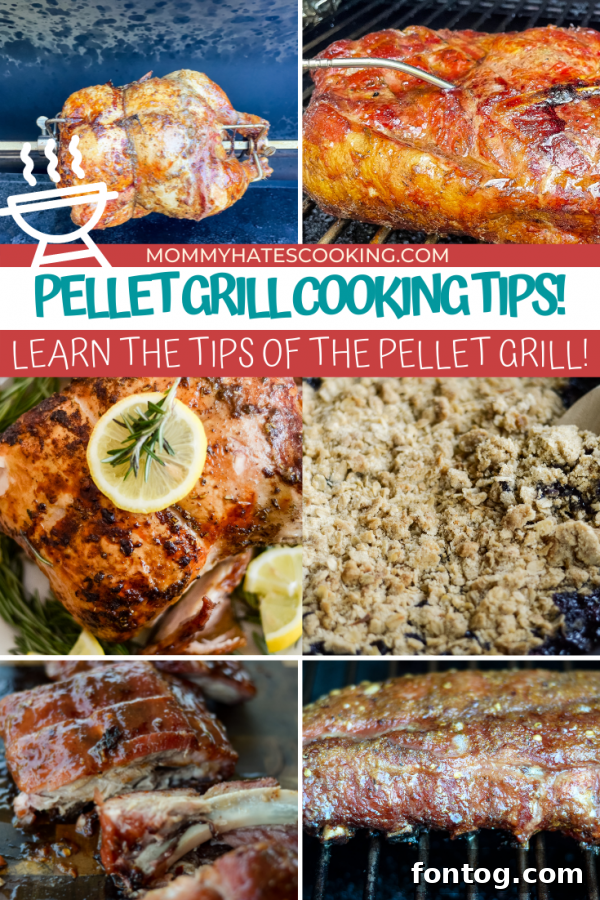
Mastering Your Pellet Grill: 10 Essential Tips for Unforgettable Flavor
In the world of outdoor cooking, the pellet grill has emerged as a true game-changer, revolutionizing how we approach barbecue and everyday meals. For those unfamiliar, a pellet grill distinguishes itself by using natural wood pellets as its fuel source, rather than traditional charcoal or gas. This innovative design offers unparalleled versatility, allowing you to seamlessly transition between roasting, braising, baking, and, most notably, smoking your favorite foods to perfection. It’s akin to having a high-tech, outdoor oven with the added bonus of authentic wood-fired flavor.
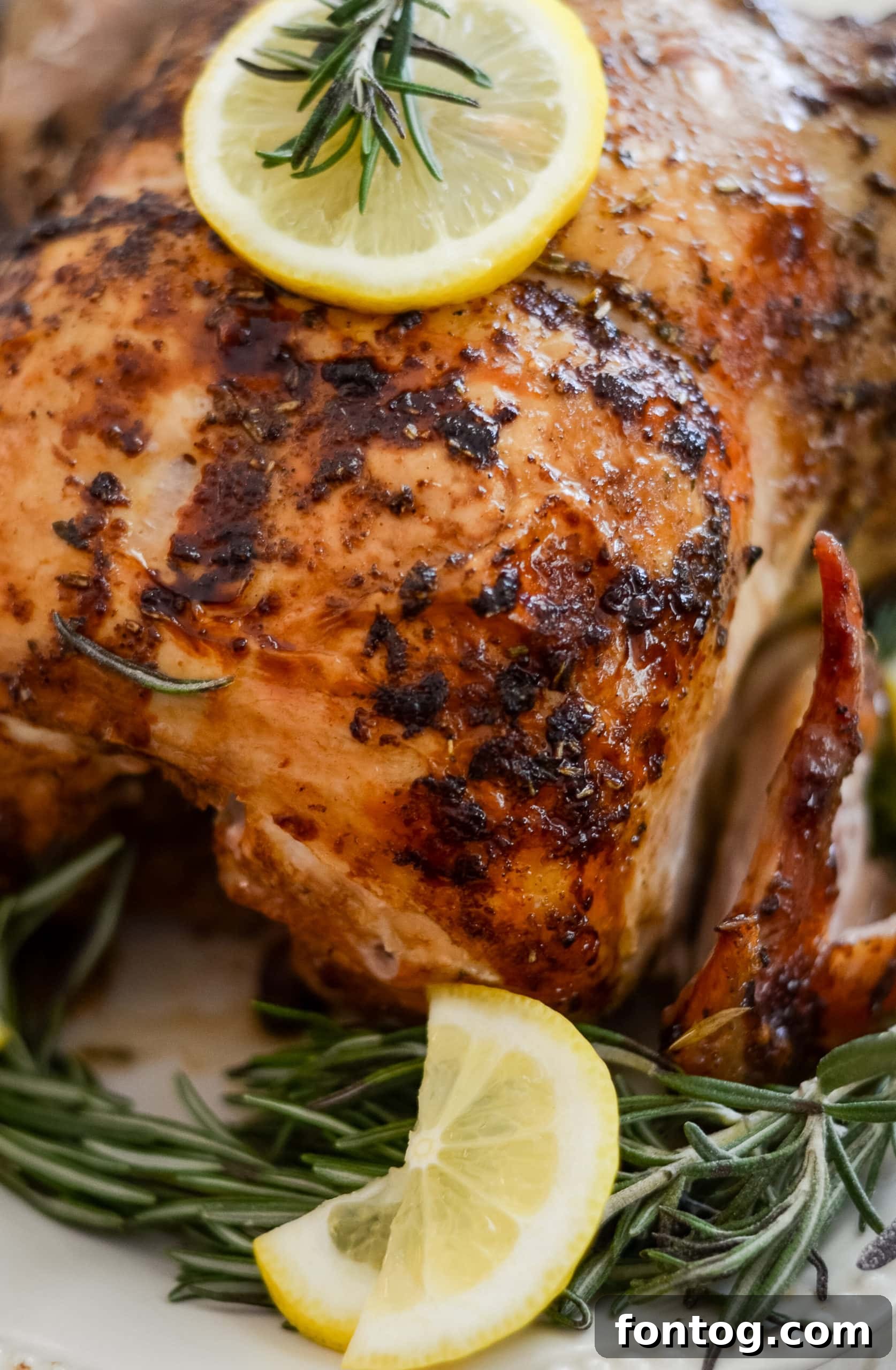
The recent surge in popularity of pellet grills isn’t just a fleeting trend; it’s a testament to their exceptional performance and user-friendly design. Many new enthusiasts discover the joys of pellet grilling during holidays or special occasions, quickly becoming hooked on the unique smoky depth that simply cannot be replicated by a gas grill. Beyond the incredible flavor, the precise temperature control offered by a wood pellet grill far surpasses the often unpredictable nature of charcoal setups, making it easier than ever to achieve consistent, mouth-watering results every time you cook.
Whether you’re a seasoned pitmaster looking to refine your technique or a complete novice eager to unlock the potential of your new outdoor appliance, this comprehensive guide is designed for you. We’ve meticulously curated the 10 best tips for cooking on a pellet grill, ensuring that you’re equipped with the knowledge to consistently create tasty, hassle-free meals and snacks. Prepare to elevate your grilling game and impress everyone with perfectly cooked, smoke-infused dishes!
Essential Techniques: How to Maximize Your Pellet Grill’s Potential
To truly master your pellet grill, understanding a few fundamental principles and practices is key. These tips cover everything from initial setup to advanced smoking techniques, ensuring a rewarding cooking experience from start to finish.
#1: Always “Season” a New Pellet Grill for Optimal Performance and Flavor
Just like a new cast iron pan, a brand-new pellet grill requires proper “seasoning” before its inaugural use with food. This crucial first step serves multiple vital purposes. Firstly, it effectively burns off any residual manufacturing oils, dust, or chemicals that may have accumulated during the production process. This ensures that these unwanted contaminants don’t transfer any off-flavors to your food. Secondly, seasoning helps to protect the internal surfaces of the grill, creating a protective barrier that can prevent rust and potentially contribute to a more non-stick cooking surface over time. The process typically involves coating the interior components, such as the grates and the inside of the cooking chamber, with a high-heat cooking oil (like vegetable or canola oil), then running the grill at a high temperature (usually around 350-400°F) for a specified duration, often 45 minutes to an hour, without any food. After this initial burn-in, it’s advisable to allow the grill to cool completely, often letting it sit for 24 hours, before embarking on your first culinary adventure. This foundational step is paramount for safe, clean, and flavorful cooking from day one.

#2: Select the Right Wood Pellets to Enhance Your Food’s Flavor Profile
The type of wood pellets you choose is paramount, as they are the source of both heat and the distinctive smoky flavor your pellet grill imparts. The market offers a vast array of wood pellet varieties, each with its own unique aroma and taste profile. For a versatile, mild smoke flavor that complements most foods, opt for 100% hardwood pellets with no added flavorings, fillers, or chemicals—often labeled as “grill blends.” However, to truly elevate specific dishes, consider specialty woods:
- Hickory: A strong, classic BBQ smoke, ideal for beef (brisket, steaks), pork (ribs, pulled pork), and hearty vegetables.
- Mesquite: Even more intense than hickory, mesquite delivers a bold, earthy flavor that pairs exceptionally well with beef, wild game, and poultry.
- Apple: A mild, sweet, and fruity smoke, perfect for pork (ribs, shoulder), poultry (chicken, turkey), and baked goods.
- Cherry: Offers a slightly sweeter and fruitier flavor than apple, also great for pork, poultry, and even fish. It also imparts a beautiful mahogany color to meats.
- Oak: A medium-strength smoke, very versatile and good for almost any meat, providing a robust but not overpowering flavor.
- Pecan: A subtle, nutty flavor that’s milder than hickory but richer than fruit woods, excellent for poultry, pork, and seafood.
Experiment with different types to discover your preferred pairings and enhance the natural flavors of your ingredients. Always ensure your pellets are of high quality and stored correctly to prevent moisture absorption, which can hinder their performance and flavor delivery.
#3: Consistent Cleaning and Maintenance are Crucial for Longevity and Flavor
While pellet grills offer convenience, neglecting their upkeep can quickly lead to diminished performance, undesirable flavors, and reduced lifespan. It’s not just about avoiding unsightly buildup; it’s about maintaining optimal cooking conditions. Allowing grease, ash, and oil to accumulate not only poses a fire hazard but can also impart stale, bitter flavors to your food. Regular cleaning should include:
- Grates: Clean after every cook while warm, using a grill brush.
- Ash Pot/Vacuum: Regularly remove ash from the fire pot and the bottom of the grill. Ash buildup can restrict airflow and affect temperature consistency.
- Grease Tray: Clean or replace foil liners frequently to prevent grease fires and maintain hygiene.
- Hopper: While not a daily task, periodically empty your pellet hopper and brush out any dust or small fragments, especially when switching pellet types or before long-term storage.
Beyond cleaning, routine maintenance involves ensuring there are always enough pellets in your hopper for your cook. Running out mid-smoke can be frustrating and can impact your food’s texture and flavor. Consistent maintenance ensures your grill runs efficiently, safely, and continues to produce the incredible food you love.
#4: Invest in a Quality Meat Thermometer for Precision Cooking and Food Safety
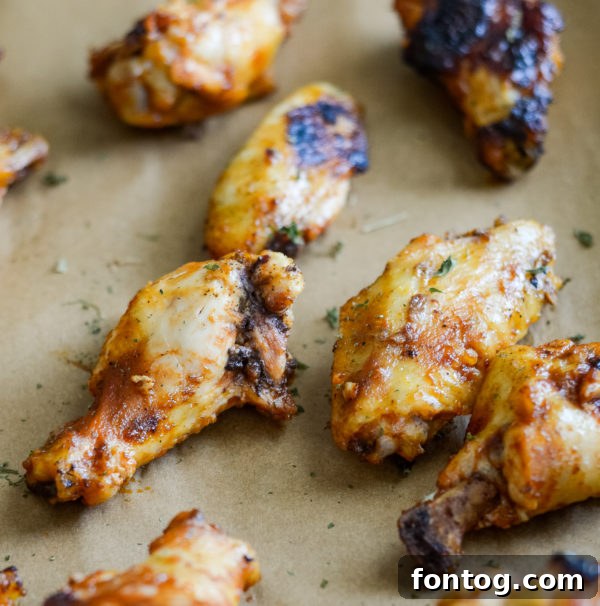
While your pellet grill comes equipped with an internal thermometer, it primarily measures the ambient temperature inside the cooking chamber. This reading is an average and may not accurately reflect the temperature of the food itself, particularly in different parts of the grill. To achieve perfectly cooked results every time and, more importantly, to ensure food safety, an external meat thermometer is indispensable.
Consider these types:
- Instant-Read Thermometer: Essential for quick checks of internal temperature on various cuts of meat.
- Probe Thermometer: Allows you to monitor the internal temperature of larger cuts (like roasts, briskets, or whole chickens) remotely, without opening the grill, throughout the entire cooking process.
Knowing the exact internal temperature of your meat is critical for achieving the desired doneness, preventing undercooking, and ensuring succulent, tender results. Don’t guess; measure. This small investment will dramatically improve your grilling confidence and the quality of your finished dishes.
#5: Identify Your Pellet Grill’s “Hot Spot” for Consistent Cooking
Despite the advanced design for even heat distribution, most grills, including pellet grills, will have subtle variations in temperature across their cooking surface, often referred to as “hot spots.” These areas burn hotter than others due to factors like airflow, burner placement, and lid design. Identifying your grill’s hot spot(s) allows you to strategically place different foods for optimal cooking.
A simple “bread test” can help: lay slices of white bread across the entire grill grate, close the lid for a few minutes, then observe which slices toast faster or darker. The areas with the most browning indicate your hot spots.
Once identified, you can use this knowledge to your advantage:
- Place items requiring a quick sear or higher heat (like steaks or chicken wings) on the hot spot.
- Position foods that need slower, more even cooking (like delicate fish or vegetables) away from the hot spot, or rotate them to ensure uniform doneness.
Understanding your grill’s unique heat distribution empowers you to cook more precisely and avoid accidentally burning certain items while others cook slower.
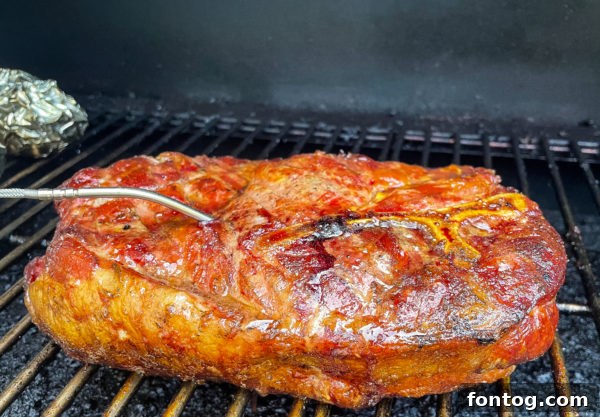
#6: Embrace the “Low and Slow” Method for Unbeatable Barbecue
The “low and slow” cooking method is where pellet grills truly shine, particularly when it comes to classic barbecue staples like ribs, briskets, and pulled pork. This technique involves smoking meats at lower temperatures (typically between 225°F and 275°F) for extended periods. The magic of low and slow lies in several factors:
- Tenderization: Low temperatures allow tough connective tissues in meat to break down slowly into gelatin, resulting in incredibly tender and juicy results.
- Smoke Infusion: Longer cooking times at lower temperatures maximize the absorption of smoky flavor into the meat, creating that rich, deep BBQ taste.
- Even Cooking: The gentle heat ensures the meat cooks evenly from edge to center, preventing dry spots.
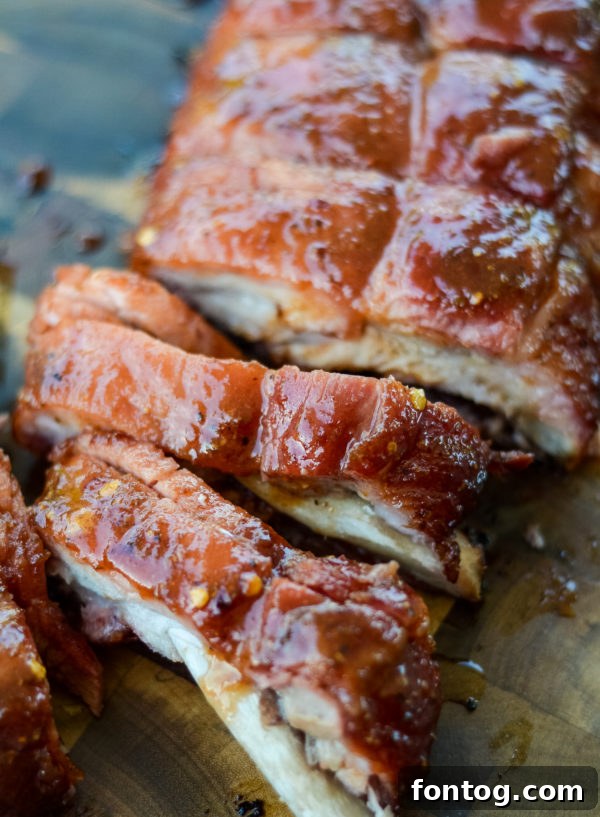
For many cuts, this might involve an initial “smoke” phase at the lowest possible setting for an hour or two to build a strong smoke ring and flavor, followed by an increase in temperature for the remainder of the cook. Always consult your pellet grill’s manual or trusted recipes for specific time and temperature guidelines for different cuts of meat. Patience is a virtue with low and slow, but the reward is undeniably worth it—fall-off-the-bone tender, smoky perfection.
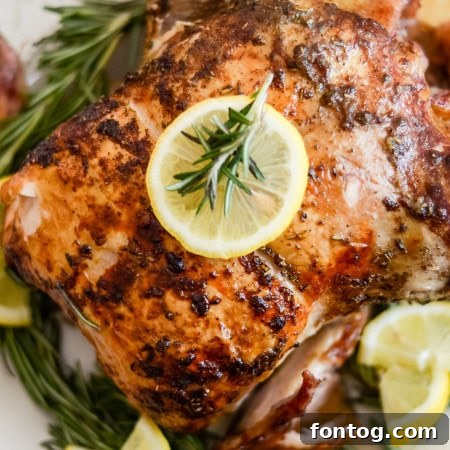
Discover Your Next Favorite Pellet Grill Recipe!
Ready to put these tips into practice? Dive into a treasure trove of delicious possibilities! From smoky mains to delightful desserts, we’ve got a recipe for every craving. Click on this curated LIST of incredible pellet grill recipes and get inspired for your next outdoor cooking adventure!
#7: Proper Care and Storage of Your Wood Pellets is Essential
Your wood pellets are the heart of your pellet grill’s operation and flavor profile, so their proper care and storage cannot be overlooked. A common rule of thumb is that a pellet grill typically consumes about one pound of pellets per hour at moderate temperatures. However, this can vary significantly based on the ambient temperature, the grill’s set temperature, and how frequently you open the lid. Always ensure you have a sufficient supply on hand before starting a long cook.
More critically, wood pellets are extremely susceptible to moisture. If exposed to humidity or rain, they will absorb water, swell, and essentially turn back into sawdust, becoming unusable. Moist pellets will not burn efficiently, can cause auger jams, and will produce poor quality smoke, leading to bitter-tasting food. To prevent this:
- Store pellets in airtight containers (like 5-gallon buckets with gamma seal lids) away from direct sunlight and moisture.
- Keep them in a cool, dry place, ideally elevated off the ground.
- Avoid leaving pellets in the hopper for extended periods, especially in humid conditions, as they can draw moisture and swell.
Proper storage ensures your pellets remain fresh, burn cleanly, and consistently deliver the best flavor to your food.
#8: Always Preheat Your Pellet Grill for Optimal Results
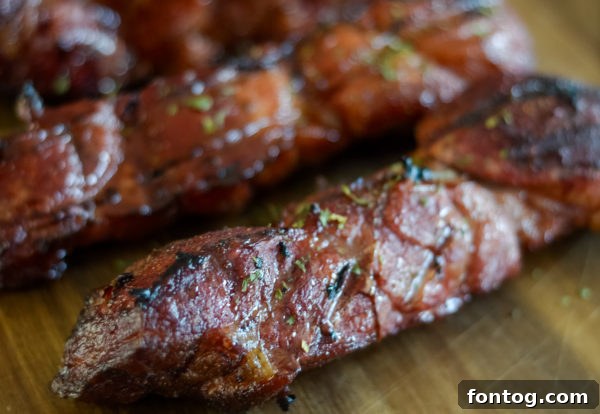
Much like your indoor oven, a pellet grill requires adequate preheating to reach and stabilize at your desired cooking temperature. This process typically takes between 10 to 20 minutes, depending on the grill model, ambient temperature, and the target temperature. Simply turn on your grill, set it to your chosen temperature, and allow it to preheat fully before placing any food inside.
Why is preheating so important?
- Temperature Stability: It allows the grill to reach a consistent temperature throughout the cooking chamber, preventing uneven cooking.
- Clean Smoke: A properly preheated grill ensures the pellets are burning efficiently, producing the desirable “thin blue smoke” rather than thick, acrid white smoke.
- Searing Capability: If you’re planning to sear, preheating to a high temperature ensures the grates are hot enough to create that perfect crust.
Patience during preheating is a virtue that pays off with more consistent cooks, better smoke flavor, and overall superior results. Don’t rush it; your barbecue will thank you!
#9: Recognize Good Smoke: Blue Smoke is Flavorful Smoke
When it comes to smoking food on a pellet grill, not all smoke is created equal. The visual quality of the smoke emanating from your grill is a critical indicator of the flavor it will impart to your food.
- Blue Smoke (Thin Blue Smoke): This is the holy grail of smoking. It appears as a faint, wispy, almost invisible blue haze. This type of smoke indicates a clean and efficient burn, signifying that the wood compounds are fully combusting to produce delicious, aromatic flavor compounds. This is the smoke you want for infusing your food with rich, complex, and pleasant smoky notes.
- White Smoke (Thick White/Gray Smoke): This is undesirable. Thick white or gray smoke is a sign of incomplete combustion. It often contains creosote and other bitter-tasting compounds that will leave your food tasting harsh, acrid, and unpleasant, almost like chemicals or an ashtray. If you see white smoke, check your pellet quality, ensure proper airflow, and confirm your grill is fully preheated.
Always aim for thin blue smoke to ensure your food is infused with the best possible, clean wood-fired flavor.
#10: Enhance Smoke Flavor with a Smoke Tube or Maze
While pellet grills naturally impart a wonderful smoky flavor, some enthusiasts desire an even more intense smoke profile, especially for shorter cooks or when cold smoking. This is where a smoke tube or smoke maze becomes an invaluable accessory.
A smoke tube is a perforated stainless steel tube that you fill with wood pellets or wood chips. Once lit with a torch, it smolders slowly, producing a continuous stream of thin blue smoke for several hours without significantly raising the ambient temperature inside your grill.
Benefits of using a smoke tube:
- Increased Smoke Flavor: It supplements the smoke produced by your grill, providing a more robust smoky taste to your food.
- Versatility: Excellent for shorter cooks (like steaks, chicken breasts, or vegetables) where the grill’s own smoke production might be less pronounced.
- Cold Smoking: Perfect for cold smoking cheeses, nuts, fish, or even charcuterie, as it adds smoke without adding significant heat.
If you truly love that deep, pervasive smoky flavor that transforms ordinary dishes into extraordinary culinary experiences, a smoke tube is a simple yet highly effective way to elevate your pellet grilling game.
Share Your Pellet Grill Wisdom!
We’ve covered a lot of ground, from seasoning your grill to mastering the art of low and slow, and even enhancing your smoke with specialized accessories. These 10 tips are designed to empower you, whether you’re a beginner or looking to perfect your technique, to achieve delicious, consistently impressive results on your pellet grill.
Now, we want to hear from you! Do you have any go-to tips, secret techniques, or favorite pellet grill tricks that you swear by? Share your insights and experiences in the comments section below – let’s build a community of pellet grill masters! Your advice could be the game-changer for another grilling enthusiast.
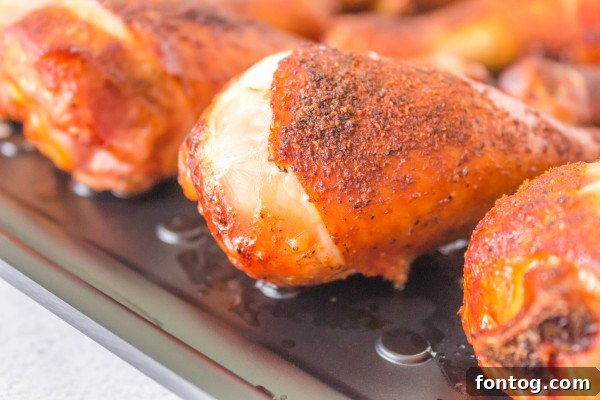
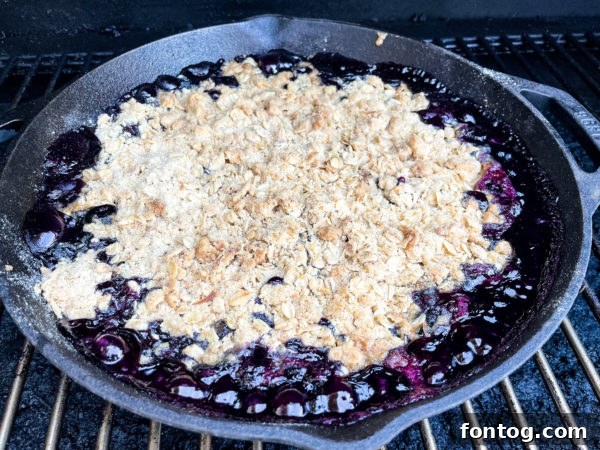
In the meantime, don’t forget to explore the vast world of pellet grill recipes. From perfectly smoked turkey legs and savory baked potatoes to gourmet pizzas and more, the possibilities are endless. Click here for the ultimate list of best pellet grill recipes the internet has to offer. It’s time to fire up your grill and get cooking!