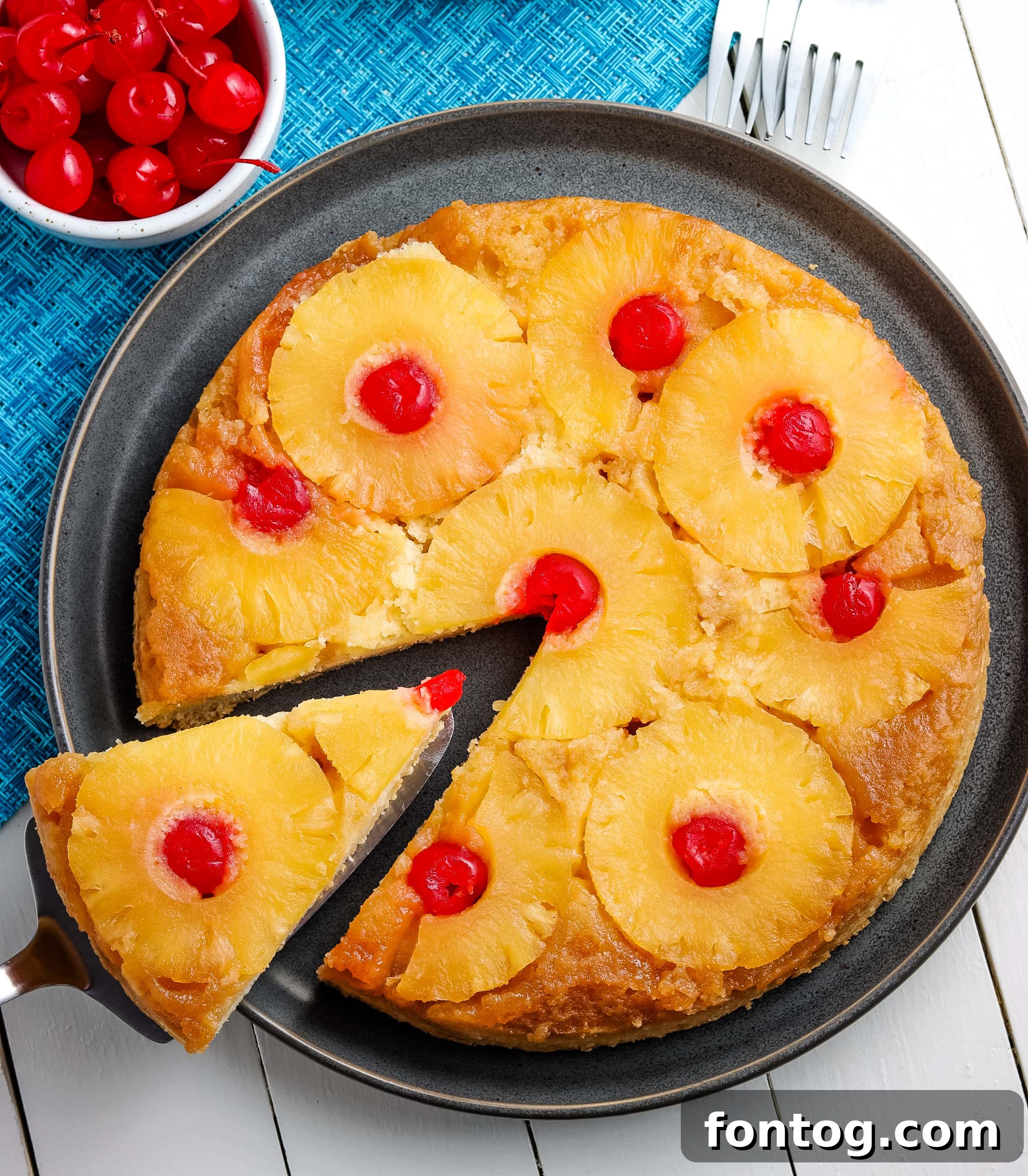
Deliciously Simple: Master the Gluten-Free Pineapple Upside Down Cake
Are you searching for a show-stopping dessert that’s not only incredibly delicious and visually stunning but also caters to gluten-free dietary needs? Look no further! This Gluten-Free Pineapple Upside Down Cake is the quintessential treat for any gathering, from casual backyard barbecues to elegant potlucks. Its vibrant caramelized fruit topping and moist, tender cake base create an irresistible combination that will impress everyone, whether they follow a gluten-free diet or not. This recipe proves that going gluten-free doesn’t mean sacrificing flavor or texture; in fact, it enhances the experience for all.
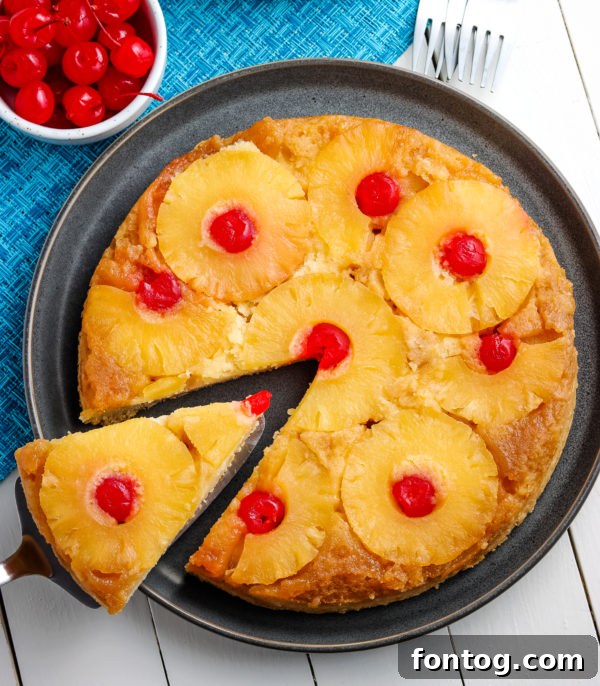
There’s a reason pineapple upside-down cake has remained a beloved classic for generations. Its charming presentation, with juicy pineapple rings and bright red maraschino cherries proudly displayed on top, is simply iconic. What truly sets this particular recipe apart is its seamless adaptability to a gluten-free lifestyle. If you don’t require a gluten-free version, you can simply use regular all-purpose flour as specified, and the results will be equally magnificent. This versatility makes it an ideal recipe to have in your repertoire, ready to satisfy diverse palates at a moment’s notice.
The Timeless Appeal of Pineapple Upside Down Cake
Before diving into the specifics of making this gluten-free marvel, let’s appreciate the magic of the pineapple upside-down cake itself. Originating in America in the early 20th century, this dessert quickly gained popularity due to its unique baking method. Instead of topping the cake with fruit after it’s baked, the fruit is placed at the bottom of the pan along with a buttery, sugary syrup. During baking, this syrup caramelizes around the fruit, creating a rich, golden-brown glaze. Once inverted, the fruit layer becomes the star, offering a beautiful and flavorful topping that perfectly complements the soft cake beneath.
The combination of sweet, tangy pineapple, vibrant cherries, and a wonderfully moist cake makes every bite a delightful experience. It’s a dessert that evokes nostalgia for many, a taste of home and comfort that’s perfect for family dinners, celebratory gatherings, or simply a sweet indulgence on a quiet afternoon. And with our gluten-free adaptation, everyone can now enjoy this classic without compromise.
Embracing Gluten-Free Baking: Why It Matters
For those living with celiac disease, gluten sensitivity, or simply choosing a gluten-free lifestyle, finding delicious and easy-to-make dessert recipes can sometimes be a challenge. Gluten, a protein found in wheat, barley, and rye, can cause adverse reactions in many individuals. Traditional baking often relies heavily on gluten for structure and texture, making the transition to gluten-free baking seem daunting. However, with the right ingredients and techniques, it’s entirely possible to create baked goods that are just as flavorful and satisfying as their gluten-containing counterparts.
This Gluten-Free Pineapple Upside Down Cake recipe is a fantastic example of how simple it can be to adapt a classic. The primary change needed is a straightforward flour swap, making it accessible even for novice gluten-free bakers. By using a high-quality gluten-free all-purpose flour blend, you ensure that the cake maintains its desired moisture and structure, delivering a truly enjoyable dessert experience for everyone at the table.
Achieving Gluten-Free Perfection: The Flour Swap and Beyond
The heart of making this cake gluten-free lies in one simple yet crucial substitution: the flour. When embarking on gluten-free baking, the choice of flour blend is paramount. We highly recommend using a dedicated 1:1 gluten-free all-purpose flour blend. These blends are specifically formulated to mimic the properties of regular wheat flour, often containing a mix of gluten-free flours (like rice flour, potato starch, tapioca flour) and sometimes xanthan gum, which helps provide elasticity and structure that gluten typically offers. Our personal favorite is Better Batter, known for its consistent results in various recipes. However, feel free to use any 1:1 gluten-free flour blend you prefer and trust.
Beyond the flour, most other cake ingredients are naturally gluten-free. Always remember to check labels for any hidden gluten, especially in processed ingredients like extracts or baking powder, as formulations can occasionally change. Taking this small precautionary step ensures your cake remains entirely safe and delicious for those with gluten sensitivities.
Expert Tips for a Perfectly Moist and Beautiful Cake
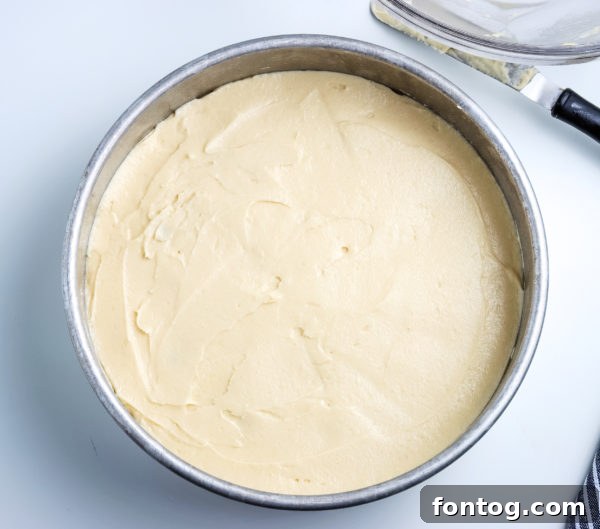
Creating a successful Pineapple Upside Down Cake, especially a gluten-free one, involves a few key steps and considerations. Paying attention to these details will ensure your cake is not only visually appealing but also boasts a wonderfully tender crumb and a rich, caramelized topping.
1. Immaculate Pan Preparation
The foundation of a perfect upside-down cake is impeccable pan preparation. To guarantee your cake releases effortlessly, thoroughly grease your chosen 9-inch round cake pan. You can use butter, shortening, or a non-stick baking spray. For an extra layer of protection, especially with gluten-free batters which can sometimes be more delicate, consider dusting the greased pan lightly with a gluten-free flour blend or even lining the bottom with a round of parchment paper. This extra step can make all the difference, preventing any frustrating sticking once the cake is baked.
2. The Art of the Caramelized Topping
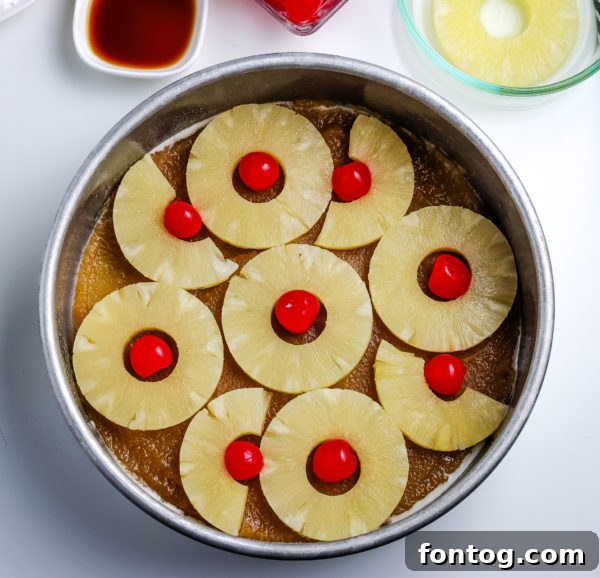
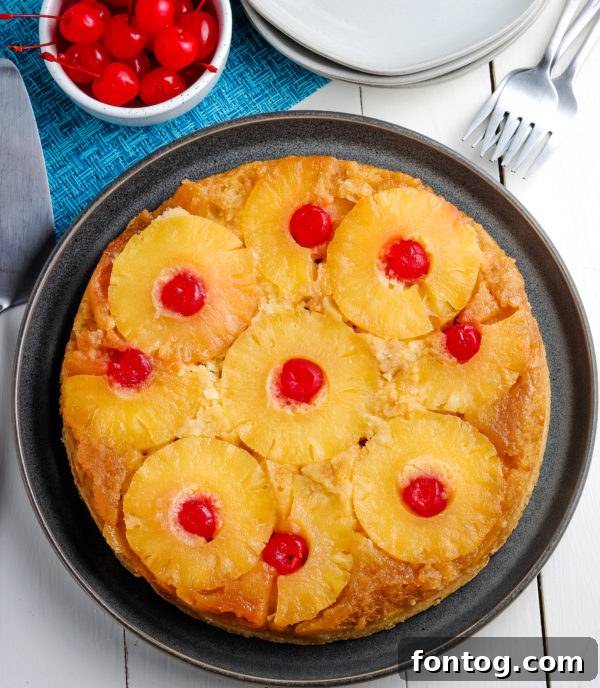
The topping is arguably the star of this cake, and getting it right is crucial. After melting the butter, stir in the brown sugar until it forms a smooth, rich paste. Ensure this mixture is spread evenly across the bottom of the prepared pan. This creates the luscious caramel layer that will envelop your pineapple. Next, carefully arrange the pineapple rings. The classic method involves placing them in a single layer, ensuring they touch but don’t overlap too much. For visual flair, nestle a vibrant maraschino cherry in the center of each pineapple ring. This attention to detail creates that signature beautiful presentation when the cake is inverted.
3. Crafting the Perfect Gluten-Free Batter
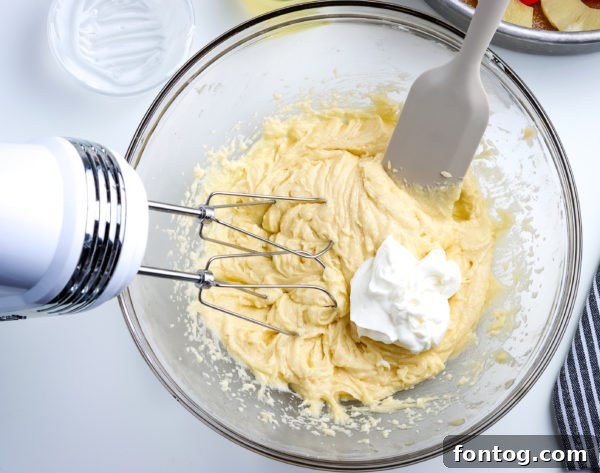
When mixing your cake batter, especially with gluten-free flour, avoid overmixing. Overmixing can lead to a dry or crumbly texture. Cream the softened butter and granulated sugar until light and fluffy, then incorporate the egg and vanilla. When adding the dry ingredients (flour, baking powder, salt) and pineapple juice alternately, mix just until everything is combined. A few small lumps are better than an overmixed batter. Room temperature ingredients are also important as they combine more easily and create a smoother, more uniform batter, contributing to a lighter cake texture.
4. The Critical Cooling and Inversion Process
Patience is a virtue when it comes to inverting an upside-down cake. Once your cake is out of the oven, do not skip the initial cooling period on a wire rack for 5 minutes. This brief cooling time allows the cake to set slightly and the caramel to loosen from the pan. After 5 minutes, carefully place your serving plate or platter over the top of the cake pan, then, with a swift and confident motion, flip the entire pan and plate over. Let the pan sit inverted on the plate for about 30-60 seconds. This crucial minute allows gravity to work its magic, encouraging the cake and its delicious topping to release cleanly onto the platter. Resist the urge to lift the pan too soon; waiting ensures a beautiful, intact topping.

5. Storage Best Practices
While this cake is truly best served fresh and slightly warm from the oven, you can store any leftovers in the fridge. However, be mindful of how you cover it. If you use plastic wrap or foil directly on the cake’s delicate caramel topping, it will likely stick, potentially pulling off pieces of the fruit and caramel. Instead, use an airtight container with enough height so that the lid doesn’t touch the cake’s surface, or tent it loosely with foil. Stored properly, the cake will remain moist and delicious for a few days, though the caramel may soften slightly.
Common Questions About This Gluten-Free Delight
Can I use fresh pineapple instead of canned?
Yes, you absolutely can! If using fresh pineapple, ensure it’s ripe for the best flavor. You’ll need to slice it into uniform rings and, importantly, drain it very well to prevent excess moisture from making the cake soggy. You may also need to slightly adjust the amount of pineapple juice in the cake batter, as fresh pineapple juice can vary in sweetness and acidity. For convenience and consistent results, canned pineapple rings in juice (not syrup) are often preferred.
Is it possible to make this cake dairy-free?
With a few substitutions, you can easily adapt this recipe to be dairy-free. Replace the unsalted butter with a high-quality dairy-free butter alternative (sticks, not spread). For the sour cream, use a dairy-free sour cream substitute, which is widely available in most grocery stores. Always check the labels of all ingredients to ensure they are certified dairy-free.
What if I don’t have a 9-inch round cake pan?
While a 9-inch round pan is ideal for the recipe as written, you can adjust. If you use an 8-inch round pan, the cake will be thicker, so you’ll need to increase the baking time by a few minutes. Conversely, a 10-inch pan will result in a thinner cake, requiring a slightly shorter baking time. Always rely on the toothpick test to determine doneness, regardless of pan size. You could also make individual mini upside-down cakes in a muffin tin for a fun variation!
How long does gluten-free pineapple upside-down cake last?
When stored correctly in an airtight container in the refrigerator, your gluten-free pineapple upside-down cake will typically stay fresh and delicious for 3 to 4 days. The flavors often meld beautifully on the second day!
Can I freeze this cake?
Yes, this cake freezes well! Once completely cooled, wrap the cake tightly in plastic wrap, then an additional layer of aluminum foil. Freeze for up to 2-3 months. To thaw, simply unwrap the cake and let it sit at room temperature for several hours or overnight in the refrigerator.
Final Thoughts: A Gluten-Free Masterpiece Awaits!
This Gluten-Free Pineapple Upside Down Cake is more than just a recipe; it’s an invitation to enjoy a classic dessert without compromise. It’s incredibly versatile, easy to adapt, and guaranteed to bring smiles to every face. With its irresistible caramelized fruit topping and moist, tender crumb, this cake is sure to become a beloved staple in your kitchen. So go ahead, gather your ingredients, and prepare to bake a dessert that’s both beautiful and bursting with flavor. We can’t wait for you to experience the joy of this simple yet spectacular creation!
Enjoy this easy Gluten Free Pineapple Upside Down Cake! Happy baking!
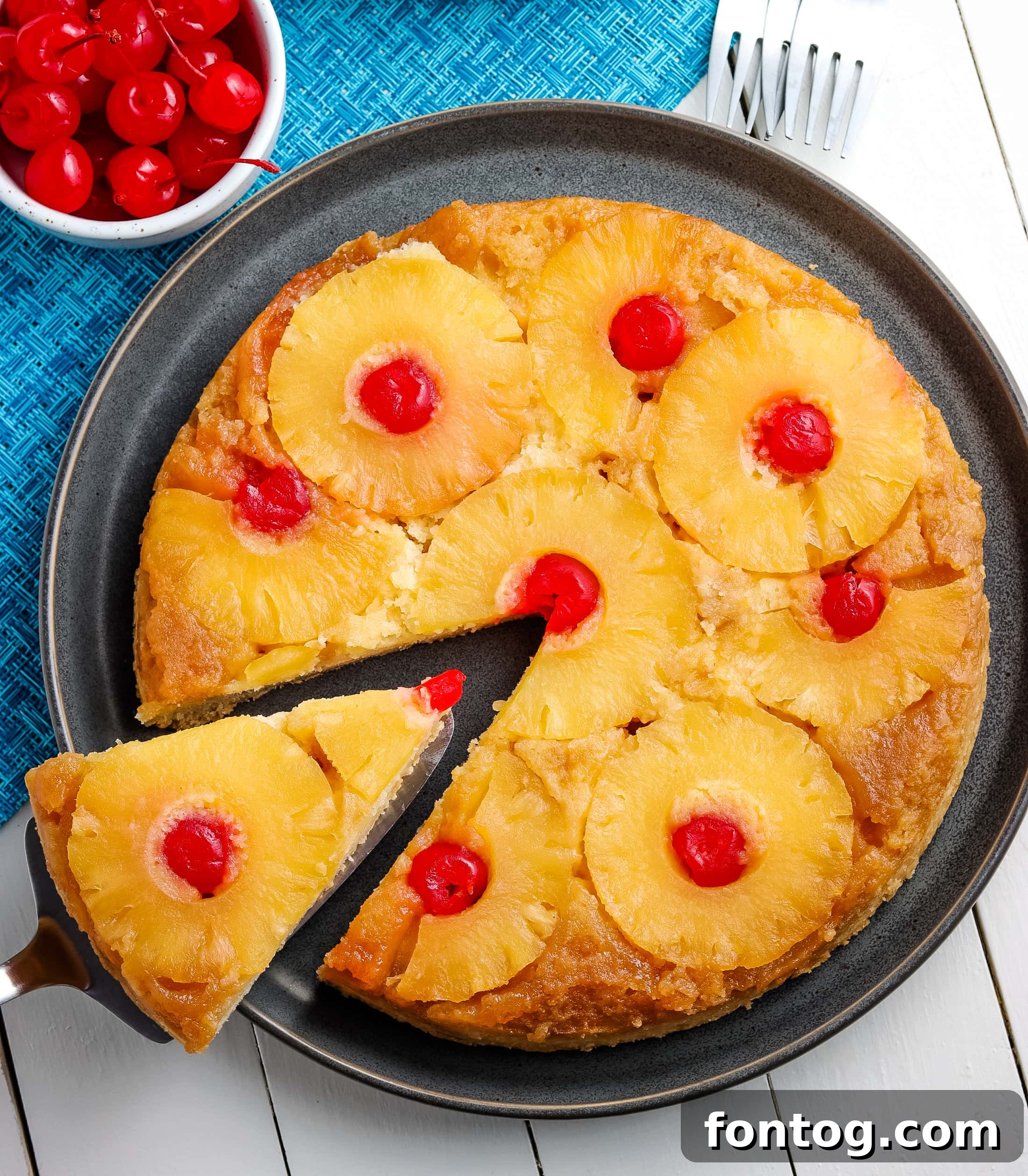
Gluten Free Pineapple Upside Down Cake
Save RecipeSaved!
Ingredients
Topping
- 1/4 Cup 1/2 Stick Unsalted Butter, Melted
- 1/2 Cup Brown Sugar Packed
- 1 Can 20oz Pineapple Rings in Juice, Reserve Juice for Cake
- 1 Jar 10z Maraschino Cherries without Stems
Cake
- 1 1/3 Cups Gluten-Free or Regular All-Purpose Flour
- 1 Tsp Baking Powder
- 1/2 Tsp Salt
- 1/4 Cup 1/2 Stick Unsalted Butter, Softened
- 1 Cup Granulated Sugar
- 1 Large Egg Room Temperature
- 1 Tsp Vanilla Extract
- 1/4 Cup Sour Cream
- 1/4 Cup Pineapple Juice
Instructions
-
Preheat oven to 350*F.
-
Grease a round 9-inch cake pan.
-
For the topping: Melt the butter in a microwave-safe bowl and stir in the brown sugar until smooth.
-
Pour into a prepared pan.
-
Arrange pineapple rings in the brown sugar mixture and place a cherry in the center of each ring.
-
For the batter: In a small bowl, whisk together the flour, baking powder, and salt, set aside.
-
In a large bowl, cream the butter and sugar until fluffy.
-
Beat in the egg and vanilla until well combined.
-
Add sour cream until well combined.
-
Gradually add the flour mixture, alternating with pineapple juice, and mix just until combined.
-
Spoon batter over the pineapple rings and then spread evenly.
-
Bake for 30-35 minutes at 350*F or until a toothpick poked in the center comes out clean.
-
Remove from oven and cool on a wire rack for 5 minutes.
-
Place a plate or serving platter on top of the cake and flip over.
-
Patiently wait 30-60 seconds for the cake to loosen and then carefully lift off the pan.
-
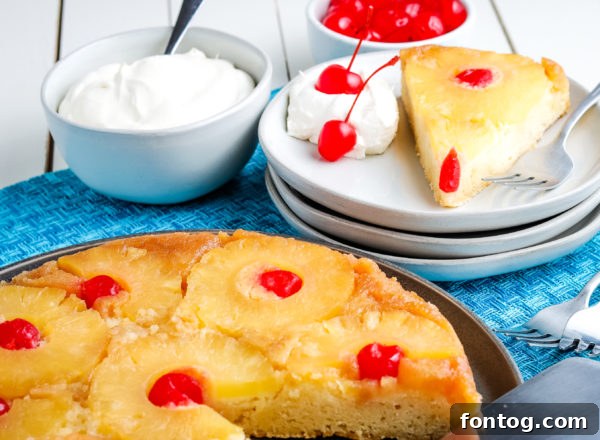
Let cool completely and serve with whipped cream if preferred.
Nutrition
Did you make this recipe?
Make sure to tag #mommyhatescoooking on Instagram and follow for more @momhatescooking
Pin Recipe
Share on Facebook