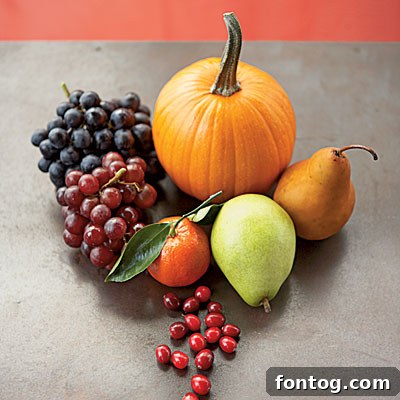
Embracing the Bounty of Autumn: Your Ultimate Guide to Fall Produce and Seasonal Eating
As the vibrant hues of summer fade into the warm, earthy tones of autumn, a unique culinary magic descends upon us. Fall isn’t just about pumpkin spice lattes and cozy sweaters; it’s a season of incredible abundance, offering a cornucopia of fresh, flavorful, and nutrient-packed produce. From crisp, sweet apples that beckon for baking to robust root vegetables perfect for hearty stews, the autumn harvest transforms our kitchens into havens of comforting aromas and delicious possibilities. Embracing fall produce is not merely a choice for taste; it’s a gateway to healthier eating, sustainable living, and a deeper connection with the rhythm of nature.
The sensory experience of fall produce is truly unparalleled. Imagine biting into a freshly picked, perfectly ripe apple, its crispness giving way to a burst of sweet-tart juice. Or savor the creamy, subtle sweetness of a roasted sweet potato, caramelized at the edges. The versatility of autumn’s bounty allows for endless culinary creativity, inspiring us to bake, roast, sauté, and simmer our way through the season. This guide will walk you through the very best of fall produce, offering insights into its benefits, how to select and store it, and inspiring ways to incorporate these seasonal stars into your daily meals.
Why Choose Seasonal Fall Produce? The Abundance of Benefits
Opting for fruits and vegetables that are in season during autumn comes with a wealth of advantages that extend beyond just taste. When you fill your basket with fall’s harvest, you’re investing in quality, health, and supporting a more sustainable food system.
- Peak Flavor and Freshness: Produce harvested at its natural peak ripeness offers the most intense and authentic flavors. A fall apple, picked at its prime, will be far more vibrant and aromatic than one that has traveled long distances or been stored for extended periods. This freshness also means a superior texture, whether you’re seeking crispness or tenderness.
- Enhanced Nutritional Value: Numerous studies suggest that fruits and vegetables consumed in season are often richer in vitamins, minerals, and antioxidants. They haven’t lost valuable nutrients during extended transit times or prolonged storage, ensuring you get the maximum health benefits with every bite.
- Cost-Effectiveness: When produce is abundant due to seasonal harvesting, its supply is high. This increased availability often translates to lower prices for consumers, making healthy eating more accessible and budget-friendly, especially when buying directly from local farms or farmers’ markets.
- Environmental Sustainability: Supporting local, seasonal farming reduces the carbon footprint associated with long-distance transportation, refrigeration, and energy-intensive hothouse farming. By choosing seasonal ingredients, you contribute to a more sustainable food system and often support local economies.
- Culinary Inspiration and Variety: Eating seasonally encourages you to experiment with a wider range of fruits and vegetables throughout the year. Each season brings new flavors and textures, expanding your culinary horizons and introducing you to new favorites that might otherwise be overlooked.
- Connection to Nature: There’s a simple joy in connecting with the natural rhythm of the seasons through food. It fosters an appreciation for where our food comes from and the cycles of growth and harvest.
A Deeper Dive into Autumn’s Star Produce
The autumn season blesses us with an incredible variety of fruits and vegetables, each with its unique flavor profile, nutritional benefits, and culinary potential. Let’s explore some of the most beloved stars of the fall harvest.
Apples: The Quintessential Fall Fruit
No discussion of fall produce is complete without celebrating the magnificent apple. Crisp, juicy, and incredibly versatile, apples come in a dazzling array of varieties, each with distinct characteristics that make them suitable for different culinary adventures. Rich in fiber, vitamin C, and potent antioxidants, apples are a healthy and delicious addition to any diet.
- Popular Varieties & Uses:
- Honeycrisp & Gala: Sweet, crisp, and perfect for snacking fresh or adding to salads.
- Fuji & Pink Lady: Balanced sweetness, excellent for both eating fresh and light baking.
- Granny Smith & Braeburn: Tart and firm, making them ideal for baking pies, crisps, and sauces, holding their shape well under heat.
- Golden Delicious & McIntosh: All-purpose apples, great for cooking, baking, and eating fresh.
- Beyond the Orchard: While renowned in apple pie and crisps, apples also shine in savory dishes. Consider adding sliced apples to pork roasts, integrating them into autumnal salads with walnuts and blue cheese, or crafting homemade apple butter for a rich spread. Fresh pressed cider or warm mulled cider is another seasonal treat not to be missed.
Pumpkin: The Versatile Autumn Icon
Often synonymous with Halloween and Thanksgiving, pumpkin is far more than just a decorative gourd or a pie filling. This vibrant orange squash is a nutritional powerhouse, packed with Vitamin A (in the form of beta-carotene), fiber, and potassium. Its subtly sweet and earthy flavor makes it incredibly versatile in both sweet and savory applications.
- Culinary Explorations:
- Savory Delights: Roast pumpkin chunks with sage and garlic, incorporate pumpkin puree into creamy soups, risottos, curries, or even pasta sauces. It also makes an excellent base for chili or a comforting stew.
- Sweet Treats: Of course, pumpkin pie is a classic, but don’t stop there! Explore pumpkin bread, muffins, cheesecakes, and even a swirl of pumpkin puree in your morning oatmeal or yogurt.
- Pumpkin Seeds (Pepitas): Don’t discard the seeds! Roasted with a pinch of salt, they become a crunchy, nutritious snack rich in magnesium and zinc.
- Flavor Pairings: Pumpkin pairs beautifully with warm spices like cinnamon, nutmeg, ginger, and cloves, as well as with savory herbs such as sage, thyme, and rosemary.
Sweet Potatoes: A Nutritious and Comforting Staple
Sweet potatoes are a beloved fall vegetable, cherished for their vibrant color, natural sweetness, and impressive nutritional profile. They are an excellent source of Vitamin A, Vitamin C, fiber, and potassium, making them a fantastic and healthier alternative to regular potatoes and a staple for wholesome eating.
- Cooking Versatility:
- Roasting: Cube and roast them for crispy fries or a caramelized side dish.
- Mashing: Mash them with a touch of butter, cinnamon, or even a hint of chipotle for a comforting side.
- Soups & Stews: Their natural sweetness and creamy texture make them perfect additions to hearty stews, chilis, and pureed soups.
- Baking: Use them in sweet potato casseroles, muffins, or even a healthier twist on brownies.
- Flavor Enhancements: While delicious on their own, their natural sweetness is complemented by a touch of maple syrup, brown sugar, or honey. For a savory twist, pair them with spices like cumin, chili powder, smoked paprika, or fresh herbs like cilantro and parsley.
Winter Squash: Autumn’s Colorful and Hearty Jewels
The category of winter squash is a treasure trove of shapes, sizes, and flavors, all ripening in the fall. These robust vegetables, including butternut, acorn, spaghetti, delicata, and kabocha squash, are packed with vitamins, minerals, and fiber. Their thick skins allow for long storage throughout the colder months, providing delicious sustenance well into winter.
- Butternut Squash: Known for its sweet, nutty flavor and smooth texture. Excellent roasted, pureed into creamy soups, or added to risottos and curries.
- Acorn Squash: Milder in flavor with a slightly stringy texture. Often baked and stuffed with savory fillings like grains, meats, or other vegetables.
- Spaghetti Squash: Unique for its noodle-like strands that emerge after cooking, making it a fantastic low-carb alternative to pasta. Serve with your favorite sauce.
- Delicata Squash: Features a tender, edible skin and a sweet, creamy flesh. Great roasted in rings or sautéed. No need to peel!
- Kabocha Squash: Similar to a pumpkin but with a sweeter, drier flesh. Excellent roasted or in Japanese-inspired dishes.
Root Vegetables: Earth’s Hearty Bounty
Carrots, parsnips, beets, and turnips emerge from the soil in fall, offering deep, earthy flavors and a wealth of nutrients. These foundational vegetables are exceptional for roasting, adding depth to stews, or mashing for a comforting side dish.
- Carrots: Sweet and crunchy; excellent raw, roasted to bring out their sweetness, or in soups and stews. Rich in beta-carotene.
- Parsnips: Similar to carrots but with a sweeter, nuttier, slightly spicier flavor. Fantastic roasted alongside other root vegetables or pureed into a velvety soup.
- Beets: Earthy and sweet, with vibrant colors (red, golden, striped). Excellent roasted, pickled, or grated raw into salads for a pop of color and flavor. Known for their high nitrate content.
- Turnips: Slightly peppery and earthy. Great in stews, roasted, or mashed with potatoes for added flavor complexity.
Cruciferous Vegetables: Powerful Greens for Cooler Weather
While often enjoyed year-round, many cruciferous vegetables like Brussels sprouts, cabbage, cauliflower, and broccoli truly thrive in cooler fall temperatures, developing richer and sweeter flavors. These nutrient-dense veggies are renowned for their powerful health benefits, being rich in vitamins C and K, fiber, and various phytonutrients.
- Brussels Sprouts: Roasting them transforms their flavor, bringing out a delicious sweetness and nutty character, especially when paired with bacon, balsamic glaze, or a sprinkle of Parmesan.
- Cabbage: Incredibly versatile for slaws, stir-fries, or braised dishes. Fall cabbage tends to be crispier and sweeter.
- Cauliflower & Broccoli: Excellent roasted until tender and slightly charred, steamed, or incorporated into casseroles, curries, and gratins.
Pears: Elegant and Aromatic
Often overshadowed by apples, pears are a delicate and aromatic fall fruit with a soft, buttery texture when perfectly ripe. They are a good source of fiber, vitamin C, and copper, offering a subtle sweetness that pairs well with both sweet and savory applications.
- Common Varieties: Bartlett, Anjou, Bosc, Comice. Each offers slight variations in sweetness and texture.
- Culinary Uses: Wonderful eaten fresh as a snack, poached in wine or spices, baked into tarts or crumbles, or elegantly paired with cheeses, nuts, and greens in autumnal salads.
Cranberries: Tart Jewels of the Bog
These vibrant red berries are a hallmark of late fall and early winter. Known for their distinctly tart flavor, cranberries are packed with antioxidants, particularly proanthocyanidins, and vitamin C, making them a powerful addition to your diet.
- Versatile Applications: While famously used in cranberry sauce (especially for holiday meals), they also make excellent additions to muffins, breads, pies, and even savory dishes. Consider adding them to stuffings, glazes for poultry, or compotes. Their tartness provides a wonderful contrast in rich dishes.
Expert Tips for Selecting and Storing Your Fall Produce
To ensure you’re getting the best flavor and longevity from your autumn harvest, knowing how to choose and store produce properly is key. Here are some general guidelines:
- Inspect for Freshness: Always look for firm, brightly colored fruits and vegetables without blemishes, soft spots, mold, or significant discoloration. Leafy greens should be crisp and vibrant, not wilted or yellowing.
- Weight Matters: Often, produce that feels heavy for its size indicates a higher water content and greater freshness. This is especially true for squash, apples, and root vegetables.
- Aroma Test: Ripe fruits like apples and pears should have a pleasant, fragrant aroma. Avoid anything that smells fermented or overly sweet.
- Proper Storage Techniques:
- Apples & Pears: Store in a cool, dark place (like a pantry) or in the refrigerator crisper drawer to prolong freshness. Keep them separate from other produce as they release ethylene gas, which can accelerate the ripening (and spoiling) of other fruits and vegetables.
- Root Vegetables & Winter Squash: Store in a cool, dry, dark place (such as a pantry, cellar, or cool cupboard) away from direct sunlight. Uncut pumpkins, squash, and root vegetables can last for weeks or even months under ideal conditions.
- Cruciferous & Leafy Greens: Store in the refrigerator crisper drawer in a loosely sealed plastic bag or container to maintain moisture and prevent wilting.
- Pumpkins (Cut): Once a pumpkin is cut, remove the seeds and stringy bits, then wrap the cut sections tightly in plastic wrap and store them in the refrigerator for up to a week.
Bringing Fall Flavors to Your Table: Inspiring Culinary Creations
With such an amazing array of ingredients at your fingertips, the possibilities for fall cooking are truly endless. Don’t be afraid to experiment and get creative in the kitchen, letting the unique characteristics of each ingredient guide your culinary adventures!
- For Breakfast: Start your day with warmth by adding sliced apples or pears to your oatmeal, blending pumpkin puree into smoothies, or creating a savory sweet potato hash with eggs.
- For Lunch: Incorporate roasted squash, beets, or Brussels sprouts into vibrant salads. Enjoy a hearty sweet potato and black bean soup, or fill wraps and sandwiches with roasted root vegetables and hummus.
- For Dinner: Roast a medley of fall vegetables (carrots, parsnips, sweet potatoes, squash) for a simple, comforting side. Create rich stews and chilies featuring pumpkin, sweet potatoes, and root vegetables. Stuff acorn squash with wild rice, cranberries, and herbs, or pair roasted Brussels sprouts with a flavorful protein like chicken or salmon.
- For Desserts & Snacks: Beyond traditional pies, consider baked apples with cinnamon and oats, pear crisps with a nutty topping, pumpkin muffins, or roasted pumpkin seeds for a healthy and satisfying snack.
If you’re looking for an excellent and accessible place to start your autumn baking adventure, I highly recommend trying this delightful Baked Apple Crisp. It’s a timeless classic that perfectly captures the warmth, sweetness, and comfort of the season, showcasing the beautiful flavors of fall apples.
For those eager to dive even deeper into the world of seasonal eating and discover more innovative ways to use fall ingredients, a fantastic resource is available. Be sure to check out the comprehensive Cooking Light Fall Produce Guide. It offers invaluable tips on selecting, preparing, and enjoying the very best of autumn’s bounty, helping you make informed choices and create incredible, healthy meals that celebrate the season.
Embrace the Flavors of Fall and Transform Your Cooking
The fall season is a golden invitation to connect with nature’s rhythm through the food we eat. From the crisp snap of an apple to the earthy sweetness of a roasted squash, each piece of fall produce tells a story of harvest and abundance. By embracing seasonal eating, you not only elevate the flavor and nutritional quality of your meals but also support sustainable practices, reduce food waste, and enrich your culinary journey with new discoveries. So, head to your local market or farm stand, fill your basket with the vibrant colors and diverse textures of autumn, and let the magic of fall produce inspire your next delicious creation. Happy cooking, and enjoy the rich bounty of the season!
Disclosure: I am a blog partner with Cooking Light. Please note that this post is not compensated, and the photo used is attributed with all rights to Cooking Light.