Transform Your Backyard: The Ultimate Guide to Spring Garden Planning and Expansion
Happy March 1st! The crisp air of early spring signals the perfect time to roll up your sleeves and immerse yourself in the joyful world of gardening. As the days lengthen and the earth begins to awaken, so too does the dream of a vibrant, productive backyard oasis. If you’re pondering when to start preparing your garden, the answer is unequivocally now! This year, our own backyard is set for a significant transformation as we embark on an ambitious garden expansion project. We’re excited to share our journey, from meticulous planning and strategic soil preparation to selecting a diverse array of vegetables and cultivating a fragrant herb garden. Join us as we delve into the essential steps for planning your ultimate spring garden, learning from past seasons, and setting the stage for a bountiful harvest.
Embarking on Your Garden Journey: Strategic Planning for Success
Successful gardening begins long before the first seed is sown. It starts with a vision, meticulously laid out on paper (or even sketched directly in your backyard!). This year, my husband has gone above and beyond, meticulously mapping out our entire backyard to accommodate an expanded garden. This crucial first step involves assessing your space, understanding sunlight patterns, and considering proximity to water sources. Think about what you want to grow, how much space each plant needs, and how you can optimize your layout for maximum yield and ease of access. Creating a detailed garden plan helps prevent overcrowding, ensures adequate sunlight for all your plants, and streamlines your watering and weeding routines.
Consider drawing a simple diagram of your yard. Mark areas that receive full sun (6+ hours), partial sun (3-6 hours), and shade. Note down existing features like trees, fences, and, crucially, any underground utilities. This visual guide will be invaluable as you decide where to place your garden beds, ensuring your plants thrive in their ideal environment. We’ll be posting pictures of our progress and the exciting beginnings of our garden expansion next week, offering a real-world look at how our planning translates into action. Detailed planning also extends to choosing plants suitable for your climate zone and understanding their specific needs, from soil pH preferences to required watering frequency.
Navigating the Terrain: Dealing with Sprinkler Systems and Optimal Soil Preparation
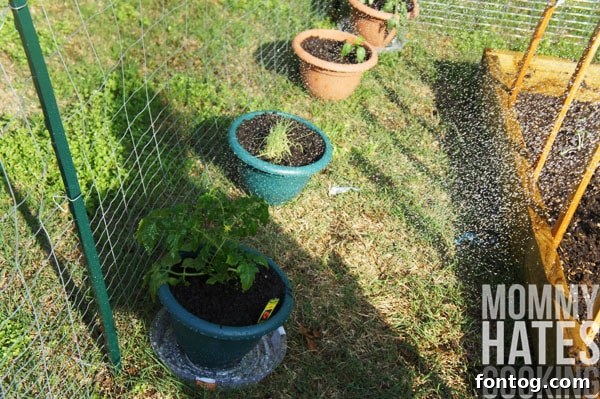
One of the most significant considerations in our garden expansion this year has been the presence of a sprinkler system. Initially, our plan involved digging up new areas for planting. However, a quick realization struck us: all those essential irrigation pipes are buried directly beneath where our new garden beds would be! This unexpected obstacle quickly shifted our strategy from digging down to building up. Instead of disturbing the existing infrastructure, we’ve committed to bringing in a substantial amount of high-quality soil to create raised garden beds. This approach not only protects our sprinkler system but also offers numerous benefits for plant health and garden productivity.
The Benefits of Raised Garden Beds and Imported Soil:
- Improved Drainage: Raised beds naturally offer superior drainage, preventing waterlogging that can harm delicate root systems. This is particularly beneficial in areas with heavy clay soil.
- Better Soil Control: By importing soil, you have complete control over its composition. We’re focusing on a rich, loamy mix fortified with compost and organic matter, providing an ideal growing medium right from the start. This allows us to tailor the soil to the specific needs of our chosen plants, optimizing nutrient availability.
- Extended Growing Season: Raised beds tend to warm up faster in the spring, allowing for earlier planting, and can be easier to protect from early frosts with row covers or cold frames, thus extending your harvest period.
- Reduced Weeding and Pests: The defined borders of raised beds often mean fewer weeds encroaching from surrounding lawn areas. The elevation can also deter some ground-dwelling pests and make pest identification and removal easier.
- Ergonomics: Working at a slightly elevated height can be significantly more comfortable for planting, weeding, and harvesting, reducing strain on your back and knees.
- Soil Compaction Prevention: Since you won’t be walking directly on the garden soil, compaction is greatly reduced, maintaining a loose, aerated environment for roots.
My husband has been diligently bringing in dirt, slowly but surely loading up our designated garden areas. This methodical approach ensures that when planting time arrives, our plants will have the best possible foundation to flourish. Proper soil preparation is arguably the most critical step in gardening; healthy soil leads to healthy plants and a more abundant harvest. Don’t underestimate the power of rich, well-draining soil – it’s the lifeblood of your garden!
Cultivating Your Harvest: What to Plant This Year for a Bountiful Yield
The excitement of planning what to grow is palpable! We’ve been thoroughly discussing our planting list for the upcoming season, aiming for a diverse and delicious yield. Our choices are often a mix of cherished family favorites and new adventures, keeping both taste and practicality in mind. Here’s what’s on our list, along with some considerations and tips for each:
- Spaghetti Squash: This is a new adventure for us this year! Spaghetti squash is incredibly versatile and a fantastic low-carb alternative to traditional pasta, offering a mild, slightly sweet flavor. It requires ample space for its sprawling vines, so proper planning for trellises or ground coverage is key. We’re deep-diving into research on optimal planting times, preferred soil requirements (rich, well-drained), and clear harvest indicators (when the skin becomes hard and difficult to pierce with a fingernail) to ensure a successful first attempt.
- Potatoes: A garden staple worldwide, potatoes are surprisingly easy to grow and offer a remarkably rewarding harvest. They prefer well-drained, slightly acidic soil and benefit significantly from ‘hilling’ – the practice of gradually mounding soil around the growing plants to encourage more tuber formation along the stem. We’ll be selecting certified disease-resistant seed potato varieties for the best chance of a healthy, abundant crop.
- Tomatoes: No garden feels truly complete without the luscious presence of tomatoes! We usually plant a variety, from sweet cherry tomatoes perfect for snacking directly off the vine to larger slicing tomatoes ideal for sandwiches and homemade sauces. Tomatoes thrive in full sun and rich, consistently moist soil. Proper staking, caging, or trellising is absolutely essential to support their heavy fruit production and keep them off the ground, reducing disease risk. Choosing between determinate (bushy, produce all at once) or indeterminate (vining, produce over a longer period) varieties depends on your space and harvest goals.
- Okra: A beloved southern favorite, okra is known for its distinctive pods and remarkable heat tolerance, making it an excellent choice for warmer climates. It’s a prolific producer once it gets going, so even a few plants can provide a steady supply throughout the summer. Okra loves full sun and consistently warm weather, and regular harvesting encourages more pods to form.
- Strawberries: We’re hoping to introduce some fresh fruit this year, and strawberries are high on the list. These perennial beauties offer incredibly sweet rewards and can be grown in traditional garden beds, containers, or even hanging baskets. They require consistent moisture, well-drained soil, and protection from birds, but the taste of homegrown strawberries is unparalleled and truly worth the effort. Consider June-bearing for a large single crop or ever-bearing for smaller, continuous harvests.
- Onions: I absolutely love growing onions in the garden. They are incredibly useful in countless culinary dishes and store remarkably well for long periods. Onions can be grown from seeds, sets (small bulbs), or transplants, each method having its own advantages regarding ease and speed. They need consistent moisture and well-drained soil, and surprisingly, the amount of daylight they receive significantly influences their bulb formation (long-day varieties for northern latitudes, short-day for southern, and intermediate for middle regions).
- Other Considerations: While these are our primary picks, we’re also considering bell peppers, zucchini, cucumbers, and various leafy greens like lettuce and spinach to add more diversity and ensure a steady supply of fresh produce throughout the season.
Learning from Last Season: Adjusting Your Planting Strategy for Better Results
Every gardening season offers valuable lessons, and a key part of successful planning involves reflecting on previous years. This retrospective helps us refine our approach, adapt to local conditions, and avoid repeating past challenges. For instance, the only thing we’ve really scratched from our list this year is corn. Last season, despite our best efforts, the local bugs seemed to have a perpetual feast on our corn before we even had a chance to pick a single ear! This year, we’re dedicating that prime real estate to crops that have a better chance of making it to our table, perhaps focusing on varieties less susceptible to local pests or employing more rigorous protective measures for other crops.
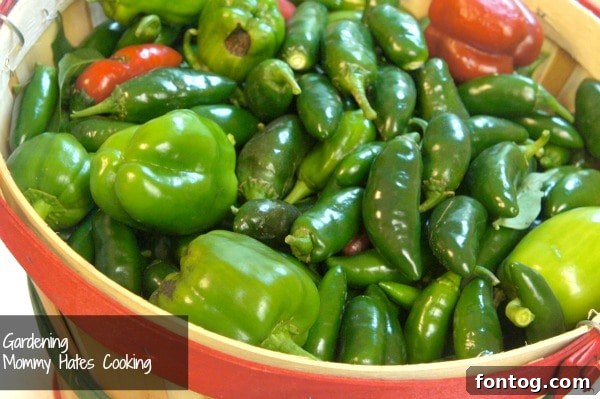
Similarly, we’re scaling back significantly on pepper plants. Last year, we had such an incredible bounty of peppers – enough to last a lifetime, it seemed! While delicious, we ended up with more than we could possibly use, freeze, or preserve effectively. This year’s plan is to plant fewer pepper plants but perhaps focus on a wider variety of types, ensuring we have fresh peppers without overwhelming our kitchen and leading to unnecessary waste. Reflecting on past successes and challenges allows us to optimize our garden for efficiency and enjoyment, ensuring every effort yields a satisfying and manageable result. This continuous learning cycle is what makes gardening such a rewarding and dynamic hobby.
The Essence of Flavor: Cultivating Your Own Herb Garden for Culinary Delights
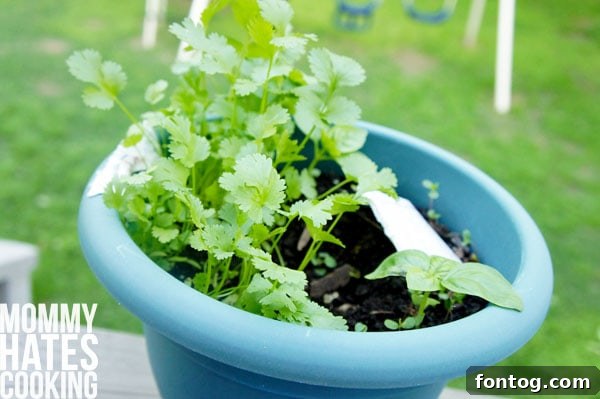
While the focus is often on hearty vegetables, I can’t emphasize enough the magic and immense value of an herb garden. For me, planting lots of herbs is an absolute favorite and an essential component of any productive garden! Fresh herbs have an unparalleled ability to transform a dish, making flavors burst and bringing an incredible freshness that simply can’t be replicated with their dried counterparts. Imagine stepping into your garden and snipping fresh basil for a vibrant pesto, rosemary for aromatic roasted potatoes, or cool mint for a refreshing summer drink – it’s a culinary game-changer that elevates everyday meals into extraordinary experiences.
Popular Herbs to Grow and Their Versatile Uses:
- Basil: An absolute essential for Italian cuisine, from classic pesto to Caprese salads and fresh pasta sauces. Loves sun and consistent moisture.
- Rosemary: Hardy and incredibly fragrant, perfect for roasting meats (especially lamb and chicken), potatoes, and infusing oils. Thrives in full sun and well-drained soil.
- Thyme: A versatile and earthy herb, great with poultry, soups, stews, and roasted vegetables. Tolerates dry conditions once established.
- Mint: Refreshing in drinks, desserts, and some savory dishes (like lamb or peas). Be cautious, as mint can be highly invasive; consider planting it in pots to contain its spread.
- Cilantro/Coriander: Key for Mexican, Asian, and Indian dishes, offering a distinctive, fresh flavor. Prefers cooler weather and can quickly ‘bolt’ (go to seed) in heat, so plant successionally.
- Parsley: A ubiquitous and versatile garnish and flavor enhancer for nearly any savory dish. Available in both flat-leaf (Italian) and curly varieties, with flat-leaf generally having a stronger flavor.
- Oregano: A staple in Mediterranean cooking, excellent with tomatoes, pizza, grilled meats, and salads. Its flavor intensifies when dried.
- Dill: Great with fish, potatoes, pickles, and creamy sauces. Its feathery leaves also attract beneficial insects to your garden.
- Chives: A mild member of the onion family, perfect for garnishing soups, salads, and scrambled eggs. Easy to grow and a beautiful addition with their purple flowers.
An herb garden, whether it’s a small pot on a patio, a dedicated raised bed, or simply interplanted among your vegetables, offers an accessible entry point into gardening and adds immense value to your cooking. The sensory experience of brushing against fragrant leaves and the immediate elevation of your meals make it an incredibly rewarding endeavor that pays dividends in both flavor and personal satisfaction.
Beyond the Soil: Connecting with the Gardening Community and Resources
Gardening is more than just planting seeds; it’s a journey of continuous learning, experimentation, and sharing. Connecting with a community of fellow enthusiasts can greatly enrich your experience, offering new perspectives, practical tips, and encouragement. Did you know that I have a whole gardening section on my blog dedicated to sharing tips, progress updates, and inspiration? I encourage you to head over to the gardening tab at the top of the page to follow along with our adventures this year, discover past projects, and find a wealth of useful information designed to help your garden thrive.
Additionally, for visual inspiration and a curated collection of gardening ideas, join me over on Pinterest! My gardening board is a treasure trove of planting guides, DIY garden projects, effective pest control tips, beautiful garden aesthetics, and innovative solutions for common challenges. It’s a fantastic place to gather ideas for your own green space, get motivated, and connect with a broader community of passionate gardeners from around the world.
We believe gardening is a conversation that truly flourishes with shared experiences. We love hearing about your insights, triumphs, and even your challenges! So, let us know in the comments below: when do you typically start preparing your garden for the season? What exciting vegetables, fruits, or herbs are you planning on planting this year? Share your tips, triumphs, and even your “lessons learned” – because in the garden, we’re all growing together!
Your Gardening Calendar: When to Start Preparing for a Successful Season
The question of “when to start preparing your garden” is a common one, and the answer largely depends on your specific climate zone, the type of plants you intend to grow, and your local last frost date. However, early spring, typically encompassing March and April in many temperate zones, marks the prime time for active preparation and initial planting. Here’s a general timeline to help you get started on your path to a productive garden:
- Late Winter (February – Early March): The Planning Phase
- Finalize Your Garden Design: Confirm your layout, considering crop rotation, companion planting, and plant selections based on sunlight and space availability.
- Order Seeds and Supplies: Purchase seeds, especially for varieties that need to be started indoors or are popular and might sell out. Also, stock up on soil amendments, pots, and labels.
- Tool Check and Maintenance: Clean, sharpen, and repair your gardening tools. Ensure your watering system is in good working order.
- Test Your Soil: If you haven’t done so in a few years, send a soil sample for testing. This provides invaluable information on nutrient levels and pH, guiding your amendment strategy.
- Early Spring (March – April): Initial Preparations and Indoor Starts
- Start Seeds Indoors: For plants like tomatoes, peppers, eggplant, and some herbs that require a longer growing season or are sensitive to cold, begin germinating seeds indoors under grow lights or in a sunny window.
- Clear Garden Beds: Remove any lingering debris, spent plant matter from last season, or persistent weeds. This helps prevent disease and pest carryover.
- Amend Soil: Incorporate compost, well-rotted manure, or other organic amendments based on your soil test results. This is also when we’re bringing in new dirt for our raised beds, ensuring a rich, fertile foundation.
- Prepare Raised Beds: Construct or fortify your raised beds, ensuring they are ready to receive new soil and plants.
- Prune Perennials: Prune dormant perennial plants and fruit trees, if not done in late winter, to encourage new growth.
- Mid-Spring (April – May, post-frost date): Direct Sowing and Transplanting
- Direct Sow Hardy Seeds: Plant cold-tolerant vegetables like peas, lettuce, spinach, radishes, carrots, and beets directly into the garden soil.
- Harden Off Seedlings: Gradually acclimate your indoor-started plants to outdoor conditions (sun, wind, cooler temperatures) over a week or two before transplanting them. This crucial step prevents transplant shock.
- Plant Frost-Tender Crops: Once the danger of the last expected frost has definitively passed (check your local extension office for this date), transplant your warm-weather favorites like tomatoes, peppers, squash, beans, and corn outdoors.
- Install Supports: Set up stakes, cages, or trellises for vining plants like tomatoes, cucumbers, and peas at planting time to avoid disturbing roots later.
Remember to regularly monitor weather forecasts for unexpected cold snaps and be prepared to protect young plants if necessary. By following a structured approach and paying attention to your local climate and plant needs, you can ensure your garden is ready to receive new life and provide a continuous bounty throughout the growing season.