This shop has been compensated by Collective Bias, Inc. and its advertiser. All opinions are mine alone. #PalmoliveMultiSurface #CollectiveBias
Mastering Grease Removal: 5 Effective Ways to Achieve Spotless Dishes and a Pristine Kitchen
Tackling stubborn grease in the kitchen can often feel like an insurmountable challenge. From everyday dinner plates to specialized cookware like cast iron skillets, grease buildup is an unwelcome guest that can diminish the lifespan of your kitchenware and make cleaning a tedious chore. But what if there were simple, effective methods to banish grease for good, leaving your dishes sparkling and your kitchen surfaces gleaming? This comprehensive guide will explore five powerful techniques to cut through grease, ensuring your kitchen remains a clean and enjoyable space for cooking and gathering.
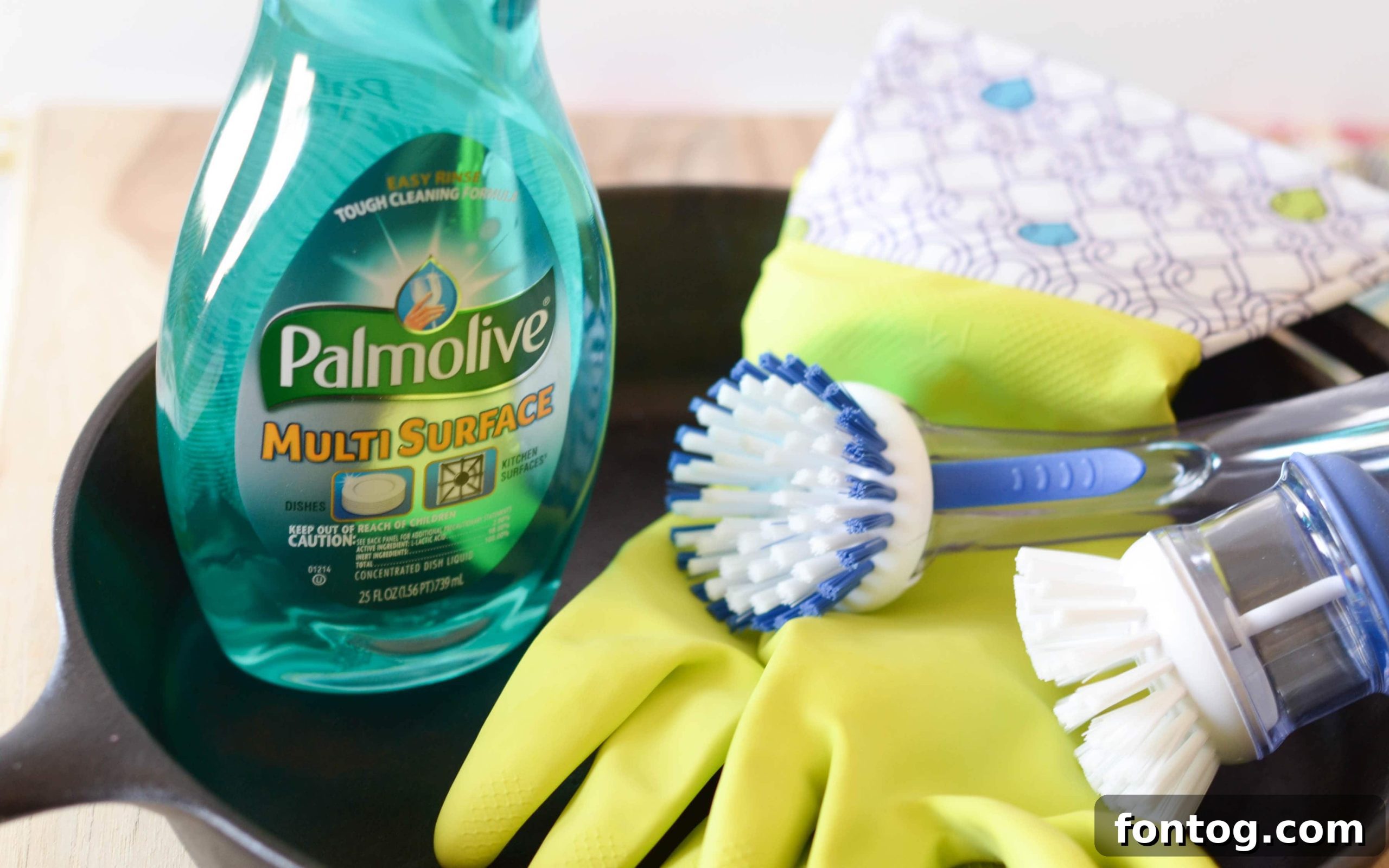
While the original Palmolive Multi-Surface referenced in earlier versions may no longer be available, the principles of effective grease removal remain constant. High-quality dish soaps like Dawn Ultra, known for their powerful grease-cutting properties, serve as excellent alternatives, proving that the right product can make all the difference in your cleaning routine.
The Kitchen’s Best Friend: The Enduring Charm of Cast Iron and Its Cleaning Nuances
Every kitchen enthusiast has that one cherished item. For many, it’s a trusty cast iron skillet. Renowned for its unparalleled heat retention, even cooking, and durability, a well-maintained cast iron skillet can be a culinary workhorse for generations. However, this prized possession comes with a unique set of care instructions that often pose a challenge: hand-washing is non-negotiable, and getting rid of the persistent grease buildup requires more than just a quick rinse.
My own journey with cast iron has taught me valuable lessons, sometimes the hard way. There was a time when laziness briefly won, and my beloved skillet found its way into the dishwasher. This, I quickly learned, is a cardinal sin in the world of cast iron care. The harsh detergents and intense heat of a dishwasher strip away the precious seasoning, leaving behind a rusty, ruined piece of cookware. My husband, the meticulous guardian of our kitchenware, especially the cast iron, was understandably dismayed. It was a moment of realization that proper care is paramount, not just for the skillet’s longevity but for household harmony as well!
Now, with a new cast iron skillet in my arsenal, I am diligently committed to its proper upkeep. It sees frequent use throughout the week, as does my cast iron grill pan, both of which demand careful hand-washing. Beyond these specialized items, the rest of my kitchenware, from everyday plates to baking sheets, also contends with its share of greasy residues. This constant battle against grease led me to explore and perfect a range of effective cleaning strategies that not only save my cookware but also streamline my entire kitchen cleaning process.
Beyond Dishes: The Versatility of a Multi-Surface Grease Cleaner
The quest for a clean kitchen extends far beyond just dishes. One of the greatest advantages of a powerful grease-cutting soap is its versatility. Imagine a product capable of not only making your plates sparkle but also tackling the grime on your stovetop. We recently transitioned back to a gas range from a smooth-top electric model, and I quickly rediscovered how much more meticulous cleaning a gas stove requires. Splatters, spills, and baked-on grease become a common sight. Having an all-in-one solution that effectively cleans both my dishes and my range dramatically simplifies my kitchen routine. This efficiency allows me to reclaim precious time, turning a once dreaded chore into a manageable task, freeing me up to spend more quality moments with my family.
The Science of Shine: Understanding and Overcoming Stubborn Grease
Grease, at its core, is a stubborn adversary in the kitchen. It’s hydrophobic, meaning it repels water, which is why a simple rinse often leaves an oily residue. To truly conquer grease, we need agents that can break it down, emulsify it, or physically remove it. This understanding forms the basis of effective cleaning strategies. Over the years, I’ve honed a collection of tips and tricks that effectively tackle even the most persistent grease. Let’s dive into these methods to help you achieve a grease-free kitchen with greater ease.
5 Highly Effective Ways to Remove Grease from Dishes and Kitchen Surfaces
No matter how challenging the grease might seem, there’s always an effective method to restore your dishes and surfaces to their pristine condition. These five tried-and-true techniques will equip you with the knowledge to tackle any greasy mess with confidence.
-
Hot Water & High-Quality Dish Soap: The Foundation of Grease Removal
This is arguably the most fundamental and universally effective method. Hot water plays a crucial role by heating the grease, turning it into a more liquid state, which makes it easier for soap to interact with it. High-quality dish soaps contain surfactants—molecules that have both water-attracting (hydrophilic) and grease-attracting (lipophilic) ends. These surfactants essentially surround the grease particles, breaking them up into tiny droplets that can then be suspended in water and rinsed away. For best results, scrape off any excess food particles first. Fill your sink or a basin with the hottest water you can safely handle (wearing gloves is recommended!), add a generous amount of your chosen dish soap (like Dawn Ultra), and let the greasy items soak for 15-30 minutes. This gives the hot water time to melt the grease and the soap time to penetrate. Afterward, use a stiff brush or a sturdy sponge and a bit of “elbow grease” to scrub the dishes clean. The combination of heat, chemistry, and mechanical action is a powerful trio against grease.
-
Vinegar Spray Bottle: An Acidic Attack on Grease
White vinegar is a remarkably versatile household cleaner, and its acidic properties make it an excellent degreaser, particularly for lighter grease films and for neutralizing odors. To utilize this method, prepare a simple solution: mix equal parts white vinegar and water in a spray bottle. For tougher spots, you can increase the vinegar concentration or even use it neat. Spray this solution directly onto the greasy areas on your dishes, stovetop, or countertops. Let it sit for about 5-10 minutes to allow the acid to begin breaking down the grease. Then, wipe it away with a damp cloth or sponge. For baked-on grease, you might need to combine this with some scrubbing. The acetic acid in vinegar helps to dissolve some types of grease and makes it easier to lift, leaving surfaces sparkling clean and fresh-smelling.
-
Baking Soda & Water Paste: A Gentle Abrasive Powerhouse
Baking soda (sodium bicarbonate) is a natural abrasive and an alkaline substance, making it highly effective at cutting through grease and neutralizing odors without scratching delicate surfaces. To create a potent grease-fighting paste, simply mix baking soda with a small amount of water until it forms a thick, spreadable consistency. Apply this paste directly onto the greasy pan, dish, or even a stovetop burner. For best results, use a non-scratch scrubbing brush or a sturdy sponge to gently work the paste into the greasy residue. The fine particles of baking soda act as a gentle abrasive, physically scrubbing away the grease, while its alkaline nature helps to break down fatty acids. Rinse thoroughly with warm water, and you’ll be amazed at how easily the grease lifts away, revealing a clean surface beneath.
-
Scrubbing Pads & Steel Wool: For the Toughest Residues
Sometimes, grease becomes so caked on or burnt that it requires a more aggressive approach. This is where soap-filled scrubbing pads (like SOS pads) or steel wool come into play. These tools are designed to provide significant abrasive action, capable of removing even the most stubborn, baked-on grease and food residues. Always be mindful of the surface you are cleaning; avoid using abrasive pads on non-stick coatings, delicate glassware, or highly polished surfaces that could be scratched. For cast iron, however, a good scrubbing pad combined with hot water and dish soap can work wonders. Simply moisten the pad, add a bit of extra dish soap if desired, and scrub vigorously. The built-in soap in many scrubbing pads aids in breaking down the grease while the abrasive material provides the necessary friction to lift the grime. Remember to rinse thoroughly after scrubbing to remove all residue.
-
Salt, Vinegar, & Water Mixture: An Enhanced Degreasing Solution
For those particularly challenging grease buildups, especially those that are slightly hardened or have some burnt-on elements, combining the power of salt with vinegar and water creates an even more formidable cleaning agent. Salt, when added to the vinegar and water mixture, acts as a natural, fine abrasive. This combination is particularly effective on items like severely greasy baking sheets or grill grates where scrubbing power is needed alongside chemical action. Start by sprinkling a generous amount of salt onto the greasy surface. Then, spray your vinegar and water solution over the salt. Let it sit for a few minutes. The salt will absorb some of the grease and provide friction, while the vinegar helps to break it down chemically. Use a brush or sponge to scrub the mixture around, and you’ll find that the grease and grime loosen up much more readily. Rinse thoroughly to reveal a cleaner surface.
These five methods are my go-to solutions for tackling grease, not just on dishes but throughout the kitchen. I frequently apply these techniques to clean greasy splatters around my stovetop, the stovetop grates, and even my range hood filters. Consistency and choosing the right method for the specific type of grease and surface are key to maintaining a sparkling clean kitchen.
Beyond Cleaning: Preventative Measures for a Grease-Free Kitchen
While mastering grease removal is crucial, prevention is equally important. Here are a few extra tips to minimize future grease buildup:
- Scrape Before You Wash: Always remove as much food and grease as possible with a spatula or paper towel before washing. This prevents grease from spreading in the wash water.
- Wipe Spills Immediately: Address stovetop splatters and spills as soon as they cool down. The longer grease sits, the harder it is to remove.
- Use a Splatter Screen: When frying or cooking, a splatter screen can significantly reduce grease dispersal onto your stovetop and surrounding surfaces.
- Regular Deep Cleaning: Periodically deep clean areas prone to grease buildup, such as range hoods, backsplashes, and cabinet fronts, even if they don’t look visibly dirty.
- Season Cast Iron Properly: A well-seasoned cast iron pan is naturally more non-stick and easier to clean, requiring less aggressive scrubbing.
Your Turn: Share Your Top Grease-Fighting Secrets!
Cleaning grease can be a persistent challenge, but with the right techniques and a little consistency, your kitchen can remain impeccably clean. These methods have proven invaluable in my own home, helping me maintain not just clean dishes but also a pristine cooking environment. What are your tried-and-true methods for removing stubborn grease? Do you have a secret ingredient or a special scrubbing technique? Share your insights and tips in the comments below – we’d love to hear them!
Happy Cleaning and Happy Cooking!
Have you visited our Products list? Be sure and check out Mommy Hates Cooking Products and Services.
Need more recipe ideas? Check out the Recipe Index by Mommy Hates Cooking.