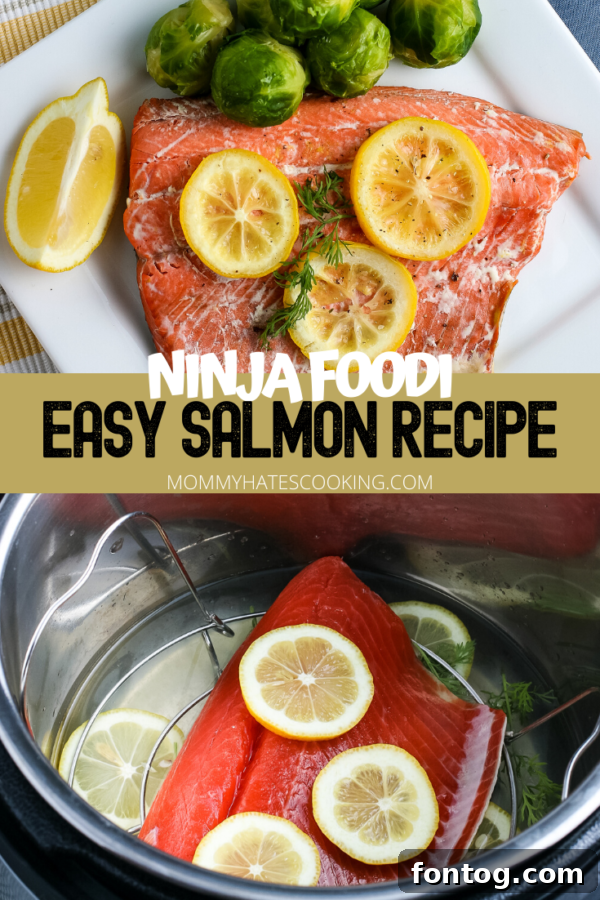
Effortless Ninja Foodi Salmon: Your Go-To Quick & Healthy Meal (Also Perfect for Instant Pot!)
Are you searching for a meal that’s both incredibly healthy and astonishingly fast? Look no further! This comprehensive guide reveals how to prepare succulent, flavorful salmon in your Ninja Foodi or Instant Pot using the pressure cooking function. Forget long cooking times or complicated steps; this recipe delivers a delicious, restaurant-quality meal to your table in approximately 10 minutes from start to finish. It’s perfect for busy weeknights, meal prep, or whenever you crave a nutritious and satisfying dish without the fuss.
Salmon is a superfood packed with essential nutrients, but many shy away from cooking it at home, assuming it’s complex. This recipe dispels that myth, showcasing just how simple it is to achieve perfectly cooked salmon every time. With minimal ingredients and the efficiency of your pressure cooker, you’ll be enjoying flaky, moist salmon infused with bright lemon and aromatic dill in no time. Get ready to elevate your weeknight dinner rotation with this incredible Ninja Foodi Salmon!
Why Choose Pressure Cooking for Salmon?
Pressure cooking salmon in your Ninja Foodi or Instant Pot is a game-changer. This method offers several distinct advantages over traditional cooking techniques like baking, pan-frying, or grilling, making it an ideal choice for both novice and experienced home cooks.
- Unmatched Speed: The most obvious benefit is the incredibly short cooking time. Pressure cookers drastically reduce the time it takes to cook food by creating a high-pressure, high-temperature environment. Your salmon fillets will be perfectly cooked in just minutes under pressure, making it an excellent option for last-minute meals.
- Guaranteed Moisture and Tenderness: One of the biggest challenges with cooking salmon is preventing it from drying out. Pressure cooking traps steam and moisture inside the pot, ensuring that the salmon remains incredibly moist, tender, and flaky. The sealed environment helps to lock in the fish’s natural juices, resulting in a superior texture that often surpasses other cooking methods.
- Enhanced Flavor Infusion: The high-pressure environment not only cooks food quickly but also helps to infuse flavors deeply into the salmon. Ingredients like lemon juice and fresh dill penetrate the fish more effectively, leading to a more aromatic and flavorful final product. Every bite will be bursting with the fresh, vibrant notes of your chosen seasonings.
- Hands-Off Cooking: Once you’ve set your Ninja Foodi or Instant Pot to pressure cook, your work is essentially done. There’s no need to constantly monitor the fish, flip it, or worry about uneven cooking. This allows you to focus on preparing side dishes or simply relaxing while your meal cooks itself.
- Consistent Results: Pressure cookers are known for their consistent performance. Following this recipe, you can expect the same perfectly cooked, delicious salmon every single time, removing the guesswork often associated with seafood preparation.
- Easy Clean-Up: Cooking in a single pot often means less mess, and pressure cooking is no exception. The salmon is cooked on a trivet, minimizing direct contact with the pot and making clean-up quick and easy.
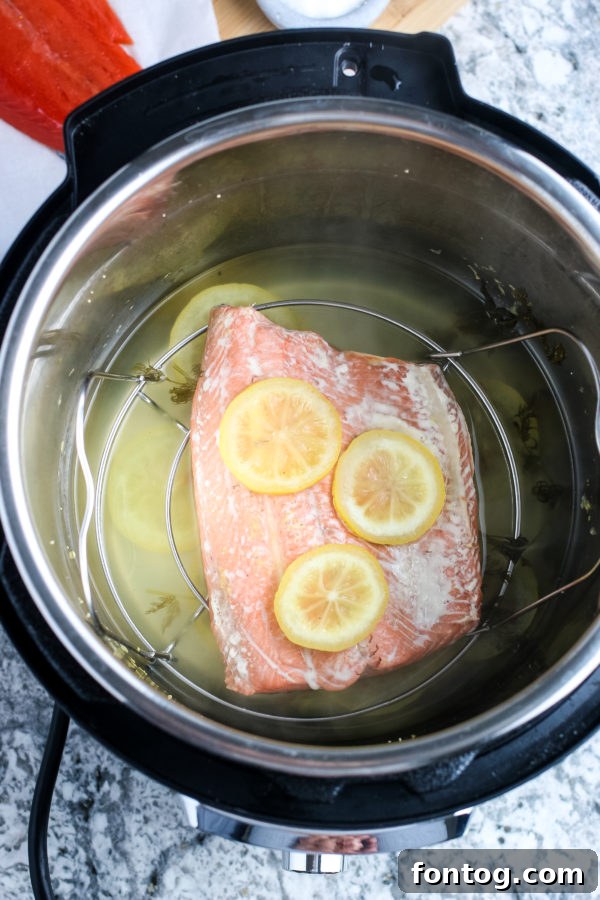
For this particular recipe, you’ll need the wire rack or trivet that came with your Ninja Foodi or Instant Pot, as well as the pressure cooker lid. These two items are essential for ensuring the salmon cooks perfectly above the liquid, allowing for steaming under pressure.
Recognizing Perfectly Cooked Salmon
Knowing when your salmon is perfectly cooked is key to enjoying its tender texture and rich flavor. While pressure cooking offers consistency, a few simple indicators can confirm it’s ready to serve:
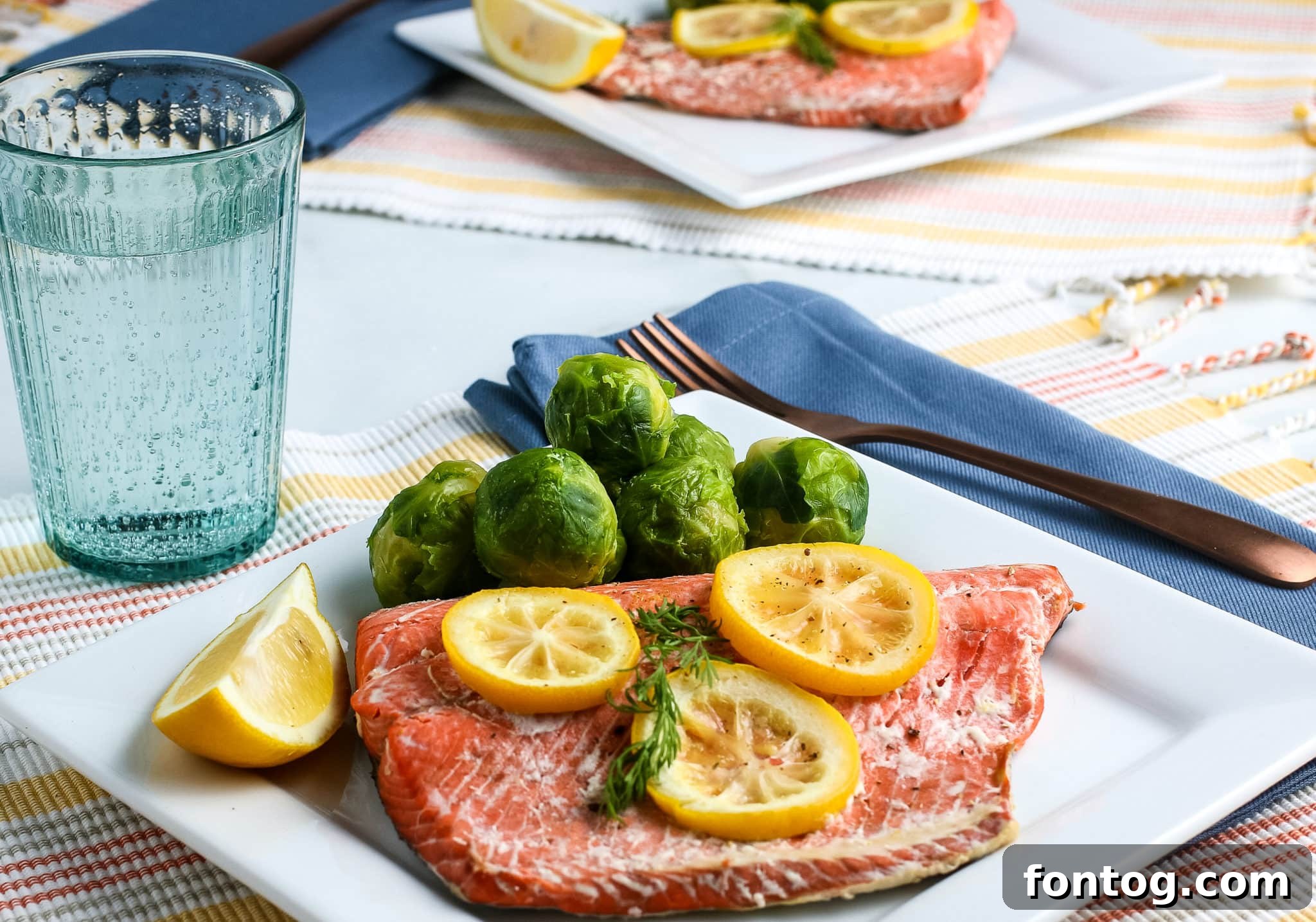
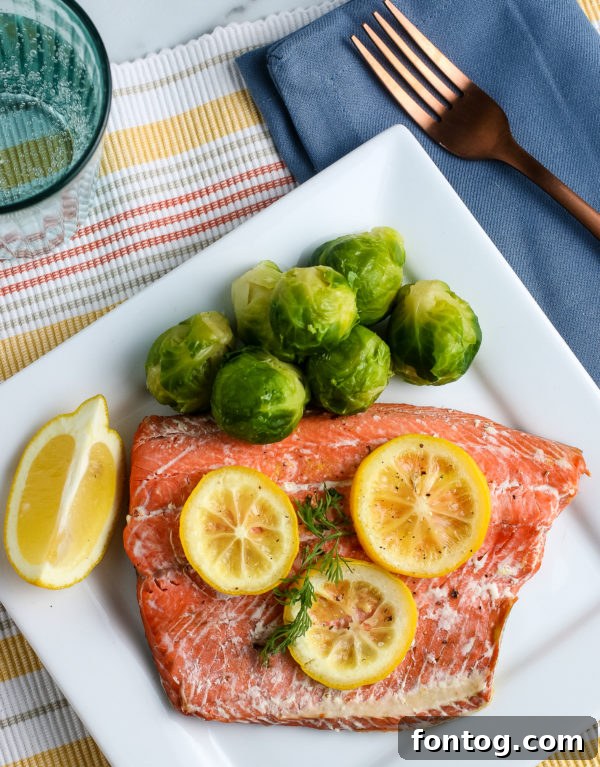
- Color Transformation: Raw salmon typically has a translucent, deep reddish-orange color. As it cooks, the flesh will gradually become opaque and turn a lighter, more vibrant pink. The white fatty lines (albumen) might also appear on the surface, which is a natural sign of doneness.
- Effortless Flaking: This is arguably the most reliable test. Gently press the salmon with a fork at its thickest point. If it flakes easily, separating into distinct layers without resistance, it’s done. If it still feels firm or rubbery, or resists flaking, it may need another minute or two of cooking (though with pressure cooking, this is rarely an issue).
- Internal Temperature (Optional but Recommended): For the most precise measurement, use an instant-read meat thermometer. Insert it into the thickest part of the salmon. The U.S. FDA recommends an internal temperature of 145°F (63°C) for cooked fish. Keep in mind that the salmon will continue to cook slightly after being removed from the heat (carryover cooking), so aiming for 140-142°F (60-61°C) before serving is often ideal for maximum juiciness.
The beauty of pressure cooking is its ability to cook evenly. You won’t need to flip the salmon during the cooking process. The pressure built up inside the pot ensures uniform cooking from all sides, resulting in a beautifully cooked fillet without the hassle of turning. This hands-off approach makes the entire cooking process even more convenient.
Discovering the Best Flavor Pairings for Salmon
Salmon’s rich, buttery flavor pairs beautifully with a wide range of complementary ingredients, enhancing its natural taste without overpowering it. This versatility makes salmon a fantastic canvas for culinary creativity. While this recipe highlights the classic combination of lemon and dill, let’s explore why these and other subtle flavors work so well:
- Lemon & Dill: This pairing is a timeless classic for a reason. The bright, zesty acidity of lemon cuts through salmon’s richness, adding a refreshing note, while fresh dill provides an herbaceous, slightly anise-like aroma that perfectly complements seafood. They create a clean, elegant flavor profile that is universally loved.
- Garlic: A staple in almost any cuisine, garlic adds a pungent, savory depth that enhances salmon without being too aggressive. Minced garlic, garlic powder, or even roasted garlic cloves can transform your salmon.
- Rosemary: With its piney, slightly peppery notes, rosemary offers a more robust herbal flavor that stands up well to salmon. It’s particularly good if you’re looking for a Mediterranean-inspired twist.
- Thyme: This delicate herb has earthy, floral undertones that can add a subtle complexity to salmon, especially when paired with other citrus notes.
- Paprika: For a touch of warmth and color, a sprinkle of smoked or sweet paprika can be wonderful. It adds a gentle smoky flavor or a mild, sweet earthiness, depending on the type.
- Black Pepper: Freshly ground black pepper is a simple yet essential seasoning that adds a mild kick and aromatic depth.
- Other Citrus: Don’t limit yourself to just lemon! Orange or lime slices can also be used to impart a different kind of tang and aroma, bringing a tropical or unique zest to your salmon.
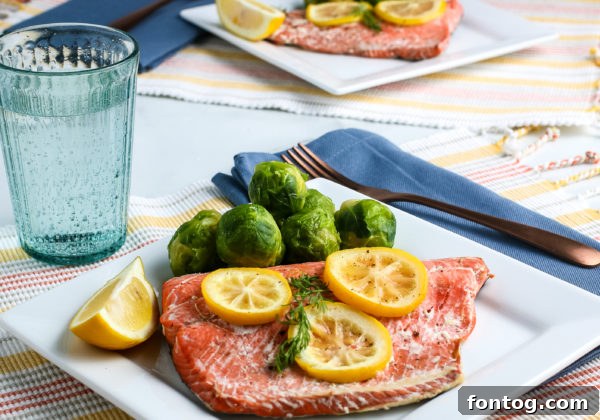
This particular recipe leans into the refreshing combination of lemon and dill, utilizing both fresh lemon slices and lemon juice for maximum brightness. However, feel free to experiment with other subtle herbs and seasonings you might already have in your pantry or herb garden, such as a few sprigs of fresh rosemary instead of dill. The key is to choose flavors that enhance, rather than overwhelm, the delicate taste of the salmon.
If you’re interested in exploring other salmon preparation methods, you might also enjoy learning how to make smoked salmon. It offers a distinctly different, yet equally delicious, flavor experience!
Cooking Salmon from Frozen in Your Ninja Foodi or Instant Pot
One of the great conveniences of pressure cooking is its ability to handle frozen ingredients directly, and salmon is no exception. This means you don’t have to remember to thaw your salmon fillets in advance, making spontaneous healthy meals even easier. While frozen salmon works wonderfully for this recipe, there’s a small adjustment to ensure it cooks through perfectly:
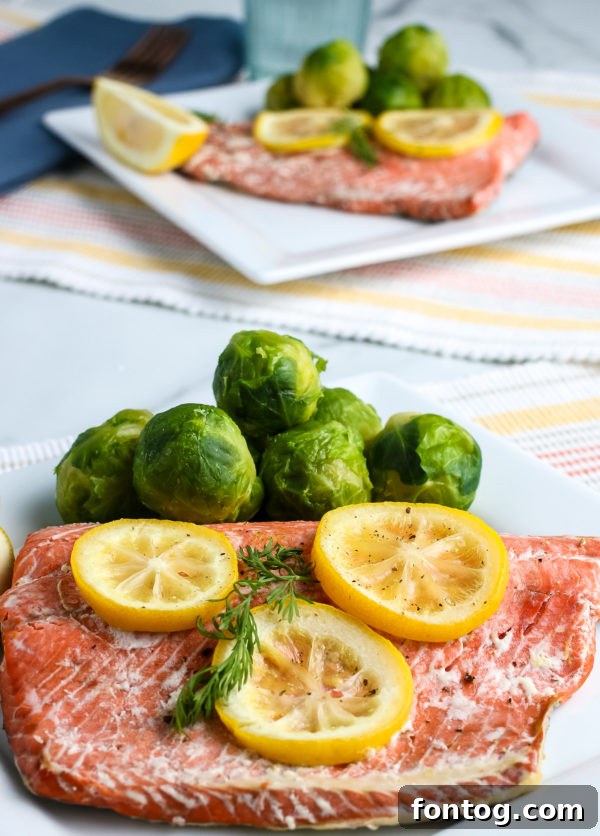
- Add One Minute to Cook Time: If you are using frozen salmon fillets, simply increase the pressure cooking time from 4 minutes to 5 minutes. This extra minute allows the pressure cooker to effectively thaw and then cook the salmon to the ideal temperature and texture.
- Ensure Separation: When placing frozen fillets on the trivet, try to ensure they are not completely stuck together. If they are individual fillets, even if frozen solid, they will cook well. If you have a large block of frozen salmon, it might be better to slightly thaw it enough to separate the pieces before pressure cooking to ensure even doneness.
- Check for Doneness: Always double-check for doneness, especially when cooking from frozen. The flaking test with a fork is your best friend here. The salmon should easily flake apart when gently pressed.
This flexibility makes the Ninja Foodi Salmon an even more practical and versatile recipe for any home cook. Imagine coming home after a long day and being able to cook a gourmet-level salmon dinner straight from the freezer!
With fresh salmon in the fridge or frozen fillets ready for action, you’re now fully equipped to make this delightful meal. Get ready to impress yourself and your family with this easy, delicious, and healthy Ninja Foodi Salmon!
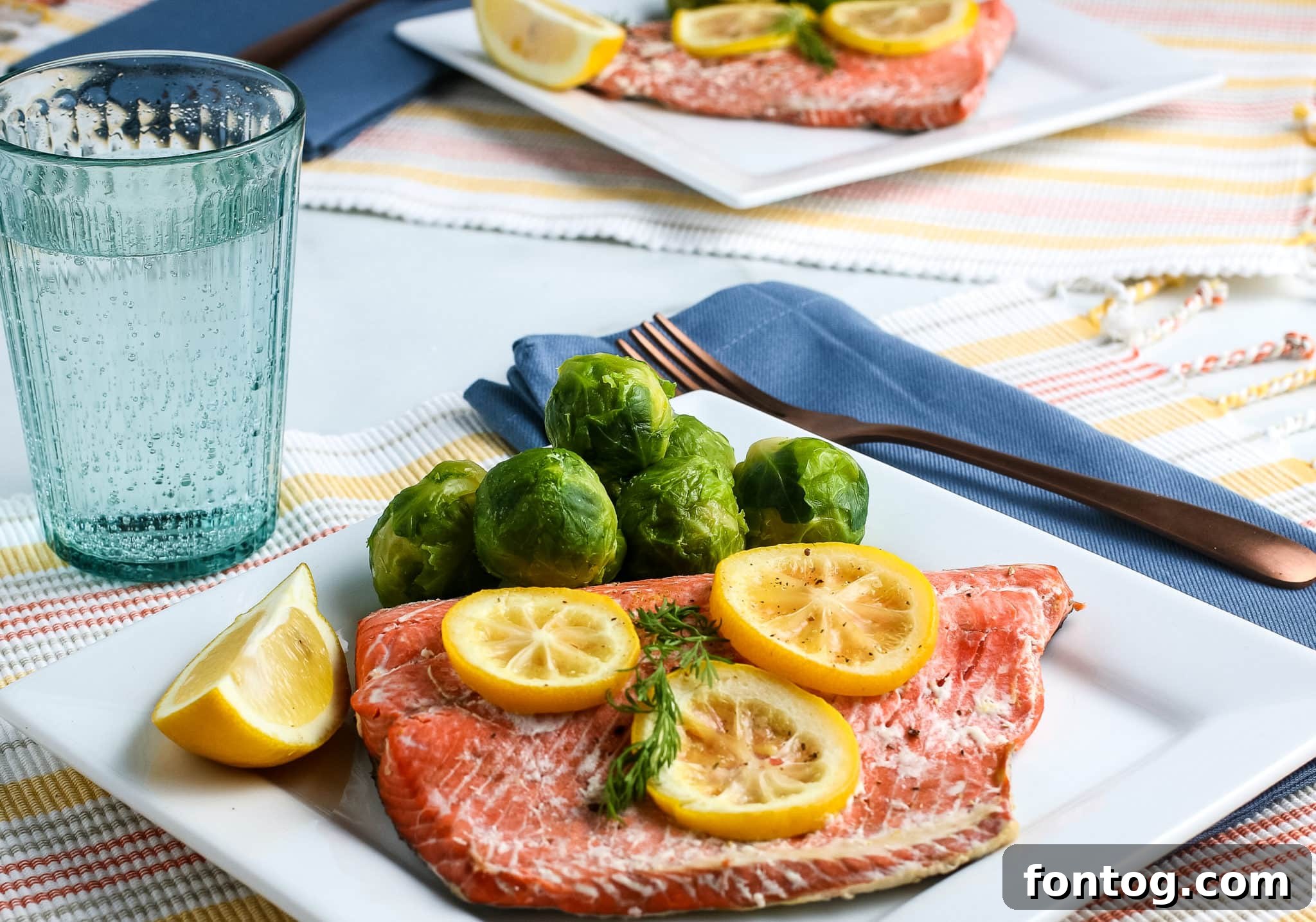
Ninja Foodi Salmon
Course Main Course
Cuisine American
Servings 4
Pin Recipe
Prep Time 5 minutes
Cook Time 4 minutes
Total Time 9 minutes
Ingredients
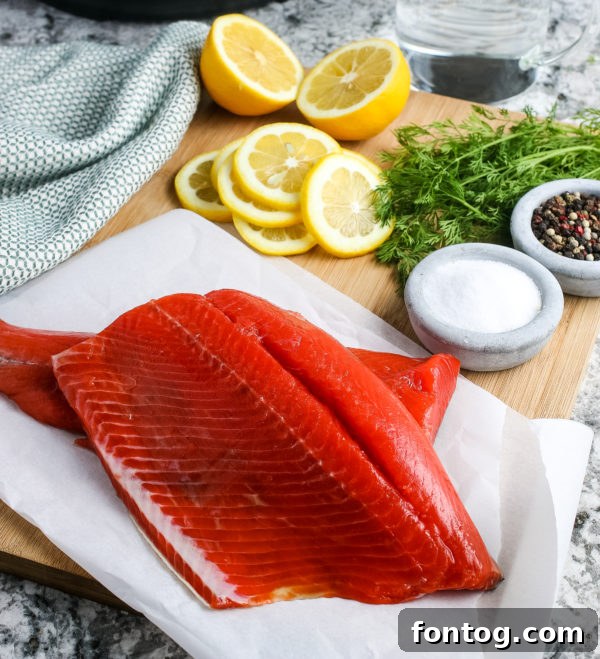
- 2 Salmon Fillets (about 6 oz each)
- 1 Cup Water
- Juice from 1 lemon (approx. ½ Cup)
- Lemon slices (for garnish and flavor)
- 4-5 Sprigs of Fresh Dill (or fresh Rosemary for an alternative flavor)
- Salt and Pepper to taste
Instructions
-
Pour 1 cup of water and the fresh lemon juice into the inner pot of your Ninja Foodi or Instant Pot.
-
Add a few lemon slices and the sprigs of fresh dill to the pot, infusing the steaming liquid with flavor.
-
Carefully place the wire rack or trivet (that came with your appliance) into the pot, ensuring it is at its lowest setting and above the liquid.
-
Place the salmon fillets on the rack/trivet. If necessary, cut the fillets to fit comfortably without overlapping.
-
Top each salmon fillet with additional fresh lemon slices for extra flavor and presentation.
-
Season the salmon generously with salt and freshly ground black pepper to taste.
-
Secure the pressure cooker lid onto your Ninja Foodi or Instant Pot, making sure it is properly sealed.
-
Ensure the valve is set to ‘seal’ (not ‘vent’). Use the manual or pressure cook setting and cook on high pressure for 4 minutes. If your salmon fillets are frozen, add an additional minute, cooking for a total of 5 minutes.
-
Once the cooking cycle is complete, carefully release the valve to vent (perform a quick release) to depressurize the pot. Once the floating pin drops, open the lid away from your face.
-
Carefully remove the salmon fillets from the pot and serve immediately, or allow them to cool and store in the refrigerator for later enjoyment.
Nutrition
Serving Suggestions and Expert Tips
Once your delectable Ninja Foodi Salmon is ready, the possibilities for serving are endless. Its mild yet rich flavor pairs beautifully with a variety of side dishes, making it a versatile main course for any occasion.
Perfect Pairings for Your Salmon Dinner:
- Roasted Vegetables: A simple medley of roasted asparagus, broccoli, or bell peppers tossed with olive oil, salt, and pepper complements the salmon perfectly. They add color, texture, and additional nutrients.
- Quinoa or Rice: For a heartier meal, serve your salmon alongside a fluffy bed of quinoa or brown rice. A squeeze of lemon juice and a sprinkle of fresh herbs on top can tie the flavors together.
- Simple Green Salad: A crisp green salad with a light vinaigrette is a refreshing accompaniment that doesn’t overpower the delicate salmon.
- Mashed Potatoes or Cauliflower Mash: Creamy mashed potatoes or a lighter cauliflower mash provide a comforting contrast to the flaky fish.
- Couscous or Orzo: These quick-cooking grains are excellent choices for a fast and elegant meal.
Tips for Success with Your Pressure Cooker Salmon:
- Don’t Overcrowd the Pot: For even cooking, ensure your salmon fillets are placed in a single layer on the trivet without overlapping. This allows the steam to circulate properly around each piece. If cooking for more people, you may need to cook in batches.
- Adjust for Fillet Thickness: The cooking times provided are for average-sized salmon fillets (about 1-inch thick). If your fillets are significantly thicker (e.g., 1.5 inches), you might need to add an extra minute to the cooking time. Thinner fillets may cook faster, so reduce time accordingly to avoid overcooking.
- Pat Dry for Best Seasoning Adherence: While not strictly necessary for pressure cooking due to the moist environment, lightly patting your salmon fillets dry with a paper towel before seasoning can help the salt, pepper, and any other rubs adhere better to the surface.
- Quick Release is Key: For salmon, a quick release of pressure is generally recommended. This stops the cooking process promptly, preventing the fish from becoming overcooked or mushy. A natural release would continue to cook the fish, potentially drying it out.
- Consider Cedar Planks (for alternative methods): While not for pressure cooking, if you ever venture to grilling or baking, cooking salmon on a cedar plank can infuse it with a wonderful smoky aroma.
Storage and Reheating Your Salmon
Have leftovers? Cooked salmon stores well, making this recipe fantastic for meal prep. Here’s how to handle it:
- Storage: Allow the cooked salmon to cool completely. Transfer it to an airtight container and store it in the refrigerator for up to 3-4 days.
- Reheating: Reheating salmon can be tricky as it tends to dry out easily.
- Oven/Toaster Oven: The best method is often in a low oven. Preheat your oven to 275°F (135°C). Place the salmon on a baking sheet, cover loosely with foil, and bake for about 10-15 minutes, or until just warmed through.
- Microwave: While convenient, the microwave can quickly dry out salmon. If you must use it, reheat on low power in short bursts (30 seconds at a time) until warm. Adding a splash of water or broth to the plate and covering it can help retain moisture.
- Air Fryer: Reheat in an air fryer at 275-300°F (135-150°C) for 5-7 minutes, checking frequently.
Avoid high heat, which can make the salmon tough and dry.
Conclusion: A Healthy and Delicious Meal Made Simple
This Ninja Foodi Salmon recipe truly embodies the ideal combination of health, speed, and flavor. By leveraging the efficiency of your pressure cooker, you can transform simple ingredients into an elegant and satisfying meal that tastes like it took hours, but was ready in mere minutes. Whether you’re a seasoned chef or just starting your culinary journey, this recipe provides a foolproof way to enjoy perfectly cooked salmon every single time.
So, embrace the ease of pressure cooking and make this lemon dill salmon a staple in your kitchen. It’s not just a meal; it’s a commitment to delicious, wholesome eating that fits seamlessly into any busy lifestyle. Enjoy the process, savor the flavors, and delight in the knowledge that you’ve created something truly wonderful!
Did you make this recipe?
Make sure to tag #mommyhatescooking on Instagram and follow for more @momhatescooking
Pin Recipe
Share on Facebook