The Ultimate Guide to Perfectly Tender Oven-Baked Boneless Country Style Pork Ribs
There’s something inherently satisfying about a plate of perfectly cooked ribs. The succulent meat, the rich, flavorful sauce, and the melt-in-your-mouth tenderness make them a perennial favorite for gatherings, weeknight dinners, or simply as a comforting indulgence. While many assume ribs are a complicated dish best left to experienced grill masters or smokers, I’m here to tell you that achieving incredibly delicious results right in your own kitchen oven is not only possible but surprisingly simple. My absolute favorite cut for this kind of easy preparation is the boneless country-style pork rib – they offer all the robust flavor of traditional ribs without the fuss of bones, making them ideal for a family meal.
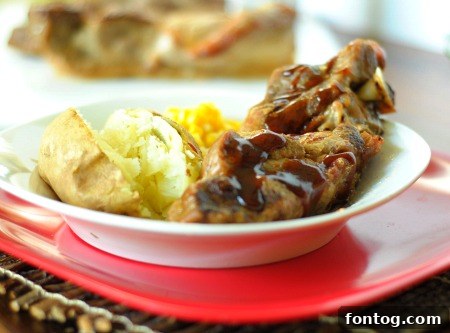
Recently, I created an unforgettable meal using these fantastic ribs, pairing them with the vibrant flavors of a Sweet Heat Saucy Mama marinade. The combination was a game-changer: a beautiful balance of sweet, savory, and a gentle kick of heat that permeated every strand of meat. The process was straightforward: I generously coated the ribs in the marinade and baked them in the oven at 400°F for approximately one hour. The outcome was nothing short of spectacular – juicy, tangy, and bursting with flavor. If you don’t have access to the Sweet Heat marinade, don’t fret! A good quality Homemade BBQ sauce can deliver a wonderfully similar tangy and savory profile, allowing you to create your own signature dish.
Why Choose Boneless Country Style Pork Ribs?
Boneless country-style pork ribs are a fantastic choice for home cooks for several reasons. Firstly, their boneless nature makes them incredibly easy to eat and serve, especially for families with children. You don’t have to worry about guests navigating around bones, and they cut beautifully, making them perfect for shredding into sandwiches or serving alongside various sides. Secondly, they are exceptionally meaty, offering a substantial portion of tender pork with each bite. Unlike traditional spare or baby back ribs, which are cut from the belly and loin respectively, country-style ribs are typically cut from the shoulder or blade end of the loin. This means they are richer in marbling, which contributes to their incredible tenderness and flavor when cooked properly.
Their versatility is another major advantage. They readily absorb marinades and rubs, making them a canvas for a wide array of flavors. Whether you prefer sweet, spicy, smoky, or tangy profiles, boneless country-style ribs can deliver. They are also relatively economical, offering a satisfying meal without breaking the bank. For an oven-baked dish, their uniform shape and thickness ensure even cooking, leading to consistently delicious results every time.
Crafting the Perfect Marinade: Sweet Heat or Homemade Bliss
The marinade is the heart and soul of this rib recipe. The “Sweet Heat Saucy Mama” marinade provides a fantastic flavor foundation, but understanding its components can help you replicate or adapt it. A “sweet heat” profile typically combines a sugary element (like brown sugar, honey, or molasses) with a spicy kick (from chili flakes, hot sauce, or cayenne pepper), often balanced with tanginess (vinegar, mustard, or citrus). This interplay of flavors creates a dynamic taste that enhances the pork without overpowering it.
If you opt for a Homemade BBQ sauce, you have even more control over the flavor. A classic homemade BBQ sauce often includes a tomato base (ketchup or tomato paste), vinegar, brown sugar, Worcestershire sauce, liquid smoke (optional, but great for ribs), onion powder, garlic powder, and paprika. You can adjust the sweetness, acidity, and heat to your preference. For a tangier taste, increase the vinegar or add a splash of apple juice. For more heat, incorporate extra cayenne or a dash of your favorite hot sauce. The key is to find a balance that excites your palate and complements the richness of the pork.
Tips for Marinating:
- Time is Key: For maximum flavor penetration, marinate the ribs for at least 2 hours, but preferably 4-6 hours, or even overnight in the refrigerator. The longer they marinate, the deeper the flavor will be.
- Use a Ziploc Bag: A large, heavy-duty freezer bag works wonders for marinating, ensuring all surfaces of the ribs are coated evenly with less mess than a bowl.
- Reserve Some Sauce: If you plan to baste the ribs during cooking or serve extra sauce on the side, set aside about ½ cup of fresh marinade *before* it touches the raw meat to avoid cross-contamination.
The Art of Oven Baking: Step-by-Step Perfection
Oven baking ribs is a foolproof method that consistently yields tender, flavorful results. The controlled environment of the oven ensures even cooking and allows the flavors of the marinade to truly meld with the meat. Here’s a detailed breakdown of the process for achieving perfection:
Preparation is Paramount
- Preheat Your Oven: Start by preheating your oven to 400°F (200°C). This ensures the oven is at the correct temperature when the ribs go in, preventing uneven cooking.
- Prepare Your Baking Dish: Line a sturdy baking dish or sheet pan with aluminum foil. This makes cleanup incredibly easy – a definite bonus! For best results, place a wire rack on top of the foil-lined pan. This elevates the ribs, allowing air to circulate around them and preventing them from simmering in their own juices, which can lead to a less desirable texture.
- Pat Dry the Ribs: Before marinating, pat the boneless country-style ribs dry with paper towels. This helps the marinade adhere better to the meat and allows for a better sear if you choose to finish them under the broiler.
Marinate and Cook
- Generously Marinade: Place the patted-dry ribs in your chosen marinade (Sweet Heat Saucy Mama or Homemade BBQ Sauce). Ensure all sides are thoroughly coated. If time allows, refrigerate for at least 2 hours, or up to 12 hours for deeper flavor.
- Arrange on the Rack: Once marinated, arrange the ribs in a single layer on the wire rack in your prepared baking dish. Make sure they aren’t overcrowded; if necessary, use two pans. Overcrowding can steam the ribs instead of baking them, affecting their texture.
- Initial Bake (Covered): Cover the baking dish tightly with another sheet of aluminum foil. This traps the moisture and steam, helping the ribs become incredibly tender. Bake for 30-40 minutes at 400°F.
- Uncover and Finish: After the initial covered bake, remove the foil. This allows the heat to directly hit the ribs, creating a beautiful caramelized crust and thickening the sauce. Continue baking uncovered for another 20-30 minutes, or until the ribs are deeply colored, tender, and the internal temperature reaches 190-200°F (88-93°C) for optimal tenderness (though 145°F is technically safe for pork, higher temperatures are needed for fall-apart ribs).
- Basting (Optional): During the uncovered phase, you can baste the ribs with the pan juices or a fresh batch of marinade every 10-15 minutes to build up layers of flavor and a glossy glaze.
- Rest Before Serving: Once cooked, remove the ribs from the oven and let them rest for 5-10 minutes before slicing and serving. This resting period allows the juices to redistribute throughout the meat, resulting in a more succulent and flavorful rib.
Serving Suggestions: Completing Your Flavorful Feast
A delicious plate of ribs deserves equally satisfying side dishes. For my recent meal, I served these tender oven-baked ribs alongside classic baked potatoes and sweet corn, creating a comforting and flavorful combination that delighted everyone. But the possibilities don’t end there! Here are some other fantastic accompaniments that will elevate your rib dinner:
- Classic Comforts:
- Creamy Coleslaw: The crisp, cool crunch and tangy dressing of coleslaw provide a refreshing contrast to the rich ribs.
- Macaroni and Cheese: A creamy, cheesy mac and cheese is the ultimate comfort food pairing for hearty ribs.
- Cornbread: Sweet, buttery cornbread is perfect for soaking up any extra sauce.
- Green Beans with Bacon: A simple side of sautéed green beans with crispy bacon bits adds both flavor and texture.
- Lighter Options:
- Garden Salad: A fresh, crisp green salad with a light vinaigrette can cut through the richness of the ribs.
- Roasted Asparagus: Simply roasted asparagus spears provide an elegant and healthy vegetable side.
- Sweet Potato Fries: A slightly healthier and sweeter alternative to regular fries, complementing the “sweet heat” profile of the ribs.
- Heartier Additions:
- Mashed Potatoes: Smooth, buttery mashed potatoes are always a crowd-pleaser and a great base for the rib sauce.
- Grilled Vegetables: Zucchini, bell peppers, and onions grilled alongside the ribs (if you’re also grilling) add a smoky char.
- Pasta Salad: A vibrant pasta salad with fresh vegetables and a zesty dressing can be a great make-ahead option.
No matter what you choose, ensure your sides complement the flavors of the ribs without overshadowing them. The goal is a balanced and satisfying meal that leaves everyone feeling content.
Ribs: A Culinary Journey – Exploring Different Ways to Enjoy Them
My passion for ribs is undeniable, and the variety of ways to prepare and enjoy them is truly exciting! The question often arises: How do you like your ribs? Smoked? Grilled? Oven cooked? Boneless? With the bone? The beauty of ribs lies in their incredible versatility, offering a technique and type for every palate and occasion. Let’s delve into the different facets of rib cookery:
Types of Ribs: Understanding Your Options
- Boneless Country Style Pork Ribs (Our Focus): As discussed, these are meaty, easy to eat, and perfect for oven baking or slow cooking. They come from the shoulder/blade end.
- Baby Back Ribs: Hailing from the loin section, these are shorter, leaner, and more tender than spare ribs. They cook relatively quickly and are often preferred for their “fall-off-the-bone” tenderness.
- Spare Ribs: Cut from the belly of the hog, these are larger, fattier, and more flavorful than baby backs. They require longer cooking times due to their connective tissue and bone structure.
- St. Louis Style Ribs: These are spare ribs that have been trimmed to a more uniform, rectangular shape by removing the cartilage and uneven ends. This makes them easier to cook evenly and more presentable.
- Beef Ribs: While pork ribs are very popular, beef ribs (short ribs or plate ribs) offer a richer, beefier flavor and a different texture. They often require longer, slower cooking methods.
Cooking Methods: A World of Flavor
- Oven Cooked (The Easy Way!): As demonstrated, the oven is fantastic for achieving tender, juicy ribs with minimal effort. It offers a consistent, controlled environment perfect for slow cooking or quick baking, depending on the desired texture. Covering them initially locks in moisture, while uncovering allows for caramelization and a delicious crust.
- Grilled: Grilling imparts a wonderful smoky char and crispy exterior. Ribs can be grilled using direct heat for searing and indirect heat for slower cooking, often requiring a “3-2-1” method (3 hours smoke/indirect heat, 2 hours wrapped, 1 hour unwrapped with sauce) for larger cuts like spare ribs. Basting with sauce during the final stage creates a sticky glaze.
- Smoked: The pinnacle of rib preparation for many enthusiasts, smoking involves cooking ribs at low temperatures over indirect heat with wood smoke. This method infuses the ribs with incredible depth of flavor and creates that signature smoke ring. Various wood types (hickory, apple, cherry) offer different smoke profiles. This is a time-intensive but highly rewarding method.
- Slow Cooker: For ultimate convenience and fall-apart tenderness, the slow cooker is an excellent choice. Simply add your ribs, sauce, and a little liquid, then let it simmer for several hours. This method is perfect for busy days and guarantees incredibly moist results. A quick finish under the broiler can add a nice char.
- Instant Pot/Pressure Cooker: When time is of the essence, a pressure cooker can transform tough ribs into tender delights in a fraction of the time. While it doesn’t offer the smoky flavor of grilling or smoking, it’s perfect for quick, moist ribs that can then be finished in the oven or under the broiler for caramelization.
Each method brings its own unique characteristics to the ribs, from the deep smoky notes of a smoker to the convenient tenderness of a slow cooker. Experimenting with these techniques is what makes cooking ribs so much fun and allows you to discover your personal favorite way to enjoy this beloved dish.
Tips for Rib Perfection and Common Mistakes to Avoid
Achieving truly perfect ribs, whether boneless country style or any other cut, comes down to a few key principles and avoiding common pitfalls. Here’s what to keep in mind:
Keys to Success:
- Don’t Rush Tenderness: For fall-off-the-bone ribs, patience is crucial. While our oven method is quicker for boneless country style, larger, bone-in ribs often benefit from longer, slower cooking to break down connective tissues.
- Moisture is Your Friend: Especially when oven baking, keeping the ribs covered for part of the cooking process helps retain moisture and promotes tenderness.
- The Right Temperature: While pork is safe at 145°F, ribs cooked to a higher internal temperature (190-200°F) will be much more tender and “pullable.” Don’t be afraid to cook them beyond the minimum safe temperature.
- Rest Your Meat: Always allow ribs to rest for 5-10 minutes after cooking. This allows the juices to redistribute, leading to a juicier and more flavorful final product.
- Balance Flavors: Whether using a marinade, rub, or sauce, strive for a balance of sweet, savory, tangy, and spicy. Adjust to your personal preference.
Common Mistakes to Avoid:
- Overcrowding the Pan: Placing too many ribs in a single layer will steam them instead of allowing them to brown and develop a crust. Use multiple pans if necessary.
- Not Removing the Membrane (for Bone-In Ribs): While not applicable to boneless country style, for bone-in ribs, failing to remove the thin membrane on the underside can result in tough, chewy ribs.
- Applying Sauce Too Early: Sugar-based sauces can burn easily. For methods like grilling or smoking, apply the sauce during the last 30-60 minutes of cooking. For oven baking, as in our recipe, applying it from the start works well because the ribs are covered initially, preventing burning.
- Overcooking to Dryness: While ribs need high temperatures for tenderness, cooking them for too long at excessively high heat can dry them out. Balance tenderness with moisture.
- Lack of Seasoning: Even the best cooking method won’t save unseasoned ribs. Ensure they are well-seasoned with salt, pepper, and your chosen flavors.
By following these guidelines, you’ll be well on your way to preparing ribs that will impress even the most discerning palates.
Final Thoughts: Embrace the Rib Adventure!
Ribs, in all their glorious forms, offer a rewarding culinary experience. Whether you’re a seasoned chef or a novice in the kitchen, preparing these delicious Boneless Country Style Pork Ribs in your oven is an approachable and incredibly satisfying endeavor. The simplicity of the method, combined with the explosive flavors of a Sweet Heat Saucy Mama marinade or your favorite homemade BBQ sauce, guarantees a meal that will become a regular in your household. Pair them with classic baked potatoes and corn, or experiment with a variety of sides to make each meal a new adventure.
Don’t be afraid to experiment with different marinades, rubs, and cooking techniques. The world of ribs is vast and exciting, offering endless possibilities for flavor and fun. So, gather your ingredients, fire up that oven, and get ready to enjoy some of the most tender, flavorful ribs you’ve ever made. I’m always curious to hear about your rib adventures!
Need more recipe ideas? Check out the Recipe Index by Mommy Hates Cooking for a treasure trove of culinary inspiration.