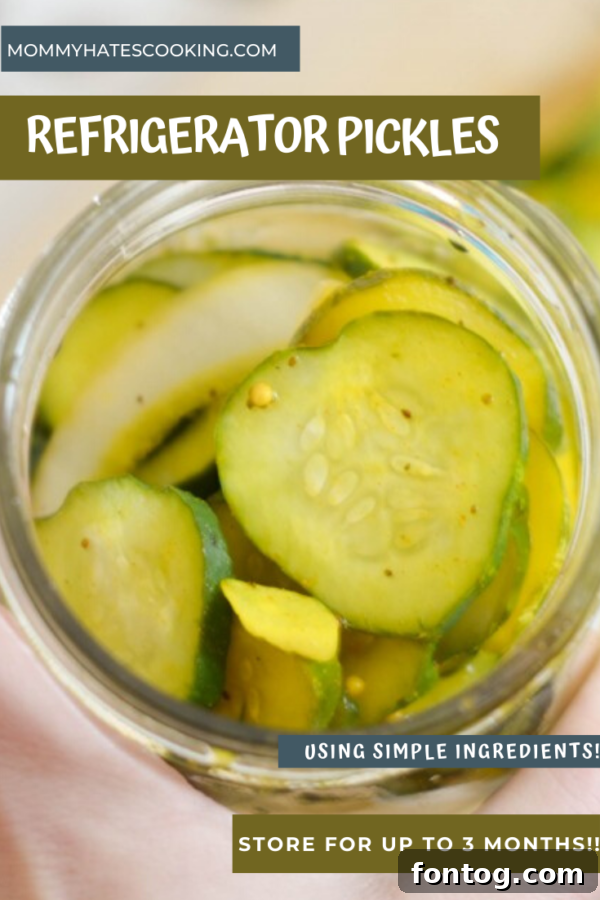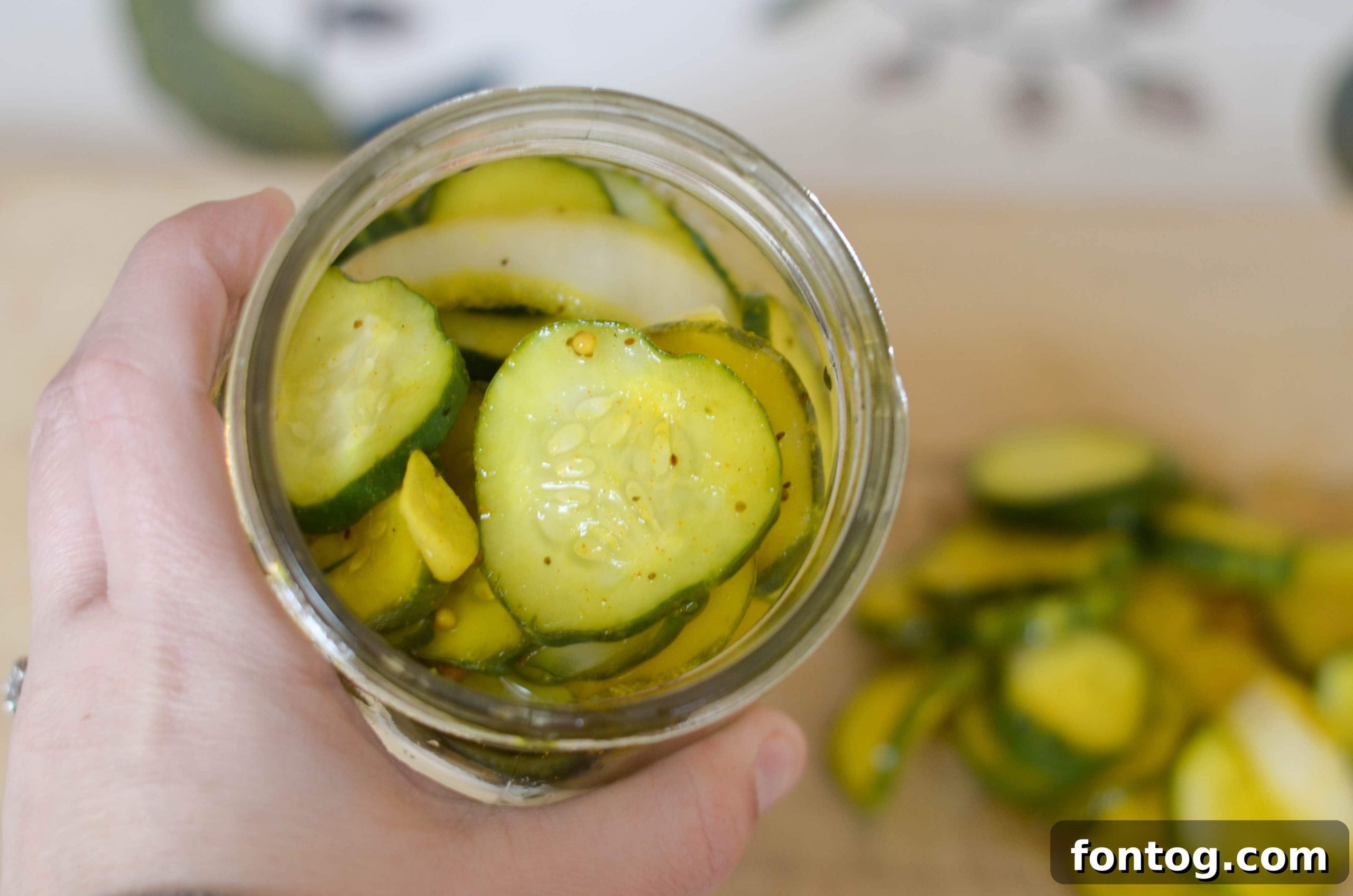
Easy Refrigerator Pickles: A Garden-Fresh Delight for Any Season
As the vibrant hues of spring blossom and gardens begin to yield their bounty, there’s no better way to celebrate fresh produce than by making a batch of homemade treats. Among the simplest and most rewarding kitchen projects are Easy Refrigerator Pickles. These delightful, tangy bites offer a refreshing crunch that perfectly complements any meal, especially as we approach grilling season and summer gatherings. Forget complex canning processes; this method is designed for speed, simplicity, and maximum flavor, making it accessible to even the most novice home cooks.
Imagine the satisfying crisp of a freshly made pickle, bursting with a harmonious blend of sweet, sour, and savory notes. These aren’t just any pickles; they’re an experience waiting to happen. Whether you’ve harvested a generous crop of cucumbers from your garden or simply picked up some fresh ones from your local market, transforming them into these irresistible refrigerator pickles is a fantastic way to preserve their freshness and elevate your culinary creations. They’re an ideal accompaniment for summer cookouts, where a juicy burger or a perfectly grilled hot dog finds its ultimate partner in a cool, zesty pickle slice.
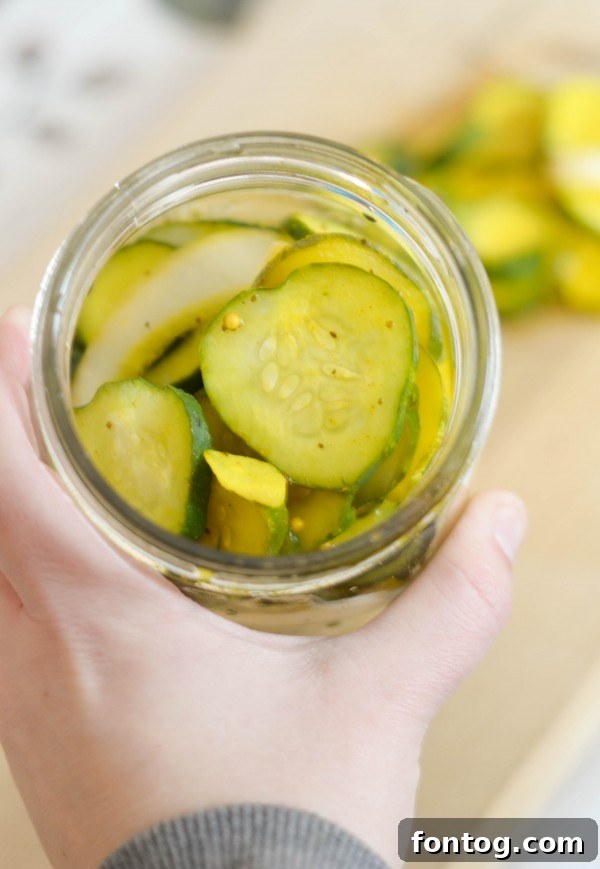
The Magic of Refrigerator Pickles: Simplicity and Speed
Many people are intimidated by traditional canning, which requires specialized equipment and a careful adherence to safety protocols. Refrigerator pickles bypass all of that. There’s no need for water baths, pressure canners, or sterile jars. All you need are fresh ingredients, a few basic kitchen tools, and some patience while they marinate in the fridge. This method allows you to enjoy the unparalleled taste of homemade pickles without the extensive time commitment or the steep learning curve associated with shelf-stable canning. They are truly a gateway to the wonderful world of preserving.
The beauty of these easy refrigerator pickles lies in their rapid preparation and quick turnaround. From slicing cucumbers to pouring the savory brine, the active prep time is minimal. Within just a few minutes, you can have your cucumbers soaking in a flavorful liquid, ready to develop their unique pickle character. While they do require a few days in the refrigerator to fully absorb the brine and reach their peak flavor and texture, this passive waiting period makes them an excellent “make-ahead” recipe. Whip up a batch over the weekend, and by the middle of the week, you’ll have perfectly tangy, crunchy pickles ready to enhance your meals. They can last for up to three months in the refrigerator, though it’s worth noting that their signature crispness may diminish slightly over time. For optimal crunch, enjoy them within the first few weeks.
Choosing the Best Cucumbers for Your Refrigerator Pickles
The foundation of any great pickle is, naturally, a great cucumber. While this versatile recipe can accommodate almost any cucumber variety, the type you choose will influence the final texture and flavor of your pickles. For the absolute best results, we highly recommend using small pickling cucumbers. These varieties are specifically bred for pickling due to their thinner skins, minimal seeds, and firm flesh that holds up exceptionally well in brine.
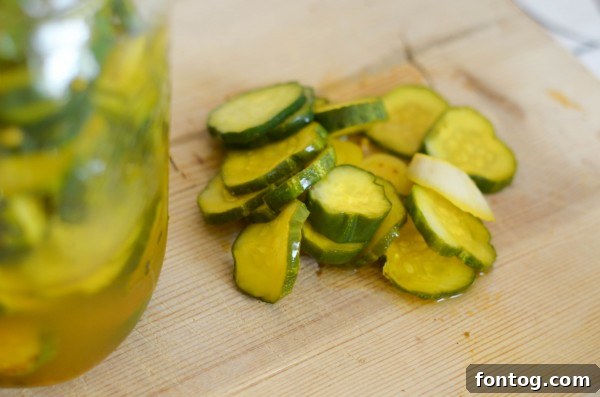
Here’s a deeper look at your cucumber options:
- **Pickling Cucumbers:** Often referred to as Kirby cucumbers, these are small, bumpy, and ideal for absorbing brine without becoming soggy. Their size makes them perfect for slicing into uniform rounds or spears. They naturally have fewer, smaller seeds and a less watery interior, which contributes to a superior crunchy texture.
- **Regular Slicing Cucumbers:** Varieties like English cucumbers or common garden cucumbers can certainly be used. If opting for larger slicing cucumbers, you might want to consider peeling them first, especially if the skin is thick or waxy, and removing some of the larger seeds from the center to prevent a watery or mushy pickle. English cucumbers, with their thinner skins and smaller seed cavities, are often a good compromise if pickling cucumbers aren’t available.
- **Freshness is Key:** Regardless of the type, the fresher the cucumber, the better your pickles will be. Cucumbers straight from the garden or a farmers’ market will have the firmest texture and best flavor. Avoid any cucumbers that feel soft, have wrinkled skin, or show signs of decay.
Ultimately, the “right” cucumber is the one you enjoy most and have readily available. Experimenting with different types can lead to discovering your personal favorite.
The Essential Ingredients for Irresistible Refrigerator Pickles
Crafting these simple yet intensely flavorful refrigerator pickles requires a blend of staple pantry items and a few key spices that bring out their distinctive taste. The beauty of this recipe is its flexibility, allowing you to tweak the spice profile to your liking. But for a classic, crowd-pleasing pickle, here’s what you’ll need to gather:
- Pickling Cucumbers: As discussed, these are your star ingredient. Thinly slicing them ensures maximum surface area for brine absorption and a delightful texture.
- White Onion: Sliced thin, the onion adds a subtle sweetness and a mild pungent kick that complements the cucumbers.
- White Vinegar: The cornerstone of your pickling brine. Its acidity is crucial for flavor and preservation. Distilled white vinegar is preferred for its clean, sharp taste.
- Sugar: Balances the acidity of the vinegar, creating that classic sweet-and-sour pickle profile. You can adjust the amount to suit your preference.
- Mustard Seed: A traditional pickling spice, mustard seeds impart a tangy, slightly spicy, and earthy warmth.
- Celery Seed: Offers a unique, slightly bitter, and aromatic flavor that is quintessential to many pickle recipes.
- Ground Turmeric: While primarily used for its beautiful golden color, turmeric also adds a mild, earthy, and slightly peppery note to the brine.
- Crushed Red Pepper: For those who appreciate a bit of heat, crushed red pepper flakes provide a gentle kick without overpowering the other flavors. Adjust to your desired spice level.
- Ground Black Pepper: A universal enhancer, black pepper contributes a sharp, woody undertone.
- Garlic Cloves: Thinly sliced fresh garlic infuses the pickles with an aromatic, savory depth that is simply irresistible.
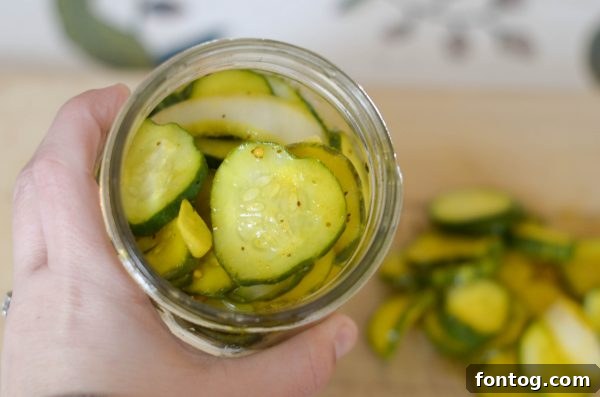
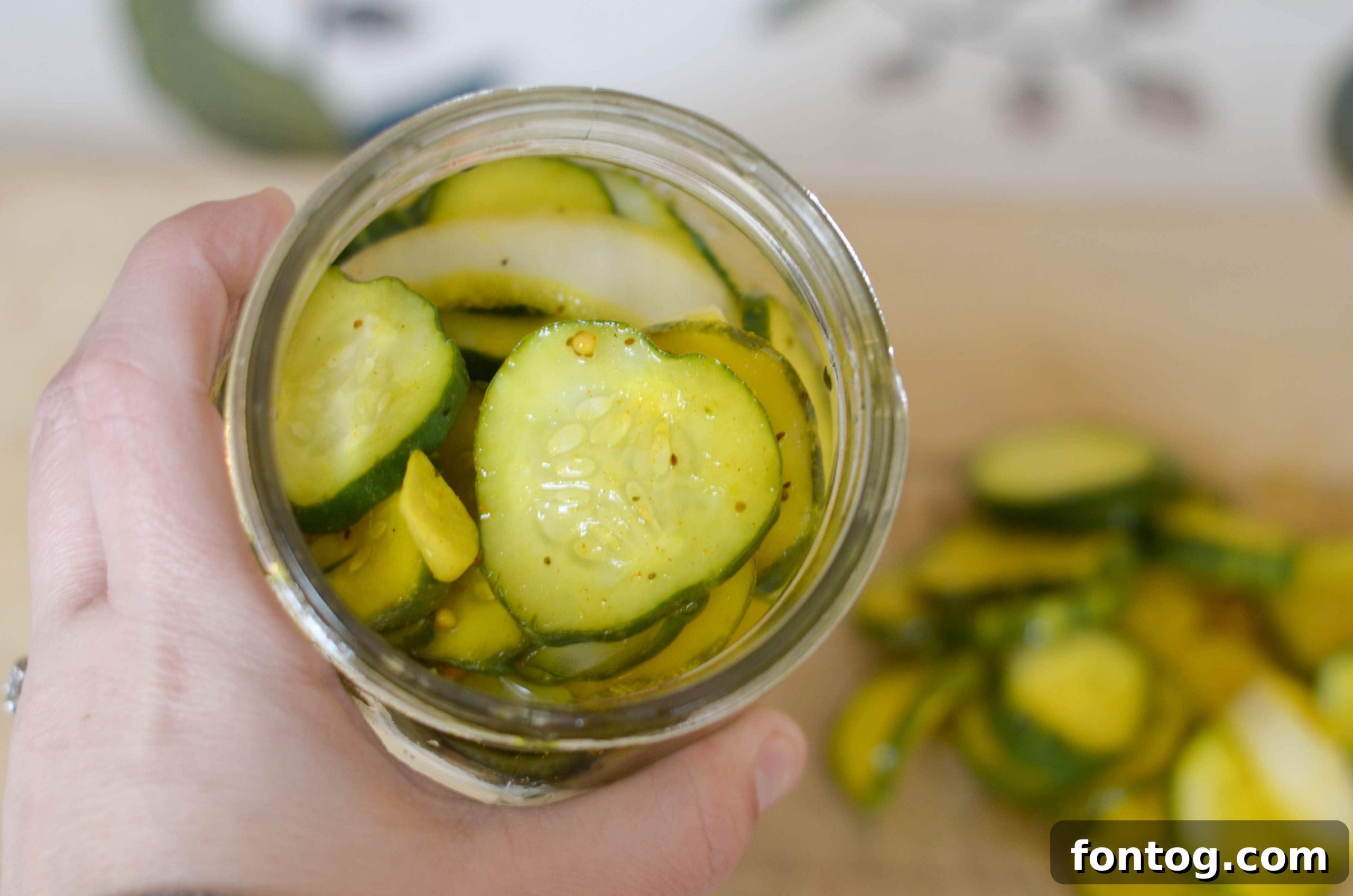
These carefully selected ingredients work in harmony to create a brine that transforms fresh cucumbers into crunchy, flavorful pickles that you’ll be proud to serve. Are you ready to dive in and make some tasty pickles?
Kristy Still
Easy Refrigerator Pickles
Recipes
American
7
Cups
Save Recipe
10
2
1
12
Ingredients
-
2
Lbs
Pickling Cucumbers
Thinly Sliced (6 Cups) -
2
Cups
White Onion
Thinly Sliced -
1 1/2
Cups
White Vinegar -
3/4
Cup
Sugar -
1/2
Tsp
Mustard Seeds -
1/2
Tsp
Celery Seeds -
1/2
Tsp
Ground Turmeric -
1/2
Tsp
Crushed Red Pepper -
1/4
Tsp
Ground Black Pepper -
4
Garlic Cloves
Thinly Sliced
Instructions
-
Place 3 cups of the cucumbers in a large bowl, then top with a cup of the onion.
-
Repeat this layering method with the remaining cucumbers and onion.
-
Combine the white vinegar, sugar, mustard seeds, celery seeds, ground turmeric, crushed red pepper, ground black pepper, and sliced garlic cloves in a small saucepan. Bring the mixture to a boil over medium heat, stirring constantly until the sugar dissolves. Let it boil for about 1 minute to ensure all flavors meld, then carefully pour the hot brine evenly over the cucumber and onion mixture in the bowl.
-
Allow the cucumber mixture to cool completely at room temperature for approximately one hour. This step is important for safety and for the pickles to properly absorb the flavors.
-
Once cooled, cover the dish tightly or transfer the pickles and brine into an airtight container or clean glass jars. Refrigerate for at least 4 days before eating to allow the flavors to fully develop. These pickles will continue to marinate and improve in taste and texture over several days.
Nutrition
Serving:
7
Cups
|
Calories:
130
kcal
|
Carbohydrates:
30
g
|
Protein:
1
g
|
Sodium:
4
mg
|
Fiber:
1
g
|
Sugar:
25
g
Tips for Perfecting Your Refrigerator Pickles
While the recipe is straightforward, a few key tips can help ensure your pickles turn out perfectly every time:
- **Uniform Slices:** Aim for consistent thickness when slicing your cucumbers and onions. This ensures they absorb the brine evenly and pickle at the same rate, resulting in a uniform texture in every bite. A mandoline slicer can be a great tool for achieving this quickly and safely.
- **Let the Brine Cool:** It’s crucial to let the brine mixture cool for about an hour after boiling before covering and refrigerating. Pouring hot brine over cucumbers can sometimes lead to softer pickles, whereas allowing it to cool helps maintain their crispness.
- **Patience is a Virtue:** While you can technically eat the pickles after 24 hours, their flavor significantly deepens and develops after at least 4 days in the refrigerator. The longer they sit, the more pronounced and harmonized the flavors become.
- **Storage Containers:** Use clean, airtight glass jars (like Mason jars) or food-grade plastic containers. Ensure the cucumbers are fully submerged in the brine for even pickling and to prevent spoilage. If some float, you can use a small plate or a piece of plastic wrap to weigh them down slightly.
- **Crunch Factor:** Refrigerator pickles are known for their crispness, but this can diminish over time. For maximum crunch, consume them within 2-4 weeks. After that, they’re still delicious, but the texture might soften slightly. You can sometimes add a grape leaf or a pinch of pickling lime (calcium hydroxide) to the brine to help preserve crunch, though it’s not strictly necessary for this recipe.
Serving Suggestions and Flavor Variations
These Easy Refrigerator Pickles are incredibly versatile and can elevate a wide range of dishes. Beyond the classic burger or hot dog topping, consider these ideas:
- **Sandwiches and Wraps:** Add a zesty crunch to any sandwich, from a simple turkey and cheese to a gourmet pastrami on rye.
- **Salads:** Chop them up and toss them into potato salad, tuna salad, or even a green salad for a burst of tang.
- **Charcuterie Boards:** Their vibrant color and tangy flavor make them a fantastic addition to any cheese and meat platter.
- **Snacks:** Enjoy them straight from the jar for a refreshing, low-calorie snack.
- **Side Dish:** Serve them alongside grilled chicken, roasted vegetables, or anything that benefits from a bright, acidic counterpoint.
Feeling adventurous? Here are some ways to customize your brine and create unique flavor profiles:
- **Herbaceous:** Add fresh dill sprigs, bay leaves, or a few sprigs of fresh thyme to the brine for an aromatic twist.
- **Spicier:** Increase the amount of crushed red pepper or add a few whole bird’s eye chilies for extra heat.
- **Garlicky:** Double down on the garlic cloves for an even more pungent flavor.
- **Sweeter/Tarter:** Adjust the sugar and vinegar ratios to suit your preference. A little more sugar for a bread-and-butter style, or less for a sharper dill-like pickle.
- **Spice Blends:** Experiment with whole peppercorns, coriander seeds, or even a pinch of dried ginger.
This recipe was inspired by a version originally shared through a partnership with Cooking Light, a testament to its balanced and delicious profile.
Did you make this recipe?
We’d love to see your creations! Make sure to tag #mommyhatescooking on Instagram and follow for more delicious ideas @momhatescooking.
Pin Recipe
Share on Facebook