Transforming Scrap Wood into a Vibrant DIY Herb Garden Box: A Step-by-Step Guide for Beginners
Embarking on a gardening journey, even a small one, can bring immense joy and fresh flavors to your kitchen. A few weeks ago, we shared the initial steps of crafting an easy DIY garden box using simple materials. Today, we’re thrilled to unveil the colorful transformation of our homemade planter and dive into the delightful process of planting fresh herbs, perfect for anyone looking to start their own mini garden.
Our goal was to create a functional yet charming space for herbs, and we achieved this beautifully by repurposing scrap wood. The result was not only practical but also deeply satisfying. This project proves that you don’t need fancy tools or expensive materials to bring your gardening dreams to life; a little creativity and some elbow grease go a long way.
Why Opt for a DIY Garden Box? The Benefits of Raised Beds and Repurposing
Choosing to build your own garden box, especially from scrap wood, offers numerous advantages. Firstly, it’s incredibly cost-effective, turning materials that might otherwise go to waste into something productive and beautiful. Secondly, a DIY approach allows for complete customization, letting you tailor the size, shape, and even the color of your planter to fit your specific outdoor space and aesthetic preferences. Raised garden beds, like our herb box, also offer better drainage, warmer soil temperatures in spring, and easier access for planting, weeding, and harvesting. They are particularly beneficial for beginners or those with limited garden space, making urban gardening accessible to everyone.
Our Journey: From Humble Beginnings to a Cheerful Yellow Herb Box
Gathering Materials: The Beauty of Repurposing Scrap Wood
The foundation of our project was a collection of mismatched scrap wood pieces, gathered from various past projects around the house. This eclectic mix added character and a touch of rustic charm to our garden box, proving that perfection isn’t necessary when it comes to handmade creations. The beauty of using salvaged materials lies in their unique imperfections and the story they tell. We focused on finding pieces sturdy enough to hold soil and plants, knowing that with a little paint, they would come together cohesively.
The Assembly Process: Simple Steps to a Sturdy Structure
The initial construction involved straightforward techniques, assembling the pieces into a functional box. We emphasized simplicity, ensuring that anyone, regardless of their carpentry skills, could replicate the process. Once assembled, our garden box was ready for its aesthetic upgrade. The simple structure, while functional, lacked the visual appeal we desired. This is where the magic of personalization came into play, transforming a utilitarian object into a delightful garden feature.
Adding a Splash of Color: Personalizing Your Garden Space
I’ve been quite fond of yellow lately, so it was a natural choice when deciding on a color for our newly built planter. We had some leftover yellow paint, which was perfect for the task. My intention wasn’t to achieve a flawless finish, especially since the wood itself had its natural imperfections. Instead, I aimed for a cheerful, bright appearance that would add a pop of color to our outdoor space. The transformation was remarkable; the yellow instantly brightened up the box, giving it a charming and inviting look. This step highlights how a simple coat of paint can revitalize repurposed materials and infuse your personal style into your gardening projects.
Initially, our garden box was a collection of mismatched wood pieces, assembled with high hopes of becoming a beautiful home for delicious herbs. Its raw, unpainted state reflected its humble origins, but beneath the surface, it held the promise of fresh flavors and vibrant growth.
Voila! The transformation is complete. Our yellow garden box now stands proud, filled with rich, fertile soil, ready to embrace its new green inhabitants. The splash of color brings warmth and cheer, making it a delightful focal point in our garden space. This simple step not only enhanced its appearance but also prepared it for the next exciting phase: planting.
Planting Our Herb Sanctuary: A Culinary Adventure
Choosing the Right Herbs for Your Climate and Kitchen
With our vibrant yellow planter box ready, the next exciting step was to add the herbs. I selected a variety of popular culinary herbs that are relatively easy to grow and incredibly versatile in the kitchen: basil, dill weed, parsley, and chives. Each offers distinct flavors and aromas, promising a fresh supply for countless meals.
- Basil: A staple for Italian dishes, pesto, and fresh salads. It thrives in warm, sunny conditions.
- Dill Weed: Perfect for fish, pickles, and creamy sauces. Known for its delicate, feathery leaves and unique flavor.
- Parsley: A ubiquitous garnish and flavor enhancer for nearly any savory dish. Both flat-leaf and curly varieties are popular.
- Chives: With their mild oniony flavor, chives are excellent for eggs, potatoes, and garnishes. This is my first time growing chives, and I’m eager to observe their growth and culinary potential.
Choosing herbs that suit your local climate and personal cooking preferences is key to a successful and enjoyable herb garden. Ensure they receive adequate sunlight and consistent watering to flourish.
The Joy of Planting: Soil Preparation and Herb Placement
The act of planting is a meditative and rewarding experience. We carefully placed each herb seedling into the rich soil, ensuring they had enough space to grow and thrive. Good quality potting mix is crucial for container gardening, providing the necessary nutrients and drainage. We gently loosened the roots of each plant before settling them into their new home, watering them thoroughly to help establish them. Watching these tiny plants take root and begin to flourish is one of the greatest joys of gardening, transforming an empty box into a living, breathing culinary resource.
Our freshly planted herb box now buzzes with potential. The vibrant green of the herbs contrasts beautifully with the cheerful yellow of the planter, promising a season of fresh flavors and aromatic delights. Each plant is carefully positioned, ready to stretch its roots and reach for the sun.
Beyond the Herb Box: Cultivating a Thriving Garden
From Garden to Table: The Homemade Salsa Dream
Beyond our newly painted herb box, my existing garden continues to flourish. I’ve been particularly impressed by the growth of my cilantro. Seeing it thrive makes me incredibly excited for the future, as I’m eagerly awaiting the ripening of our tomatoes. The ultimate goal? To combine these fresh ingredients from our garden to make my famous homemade salsa. There’s nothing quite like the taste of salsa made with freshly picked ingredients, bursting with natural flavors. This connection from garden to table is what makes home gardening so rewarding, turning fresh produce into delicious, wholesome meals for the family.
The Unexpected Delights: Cilantro’s Flourishing Growth
The success of the cilantro in my established herb box has been a pleasant surprise. Its vigorous growth serves as a testament to the benefits of good soil and consistent care. This flourishing plant is not just an ingredient; it’s a source of pride and a motivator to continue nurturing our green space. Observing the progress of each plant, from a tiny seed or seedling to a bountiful harvest, reinforces the simple yet profound satisfaction that gardening offers. It’s a continuous learning process, full of small victories and delicious rewards.
Nurturing Nature and Family: Gardening with Little Helpers
Involving Children in the Gardening Process
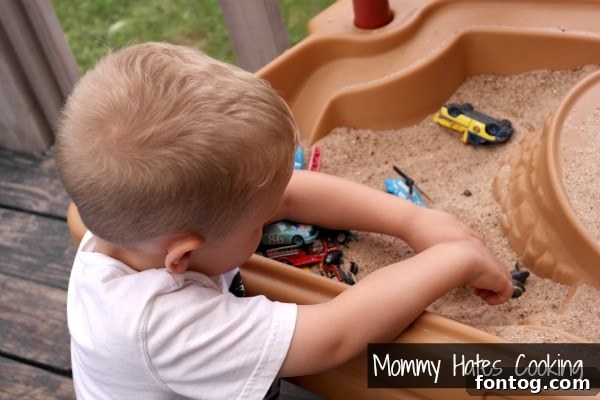
Any chance I get, I love to show off our wonderful kids, and today is no exception! Our little garden helpers are an integral part of our gardening adventure. Involving children in gardening offers a wealth of benefits: it teaches them about where food comes from, instills a sense of responsibility, fosters a love for nature, and provides invaluable outdoor playtime. My son, in particular, absolutely loves to get his hands dirty and explore everything outside. He’s always eager to assist with planting, watering, or simply digging in the soil, embodying the pure joy of discovery. These moments are not just about growing plants; they’re about cultivating memories and fostering a deeper connection with the natural world as a family.
Overcoming Gardening Challenges with Toddlers
However, gardening with little ones, especially toddlers, comes with its unique set of challenges. For me, the hardest part of getting out in the garden lately has been managing to work hands-free. My daughter is currently in a phase where she wants to be held or upright 99% of the time. This constant need for attention can certainly wear a mommy out and make even simple tasks feel like a marathon! But as any parent knows, adaptability is key. Luckily, we’ve found a new solution: she’s discovered a love for her bouncer. She’s now quite content sitting in it, watching us work, absorbing all the sights and sounds of the garden. This small adjustment has made a huge difference, allowing us to enjoy our gardening time more fully.
My son, ever the enthusiastic helper, takes immense pleasure in assisting in the garden and playing with anything he can find outdoors. His curiosity and energy are contagious, reminding us of the simple joys of being outside. I’m foreseeing a summer full of long, balmy evenings spent in the garden, which are my absolute favorite. Of course, this also means a lot of baths for this little boy after his outdoor adventures!
What’s Next? Our Continuing Gardening Journey
As we continue our gardening journey, there’s always something new to look forward to. Next week, we’ll be sharing another helpful tip for home gardeners, along with an update on how our entire garden is progressing. We’ve already had the pleasure of harvesting some fresh green onions and crisp lettuce, which is incredibly encouraging! The garden is showing promising signs of growth, and we’re excited to see what other delicious produce it will yield. Every season brings new lessons and new bounties, making gardening a truly endless and rewarding hobby. Stay tuned for more updates and inspiration!
Start Your Own DIY Herb Garden Today!
Creating your own DIY herb garden box from scrap wood is a rewarding project that adds both beauty and utility to your home. It’s a sustainable, cost-effective way to enjoy fresh herbs year-round, enhance your culinary creations, and connect with nature. Whether you’re a seasoned gardener or just starting out, a project like this offers tangible satisfaction and a constant supply of homegrown goodness. Grab some scrap wood, a can of paint, and some herb seedlings, and begin your own vibrant gardening adventure today!
Looking for more inspiration? Be sure to explore our Mommy Hates Cooking Products and Services for great ideas to simplify your life in the kitchen and beyond.
Need more delicious recipe ideas? Dive into the extensive Recipe Index by Mommy Hates Cooking and find your next family favorite.