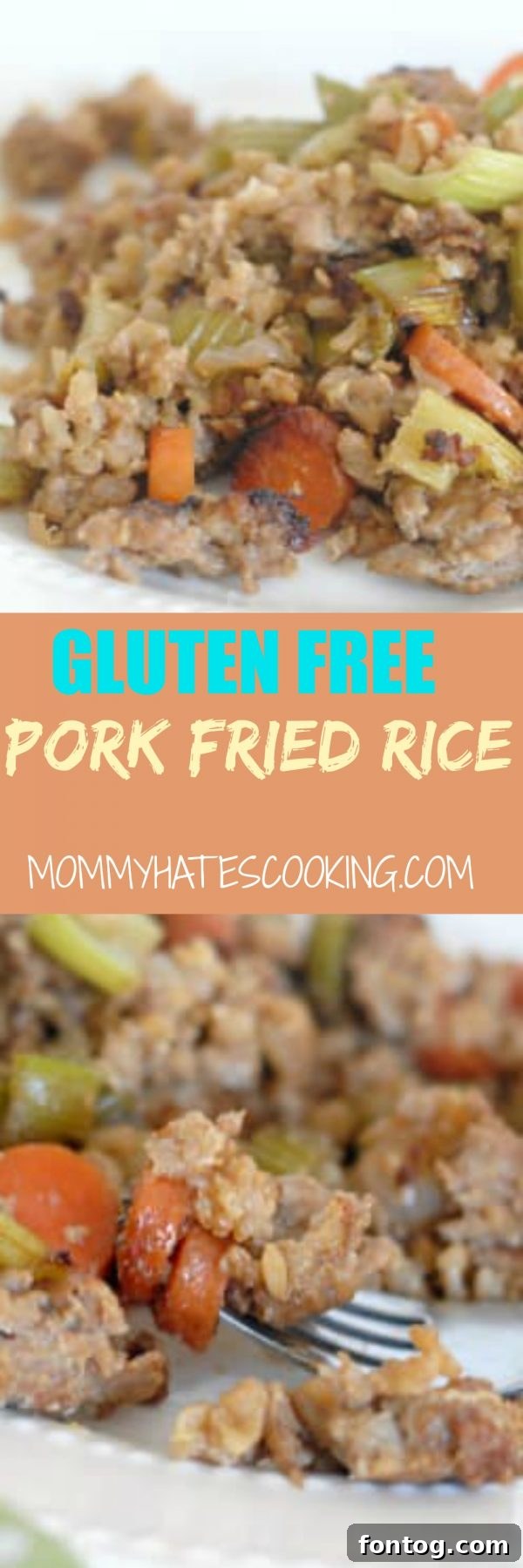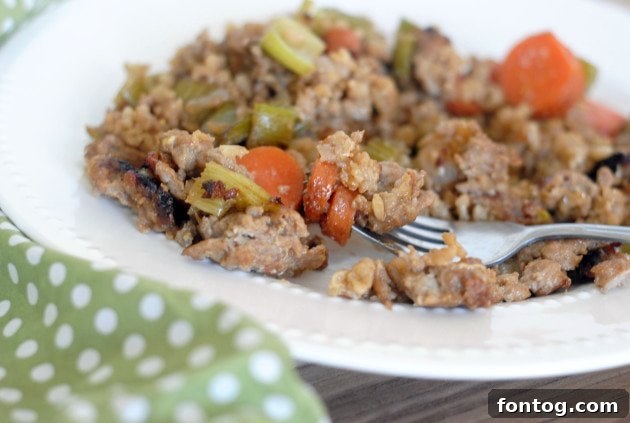
Gluten-Free Pork Fried Rice: A Healthy Homemade Takeout Alternative
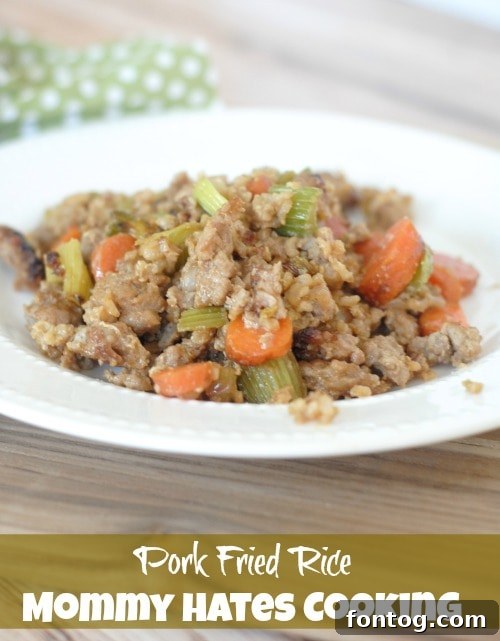
Embarking on a gluten-free lifestyle often means rediscovering your favorite dishes and adapting them to new dietary needs. For many, the initial journey can feel restrictive, especially when it comes to beloved comfort foods like Asian cuisine. The good news? You absolutely don’t have to give up on those rich, savory flavors. This comprehensive guide will show you how to create an incredibly delicious and entirely gluten-free pork fried rice right in your own kitchen, proving that healthy eating can still be packed with taste and satisfaction.
Reclaiming Your Favorite Asian Flavors: The Gluten-Free Journey
When you first transition to a gluten-free diet, a common realization is that many staple ingredients in traditional Asian cooking contain gluten. Standard soy sauce, a cornerstone of countless stir-fries and marinades, is typically wheat-based. Beyond soy sauce, breadings used for fried meats, certain noodles, and even some broths can harbor hidden gluten, making takeout a risky proposition for those with sensitivities or celiac disease.
The initial disappointment of waving goodbye to spontaneous takeout orders, complete with their charming white boxes and chopsticks, is a feeling many of us can relate to. However, this challenge quickly transforms into an exciting opportunity. Over the years, countless home cooks have discovered the immense joy and simplicity of recreating these once “forbidden” dishes at home. Not only does this allow for strict control over ingredients, ensuring a truly gluten-free meal, but it also opens the door to healthier, fresher, and often more flavorful versions of your restaurant favorites.
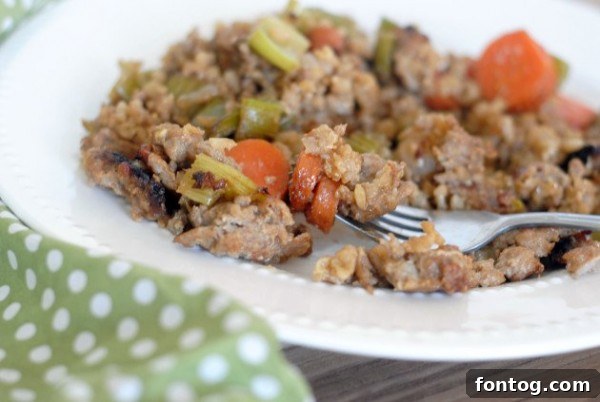
Why Homemade Fried Rice Triumphs Over Takeout
There are numerous compelling reasons why making fried rice at home is a superior choice, especially for those managing a gluten-free diet. The primary benefit is unparalleled control over ingredients. Commercial fried rice often contains excessive amounts of oil, sodium, and sometimes even MSG, an additive some people prefer to avoid. By preparing it yourself, you can choose leaner cuts of meat, fresh organic vegetables, and use healthier cooking oils. You can also significantly reduce the sodium content by opting for low-sodium gluten-free tamari or coconut aminos, tailoring the flavors precisely to your preferences.
Beyond health considerations, the cost-effectiveness of homemade fried rice is undeniable. A single takeout order can be pricey, whereas a batch made at home can easily feed a family for the same, or even less, cost, often with leftovers to spare. Furthermore, the customization options are limitless. Don’t like peas? Swap them for edamame. Prefer more spice? Add a dash of sriracha. The satisfaction of creating a meal exactly to your liking, knowing every ingredient that goes into it, is incredibly rewarding. It transforms a simple dinner into a culinary adventure and a wholesome experience.
Crafting the Perfect Gluten-Free Pork Fried Rice: Key Ingredients
The secret to exceptional fried rice lies in its components. Each ingredient plays a vital role in building layers of flavor and texture. Here’s a closer look at what you’ll need to create your gluten-free masterpiece:
The Foundation: Perfect Rice
Day-old, chilled rice is the undisputed champion for fried rice. Freshly cooked rice tends to be too moist and can result in a mushy texture. Using rice that has been refrigerated overnight allows it to dry out slightly, leading to those perfectly separated, slightly chewy grains characteristic of great fried rice. Long-grain white rice, like jasmine or basmati, works beautifully, but you can also experiment with brown rice for added fiber and a nuttier flavor.
The Star: Flavorful Pork
For this recipe, pork is the star, offering a rich, savory depth that complements the other ingredients beautifully. Whether you’re using leftover roasted pork, thinly sliced fresh pork loin, or even ground pork, ensure it’s cooked thoroughly and cut into small, bite-sized pieces for even distribution. Marinating the pork briefly in a touch of gluten-free tamari and sesame oil can add an extra layer of flavor and tenderness before cooking.
The Game Changer: Gluten-Free Soy Sauce Alternatives
This is where the magic happens for gluten-free diets. Instead of traditional soy sauce, opt for gluten-free tamari or coconut aminos. Tamari offers a very similar flavor profile to regular soy sauce but without the wheat. Coconut aminos provide a slightly sweeter, less salty alternative, perfect for those avoiding soy as well. These alternatives ensure your fried rice retains its authentic umami flavor without any gluten concerns.
Vibrant Vegetables for Flavor and Nutrition
A medley of fresh, colorful vegetables not only adds essential nutrients but also contributes to the vibrant aesthetic and textural complexity of fried rice. Classic choices include frozen peas and carrots (which cook quickly), finely diced onions, and minced garlic. Feel free to expand with red bell peppers for sweetness, corn for a pop of texture, or even thinly sliced mushrooms. The key is to chop them uniformly so they cook evenly and integrate seamlessly into the dish.
Essential Flavor Boosters
Don’t forget the finishing touches that elevate your fried rice from good to outstanding. A drizzle of toasted sesame oil at the end imparts a nutty aroma and flavor. Freshly grated ginger can add a zingy warmth, while a few scrambled eggs, cooked separately and then folded into the rice, provide a delightful richness and additional protein.
A Step-by-Step Guide to Culinary Success
While specific measurements and timings are best found in a dedicated recipe, understanding the general flow of making fried rice is crucial for success. The process typically involves cooking your chosen protein first, browning it beautifully and setting it aside. Next, the aromatics like onions and garlic are sautéed until fragrant, followed by the harder vegetables like carrots, allowing them to soften slightly before adding the peas and any other quick-cooking veggies.
Once the vegetables are nearly tender, the chilled rice is introduced, stirring constantly to break up any clumps and coat the grains in the flavorful oil and vegetable essence. This is where your gluten-free tamari or coconut aminos come in, drizzled over the rice and mixed in until everything is evenly seasoned and coated. Finally, the cooked pork and any scrambled eggs are folded back into the mixture, along with a final dash of sesame oil and perhaps some chopped green onions for garnish. The goal is a harmonious blend of flavors and textures, with each grain of rice distinct and infused with deliciousness.
Beyond Pork: The Versatility of Fried Rice
While pork fried rice is undeniably a classic and a fantastic way to utilize leftover meat, the beauty of homemade fried rice lies in its incredible versatility. Don’t have pork on hand? No problem! Chicken fried rice is a perennial favorite, often made with diced chicken breast or thigh. Beef fried rice, using thinly sliced steak, offers a robust and satisfying alternative. For seafood lovers, shrimp fried rice is a quick and delicate option that cooks in minutes.
Vegetarian and vegan versions are just as delightful. Tofu or tempeh can be pressed, diced, and pan-fried until crispy, serving as an excellent protein substitute. For a completely plant-based meal, load up on extra vegetables like broccoli florets, snap peas, bok choy, or corn, ensuring a satisfying and nutrient-dense dish. The core technique remains the same; only the main protein and vegetable combinations change, allowing you to create a unique dish every time you cook.
Elevate Your Asian-Inspired Dinner Night
Why stop at just fried rice? Transform your meal into a full-fledged Asian-inspired dinner night by pairing your delicious gluten-free pork fried rice with complementary dishes. Imagine a spread featuring Mongolian beef (ensure it’s made with gluten-free ingredients, especially the sauce), a vibrant sweet and sour chicken, or savory teriyaki meatballs. To start, an edamame salad makes for a refreshing and light appetizer, perfectly balancing the richness of the main courses.
Consider adding steamed or roasted vegetables like asparagus or broccoli with a hint of garlic and sesame oil. For an authentic touch, a simple miso soup can precede the main meal. And for dessert, fresh fruit like mango or pineapple offers a light and refreshing end to your culinary journey. Creating an array of dishes makes the dining experience truly special, whether it’s for a romantic at-home date night or a fun family gathering.
Bringing It All Together: Your Homemade Culinary Adventure Awaits
Making gluten-free pork fried rice at home is more than just cooking; it’s an act of reclaiming flavors, embracing healthier habits, and finding joy in the kitchen. It’s a testament to the fact that dietary restrictions don’t mean sacrificing taste or excitement. With this guide, you’re now equipped with the knowledge to create a fantastic meal that rivals any takeout, tailored precisely to your needs and preferences. So, gather your ingredients, fire up the wok, and get ready to enjoy a delicious, satisfying, and completely gluten-free Asian feast!
For a detailed recipe to guide you through making this incredible dish, refer to the embedded recipe below:
Don’t forget to save this recipe for later inspiration!