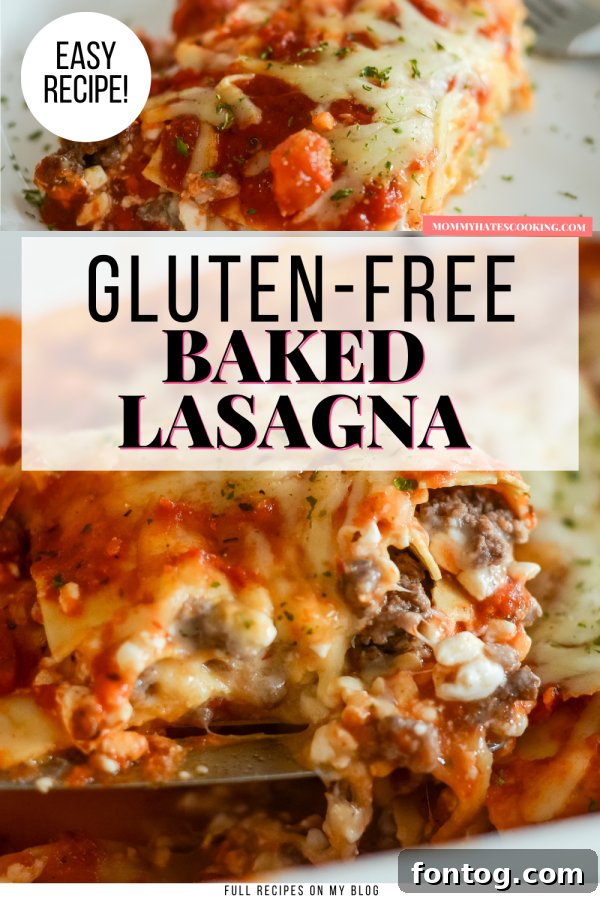
Effortless Gluten-Free Baked Lasagna: Your Ultimate Comfort Food Guide
Craving a hearty, satisfying lasagna but need a gluten-free option? Look no further! This incredible gluten-free baked lasagna recipe is designed for ease and maximum flavor, making it the perfect weeknight dinner or a crowd-pleasing dish for any gathering. What makes it truly special and incredibly simple? We swap out the traditional ricotta cheese for a creamy, delightful cottage cheese, adding a fresh twist to a classic favorite.
Whether you’re new to gluten-free cooking or a seasoned pro, this recipe is incredibly adaptable. You can easily prepare it as a traditional lasagna by simply using regular lasagna noodles, or keep it strictly gluten-free with your preferred brand of gluten-free pasta. The choice is entirely yours, with minimal adjustments needed.
Choosing the Best Gluten-Free Pasta for Your Lasagna
The world of gluten-free pasta has expanded wonderfully in recent years, offering a fantastic variety of options that perform beautifully in dishes like lasagna. When it comes to layered pasta dishes, the type of noodle you choose can significantly impact the final texture and ease of preparation.
Our top recommendation for this recipe, due to its widespread availability and excellent performance, is Barilla Oven-Ready Lasagna Noodles. These can typically be found in most local grocery stores, saving you a special trip.
The key characteristic for this particular recipe is that your chosen lasagna noodles must be oven-ready. Oven-ready noodles are designed to absorb moisture from the sauce during baking, eliminating the need for pre-boiling. This critical feature significantly streamlines the cooking process, turning a potentially complex dish into a straightforward endeavor. If you opt for traditional, non-oven-ready lasagna noodles (whether gluten-free or not), you will need to boil them according to package instructions before assembling your lasagna. Be aware that this will also necessitate adjustments to the overall baking time to ensure your pasta is perfectly cooked without becoming overdone.
Beyond Barilla, other popular gluten-free noodle brands utilize various ingredients such as corn, rice, lentils, or a blend of grains. Each can offer a slightly different texture and flavor profile. Experimenting with different brands can help you discover your personal favorite, but always prioritize oven-ready varieties for the simplest preparation of this specific recipe.
The Secret Ingredient: Why Cottage Cheese Works Wonders in Lasagna
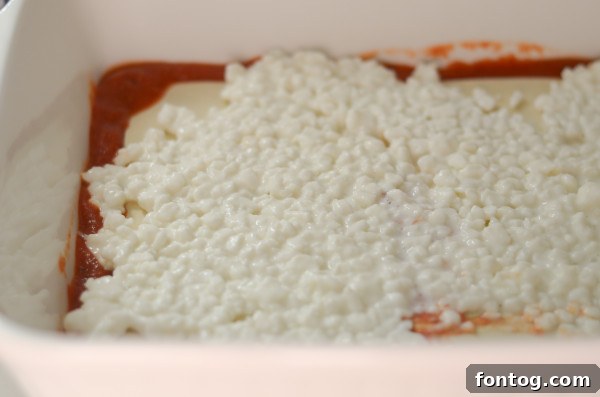
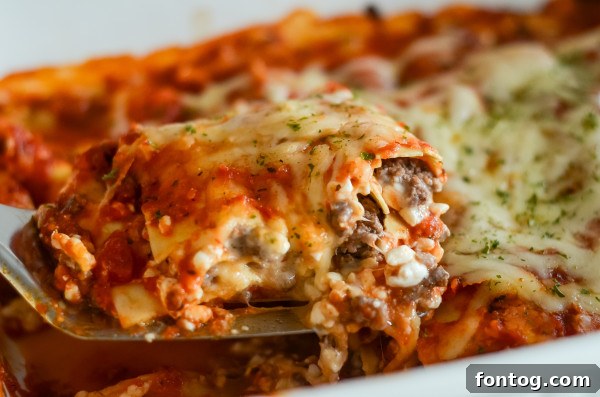
While traditional lasagna often features a rich, creamy ricotta cheese layer, this recipe embraces cottage cheese as a fantastic, flavorful alternative. Many home cooks prefer cottage cheese for its slightly tangier flavor and often lighter texture. It offers a wonderful creaminess and helps bind the layers together just as effectively as ricotta, without the sometimes heavier feel.
Using cottage cheese in your lasagna also presents an opportunity for dietary flexibility. If you’re looking to reduce calories, you can easily opt for a low-fat or non-fat cottage cheese variety, making this comforting dish even more guilt-free. Ultimately, the choice between ricotta and cottage cheese comes down to personal preference. We encourage you to try cottage cheese in this recipe and discover its delicious contribution!
Essential Tips for Crafting Perfect Gluten-Free Baked Lasagna
Making a show-stopping lasagna, especially a gluten-free one, is simpler than you might think with a few helpful tips. This recipe is perfectly suited for a standard 9×13 inch baking dish, a large casserole dish, or a dedicated lasagna pan.
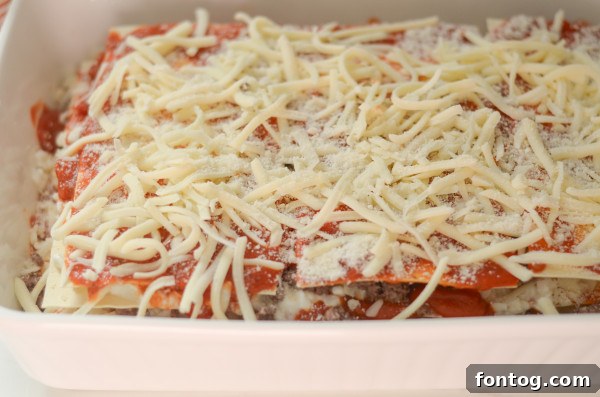
Preparing Your Ingredients for Optimal Flavor
Before you even begin to layer your lasagna, some foundational steps ensure maximum flavor development. Start by browning your ground beef in a medium-sized skillet over medium-high heat. As the meat cooks, infuse it with aromatic flavors by adding a generous amount of Italian seasoning and garlic salt. These simple seasonings elevate the beef from plain to profoundly savory, creating a robust base for your lasagna. Once cooked, thoroughly drain any excess grease from the meat to prevent a watery lasagna.
The Art of Cheese Selection and Preparation
For the ultimate melty, gooey cheese experience, we highly recommend using a block of mozzarella cheese and grating it by hand. Pre-shredded mozzarella often contains anti-caking agents that can hinder its melting capability, resulting in a less smooth, less satisfying texture. Freshly grated mozzarella melts beautifully, creating those irresistible cheese pulls.
Alongside the mozzarella, you’ll incorporate grated Parmesan cheese for its sharp, salty notes and, of course, the cottage cheese. These three cheeses work in harmony to create a delicious and textured filling that defines a great lasagna. They will be generously layered between the pasta noodles, ensuring every bite is packed with cheesy goodness.
Building the Layers: A Step-by-Step Guide
The layering process is where your lasagna truly comes to life. After each layer of noodles and cheese, a dollop of marinara sauce is added. This not only provides moisture for the oven-ready noodles to cook but also infuses the dish with rich tomato flavor. For this recipe, we typically achieve three substantial layers, distributing about one-third of the ingredients evenly across each. Remember to start with a thin layer of marinara sauce at the very bottom of your baking dish to prevent the first layer of noodles from sticking and to kickstart their softening process. The final layer will be crowned with the remaining gluten-free lasagna noodles, sauce, and cheese, ready for baking.
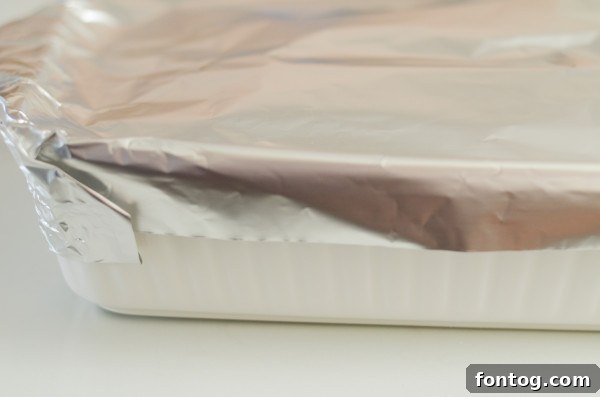
Achieving Perfect Baked Lasagna: The Baking Process
Once assembled, cover the entire dish tightly with aluminum foil. This crucial step traps steam, helping the noodles cook evenly and preventing the top from drying out or burning. Bake the covered lasagna for approximately 30 minutes in a preheated oven.
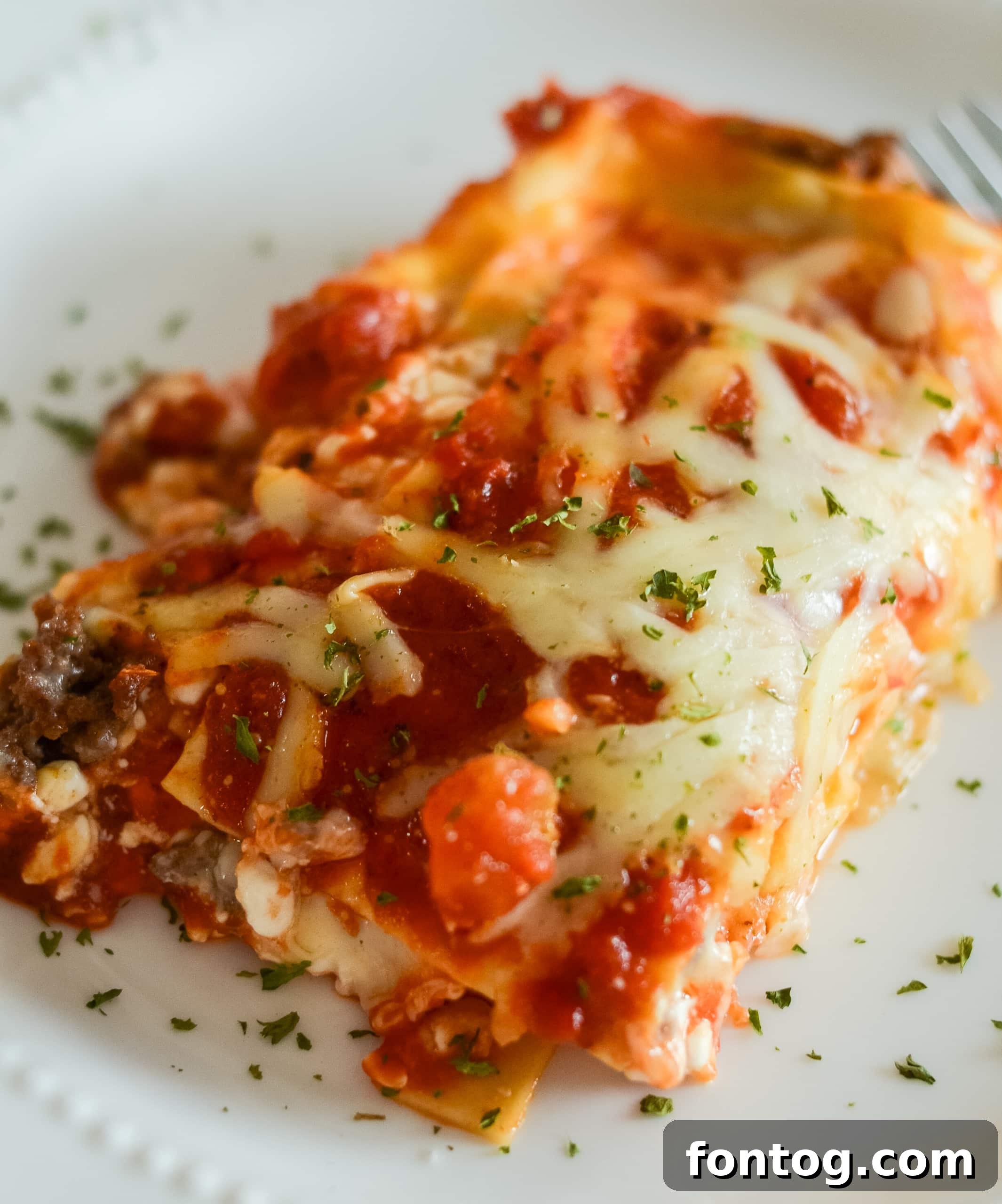
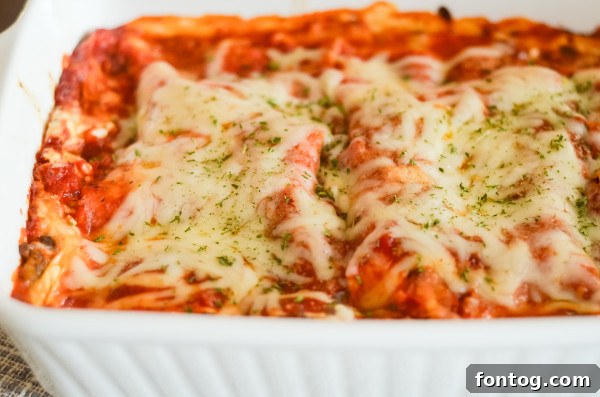
After the initial baking period, carefully remove the foil. You might notice some of the top pasta noodles aren’t fully submerged in the liquid; this is normal. Gently use a spoon or fork to press these noodles down into the sauce, ensuring they can absorb moisture and cook through. Once satisfied that the noodles are adequately submerged, return the dish to the oven, uncovered, for an additional 10-15 minutes. This final uncovered bake allows the cheese on top to become beautifully golden brown and bubbly, and the pasta to reach its ideal tenderness. The result is a lasagna with a perfectly melted cheese crust and soft, flavorful noodles throughout.
Feel free to sprinkle additional garlic salt or Italian seasoning over the top before or after baking, according to your taste preferences. For those who own a multi-cooker, you might also enjoy exploring a Ninja Foodi Lasagna option!
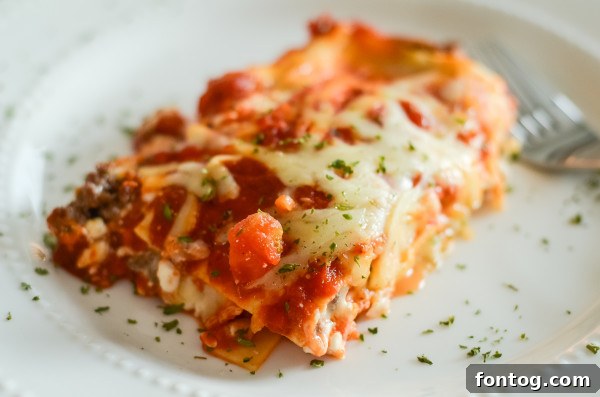
Storing and Enjoying Leftover Lasagna
Refrigerator Storage
Lasagna is one of those magical dishes that often tastes even better the next day! Any leftover lasagna can be stored in an airtight container in the refrigerator for 3-4 days. To reheat, simply place a serving on a microwave-safe plate and microwave for about 2 minutes, or until thoroughly heated through. This ensures a quick and delicious meal any time you need it.
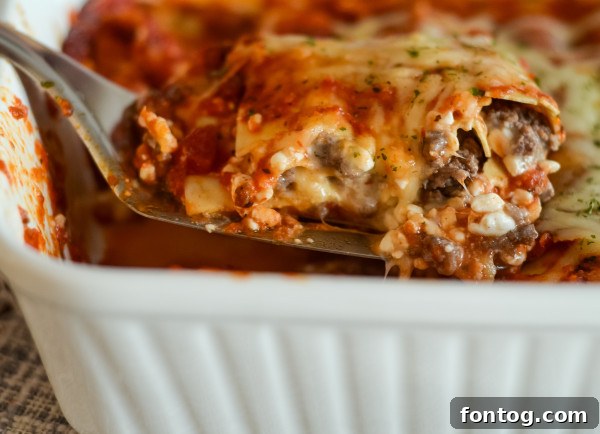
Indeed, there’s something about the flavors melding overnight that makes leftover lasagna a truly exceptional treat.
Freezer Storage for Future Feasts
This versatile lasagna recipe is also highly freezer-friendly, offering a convenient make-ahead meal solution. You have a couple of options for freezing:
- **Uncooked Freezer Meal:** Prepare the lasagna in a freezer-safe dish, following all assembly steps but without baking. Cover it securely first with plastic wrap, then with aluminum foil. Place the entire uncooked lasagna in the freezer. When you’re ready to enjoy it, transfer it to the refrigerator to thaw for 1-2 hours before proceeding with the baking instructions as outlined in the recipe. This method often yields the best texture upon reheating, as the noodles cook fresh from a thawed state.
- **Cooked Leftover Storage:** If you only have leftover cooked lasagna to store, transfer individual portions into freezer-safe containers. These can be stored in the freezer for up to 3 months. However, be mindful that already-cooked lasagna may have a slightly softer or mushier texture when reheated from frozen. For the most optimal texture, the uncooked freezer method is generally preferred.
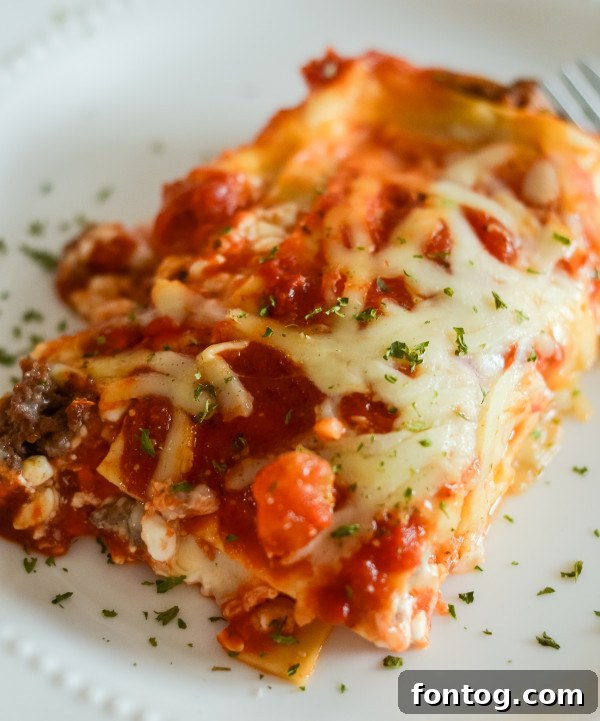
Regardless of the freezing method, aim to consume your frozen lasagna within 3 months for the best quality and flavor. A perfect accompaniment to this dish is Gluten-Free Garlic Bread – a match made in culinary heaven!
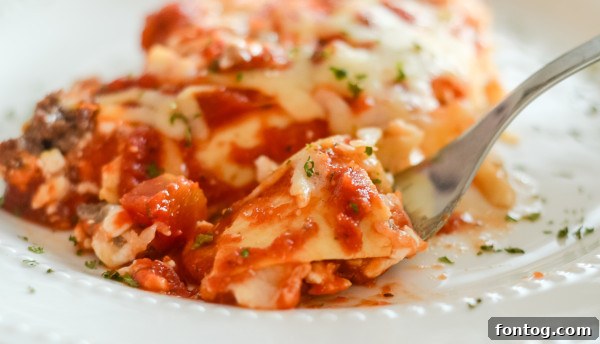
Lasagna truly embodies the essence of comfort food, and the ability to make it gluten-free opens up this beloved dish to even more people. This particular recipe consistently receives rave reviews from our family, especially the kids, and its adaptability means you can tweak it to perfectly suit your personal taste. If you enjoy this, you’ll also adore our Ravioli Lasagna, which can also be effortlessly prepared as a gluten-free meal!
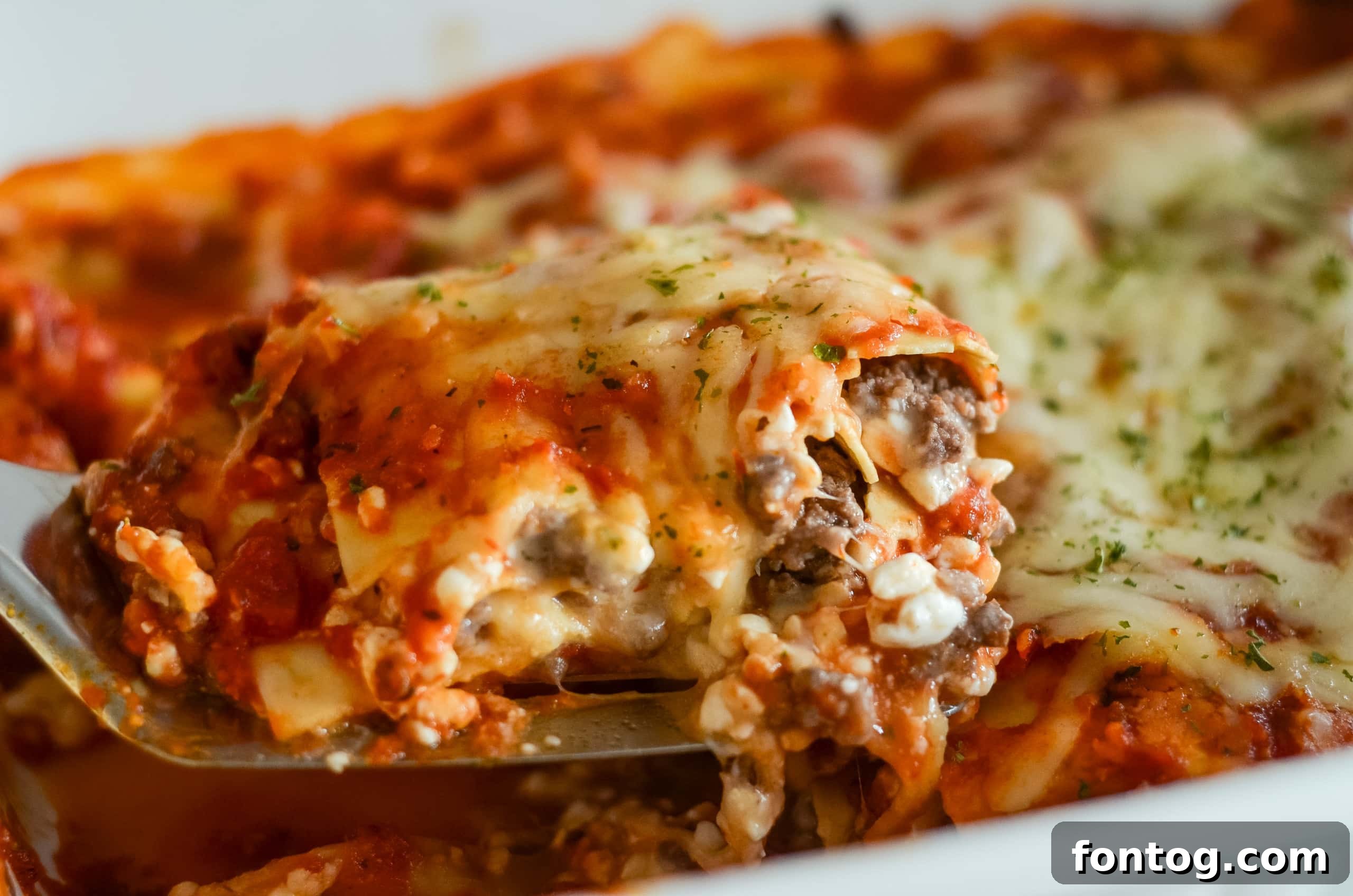
Gluten Free Baked Lasagna
Course Main Course
Cuisine American
Servings 8 Servings
Pin Recipe
Prep Time 20 mins
Cook Time 40 mins
Total Time 1 hr
Ingredients
- 1 Pound Lean Ground Beef
- 1/2 tsp Garlic Salt
- 1 tsp Gluten-Free Italian Seasoning
- 12 oz Gluten-Free Oven Ready Lasagna Noodles
- 24 oz Cottage Cheese
- 24 oz Marinara Sauce or Meat Sauce
- 2 Cups Shredded Mozzarella Cheese
- 1 Cup Grated Parmesan Cheese
- Garlic Salt to Garnish
- Italian Seasoning to Garnish
Instructions
-
Preheat the oven to 375°F (190°C).
-
Start by cooking the ground beef in a medium-sized skillet on medium-high heat. Add in the garlic salt and Italian seasoning, breaking up the meat as it browns.
-
Carefully remove the cooked meat from the skillet and drain any excess fat.
-
Lightly coat a 9×13 inch casserole dish or lasagna pan with nonstick cooking spray.
-
Add about 1/2 cup of marinara sauce to the bottom of the prepared dish, spreading it evenly. Then, arrange a single layer of gluten-free oven-ready lasagna noodles. If using Barilla gluten-free noodles, this typically means about 3 noodles, as they will expand slightly during cooking.
-
Evenly top the noodles with one-third of the cottage cheese, shredded mozzarella, grated Parmesan cheese, and the seasoned ground beef. These ingredients will be divided to create three distinct layers.
-
Add another layer of lasagna noodles (approximately 3 gluten-free noodles). Top this layer with about 1/2 cup of sauce.
-
Repeat the cheese and meat layer (using another one-third of the cottage cheese, mozzarella, Parmesan, and ground beef). Follow with a final layer of lasagna noodles and the remaining sauce.
-
After the final noodle layer, top the lasagna with any remaining sauce and cheese. If desired, add a dash of garlic salt and Italian seasoning on top for extra flavor.
-
Cover the dish tightly with aluminum foil and bake in the preheated oven for 30 minutes.
-
After 30 minutes, carefully remove the foil from the dish. If any top noodles appear dry or not submerged in liquid, gently press them down with a fork or spoon.
-
Continue to cook the lasagna uncovered for an additional 10-15 minutes, or until the top is nicely golden brown and the cheese is bubbly and melted.
-
Carefully remove the lasagna from the oven and let it cool for 5-10 minutes before slicing and serving. This allows the layers to set, making it easier to serve.
Notes
This recipe is crafted using Cottage Cheese as a substitute for Ricotta, offering a delicious and often lighter alternative.
We recommend Barilla Gluten-Free Lasagna Noodles for this recipe. Please note that the exact number of noodles needed per layer may vary depending on the brand and size of gluten-free noodles you choose.
This recipe specifically calls for oven-ready lasagna noodles. If you opt for any other type of pasta (e.g., traditional noodles that require pre-boiling), the cooking and baking times will need to be adjusted accordingly.
Nutrition
Did you make this recipe?
Make sure to tag #mommyhatescooking on Instagram and follow for more @momhatescooking
Pin Recipe
Share on Facebook