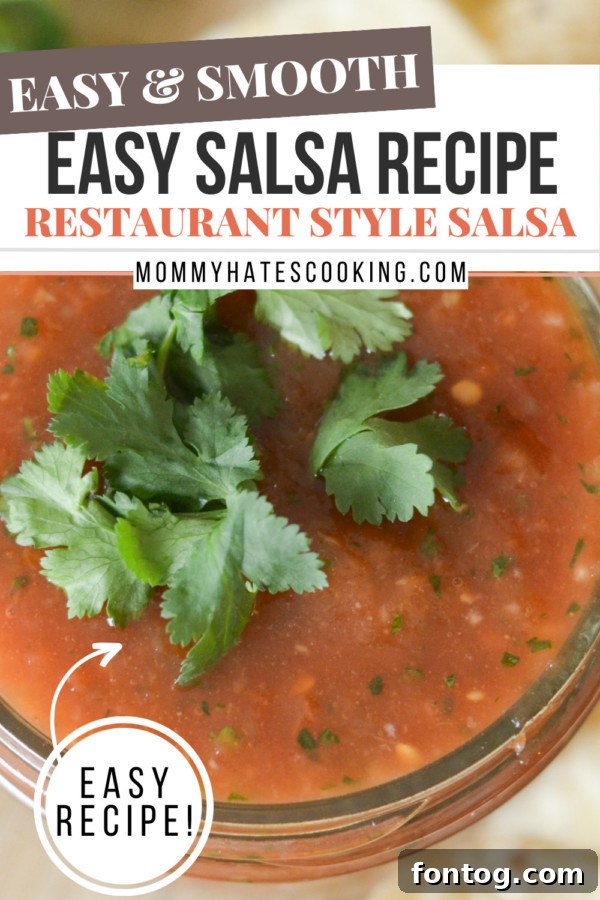
Elevate Your Snack Game: Crafting the Perfect Restaurant Style Salsa at Home
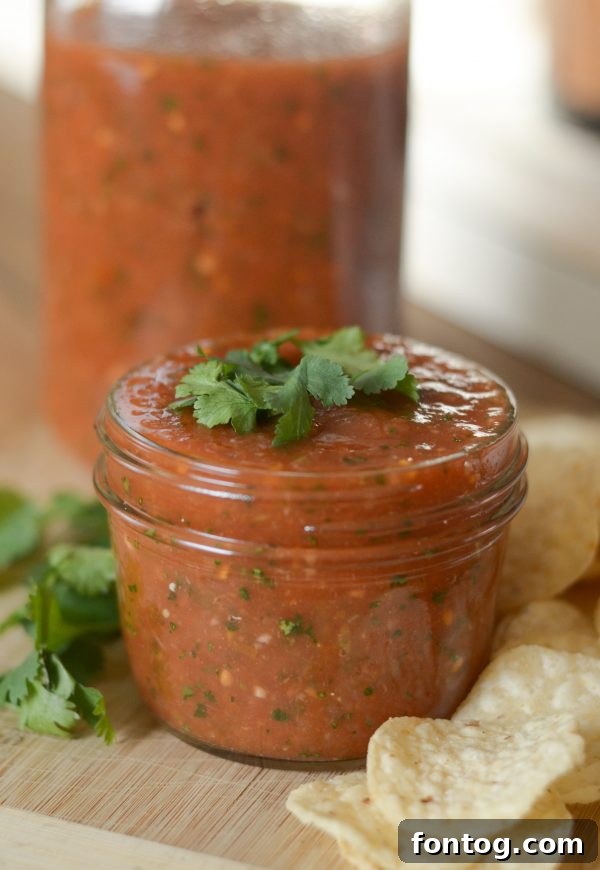
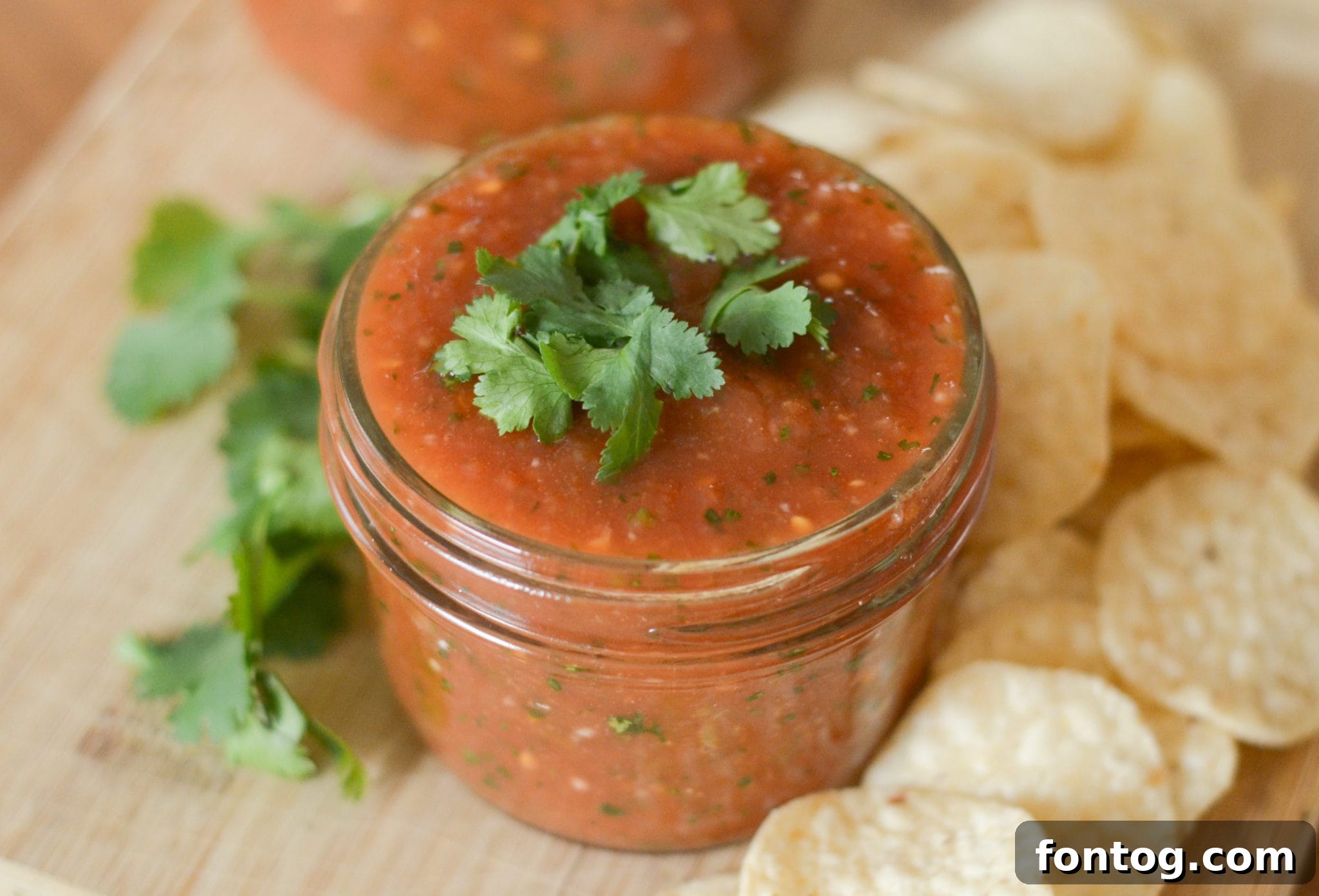
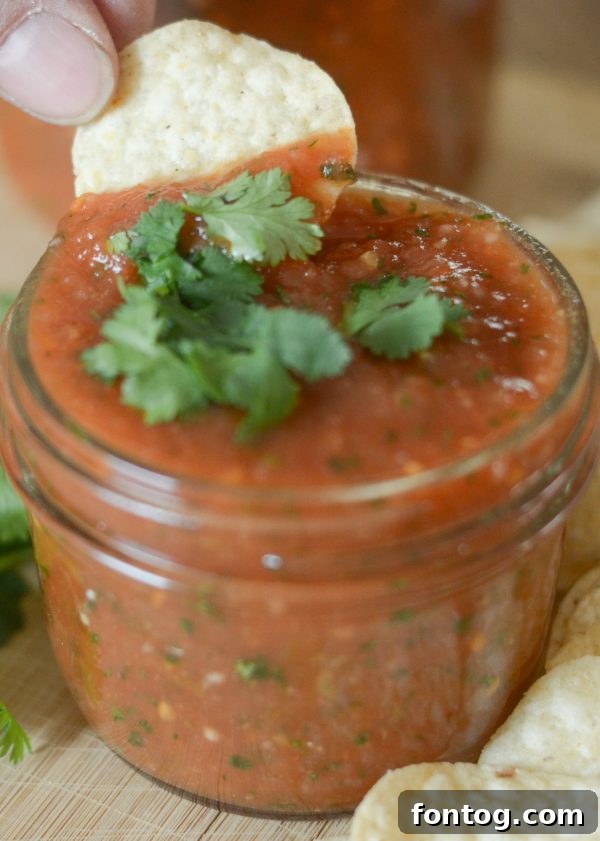
There’s nothing quite like the experience of settling down at your favorite Mexican restaurant, the air filled with tantalizing aromas, and before your main course even arrives, a basket of warm, crispy tortilla chips accompanied by a vibrant bowl of smooth, flavorful salsa appears on your table. That irresistible, slightly spicy, perfectly balanced dip often sets the tone for the entire meal. While my Homemade Chunky Salsa has its devoted fans, my husband, like many, has a particular fondness for that velvety smooth, restaurant-style version. Driven by a desire to bring that authentic taste and texture home, I embarked on a mission to adapt my beloved chunky recipe into a silky-smooth delight. The result? A homemade salsa so delicious, it rarely lasts more than a day in our fridge!
Making your own salsa from scratch is not only incredibly easy but also incredibly rewarding. It allows for complete control over the ingredients, ensuring freshness and the ability to customize it exactly to your family’s preferences. Whether you like it mild, medium, or fiery hot, achieving that perfect balance of flavors and heat is entirely in your hands. This guide will walk you through the simple steps to create a restaurant-quality salsa that will undoubtedly become a staple in your kitchen.
The Art of Homemade Restaurant Style Salsa: Simplicity Meets Flavor
The secret to replicating that distinct restaurant-style salsa lies in a few key ingredients and one essential kitchen tool: a food processor. This humble appliance transforms simple produce into a smooth, pourable, and utterly addictive dip. Forget spending a fortune on store-bought alternatives; homemade salsa is not only more economical but also bursting with a freshness that mass-produced versions simply cannot match.
Essential Ingredients for an Authentic Taste
Our recipe typically calls for canned peeled whole tomatoes. These are a fantastic pantry staple, offering consistent flavor and convenience year-round. They also provide a good amount of juice, which is crucial for achieving the desired consistency. However, if you have access to fresh, ripe garden tomatoes, they can certainly be used! If opting for fresh tomatoes, you might find that you need to add a splash of water during the blending process to reach the ideal liquidity, as fresh tomatoes can vary greatly in juiciness. We recommend starting your food processor with the tomatoes and other ingredients, then gradually adding water until the texture is just right. Peeling fresh tomatoes is a matter of preference; it contributes to a smoother final product but isn’t strictly necessary if you don’t mind a few flecks of skin.
Here’s what you’ll need to gather to create this culinary masterpiece:
- Peeled Whole Tomatoes: Canned (28 oz can with juice) for convenience and consistent texture, or fresh garden tomatoes for peak seasonal flavor. If using fresh, consider a quick blanch to peel them for a truly smooth salsa.
- Green Chilies: A 4 oz can of chopped green chilies provides a mild, smoky depth without overwhelming heat. Anaheim or poblano peppers are fresh alternatives if you prefer.
- White Onion: A quarter cup of chopped white onion adds a crisp, sharp base note. Red onion can also be used for a slightly sweeter, milder flavor.
- Garlic: One clove of crushed fresh garlic is a must for that authentic savory kick. Don’t skimp on fresh garlic; it makes all the difference!
- Sugar: Just a quarter teaspoon of sugar may seem unusual, but it’s a brilliant trick to balance the acidity of the tomatoes and enhance the overall sweetness of the vegetables. It doesn’t make the salsa sweet, but rather harmonizes the flavors.
- Salt: A quarter teaspoon to start, then adjust to taste. Salt is crucial for bringing out all the other flavors.
- Cumin: A quarter teaspoon of ground cumin adds an earthy, warm spice that is characteristic of Mexican cuisine.
- Cilantro: Half a cup of fresh chopped cilantro is non-negotiable for its bright, fresh, and slightly citrusy notes. Use the leaves and tender stems for maximum flavor.
- Lime: The juice of one fresh lime adds a necessary tangy zest that brightens the entire salsa, making it incredibly refreshing.
- Jalapeno (Optional): For those who crave heat, a fresh jalapeno (or two!) is your best friend. We’ll discuss how to incorporate it for different spice levels.
Mastering the Heat: How to Make Spicy Salsa
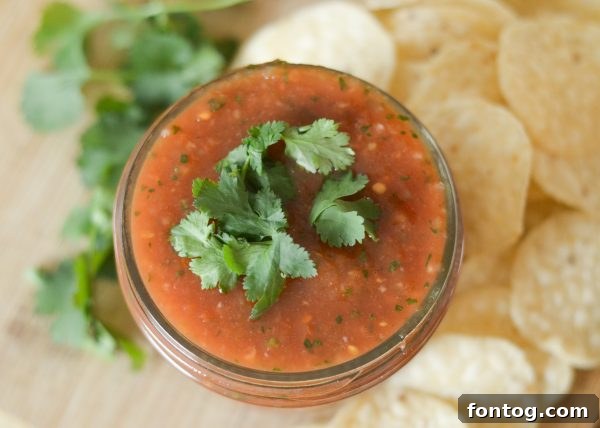
If you’re a fan of salsa with a kick, adjusting the spice level is incredibly simple. The easiest way to add heat is by incorporating fresh jalapeno peppers. For a milder spice, you can remove the seeds and membranes before adding the jalapeno to the food processor. These parts contain the highest concentration of capsaicin, the compound responsible for a pepper’s heat. If you enjoy a robust heat, leave some or all of the seeds and membranes intact. Garden-fresh jalapenos can be particularly potent, so it’s always best to start with one, blend, taste, and then add more if you desire a higher level of spice. For those who dare to go hotter, consider adding serrano peppers, which are generally spicier than jalapenos, or even a tiny amount of a habanero for extreme heat (use with caution!). A dash of cayenne pepper can also be blended in for an extra layer of warmth.
The Unsung Hero: Why a Food Processor is Your Best Friend
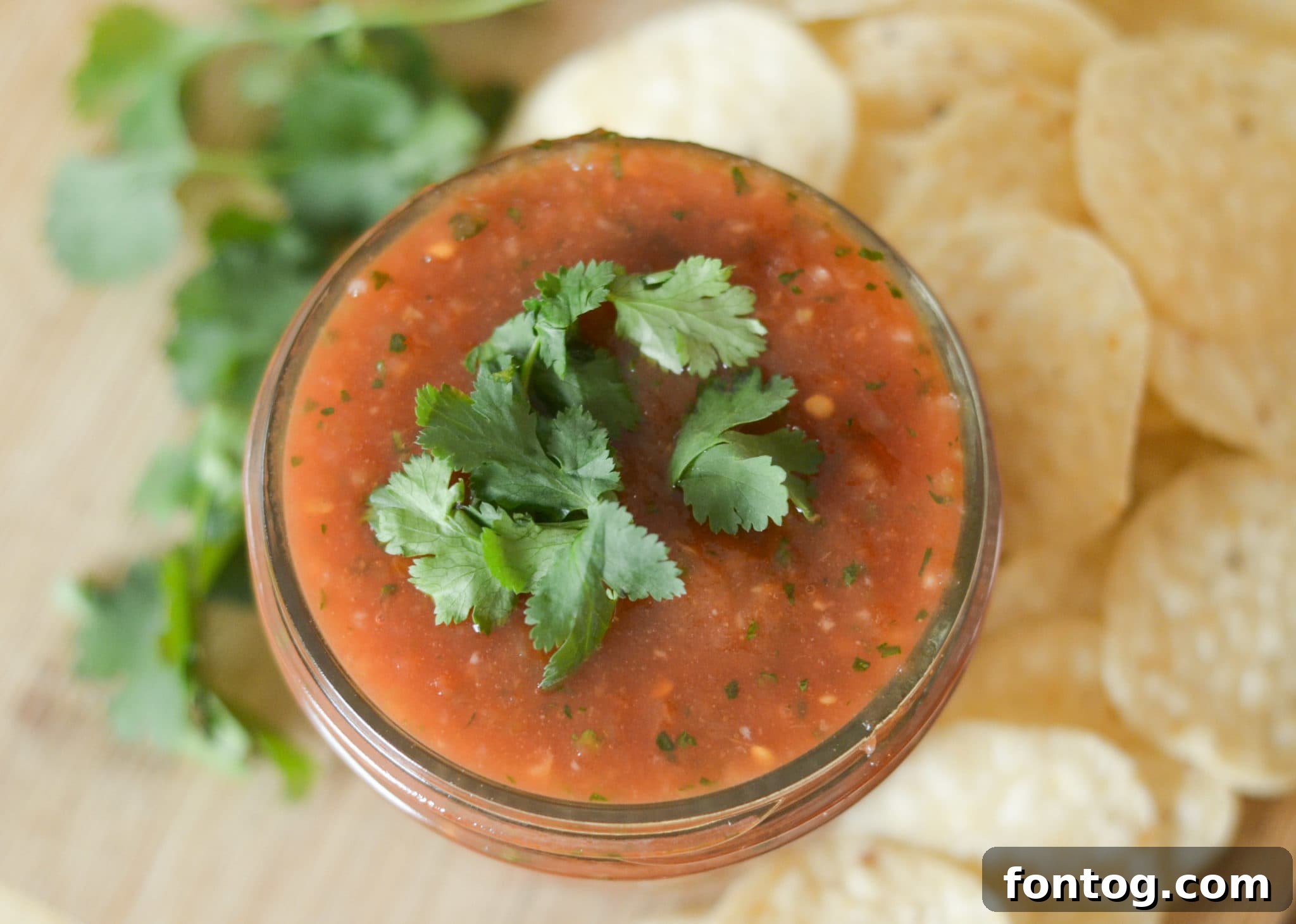
The distinction between chunky salsa and smooth, restaurant-style salsa boils down to one crucial piece of equipment: the food processor. This powerful kitchen tool is what effortlessly transforms all the fresh ingredients into that silky-smooth consistency we all adore. Its blades work quickly to finely chop and puree, achieving a uniform texture that would be nearly impossible to get by hand.
While you certainly *can* make salsa without a food processor, by meticulously hand-chopping or using a blender, the results will differ. Hand-chopping will yield a more rustic, chunky texture, which is delicious in its own right but not the smooth experience we’re aiming for. A regular blender can work, but you’ll need to be careful not to over-process, which can turn your salsa frothy or watery. The pulsing function of a food processor gives you superior control, allowing you to gradually achieve your desired smoothness without liquefying the ingredients.
With a food processor, all the ingredients are simply tossed in and then pulsed until they reach a beautifully smooth and uniform consistency. It’s quick, efficient, and guarantees that authentic restaurant-quality texture every time. So, if you’re serious about your salsa, a food processor is an investment you won’t regret.
Beyond the Recipe: Tips for the Best Homemade Salsa
Making great salsa is more than just following steps; it’s about understanding the nuances that elevate a good dip to an extraordinary one. Here are some pro tips to ensure your homemade restaurant-style salsa is always a hit:
- Taste and Adjust: This is perhaps the most important tip. After the initial blending, always taste your salsa. Does it need more salt? More lime? A pinch more sugar to cut the acidity? Is it spicy enough? Adjust as needed until it perfectly suits your palate.
- Let it Rest: While you can eat your salsa immediately, the flavors truly meld and deepen after resting in the refrigerator for at least an hour, or even better, overnight. This allows all the individual ingredients to harmonize, resulting in a more complex and satisfying taste.
- Chill for Best Flavor: Serve your salsa chilled. The cool temperature enhances the fresh flavors and provides a refreshing contrast, especially if it’s on the spicier side.
- Quality Ingredients Matter: Since salsa is primarily made from fresh ingredients, the quality of those ingredients directly impacts the final flavor. Use ripe, flavorful tomatoes, fresh garlic, and vibrant cilantro.
- Don’t Over-Process: While we want a smooth salsa, be mindful not to turn it into a watery puree. Use the “pulse” function on your food processor in short bursts until you reach the desired consistency. You want it smooth but still with a little body.
Serving Suggestions: More Than Just Chips
While warm tortilla chips are the quintessential pairing for restaurant-style salsa, don’t limit yourself! This versatile dip can elevate countless dishes:
- Tacos and Burritos: A generous dollop of fresh salsa is essential for any taco night or burrito bowl.
- Eggs: Spice up your breakfast! Spoon it over scrambled eggs, omelets, or huevos rancheros.
- Grilled Meats: Use it as a vibrant topping for grilled chicken, fish, or steak. Its acidity and freshness cut through rich flavors beautifully.
- As a Marinade: A quick marinade for chicken or pork can benefit from the flavors in this salsa.
- Salad Topping: A spoonful can add a burst of flavor to a simple green salad.
- Quesadillas: Serve it alongside cheesy quesadillas for dipping.
Now that you’re armed with all the knowledge, are you ready to whip up this incredible dip and pair it with some tasty chips or maybe even warm, soft tortillas? We promise, once you try this homemade restaurant-style salsa, you’ll find yourself reaching for it again and again. Enjoy every delicious, smooth bite!
More Salsa Recipes to Explore:
-
Best Smoked Salsa (Pellet Grill Recipe)
Discover a unique and delicious twist on classic salsa with our recipe for smoked salsa, perfect for your pellet grill!
-
Easy Gluten-Free Fruit Salsa Recipe
For a sweet and refreshing alternative, try this delightful gluten-free fruit salsa, perfect for desserts or a light snack.
★
★
★
★
Kristy Still
Restaurant Style Salsa
Make a delicious smooth Restaurant Style Salsa in minutes! Perfect for dipping or as a vibrant topping.
Prep Time
10 mins
Cook Time
10 mins
Total Time
20 mins
Ingredients
- 28 oz Can of Peeled Whole Tomatoes with Juice
- 4 oz Can of Green Chilies Chopped
- 1/4 Cup White Onion Chopped
- 1 Clove of Garlic Crushed
- 1/4 Tsp Sugar
- 1/4 Tsp Salt
- 1/4 Tsp Cumin
- 1/2 Cup Cilantro Chopped
- 1 Lime
- Optional: Red or Green Jalapeno Peppers
Instructions
-
In a food processor, combine the peeled whole tomatoes (with their juice), green chilies, chopped white onion, crushed garlic clove, sugar, salt, cumin, and fresh cilantro.
-
Cut the lime in half and squeeze its fresh juice directly over the ingredients in the food processor.
-
If you are using fresh jalapeno peppers for added heat, add them at this point. Remember to remove seeds and membranes for milder spice, or leave them in for more intensity.
-
Secure the lid and pulse the ingredients in your food processor until they are well pureed and reach a smooth consistency, typical of restaurant-style salsa. Be careful not to over-process.
-
Taste and adjust seasoning as needed. This recipe typically yields about 4-6 cups of delicious salsa, enough to fill a large wide-mouth canning jar. For best flavor, chill for at least an hour before serving.
Nutrition
Calories: 10kcal |
Carbohydrates: 2g |
Sodium: 20mg |
Sugar: 2g
Did you make this recipe?
Make sure to tag #mommyhatescoooking on Instagram and follow for more @momhatescooking
Pin Recipe
Share on Facebook