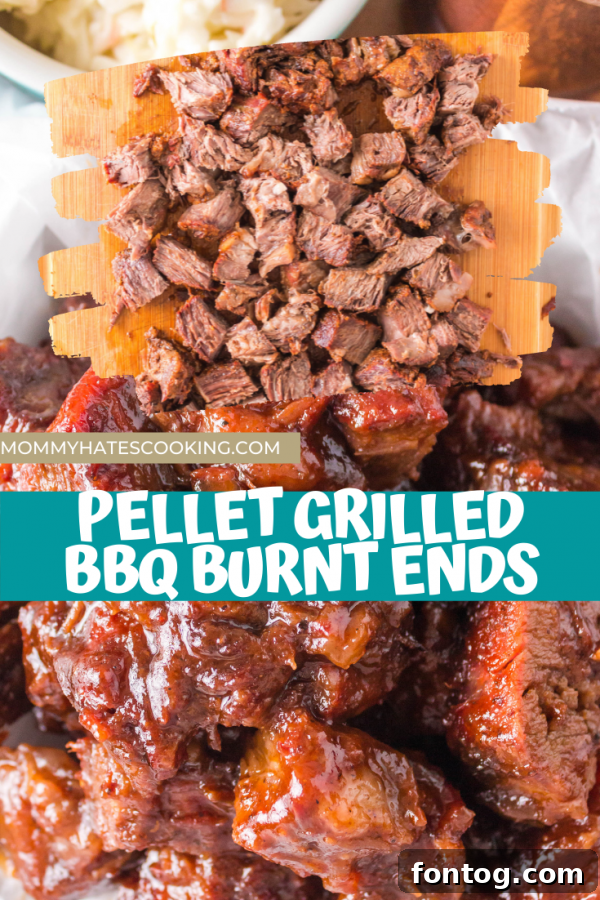
Mastering Pellet Grill BBQ Burnt Ends: A Comprehensive Guide to Smoky, Tender Perfection
If the irresistible aroma of slow-smoked meats and the promise of melt-in-your-mouth barbecue call to you, then you’re in for a treat with this ultimate guide to crafting the best BBQ Burnt Ends on your Pellet Grill. While traditionally made from brisket, we’re diving into a deliciously accessible version using chuck roast that promises an equally satisfying, rich flavor and tender texture. Whether you’re a seasoned pitmaster or just starting your smoking journey, this recipe and comprehensive guide will equip you with all the knowledge to achieve barbecue perfection in your backyard.
What Exactly Are Burnt Ends?
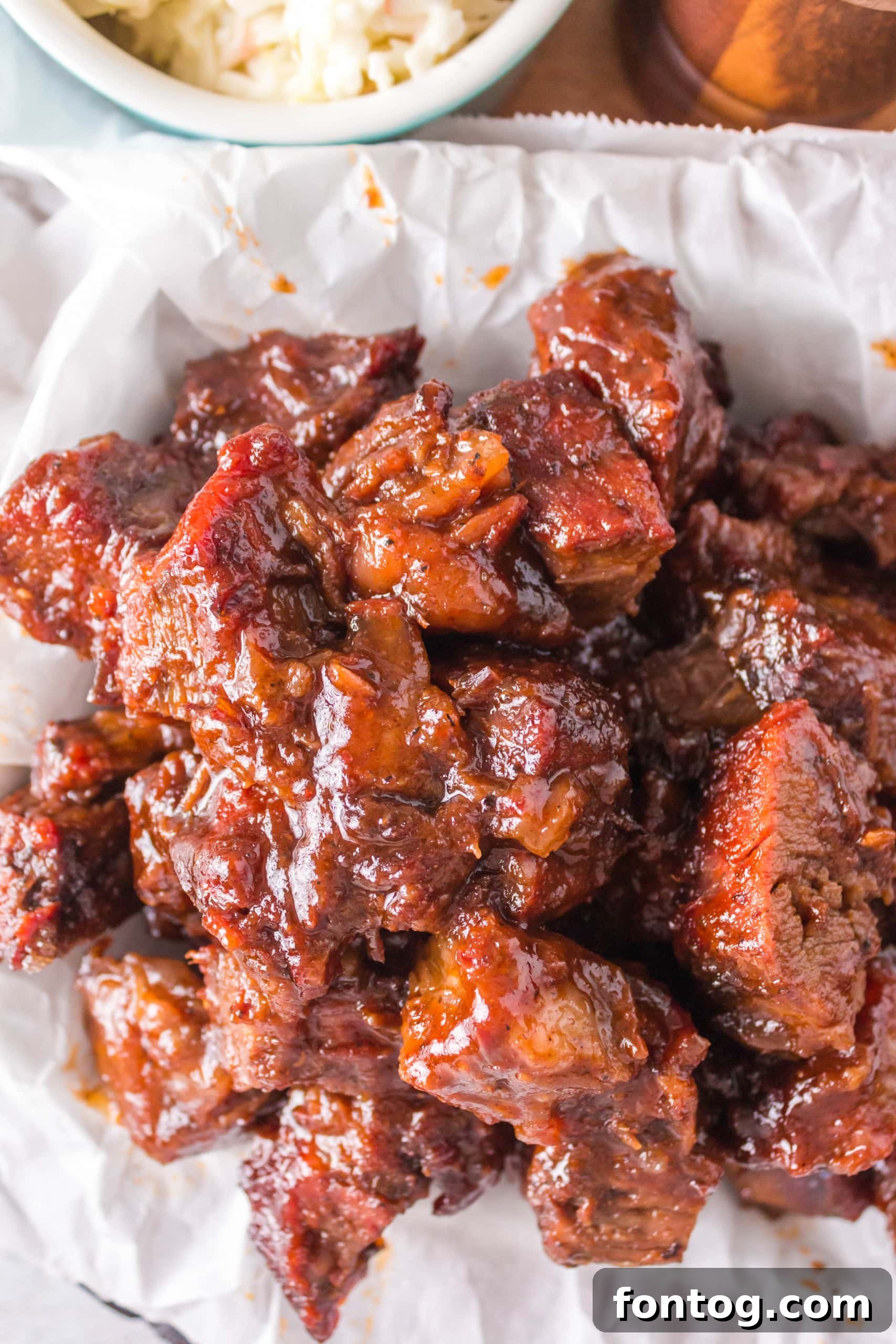
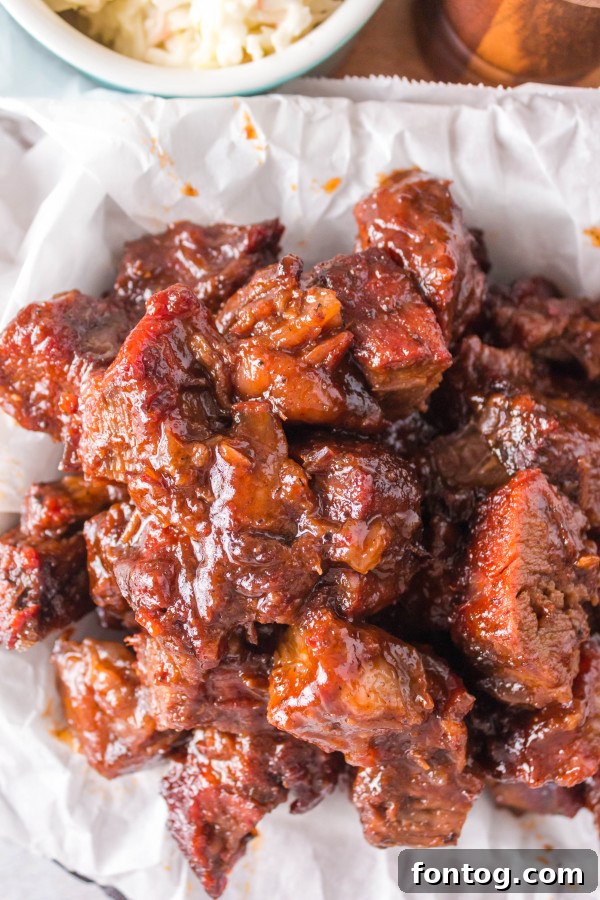
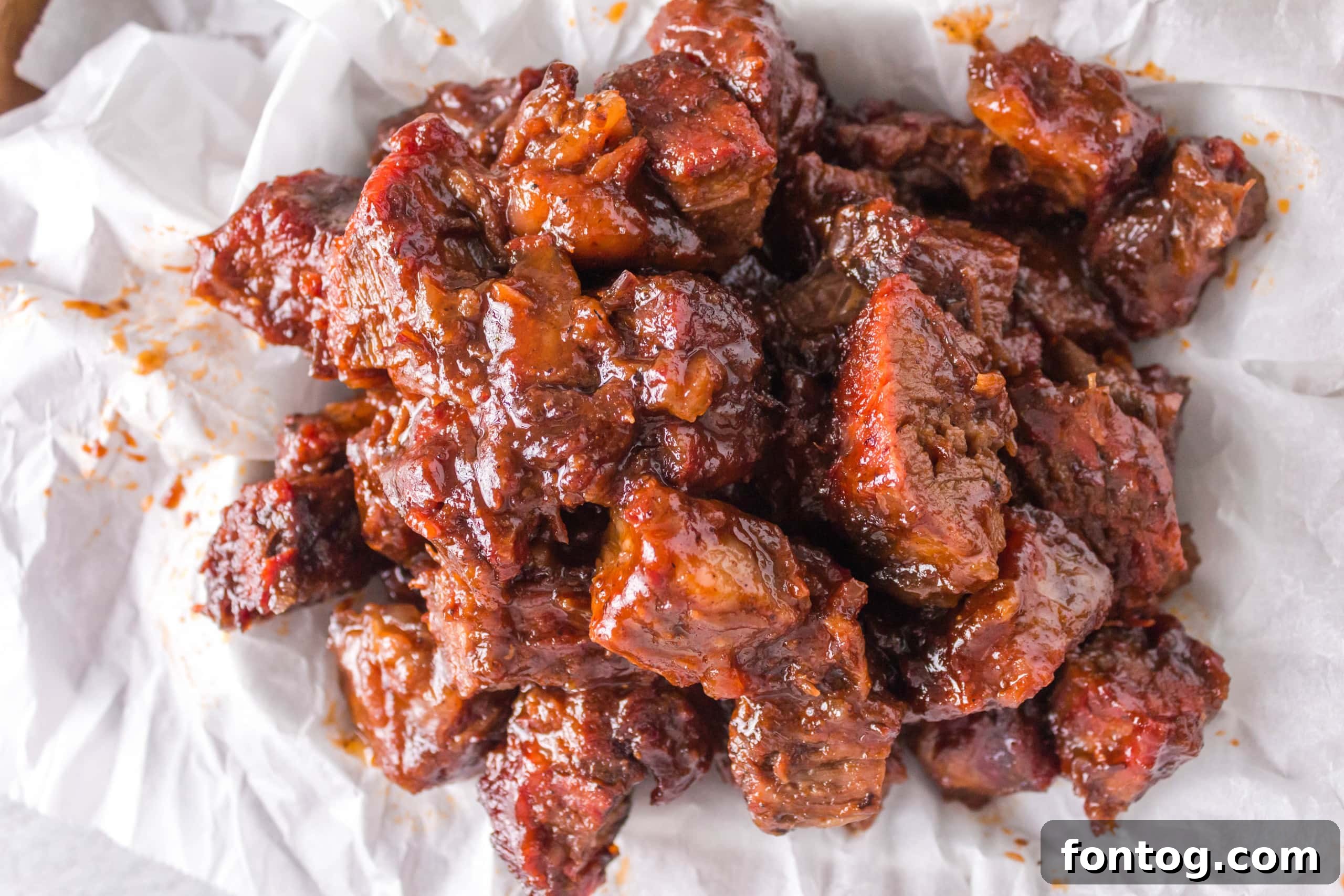
Burnt Ends are a revered delicacy in the world of barbecue, celebrated for their unique combination of smoky flavor, caramelized bark, and incredibly tender, juicy interior. Originating from Kansas City, these succulent morsels were traditionally cut from the “point” end of a smoked brisket, which is the fattier, marbled section. After the brisket is smoked, the point is often separated from the leaner “flat,” cubed, and then returned to the smoker for a second round of cooking, often tossed in barbecue sauce and brown sugar. This secondary smoke bath and saucing process gives them their signature “burnt” or caramelized exterior and intensifies their flavor, making them tiny explosions of BBQ goodness.
For this particular recipe, we’ll be using a chuck roast, which many affectionately refer to as “poor man’s burnt ends.” But don’t let the name fool you! While more economical and easier to source than a full brisket, chuck roast produces incredibly flavorful and tender burnt ends that rival their brisket counterparts. When cooked low and slow, the abundant connective tissue in a chuck roast breaks down into gelatin, creating a remarkably tender and moist cube of meat. It’s a fantastic alternative that offers a similarly rich, beefy flavor and luscious texture, perfect for satisfying your BBQ cravings without the extensive commitment a full brisket demands.
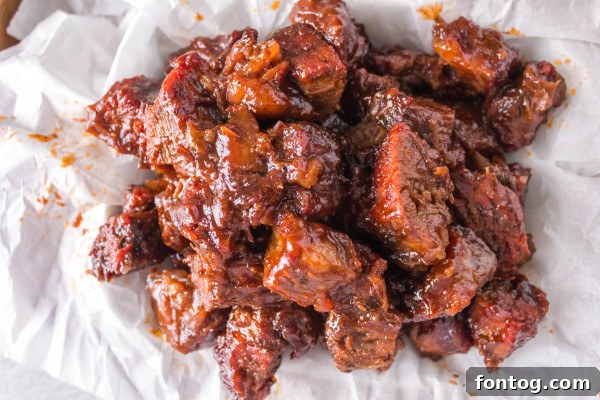
These bite-sized chunks are not only easy to eat but also incredibly versatile for serving. Each cube offers a burst of smoky, savory, and subtly sweet notes, encased in a delectable, slightly crisp exterior. The tenderness is paramount; they should literally melt in your mouth, a testament to the patient, low-and-slow cooking method that unlocks their full potential.
The pronounced smoky flavor is another hallmark of exceptional burnt ends, achieved through hours spent absorbing the aromatic essence of wood pellets. This deep, earthy smokiness layers beautifully with the robust beef flavor and the sweet, tangy notes of the barbecue sauce, creating a complex and utterly addictive profile.
Why Choose a Pellet Grill for Burnt Ends?
Pellet grills have revolutionized home smoking, offering a “set it and forget it” convenience that makes long cooks like burnt ends much more approachable. Here’s why they shine for this particular dish:
- Consistent Temperature Control: Pellet grills maintain incredibly stable temperatures, crucial for the long, low-and-slow cook required for tender burnt ends. This eliminates the constant monitoring and adjustment needed with traditional smokers.
- Even Smoke Distribution: The fan-assisted convection system circulates smoke evenly around the meat, ensuring consistent flavor penetration and bark formation on all sides.
- Flavor Versatility: With a wide array of wood pellets available, you can easily customize the smoke flavor. From robust hickory and oak to fruitier apple and cherry, the choice is yours to complement the beef.
- Ease of Use: Simply set your desired temperature, and the grill does the rest, feeding pellets automatically. This frees you up to enjoy your day while your burnt ends transform into smoky masterpieces.
Choosing and Preparing Your Chuck Roast for Burnt Ends
While brisket is the classic, chuck roast is a fantastic and forgiving cut for burnt ends. When selecting your chuck roast, look for a piece with good marbling – visible streaks of fat throughout the meat. This fat will render down during the long cooking process, adding immense flavor and contributing to that desirable melt-in-your-mouth tenderness. A roast weighing around 3-4 pounds is ideal for this recipe, offering a good balance of size and manageability.
Preparing the chuck roast starts the day before cooking. Patting the meat dry is a crucial first step, as it helps the mustard binder and dry rub adhere better, promoting the formation of a beautiful, flavorful “bark” during smoking. The yellow mustard acts as an excellent adhesive for the dry rub without imparting a strong mustard flavor to the final product. It simply helps the spices stick and creates a moist surface for the smoke to penetrate.
Tips for Making Pellet Grill BBQ Burnt Ends: From Prep to Plate
Crafting perfect burnt ends is a labor of love, requiring patience and attention to detail. Here are essential tips to guide you through the process:
1. Pellet Selection Matters for Flavor
The type of wood pellets you choose significantly influences the final flavor profile of your smoked burnt ends. While you can use any variety you prefer, experimenting with different woods can enhance your experience:
- Hickory: A classic choice for beef, delivering a strong, bacon-like smoke flavor.
- Oak: A medium, balanced smoke that pairs well with most meats, including beef.
- Cherry/Apple: Offer a milder, slightly sweet, and fruity smoke that can add a beautiful reddish hue to the meat’s bark.
- Mesquite: Intense and earthy, best used sparingly or blended for a bolder flavor.
- Blends: Many brands offer proprietary blends designed to complement beef or general BBQ, providing a harmonious mix of flavors.
Feel free to mix and match or stick to a single favorite. The key is to select a high-quality pellet that burns cleanly and consistently.
2. The Overnight Rub is Non-Negotiable
The actual preparation for these incredible burnt ends begins the day before you plan to cook them. This crucial step allows the dry rub to work its magic, penetrating the meat, enhancing flavor, and initiating the bark formation. After applying the mustard and generously coating the chuck roast with your homemade dry rub, wrap it tightly or place it in an airtight container (a 9×13 pan covered with foil or plastic wrap works perfectly). Let it rest in the fridge for a minimum of 12 hours, ideally overnight. This extended marination time is essential for maximum flavor development and tenderization.
3. Temperature Control and Monitoring are Key
Achieving perfectly tender and juicy burnt ends relies heavily on precise temperature management. Your pellet grill will need to be preheated to a steady 250°F (121°C). This low temperature is vital for breaking down the tough connective tissues in the chuck roast over several hours, transforming it into gelatin and rendering the fat. Throughout this long cooking process, a meat thermometer or probe is an absolute necessity. It allows you to accurately track the internal temperature of the meat, guiding you through each stage of the cook without guesswork. Do not rely solely on cooking time; internal temperature is your best indicator of doneness and texture.
4. The “Wet” Burnt Ends Method
This recipe specifically focuses on the “wet” version of burnt ends, which means they are cooked to be extra tender, juicy, and coated in a glorious BBQ sauce glaze. This method typically involves a second cook after the initial smoke, where the cubed meat is bathed in sauce, butter, and brown sugar, allowing them to caramelize and become intensely flavorful. The result is a richer, more succulent bite compared to a “dry” burnt end which relies solely on the rub for its crust.
5. Embrace the Patience of Low and Slow
Cooking burnt ends is a marathon, not a sprint. The initial smoking phase for the chuck roast will take approximately 4 hours to reach 150-160°F (65-71°C), but it could take longer depending on the specific cut and your grill. The subsequent wrapped phase to reach 190-205°F (88-96°C) will add several more hours. Don’t rush it. The low temperature and extended cooking time are what create the magic, breaking down tough fibers and allowing the smoke to deeply infuse the meat. Plan for an entire day of cooking, and enjoy the process!
6. Rest Your Meat!
Once the roast reaches its target internal temperature of 190-205°F (88-96°C), remove it from the grill and let it rest, still wrapped in foil, on a cutting board for at least 30 minutes. This resting period allows the juices to redistribute throughout the meat, ensuring every bite is incredibly moist. Skipping this step can lead to dry, less flavorful burnt ends.
7. Don’t Skimp on the Sauce
For the final “burnt” phase, your choice of BBQ sauce is critical. Use your favorite store-bought sauce, or for an unparalleled flavor, whip up this Homemade Barbecue Sauce. The combination of sauce, diced butter, and brown sugar during the second cook creates that irresistible sticky, sweet, and savory glaze that defines truly great burnt ends.
8. Leftovers are a Treat
If you’re lucky enough to have any leftovers, these burnt ends are incredibly versatile. They’re fantastic served in a salad, tossed with pasta, layered in sandwiches, or even folded into tacos. Store them in an airtight container in the fridge for 3-5 days to enjoy their deliciousness for days to come.
Essential Tools for Burnt Ends Success
While the recipe itself is straightforward, having the right equipment can make all the difference in your burnt ends journey:
- Pellet Grill or Smoker: As discussed, a pellet grill offers unparalleled ease and consistency. However, this recipe can be adapted for any charcoal or electric smoker with good temperature control.
- Quality Wood Pellets: The fuel for your smoke flavor. Invest in good quality pellets for the best results.
- Reliable Meat Thermometer: A leave-in probe thermometer is ideal for monitoring the meat’s internal temperature throughout the long cook without constantly opening the grill. An instant-read thermometer is also handy for quick checks.
- Heavy-Duty Aluminum Foil: Essential for wrapping the roast during the mid-cook phase (the “Texas Crutch”) to tenderize and retain moisture.
- Aluminum Pan: A disposable aluminum pan is perfect for the final “burnt” stage, as it contains the saucy goodness and allows for easy cleanup.
- Sharp Knife and Cutting Board: For preparing the chuck roast and cubing it perfectly.
Delicious Recipes to Serve with Burnt Ends: The Perfect Pairings
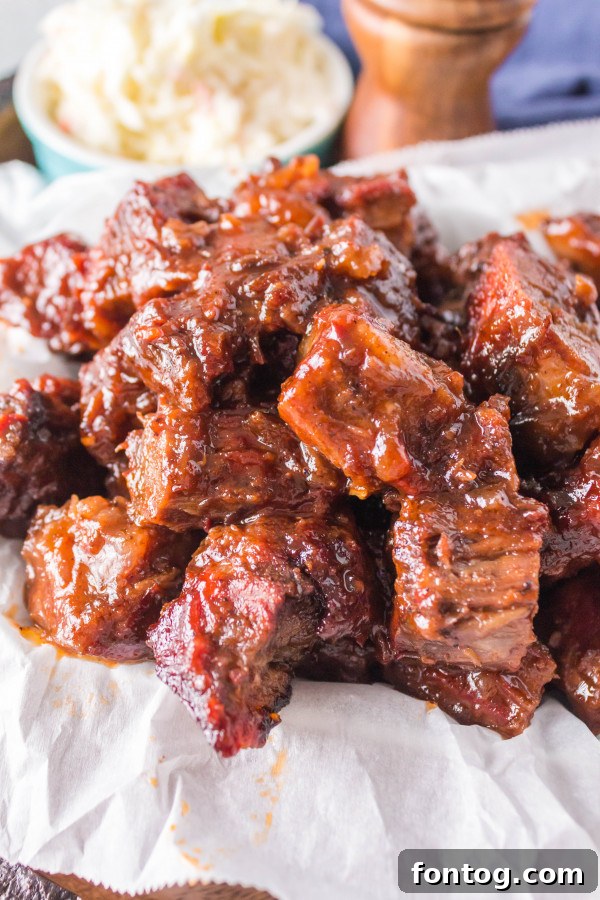
No barbecue feast is complete without the perfect supporting cast of side dishes. Here are some fantastic recipes that beautifully complement the rich, smoky flavors of your BBQ Burnt Ends:
- Broccoli Salad: A refreshing and crunchy counterpoint to the rich meat. Its creamy dressing, crisp broccoli, and often sweet and savory additions (like dried cranberries and bacon bits) provide a delightful texture and flavor contrast.
- Potato Salad: A quintessential BBQ side. The cool, creamy, and starchy nature of potato salad offers a comforting balance, soaking up any leftover barbecue sauce and providing a satisfying richness.
- Ninja Foodi Pasta Salad: A versatile and often tangy option, pasta salad can bring a zesty, herbaceous element that cuts through the richness of the burnt ends, making each bite feel fresh.
- Creamy Coleslaw: The crisp texture and tangy, sweet dressing of coleslaw make it an ideal palate cleanser between bites of savory meat.
- Baked Beans: A classic for a reason! Sweet and smoky baked beans echo the flavors of the burnt ends and add another layer of hearty goodness to your plate.
- Cornbread: Fluffy, slightly sweet cornbread is perfect for soaking up any extra sauce or simply enjoying alongside the meal.
More Pellet Grill Recipes to Explore
If you’re loving the ease and flavor of your pellet grill, don’t stop at burnt ends! Discover a whole world of delicious and straightforward recipes, from main courses and savory sides to delightful desserts, all perfectly suited for your pellet smoker. Expand your outdoor cooking repertoire and impress your family and friends with a variety of perfectly cooked dishes.
BBQ Burnt Ends
Pin Recipe
Ingredients
- 3 Pounds Chuck Beef Roast
- 3 Tbsp Yellow Mustard
Dry Rub
- 1 Tbsp Salt
- 1/2 Tbsp Ground Black Pepper
- 1 Tbsp Garlic Powder
- 1 Tbsp Onion Powder
- 1 Tsp Celery Seeds
- 1 Tsp Paprika
- 4 Tbsp Salted Butter, Diced
- 1 Cup BBQ Sauce, Divided (See Instructions)
- 1/3 Cup Light Brown Sugar
Instructions
Day Before Cooking:
- Place the chuck roast on a plate, then pat dry with a paper towel. This step is crucial for achieving a good bark.
- Coat the entire roast evenly with yellow mustard. This acts as a binder for the rub and helps with moisture retention.
- In a small mixing bowl, combine all the dry rub ingredients: salt, ground black pepper, garlic powder, onion powder, celery seeds, and paprika. Mix thoroughly.
- Generously sprinkle the mixed dry rub over all sides of the mustard-coated roast. Pat the rub down gently to ensure it adheres well to the meat.
- Place the seasoned roast in a plate or tray. For best results, wrap it in an airtight container, such as a 9×13 inch pan tightly covered with aluminum foil or plastic wrap.
- Refrigerate the roast overnight, or for at least 12 hours. This allows the flavors to meld and the rub to deeply penetrate the meat.
Day of Cooking:
- Prepare for a long cooking session, as this recipe typically requires 8 or more hours of dedicated time.
- Preheat your pellet grill or smoker to a stable 250°F (121°C). Ensure it reaches and holds this temperature before placing the meat inside.
- Once the grill is at temperature, place the chuck roast directly on the grates. Close the lid and smoke until the internal temperature of the roast reaches approximately 150-160°F (65-71°C). This usually takes about 4 hours, but always monitor with a meat thermometer.
- When the target temperature is achieved, remove the roast from the grill. Prepare a large piece of heavy-duty aluminum foil large enough to wrap the roast completely.
- Place the roast on the foil. Brush about 1/4 cup of your favorite BBQ sauce over the roast (pour a small amount into a separate dish to avoid cross-contamination, then discard any unused sauce). Scatter the diced salted butter evenly on top of the roast.
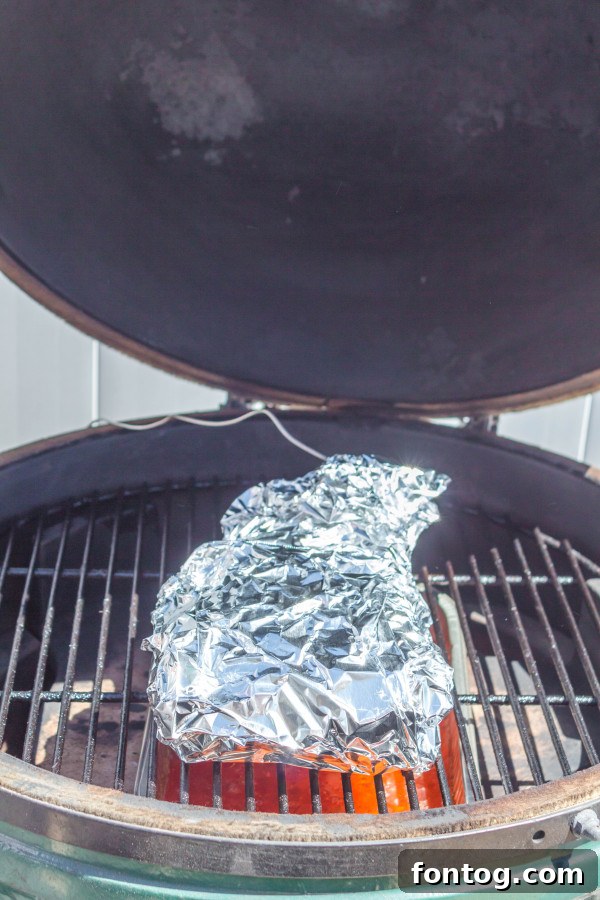
- Tightly wrap the chuck roast in the aluminum foil, creating a sealed packet. Return the wrapped roast to the grill/smoker.
- Continue cooking until the internal temperature of the meat reaches at least 190-205°F (88-96°C). This phase can take several more hours until the meat is fork-tender.
- Once the desired temperature and tenderness are reached, carefully remove the foil-wrapped roast from the grill. Let it rest on a cutting board for about 30 minutes to allow the juices to redistribute.
- While the meat rests, increase the temperature of your smoker or grill to 350°F (175°C).
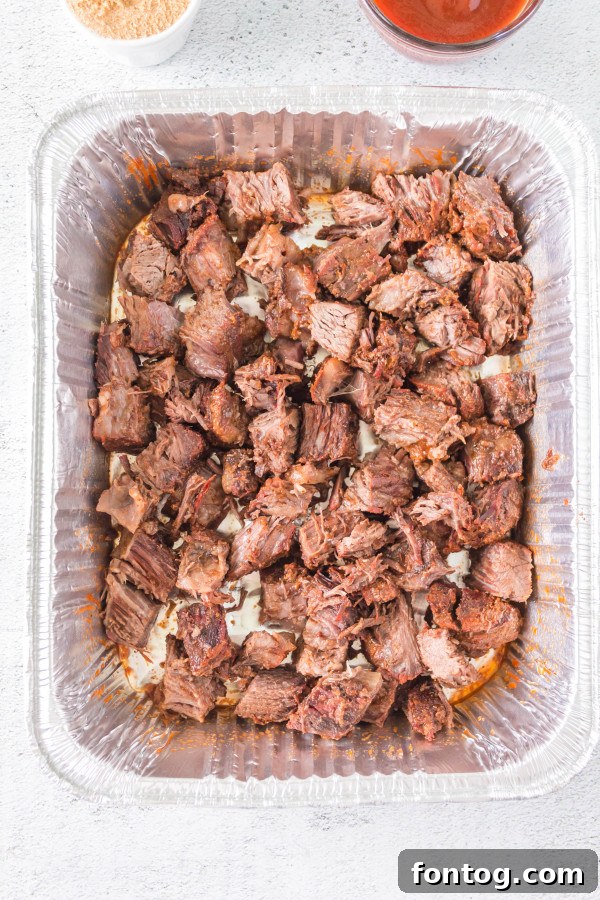
- Unwrap the rested roast carefully. Discard any liquid accumulated in the foil. Cut the roast into bite-sized cubes, approximately 3/4 inch (2 cm) in size.
- Transfer the cubed meat into a clean aluminum pan.
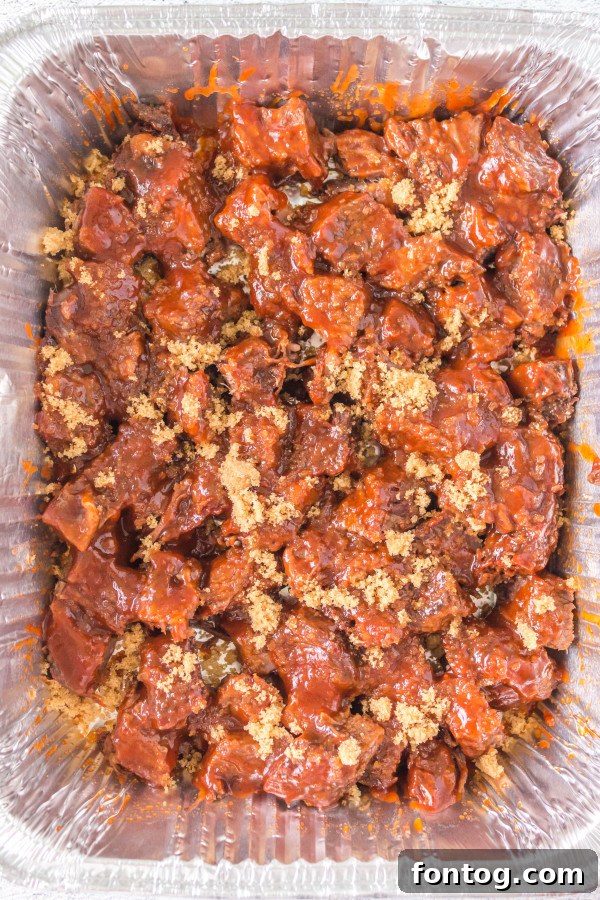
- Pour the remaining BBQ sauce over the cubed meat and sprinkle with the light brown sugar.
- Very carefully mix the sauce and brown sugar into the meat. The meat will be extremely tender, so mix gently to avoid shredding it.
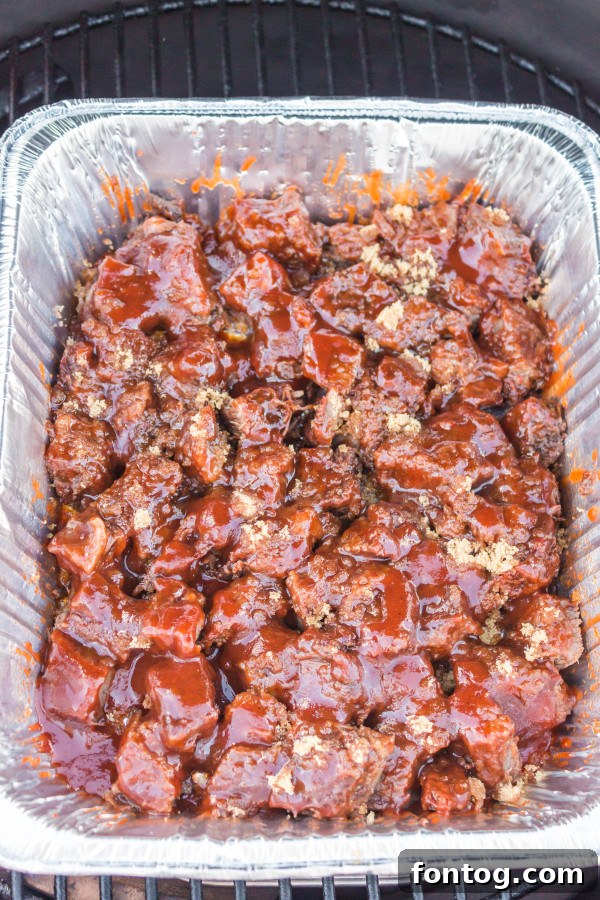
- Once the smoker or grill has reached 350°F (175°C), place the aluminum pan with the sauced burnt ends back on the grill.
- Cook for an additional 30-40 minutes, stirring occasionally, until the sauce has caramelized and thickened, and the burnt ends have developed a sticky, flavorful glaze.
- Remove from the grill and serve immediately. Enjoy your homemade BBQ Burnt Ends!
Notes
If you prefer to make your own barbecue sauce, be sure to check out our homemade barbecue sauce recipe for an extra special touch.
A reliable meat thermometer is an absolute must-have for this recipe. It’s essential for monitoring the internal temperature of the chuck roast throughout the entire cooking process to ensure perfect tenderness and safety.
This recipe is highly adaptable and can be successfully made in any type of smoker, including a Big Green Egg or other ceramic grills, not just pellet grills. The key is consistent temperature control and patience.
Nutrition
Did you make this recipe?
Make sure to tag #mommyhatescooking on Instagram and follow for more @momhatescooking
Pin Recipe
Share on Facebook