The Ultimate Guide to Everlasting Rolls: Your Perfect Easter Dinner Companion
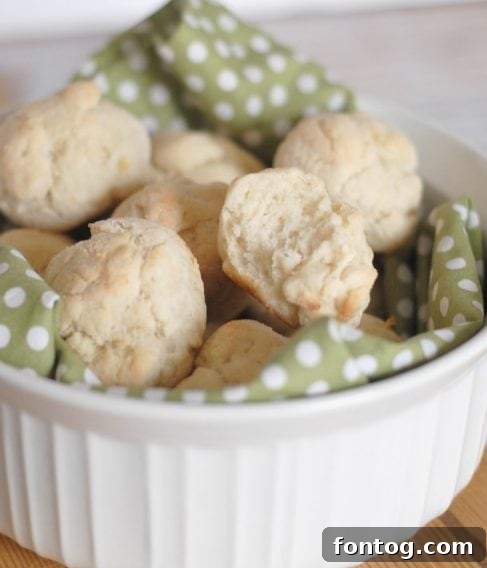
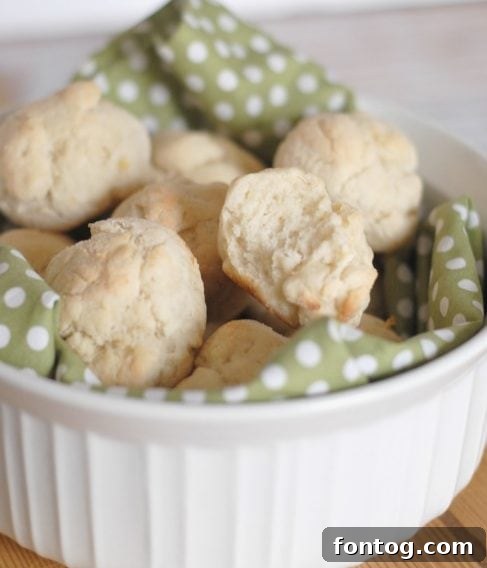
As Easter approaches, families across the globe begin planning their festive meals, and for many, a centerpiece of this celebratory spread is a basket of warm, tender dinner rolls. There’s a certain comfort and tradition in serving freshly baked bread alongside a succulent ham or roast lamb, complemented by an array of delightful fixings. While numerous roll recipes exist, few offer the unparalleled convenience and deliciousness of “Everlasting Rolls.” This classic recipe, cherished for its incredible make-ahead capabilities, ensures that even the busiest hosts can enjoy the taste of homemade goodness without last-minute stress. Dive into the world of these remarkable rolls, discover their secrets, and learn how to bake a batch that will be remembered long after the holiday is over.
What Makes Everlasting Rolls So Special?
The intriguing name “Everlasting Rolls” isn’t just a whimsical title; it speaks to the incredible practicality of this recipe. The dough, once prepared, has an impressive shelf life, capable of being stored in the refrigerator for up to a week. This innovative feature transforms holiday meal preparation, allowing you to handle the bulk of the dough-making several days in advance. Imagine the relief of simply pulling out a prepped batch of dough, shaping it, letting it rise, and baking it on Easter morning or just before your dinner guests arrive. This flexibility is a game-changer for holiday entertaining, freeing up valuable time to focus on other dishes, set the table, or simply relax and enjoy the festivities.
I recently rediscovered this gem while perusing one of my aunt’s old, treasured cookbooks. The moment I saw the name, I knew I had to try it. The concept of a dough that could wait for me, rather than dictating my schedule, was instantly appealing. The first time I attempted these rolls, I was so impressed by how seamlessly they fit into my busy week. The ability to stagger the work makes these rolls not just a holiday staple but a fantastic option for any occasion when you want fresh bread but are short on time. Whether it’s a Sunday dinner or a special gathering, Everlasting Rolls provide that homemade touch with minimal fuss.
Crafting Your Everlasting Rolls: A Step-by-Step Guide
Making Everlasting Rolls is a straightforward process that yields truly spectacular results. This recipe is designed to produce approximately four dozen rolls, making it ideal for large family gatherings like Easter dinner. If you’re hosting a smaller crowd, don’t fret; the recipe can easily be halved. Simply adjust the ingredient quantities accordingly to make a more manageable two dozen rolls. The key to success lies in understanding the dough’s stages and respecting its resting period, which is precisely what gives these rolls their “everlasting” quality.
Ingredients You’ll Need:
- 2 Cups Warm Water (essential for activating yeast)
- 2 Packages Rapid Rise Dry Yeast (the secret to speedy rise times)
- 1/2 Cup Granulated Sugar (for flavor and to feed the yeast)
- 2 Tsp Salt (balances flavors and strengthens gluten)
- 8 Cups Sifted All-Purpose Flour, divided (the structure of your rolls)
- 1 Large Egg (adds richness and helps with texture)
- 1/4 Cup Unsalted Butter, softened (for tenderness and flavor)
- Extra Butter for brushing the tops (for that golden crust and rich finish)
Simple Instructions for Perfect Rolls:
- Begin by dissolving the rapid rise yeast in the warm water. Ensure the water is warm, not hot, to avoid killing the yeast. This initial step is crucial for activating the yeast and ensuring your rolls rise beautifully.
- In a spacious mixing bowl, or the bowl of your trusty stand mixer, combine the dissolved yeast mixture with the sugar, salt, and four cups of the sifted flour. Beat these ingredients together for about two minutes. This initial mixing helps to hydrate the flour and begin gluten development.
- Next, incorporate the egg and the softened butter into the mixture. Gradually add the remaining flour, starting with three cups and adding up to four cups as needed, until the dough becomes smooth and elastic. The dough should pull away from the sides of the bowl and feel slightly tacky but not sticky to the touch. This careful addition of flour ensures you achieve the perfect consistency without making the dough too stiff.
- Now for the “everlasting” part! If you don’t plan to bake the rolls immediately, cover the bowl with a damp cloth or plastic wrap and refrigerate the dough. While in the fridge, the dough will continue to slowly ferment and rise. Remember to punch it down occasionally (once or twice a day) to release excess gas and maintain its texture. This dough can be stored for up to a week, offering incredible flexibility for your meal planning.
- Approximately two hours before you intend to bake, remove the dough from the refrigerator. Turn it out onto a lightly floured surface and knead it down gently, adding a little extra flour if necessary to prevent sticking. Cut off the portion of dough you need for your rolls and return any unused portion to the fridge for later.
- Shape the dough into individual rolls. You can make classic round rolls, crescent rolls, or even small knots. Place the shaped rolls into a greased muffin tin or arrange them on a baking sheet lined with parchment paper, leaving a little space between each.
- Brush the tops of your shaped rolls with a small amount of melted butter. This not only adds flavor but also helps them achieve a beautiful golden-brown crust. Let the rolls rest and rise in a warm, draft-free place for about two hours. They should double in size, becoming light and puffy.
- A few minutes before baking, preheat your oven to 400°F (200°C).
- Bake the rolls for 12-15 minutes, or until they are golden brown on top and sound hollow when tapped on the bottom. Keep a close eye on them to prevent over-browning.
Navigating Gluten-Free Everlasting Rolls
For those with gluten sensitivities or celiac disease, enjoying homemade bread can often be a challenge. I’ve personally experimented with making Everlasting Rolls using gluten-free flour, and while they were a hit with my son, who has dietary restrictions, there are some nuanced differences to consider. The first time I tried the gluten-free version, my family, especially my son, absolutely loved them! He couldn’t get enough, which made all the effort worthwhile.
However, it’s worth noting that gluten-free flours behave differently than traditional wheat flour. The gluten in wheat flour provides elasticity and structure, leading to that characteristic soft and chewy texture in conventional rolls. Gluten-free flours, lacking this protein, often result in a denser crumb and a slightly different mouthfeel. While delicious in their own right, the gluten-free versions might not achieve the same light and airy consistency as their gluten-filled counterparts. For those who aren’t gluten-sensitive, I wholeheartedly recommend embracing the full gluten experience for the most traditional soft roll texture. If you are baking gluten-free, choose a high-quality all-purpose gluten-free flour blend, preferably one that contains xanthan gum, which helps mimic the elasticity of gluten. You might also find that gluten-free dough is a bit stickier and requires more gentle handling.
Regardless of your flour choice, the joy of pulling a warm, homemade roll from the oven is unmatched. There’s a certain magic in the aroma that fills your kitchen, promising a delicious addition to any meal. This recipe ensures that everyone at your table can enjoy a delightful roll, customized to their dietary needs.
Tips for Perfect Everlasting Rolls Every Time
Achieving consistently perfect Everlasting Rolls involves a few key considerations that can elevate your baking experience and the final product. Even with a forgiving recipe like this, a few extra tips can make all the difference.
- Yeast Activation: Ensure your warm water is between 105-115°F (40-46°C) for optimal yeast activation. Water that’s too cold won’t activate the yeast, and water that’s too hot will kill it. A reliable kitchen thermometer can be a great asset here.
- Flour Measurement: When measuring flour, use the spoon-and-level method. Spoon the flour into your measuring cup and then level it off with a straight edge. Scooping directly from the bag can compact the flour, leading to too much flour and dry, dense rolls.
- Dough Consistency: The dough should be smooth and elastic. If it’s too sticky, add a tablespoon of flour at a time until it reaches the right consistency. If it’s too dry, add a teaspoon of water at a time. The dough should be able to hold its shape but still feel pliable.
- Refrigeration: When storing the dough in the fridge, make sure your bowl is large enough to accommodate some rising, even though it will be slow. A damp cloth or tightly sealed plastic wrap will prevent the dough from drying out. Remember to punch it down daily to redistribute the yeast and prevent it from over-proofing.
- Rising Environment: After shaping your rolls, let them rise in a warm, draft-free place. If your kitchen is cool, you can turn your oven on to its lowest setting for a few minutes, then turn it off and let the rolls rise inside with the door slightly ajar. A warm, humid environment encourages a beautiful, even rise.
- Baking Uniformity: For even baking, use a light-colored baking sheet. Darker sheets can cause the bottoms of the rolls to brown too quickly. Rotate your baking sheet halfway through the baking time if your oven has hot spots.
- Golden Finish: For an extra shiny and golden crust, brush the rolls with an egg wash (one egg beaten with a tablespoon of water) before baking, instead of just melted butter. You can still brush with melted butter after baking for added flavor.
Serving and Savoring Your Everlasting Rolls
The moment these Everlasting Rolls emerge from the oven, golden brown and fragrant, is truly one of the most rewarding aspects of homemade baking. The aroma alone is enough to draw everyone to the kitchen, eager for a taste. Serve them warm, straight from the oven, perhaps with an extra brush of melted butter, a sprinkle of flaky sea salt, or a side of sweet honey butter. They are the perfect accompaniment to almost any meal, especially a holiday feast. Imagine tearing into a soft, fluffy roll, its delicate texture complementing the savory richness of your main course.
These rolls pair wonderfully with Easter ham, roast turkey, prime rib, or even a simple soup or stew. Their versatility makes them a staple for any holiday spread or weeknight dinner. Beyond their immediate enjoyment, any leftover rolls (if there are any!) can be used for delicious slider sandwiches, pulled apart for bread pudding, or even toasted for garlic bread. The homemade taste is simply superior to anything store-bought, making the effort entirely worthwhile. While my family is hosting this year and another relative is bringing rolls, I’m already tempted to sneak in a batch of these Everlasting Rolls because, let’s be honest, nothing beats the taste of homemade. Yes, I’m completely biased, and once you try them, you will be too!
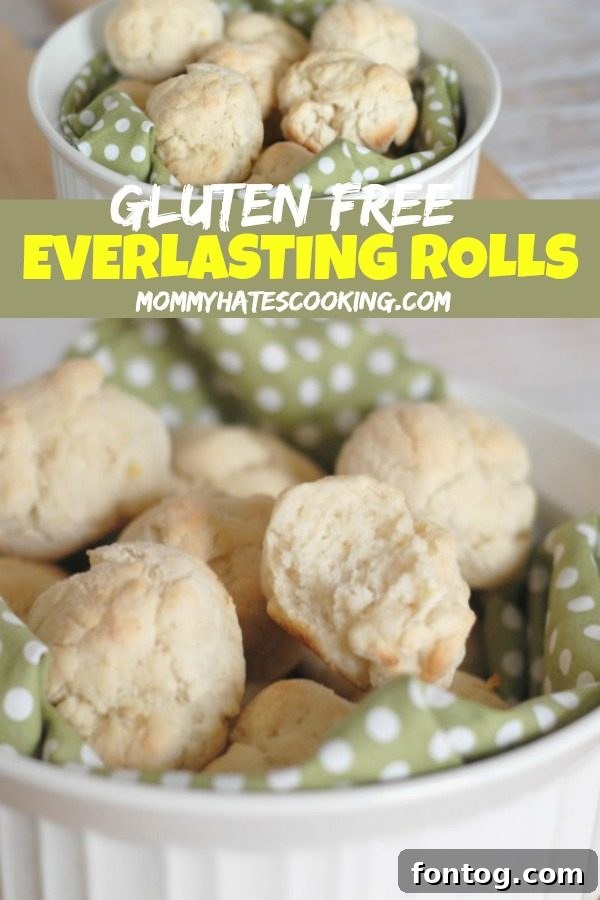

Everlasting Rolls Recipe
Ingredients
- 2 Cups Warm Water
- 2 Packages Rapid Rise Dry Yeast
- 1/2 Cup Sugar
- 2 Tsp Salt
- 8 Cups Sifted Flour Divided
- 1 Egg
- 1/4 Cup Butter Softened
- Butter for the Tops
Instructions
-
1. Dissolve the yeast in warm water.
-
2. Using a large mixing bowl or the bowl to the stand mixer, add the mixed yeast, sugar, salt, and 4 cups flour. Beat this for about 2 minutes.
-
3. Add the egg and butter, beating in the remaining flour gradually until the dough is smooth and elastic to the touch. (Start with 3 cups of flour working up to 4 cups if needed)
-
4. At this point – If the dough is going to be stored and not used immediately, cover the bowl with a damp cloth and put in the fridge. The dough will need to be punched down occasionally.
-
5. About 2 hours before baking, take the dough out of the fridge and knead it down using a little extra flour. Cut off the amount needed and return the extra to the fridge.
-
6. Shape the dough into rolls and place in a greased muffin tin or baking sheet.
-
7. Brush the tops with a little melted butter and let them rest and rise for 2 hours. A few minutes before baking, preheat the oven to 400*.
-
8. Bake for 12-15 minutes at 400*.
Nutrition
Did you make this recipe?
Make sure to tag #mommyhatescooking on Instagram and follow for more @momhatescooking
Pin Recipe
Share on Facebook