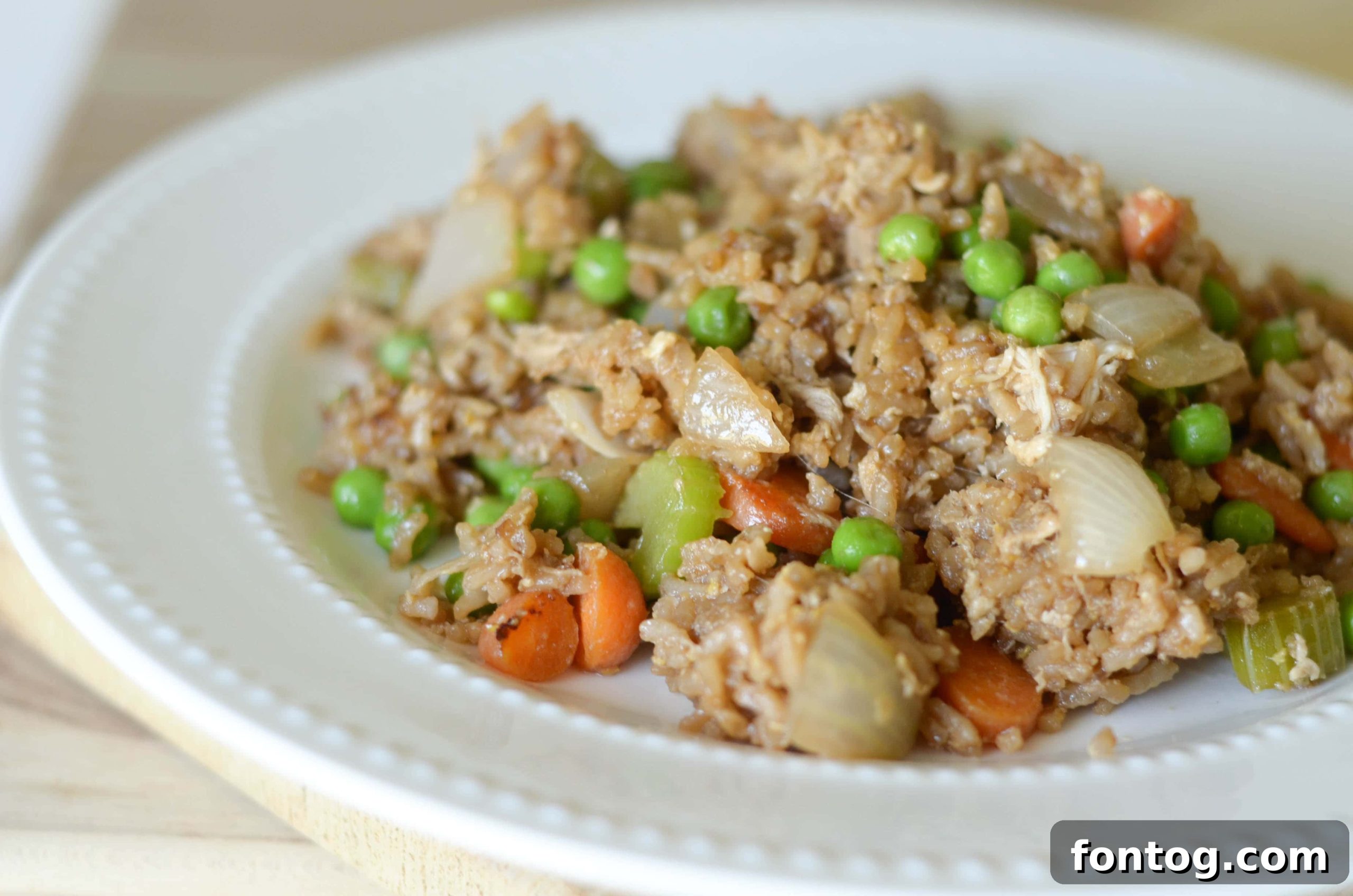
Homemade Fried Rice: Your Ultimate Guide to Takeout-Style Flavor at Home
Are you craving the comforting taste of your favorite takeout fried rice but wish you could whip it up in your own kitchen? Look no further! Mastering homemade fried rice is not only incredibly satisfying but also surprisingly simple, transforming a quick weeknight dinner into a culinary adventure. Forget the delivery menus; with a few fresh ingredients and our expert tips, you can enjoy a delicious, customizable, and authentic fried rice experience right from your stove.
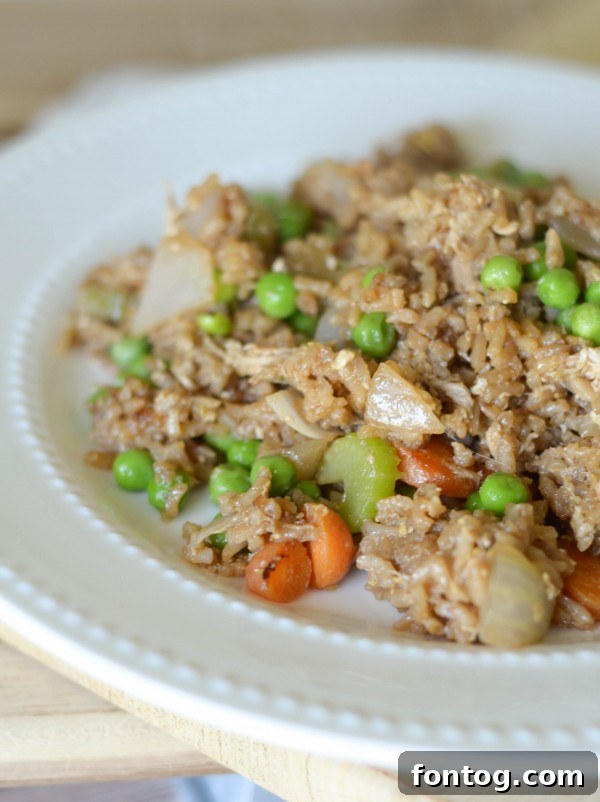
Why Choose Homemade Fried Rice Over Takeout?
The allure of homemade fried rice extends far beyond mere convenience. While picking up the phone for delivery might seem easier, preparing this classic dish at home offers a multitude of benefits that elevate your dining experience:
- Unmatched Customization: One of the biggest advantages is the freedom to tailor every aspect of your meal. From the choice of protein (chicken, pork, beef, shrimp, tofu, or extra eggs) to your favorite medley of vegetables, you’re in complete control. This is especially beneficial for those with dietary restrictions or specific taste preferences.
- Dietary Control: For individuals with allergies or sensitivities, like needing a gluten-free option, homemade fried rice is a game-changer. You can easily select gluten-free soy sauce (Tamari) and ensure all other ingredients meet your dietary needs. You also control the amount of oil and sodium, making it a healthier choice.
- Cost-Effective: Eating out frequently can quickly add up. Making fried rice at home with ingredients you likely already have on hand, or can easily find at your local grocery store, is significantly more economical than ordering takeout.
- Freshness and Quality: You get to choose the freshest ingredients, ensuring a vibrant and flavorful dish every time. Plus, there’s a certain satisfaction that comes from knowing exactly what goes into your food.
- Convenience (Especially in Rural Areas): As someone who understands the challenges of living “in the middle of nowhere” with no pizza delivery, the ability to whip up a delicious meal like fried rice anytime a craving strikes is invaluable. No waiting, no minimum orders, just pure culinary bliss on demand.
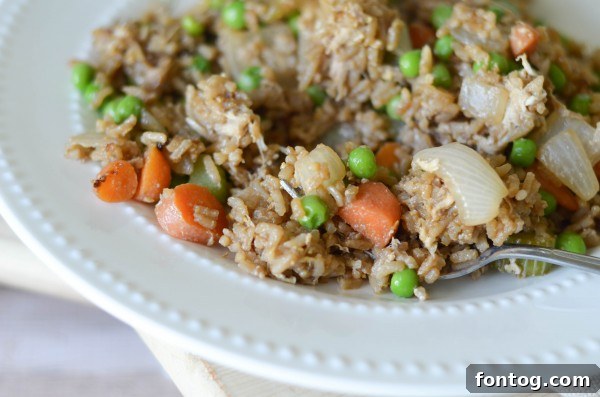
The Secret to Perfect Homemade Fried Rice: Key Ingredients and Techniques
Achieving that coveted takeout flavor and texture isn’t rocket science, but it does hinge on a few crucial elements. Understanding these will transform your fried rice from good to absolutely phenomenal.
1. The Rice: Day-Old and Chilled is a Must
This is arguably the most important tip. Freshly cooked, warm rice contains too much moisture, which will lead to a soggy, clumpy fried rice. Day-old, refrigerated rice (preferably a medium-grain like Jasmine or Basmati) is drier and firmer, allowing the grains to separate beautifully and absorb the flavors without turning mushy. If you’re planning to make fried rice, cook your rice a day in advance and let it cool completely in the fridge.
2. The Protein: Your Canvas for Flavor
The beauty of homemade fried rice lies in its versatility. While chicken is a perennial favorite in our household, feel free to experiment with any protein you desire:
- Chicken: Diced chicken breast or thigh, quickly stir-fried until golden.
- Pork: Small cubes of pork tenderloin or leftover roasted pork.
- Beef: Thinly sliced steak (like flank or sirloin) for a richer flavor.
- Shrimp: Quick-cooking and adds a lovely seafood touch.
- Tofu: Cubed and pan-fried or air-fried until crispy for a vegetarian option.
- Eggs: Scrambled eggs are a staple in almost all fried rice recipes, adding richness and texture. They can also be the primary protein for a meatless version.
Always cook your protein separately and set it aside before adding it back into the wok later to ensure it’s perfectly cooked and doesn’t overcrowd the pan.
3. The Vegetables: Color, Texture, and Nutrition
A medley of colorful vegetables not only adds visual appeal but also crucial nutrients and texture. Common choices include:
- Diced carrots
- Green peas
- Sweet corn kernels
- Diced onions or shallots
- Chopped bell peppers
- Green onions (for garnish and flavor)
You can use fresh or frozen vegetables. If using frozen, ensure they are thawed and patted dry to avoid excess moisture. Quick-cooking vegetables should be added towards the end to retain their crunch.
4. The Sauce: The Heart of the Flavor Profile
The sauce is where the magic truly happens, imparting that characteristic umami and savory depth. Soy sauce is undoubtedly the star, and it’s essential to strike the right balance between flavor and saltiness.
- Soy Sauce: Start with a small amount and gradually add more until you reach your desired taste and color. For a gluten-free fried rice, Tamari is an excellent substitute for traditional soy sauce.
- Sesame Oil: A drizzle of toasted sesame oil at the end adds a distinct nutty aroma and flavor.
- Oyster Sauce (Optional): For an extra layer of savory depth and a touch of sweetness, oyster sauce can be a wonderful addition, if not strictly vegetarian.
- Sugar and White Pepper: A pinch of sugar balances the savory notes, while white pepper adds a subtle, authentic spice.
Pre-mixing your sauce ingredients in a small bowl before you start cooking ensures even distribution and saves time when you’re stir-frying over high heat.
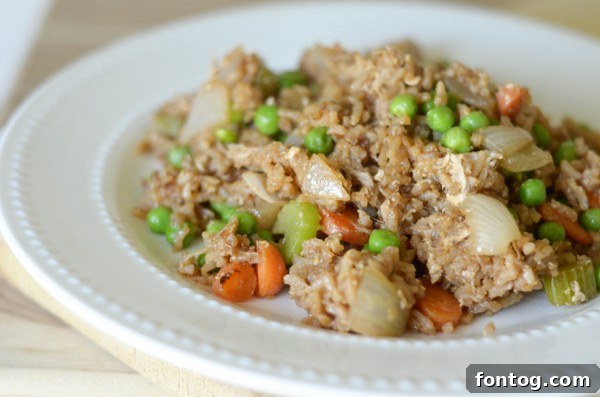
Mastering the Stir-Fry: Tips for Success
Once you have your ingredients prepped, the actual cooking process is quick and dynamic. Here are some essential tips for a perfect stir-fry:
- High Heat is Key: Use a large wok or a heavy-bottomed skillet over high heat. This creates the “wok hei” (breath of the wok), a smoky, complex flavor that is characteristic of authentic stir-fries.
- Don’t Overcrowd the Pan: Cook in batches if necessary. Overcrowding lowers the pan’s temperature, leading to steaming instead of stir-frying, which results in soggy ingredients.
- Prep Everything Ahead: Have all your ingredients chopped, measured, and ready to go before you even turn on the heat. The cooking moves quickly, and you won’t have time to chop mid-fry.
- Build Layers of Flavor: Start by sautéing aromatics like garlic and ginger (if using), then add protein, followed by harder vegetables, then rice, and finally the sauce and quick-cooking elements like eggs and green onions.
- Constantly Stir: Keep the ingredients moving in the wok to ensure even cooking and to prevent burning.
- Taste and Adjust: Always taste your fried rice before serving and adjust seasoning as needed. A little more soy sauce, a dash of sesame oil, or a pinch of sugar can make all the difference.
Customization Beyond the Basics
While the classic combination is always a hit, don’t hesitate to get creative with your homemade fried rice:
- Spicy Kick: Add a teaspoon of chili garlic sauce, Sriracha, or a pinch of red pepper flakes for a fiery twist.
- Pineapple Fried Rice: For a touch of sweetness and tang, incorporate diced fresh pineapple and a handful of cashews.
- Kimchi Fried Rice: A Korean-inspired version featuring fermented kimchi, often topped with a fried egg.
- Vegetarian Powerhouse: Boost the veggie content with broccoli florets, mushrooms, snap peas, or water chestnuts.
Serving Suggestions: Complete Your Meal
Homemade fried rice is a complete meal on its own, especially with a good mix of protein and vegetables. However, it also pairs beautifully with a variety of Asian-inspired side dishes to create a more elaborate feast. We often enjoy ours with classic favorites like:
- Crispy egg rolls or spring rolls
- Savory peanut noodles
- Light and refreshing Asian chicken salad cups
- Steamed dumplings or potstickers
- Simple stir-fried greens like bok choy or broccoli
- A side of hot and sour soup or miso soup
Introducing our children to delicious homemade meals like this has been a joy, and we’re thrilled that our daughter instantly took to it. It’s truly a dish that brings smiles to everyone at the table.
Ready to Wok and Roll?
Making homemade fried rice is more than just cooking; it’s an experience that brings family together, satisfies cravings, and empowers you to create delicious, healthy meals tailored precisely to your liking. So, next time you’re debating takeout, remember that the best fried rice might just be a few simple steps away in your own kitchen. Grab your ingredients, heat up that wok, and prepare to embark on a flavorful journey that will have you saying goodbye to delivery for good!