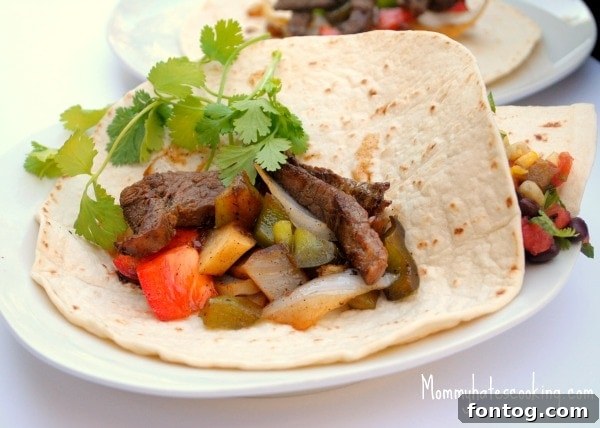
Easy & Flavorful Steak Fajitas: Your Guide to Sizzling Homemade Perfection
There’s nothing quite like the irresistible aroma and satisfying sizzle of homemade steak fajitas. For any steak enthusiast, this dish offers a fantastic way to enjoy tender, perfectly cooked beef paired with vibrant, fresh vegetables. If you’re like me, steak isn’t just a meal; it’s a culinary highlight. And these fajitas? They transform that experience into an incredibly easy, yet profoundly flavorful, weeknight dinner or a delightful weekend feast.
This recipe champions simplicity and robust taste, ensuring that even novice cooks can achieve restaurant-quality results in their own kitchen. We firmly believe that great food doesn’t need to be complicated. While I personally prefer my fajitas on the milder side, this comprehensive guide will also provide ample tips for those who love to turn up the heat, allowing you to customize the spice level precisely to your heart’s content. Say goodbye to bland meals; get ready for a symphony of tastes and textures that will have everyone asking for seconds.
Fajitas are more than just a dish; they’re an interactive and communal dining experience. The joy of assembling your own creation—filling warm tortillas with succulent steak, softened peppers and onions, and your favorite toppings—makes them a perennial favorite for families and gatherings alike. This recipe takes the guesswork out of crafting the perfect fajita, guaranteeing every bite is as delicious and memorable as the last.
Why Homemade Steak Fajitas Are a Culinary Essential
Choosing to prepare steak fajitas at home over opting for takeout or dining out offers a multitude of compelling benefits, making it an essential skill for any home cook. At the forefront is the unparalleled freshness and quality control. When you craft fajitas in your own kitchen, you have absolute power over every ingredient – from selecting the leanest cut of sirloin or flank steak to hand-picking the crispest bell peppers and the sweetest Vidalia onions. This meticulous attention to ingredient quality directly translates into a more vibrant, wholesome, and ultimately more satisfying meal.
Another significant advantage is the boundless opportunity for customization. While this recipe provides a delicious foundational blueprint, it serves as an ideal canvas for your culinary imagination. Do you crave a fiery kick that awakens your palate? Effortlessly integrate extra cayenne pepper, a dash of your preferred hot sauce, or even freshly sliced jalapeños. Prefer a milder, more aromatic profile? You can easily adjust the spice, focusing on the natural sweetness of the vegetables and savory depth of the steak. Furthermore, for those with dietary considerations, homemade fajitas can be effortlessly adapted – think gluten-free tortillas, low-sodium marinades, or organic produce. The creative freedom is entirely yours to tailor the dish to perfection.
Beyond the realm of taste and personal preference, homemade fajitas offer substantial cost-effectiveness. Dining out, especially for a family or a larger group, can quickly become an expensive endeavor. Preparing this delightful meal at home is significantly more budget-friendly, enabling you to enjoy a gourmet-level dining experience without straining your finances. Moreover, the act of cooking itself can be a wonderfully engaging and therapeutic activity, perfect for spending quality time with loved ones in the kitchen. The enticing sizzle of steak meeting a hot skillet and the aromatic blend of spices create an inviting atmosphere that simply cannot be replicated by a takeout container. Homemade steak fajitas are more than just a meal; they are an experience to be savored and shared.
The Heart of the Fajita: Selecting and Preparing Your Steak
The foundation of truly exceptional steak fajitas begins with the careful selection and preparation of the meat. While various cuts of beef can be used, thin sirloin steak and flank steak consistently stand out as the top choices for their superior flavor, texture, and ability to absorb marinades effectively.
Thin Sirloin Steak: Tenderness and Versatility for Every Palate
Thin sirloin steak is an excellent contender for fajitas, cherished for its appealing balance of tenderness and robust beefy flavor. As a leaner cut, sirloin cooks relatively quickly, retaining its tender quality when prepared correctly, without becoming overly tough. When preparing sirloin for fajitas, the critical technique is to slice it thinly against the grain. This method effectively shortens the muscle fibers, resulting in a remarkably tender and enjoyable bite. A straightforward marinade, such as the Worcestershire sauce featured in this recipe, works wonders with sirloin, infusing it with a savory depth that beautifully complements the vibrant vegetables.
Flank Steak: The Traditional Choice for Authentic Fajita Texture
Flank steak holds its revered position as perhaps the most traditional and authentic choice for fajitas, and for good reason. It boasts an intensely beefy flavor and a distinctive, coarse grain that, when sliced precisely, yields a wonderfully chewy yet ultimately tender texture characteristic of classic fajitas. Similar to sirloin, flank steak benefits immensely from being sliced thinly against the grain to maximize its tenderness. Its naturally flat and thin shape also makes it ideally suited for high-heat, rapid cooking, which helps to achieve those coveted charred edges and a supremely juicy interior. The key to mastering flank steak is vigilance; avoid overcooking, as it can quickly become tough if exposed to heat for too long.
Essential Steak Preparation Tips for Optimal Fajitas
- Precision Slicing: Irrespective of whether you opt for sirloin or flank steak, slicing the meat thinly and against the grain is absolutely paramount. Aim for uniform strips, approximately 1/4 to 1/2 inch thick. This consistency ensures even cooking and an ideal texture in every bite.
- The Power of Marinating: While this recipe employs a quick and effective Worcestershire sauce bath, feel free to experiment with other marinades for added layers of flavor and tenderness. Traditional fajita marinades often include ingredients such as citrus juices (lime or orange), minced garlic, earthy cumin, fragrant chili powder, and aromatic oregano. Even a brief 20-30 minute soak can significantly enhance the meat’s flavor and tenderness.
- Pat Dry for the Perfect Sear: Before introducing the steak strips to the hot skillet, gently pat them thoroughly dry with paper towels. This seemingly minor step is crucial for achieving a superior sear and that desirable sizzling, crusty exterior. Moisture on the meat’s surface would lead to steaming rather than searing, preventing the development of rich flavor and texture.
By understanding the unique characteristics of these prime cuts and applying these simple yet effective preparation tips, you will ensure that your steak fajitas are not just a meal, but a show-stopping centerpiece that delights all who gather at your table.
The Colorful Ensemble: Perfecting Your Peppers and Onions
While the succulent steak often takes center stage, the vibrant and aromatic combination of peppers and onions is undeniably what truly completes and elevates the authentic fajita experience. These essential vegetables contribute not only a beautiful spectrum of color and delightful texture but also impart a natural sweetness and depth of flavor that perfectly harmonizes with the rich, savory beef.
Thoughtful Selection of Your Vegetables
- Bell Peppers: This recipe thoughtfully calls for a classic pairing of red and green bell peppers. This combination offers a delightful contrast in sweetness – red peppers being notably sweeter – and provides a pleasant, crisp-tender bite when expertly sautéed. However, do not hesitate to unleash your culinary creativity! Incorporating yellow and orange bell peppers can introduce even more sweetness and an expanded palette of visual appeal. A medley of colors not only makes your fajitas visually stunning but also offers a broader, more complex spectrum of natural flavors.
- Sweet Vidalia Onion: The inclusion of the sweet Vidalia onion is a true game-changer for these fajitas. Renowned for its exceptionally mild and sweet flavor profile, the Vidalia onion caramelizes beautifully when cooked, adding a rich, subtle sweetness without the assertive pungency often associated with standard yellow onions. Should Vidalia onions be unavailable, excellent substitutes include other varieties of sweet onion, such as a Walla Walla or Maui onion. Alternatively, a red onion can be used for its appealing peppery kick and gorgeous deep-purple hue.
The Art of Slicing for Consistent Results
Precise and uniform slicing is paramount to ensuring that your vegetables cook evenly and integrate seamlessly with the thinly sliced steak. The goal is to achieve strips that are similar in thickness to your beef, promoting a harmonious texture in every bite.
- Preparing Peppers: Begin by carefully removing the core and all seeds from the bell peppers. Then, slice each pepper lengthwise into uniform strips, aiming for approximately 1/4 inch in width. This specific size allows them to soften adequately while still retaining a desirable, slight crispness.
- Slicing Onions: Peel the Vidalia onion and then cut it in half from pole to pole. Place the cut side down on your cutting board and slice it thinly against the grain. This method helps the onion cook down to a tender, sweet, and translucent consistency, rather than becoming stringy or overly firm.
Mastering the Cook: Achieving the Ideal Vegetable Tenderness
The culinary objective for your fajita vegetables is to achieve a perfect tender-crisp texture – they should be soft enough to elegantly fold into a tortilla, yet still possess a subtle bite. Crucially, they should maintain their vibrant color and never become mushy.
- Strategic Timing: To meticulously prevent the steak from overcooking, the sliced vegetables are typically introduced into the skillet after the steak has reached its desired doneness. This intentional timing allows the peppers and onions to gently soften and absorb the rich, flavorful drippings left behind by the beef, enhancing their taste profile significantly.
- Precise Temperature Control: Upon adding the vegetables, it is crucial to reduce the heat to a low to medium setting. This controlled temperature ensures that the vegetables soften gradually and begin to caramelize subtly, without the risk of burning or becoming overly browned. Stir the mixture frequently to encourage even cooking and prevent sticking.
- Observing Desired Texture: Continue cooking until the bell peppers have achieved a brighter, more vivid color and exhibit a slight give when tested, and the onions have become translucent and tender. This process typically requires approximately 5-7 minutes, though the exact time may vary slightly depending on the thickness of your slices and the intensity of your pan’s heat.
The synergy between perfectly cooked, succulent steak and these tender, sweet, and subtly charred vegetables is what truly defines and creates a memorable steak fajita experience. Never underestimate the critical role these humble vegetables play in building the dish’s overall exquisite flavor profile!
The Sizzle Factor: Cooking Your Steak Fajitas to Perfection
The iconic sizzle associated with fajitas is far more than just a dramatic presentation; it is the hallmark of high-heat cooking designed to lock in incredible flavor and create that mouthwatering, slightly charred exterior. Replicating this professional-grade sizzle at home is surprisingly straightforward, especially when armed with a reliable cast iron skillet.
Preheating Your Skillet: The Non-Negotiable Foundation of Flavor
The absolute first and most critical step in achieving perfect fajitas is to ensure your skillet is screaming hot. A properly preheated pan is essential for achieving a rapid, beautiful sear on the steak and for cooking the vegetables quickly and efficiently, preventing them from releasing excess moisture and becoming soggy.
- Cast Iron: Your Culinary Companion: A robust cast iron skillet is the undisputed champion for cooking fajitas. Its exceptional heat retention capabilities and superior ability to distribute heat evenly across its surface brilliantly mimic the high-heat cooking environment of professional restaurant griddles.
- Choosing the Right Oil: Opt for cooking oils with a high smoke point to prevent burning and unpleasant flavors at high temperatures. Excellent choices include canola oil, grapeseed oil, or avocado oil. You only need a small amount—just enough to lightly coat the bottom of the pan to prevent sticking.
- Achieving Peak Heat: Place your cast iron skillet over a medium-high to high heat setting. Add the chosen oil and allow it to preheat thoroughly until it shimmers slightly and you begin to see a faint wisp of smoke. These visual cues are your signal that the skillet has reached the optimal temperature for introducing the steak.
Cooking the Steak: Mastering Tender and Flavorful Bites
Once your skillet is impeccably hot, it’s time to introduce the star ingredient of our dish – the steak.
- Expertly Searing the Steak: Carefully add the thinly sliced steak strips to the blistering hot skillet. It is crucial to avoid overcrowding the pan; if necessary, cook the steak in smaller batches. Overcrowding will drastically lower the pan’s temperature, leading to the meat steaming rather than searing, which prevents the development of that desirable crust and rich flavor.
- Infusing with Worcestershire: Immediately after adding the steak, pour the Worcestershire sauce directly over the meat. The distinct, savory, and slightly tangy notes of Worcestershire sauce complement the beef exquisitely, adding a crucial layer of umami that elevates these fajitas from good to truly exceptional.
- Monitoring Cooking Time: Stir the steak frequently to ensure even cooking and allow it to cook until it reaches your preferred level of doneness. For these thinly sliced strips, the process is remarkably quick, typically taking only 3-5 minutes for medium-well to well-done results. Since the original recipe specifies “well done,” ensure that all traces of pinkness have disappeared. The ultimate goal is tender, incredibly flavorful steak, not tough or chewy pieces.
Integrating the Vegetables: Achieving Softness and Flavor Harmony
Once your steak has reached perfection, it’s time to introduce the vibrant supporting cast – the peppers and onions.
- Adjusting Heat: After the steak is cooked, reduce the heat significantly to a low to medium setting. This crucial adjustment prevents the steak from overcooking further while the vegetables have ample time to soften without burning.
- Adding the Veggies: Toss in your precisely sliced red and green bell peppers and the sweet Vidalia onion. Stir them thoroughly into the steak mixture, allowing them to luxuriate in and absorb all the delicious, rendered pan drippings and steak juices.
- Sautéing to Perfection: Continue to cook the mixture, stirring occasionally, until the vegetables achieve a tender-crisp texture. They should still possess a slight, pleasant bite, but be soft enough to fold effortlessly into a tortilla. This typically takes approximately 5-7 minutes. Maintain a vigilant eye on the heat to ensure the vegetables soften beautifully without becoming overly mushy or scorched.
The Grand Finale: A Resounding Sizzle
Just before serving, for that ultimate theatrical and flavorful flourish, you can briefly increase the heat again for a minute or two to revive that signature fajita sizzle. Transfer the piping hot mixture directly to a pre-warmed platter or, for an authentic presentation, serve it straight from the cast iron skillet if it’s designed for table use. The intoxicating aroma alone will undoubtedly have everyone eagerly ready to dive in!
Customizing Your Fajitas: Spice It Up (or Keep it Delightfully Mild!)
One of the most rewarding aspects of preparing fajitas at home is the unparalleled freedom to tailor them precisely to your taste preferences, especially when it comes to heat. Whether you yearn for a gentle warmth that tingles the palate or a fiery explosion of spice, this recipe is incredibly adaptable, inviting you to become the master of your own culinary destiny.
For the Spice Enthusiasts: Igniting the Flames of Flavor
If you’re someone who believes a truly great fajita requires a memorable kick, here are several dynamic ways to elevate the spice level, ensuring a thrilling experience for your taste buds:
- Cayenne Pepper: As initially suggested in the recipe, cayenne pepper is your primary tool for straightforward, intense heat. Begin cautiously with a quarter teaspoon and gradually incorporate more into the steak and vegetable mixture during the cooking process until you achieve your ideal level of “hotness.”
- Chili Powder: A complex blend typically featuring various chili peppers, cumin, and other aromatic spices, chili powder can contribute both heat and a nuanced, smoky depth. Integrate it along with the Worcestershire sauce to allow its flavors to meld beautifully with the meat.
- Fresh Jalapeños or Serranos: For a vibrant, fresh heat, thinly slice a jalapeño or serrano pepper. For a milder effect, remove the seeds and white membranes before slicing. Sauté these fresh chilies alongside your bell peppers and onions. Be mindful that serranos are considerably hotter than jalapeños, so exercise caution and adjust quantities to your tolerance.
- Red Pepper Flakes: A simple sprinkle of red pepper flakes during the cooking process provides a subtle yet noticeable warmth that builds with each bite.
- Your Favorite Hot Sauce: Offer a selection of your preferred hot sauces (such as Cholula, Tabasco, or a smoky chipotle hot sauce) at the table. This allows each diner to personally customize their fajitas to their exact desired spice level, ensuring individual satisfaction.
- Ancho Chili Powder: For a deeper, richer, and more complex smoky heat with less immediate raw spiciness, consider incorporating ancho chili powder into your spice blend.
For the Mild-Mannered Palate: Embracing Delicate Flavors
If your preference leans towards fajitas that are rich in savory flavor without any overpowering heat, rest assured this recipe is inherently designed with your taste in mind. The Worcestershire sauce provides an excellent foundation of savory depth, while the natural sweetness of Vidalia onions and bell peppers offers a delightful aromatic sweetness that requires no additional heat.
- Highlight Natural Flavors: Focus on accentuating the inherent sweetness of the bell peppers (especially the yellow and orange varieties, which are sweeter than green) and the Vidalia onions by allowing them to gently caramelize in the skillet. This process naturally deepens their flavor.
- Garlic and Cumin for Depth: To enhance the flavor profile without introducing heat, consider incorporating a pinch of garlic powder and ground cumin into the steak as it cooks. These spices are cornerstones of Mexican cuisine and significantly amplify the savory, authentic taste of the dish.
- Aromatic Herbs: A generous sprinkle of fresh, chopped cilantro or a pinch of dried oregano can add a wonderfully aromatic and fresh dimension to your fajitas without introducing any unwanted spice.
Always remember, the inherent beauty of homemade fajitas lies in your role as the chef. Embrace the opportunity to experiment with various spices, herbs, and quantities until you discover the perfect balance that truly delights your unique taste buds. Don’t shy away from tasting as you go; it’s the most enjoyable part of the culinary journey!
Serving Suggestions: Crafting Your Complete Fajita Feast
Once your sizzling, aromatic steak and vegetable mixture is ready, the culinary adventure gracefully transitions into the joyous phase of assembling and savoring your fajitas. The thoughtful inclusion of complementary accompaniments can elevate your meal from merely great to truly unforgettable, transforming it into a holistic dining experience.
The Essential Canvas: Perfectly Warmed Tortillas
No authentic fajita feast can be considered complete without a generous stack of warm, pliable tortillas. While soft flour tortillas are a universally popular and classic choice, offering a familiar and comforting texture, corn tortillas present a distinctly different flavor profile and texture. They are often favored by those seeking a more traditional, earthy taste or a gluten-free alternative.
- Flour Tortillas: Known for their soft, yielding texture and ease of folding, flour tortillas are ideal vessels for holding all the delicious fillings. To prepare them optimally, warm them gently in a dry skillet over medium heat, briefly in a microwave, or wrapped in foil in the oven until they become soft, steamy, and wonderfully pliable.
- Corn Tortillas: For an authentic touch or as a gluten-free option, corn tortillas are excellent. They can be slightly more delicate, so proper warming is crucial. A quick pass over an open flame (with tongs, carefully) or a hot, dry pan will render them pliable, enhance their earthy flavor, and prevent them from tearing.
Indispensable Toppings and Harmonious Sides
The exciting array of toppings is where individual preference truly shines, allowing each diner to personalize their fajita creation. Offering a diverse selection ensures everyone can craft their perfect bite:
- Fresh Corn Salsa: A bright, refreshing, and subtly sweet corn salsa provides a magnificent contrast to the savory richness of the steak. Its vibrant flavors cut through the heartiness and add a delightful pop of texture and color.
- Cool Sour Cream or Tangy Greek Yogurt: A generous dollop of cool sour cream or a healthier alternative, plain Greek yogurt, adds a creamy tang that elegantly mellows any spice and introduces a luxurious richness to the dish.
- Creamy Guacamole or Sliced Avocado: Rich, creamy, and packed with healthy fats, freshly made guacamole is an absolute must for many fajita aficionados. If time is short, simple slices of ripe avocado work equally beautifully, offering that same buttery texture.
- Shredded Cheese: A sprinkle of shredded Monterey Jack, sharp cheddar, or a flavorful Mexican blend cheese melts beautifully, adding a salty, savory, and undeniably comforting goodness.
- Bright Fresh Cilantro: A generous scattering of fresh, finely chopped cilantro introduces a burst of herbaceous freshness that brightens and invigorates all the other flavors.
- Zesty Lime Wedges: A final squeeze of fresh lime juice over your assembled fajitas just before eating is transformative. It brightens all the flavors, adds a zesty finish, and provides a crucial acidic balance to the richness of the meal.
- Pico de Gallo or Zesty Salsa: A chunky, fresh tomato salsa or a vibrant pico de gallo offers another fantastic layer of fresh, garden-bright flavor and satisfying texture.
Enhancing the Meal: Heartier Complementary Sides
For those desiring a more substantial and complete meal, consider serving your fajitas alongside these classic, comforting complementary sides:
- Authentic Mexican Rice: A perennial favorite, Mexican rice is a classic side dish that pairs impeccably with almost any Mexican-inspired meal, providing a comforting and flavorful base.
- Savory Refried Beans or Hearty Black Beans: Offering a satisfying and protein-rich addition, refried beans or seasoned black beans are traditional accompaniments that round out the meal beautifully.
- Simple Green Salad: A light, crisp green salad tossed with a zesty citrus vinaigrette can provide a refreshing and palate-cleansing contrast to the rich flavors of the fajitas.
By presenting all these exquisite components buffet-style, you not only encourage everyone to lovingly construct their ideal fajita but also transform dinner into an engaging, interactive, and thoroughly enjoyable experience for all. Embrace the communal spirit of fajitas and delight in every delicious, personalized journey!
Make-Ahead & Freezer Meal Tips for Effortless Weeknight Wonders
One of the true, unsung heroes of this exceptional steak fajita recipe is its incredible adaptability for strategic meal preparation. Whether your goal is to reclaim valuable time during a hectic week or to build a robust freezer stash of wholesome, ready-to-eat dinners, these fajitas emerge as an outstanding and highly practical candidate.
Streamlining Your Weeknights: Preparing Ahead with Ease
If you foresee a particularly busy week ahead, you can proactively complete a significant portion of the prep work in advance, allowing for swift and stress-free assembly on cooking day:
- Pre-Slice Steak and Vegetables: Expertly slice your chosen sirloin or flank steak into thin, uniform strips, and meticulously prepare your bell peppers and sweet Vidalia onions. Store these pre-cut components in separate, airtight containers within the refrigerator for up to 2-3 days. This foresight drastically reduces chopping time when you’re ready to cook.
- Marinate Steak for Enhanced Flavor: You have the option to marinate the steak in the Worcestershire sauce (along with any supplementary spices you wish to add) for up to 24 hours prior to cooking. This extended marination not only deeply infuses the meat with savory flavors but also actively contributes to its tenderness, ensuring a more succulent result.
- Pre-Prepare Toppings: Go ahead and chop fresh cilantro, shred your cheese, or even prepare your vibrant corn salsa a day or two before your planned meal. Store all these toppings individually in airtight containers in the refrigerator, ready for quick assembly.
By having these essential components meticulously prepared in advance, all that will remain on cooking day is to simply fire up the skillet and bring everything together for a rapid, fresh, and utterly delicious meal.
Transforming Leftovers into a Convenient Freezer Meal
The truly fantastic news is that any leftover cooked steak and vegetable mixture transforms into an exceptional freezer meal. This is an ingenious strategy to ensure you consistently have a delicious, homemade option readily available for those inevitable days when cooking from scratch feels like an insurmountable task.
- Achieve Complete Cooling: After cooking, it is absolutely critical to allow the fajita mixture to cool completely to room temperature before freezing. This step is paramount to preventing the formation of condensation and subsequent ice crystals, which can significantly degrade the quality and texture of the food upon thawing and reheating.
- Strategic Portioning: Thoughtfully divide the cooled mixture into individual or family-sized portions, based on how you envision reheating it in the future. This makes for convenient grab-and-go meals.
- Airtight Storage is Key: Carefully transfer the portioned mixture into high-quality, freezer-safe bags or durable airtight containers. If utilizing freezer bags, meticulously press out as much air as possible before sealing to diligently prevent dreaded freezer burn. Lay the bags flat in the freezer for efficient and space-saving storage.
- Essential Labeling: Never forget the crucial step of labeling your containers or bags with both the date of preparation and the contents. Properly stored, your frozen fajita mixture can be safely and deliciously kept for up to 3 months, providing a reliable meal solution.
Reheating Your Freezer Meal for a Fresh Experience
When you’re ready to indulge in your conveniently frozen fajitas, the reheating process is straightforward:
- Thawing (Optional but Recommended): For optimal results, it is highly recommended to thaw the frozen mixture in the refrigerator overnight. While you can reheat from frozen in a pinch, thawing beforehand generally leads to more even cooking and superior texture.
- Stovetop Revival: Heat a lightly oiled skillet over medium heat. Add the thawed (or frozen, if pressed for time) fajita mixture and cook, stirring frequently, until it is thoroughly heated through and begins to sizzle enticingly. This method helps to revive some of that fresh-cooked texture and flavor.
- Microwave Convenience: For quick, individual portions, place the thawed mixture into a microwave-safe dish and heat in short intervals, stirring occasionally, until piping hot throughout.
Pair your perfectly reheated fajita mixture with freshly warmed tortillas and a selection of your favorite toppings, and you will discover a wholesome, satisfying meal that tastes almost as delightfully fresh as it did on the day it was originally prepared. This remarkable freezer-friendly aspect truly solidifies steak fajitas as a practical, delicious, and indispensable recipe for any busy household.
Ready to Sizzle? Your Go-To Steak Fajita Recipe!
Now that you’re thoroughly equipped with all the essential knowledge, invaluable tips, and expert tricks for crafting the ultimate steak fajitas, it’s time to don your apron and get cooking. This meticulously designed recipe is straightforward, user-friendly, and consistently yields incredibly flavorful results that will impress everyone at your table. Embrace the delightful process of creating this classic dish, and savor every single, delicious bite!
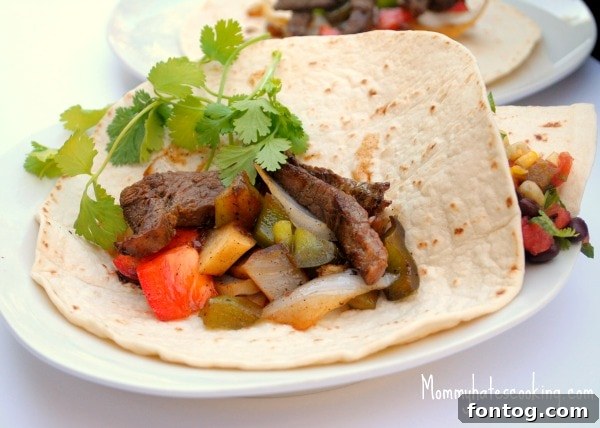
Created by: Kristy Still
Steak Fajitas
Print Recipe
Ingredients
- 1 lb Thin Sirloin Steak or Flank Steak, thinly sliced
- 1/2 Cup Worcestershire Sauce
- 1 Red Bell Pepper, thinly sliced
- 1 Green Bell Pepper, thinly sliced
- 1/2 Cup Sweet Vidalia Onion, thinly sliced
- Flour Tortillas, for serving
- Corn Salsa, for serving (See recipe here)
Instructions
- Begin by thinly slicing the steak against the grain for the fajitas. Then, proceed to thinly slice the bell peppers and sweet Vidalia onion into uniform strips.
- In a cast iron skillet, pour a small amount of high smoke point oil (such as canola or avocado oil) and heat it over medium-high heat until it shimmers. Add the sliced steak and Worcestershire sauce. Cook, stirring frequently, until the steak is well done and lightly seared, approximately 3-5 minutes.
- Once the steak is cooked, reduce the heat to low to medium. Add in the sliced red and green bell peppers and sweet Vidalia onion. Sauté, stirring occasionally, until the vegetables are tender-crisp, typically 5-7 minutes. Ensure the heat is not too high to prevent the steak from overcooking.
- Once the steak and vegetable mixture is ready, transfer it to warm tortillas and serve immediately with a side of corn salsa and your favorite fajita toppings.
Did you make this recipe?
Make sure to tag #mommyhatescooking on Instagram and follow for more delicious inspiration @mommyhatescooking!
Share on Twitter
Pin Recipe
Share on Facebook
Embrace the joy of cooking and the profound satisfaction of a delicious, homemade meal with these incredibly easy steak fajitas. They are truly a delight to prepare and even more delightful to eat, promising a memorable culinary experience for everyone!
Looking to stretch your grocery budget further? Always remember to actively seek out and print available coupons before you embark on your shopping trip to maximize your savings and make your meals even more economical.
In need of additional culinary inspiration? We invite you to explore our extensive and diverse Recipe Index curated by Mommy Hates Cooking for a wide array of delectable dishes suitable for every occasion and skill level.
Disclosure Policy