Fueling Success: The Ultimate Guide to Healthy & Easy After-School Snacks for Back to School
As the summer days fade and the school bells begin to ring once more, parents everywhere know that the “back to school” routine brings with it a familiar chorus: “Mom, Dad, I’m hungry!” After a long day of learning, playing, and expending energy, children often return home with empty tanks and rumbling tummies. This makes after-school snacks not just a treat, but a crucial component in maintaining their energy levels, focus, and overall well-being until dinner time. Having a well-thought-out strategy for these crucial interim meals can make a world of difference for both kids and busy parents.
Around our house, the request for a snack is practically synonymous with walking through the door after school. To combat the inevitable “hangry” moments and ensure a smooth transition from school to homework and playtime, I’ve cultivated a diverse repertoire of easy, healthy, and kid-friendly after-school snack ideas. From quick grab-and-go options to slightly more involved homemade delights, variety is key to keeping little palates interested and nutritional needs met.
Why After-School Snacks Are More Than Just a Treat
The importance of a good after-school snack cannot be overstated. It serves several vital functions:
- Replenishing Energy: Children are incredibly active, both mentally and physically, during the school day. A nutritious snack helps replenish their glucose stores, providing the necessary energy for after-school activities, homework, and play.
- Sustaining Focus: A dip in blood sugar can lead to decreased concentration and irritability. A balanced snack helps stabilize blood sugar levels, keeping kids focused and engaged until their next main meal.
- Bridging the Gap: For many families, dinner isn’t until several hours after school lets out. A smart snack prevents excessive hunger, which can lead to overeating at dinner or making poor food choices beforehand.
- Nutrient Boost: Snacks offer another opportunity to sneak in essential vitamins, minerals, and fiber that might be missed during breakfast or lunch. Think fruits, vegetables, whole grains, and lean proteins.
- Promoting Healthy Habits: By offering wholesome choices, parents can teach children about balanced eating and portion control, fostering lifelong healthy habits.
The Genius of the Grab-and-Go Snack Station
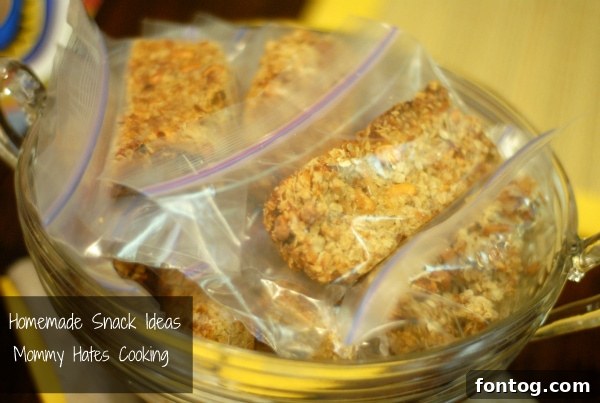
One of the best strategies I’ve implemented, especially during busy periods like the school year, is creating a dedicated “snack bowl” or station. During the summer, I started filling a bowl on our kitchen table with a mix of homemade and parent-approved store-bought snacks. This simple addition revolutionized our afternoon routine.
The beauty of this system lies in its convenience and empowerment. Kids can independently choose their snack, fostering a sense of autonomy and responsibility. This frees up parents from constant snack requests and allows them to focus on other tasks. Furthermore, it’s not just for the kids; my husband and I often find ourselves grabbing a quick, healthy bite from the bowl as we head out the door for our day’s activities. To make this work effectively, here are some tips:
- Offer Variety: Include a mix of textures and flavors – crunchy, soft, sweet, savory.
- Portion Control: Pre-portion snacks into small bags or containers to encourage appropriate serving sizes.
- Healthy Choices Predominate: Stock the bowl primarily with nutritious options, making the healthy choice the easy choice.
- Accessibility: Place the snack station at a height where children can easily reach and select their own.
- Regular Rotation: Change up the snack options weekly to prevent boredom and introduce new healthy foods.
Homemade vs. Store-Bought: Finding Your Balance
While homemade snacks often offer the advantage of control over ingredients and freshness, pre-packaged options can be lifesavers on hectic days. A balanced approach typically works best for most families.
Homemade Advantages: Lower sugar, no artificial ingredients, cost-effective, opportunity to involve kids in preparation.
Store-Bought Advantages: Convenience, portability, variety, often a good option for specific dietary needs (e.g., gluten-free, nut-free).
My goal is to strike a balance, often opting for homemade staples like granola bars or fruit leather, supplemented by carefully selected store-bought items that meet my family’s nutritional standards and, ideally, are budget-friendly when purchased with coupons!
Delicious & Nutritious After-School Snack Ideas
Here are some of our family’s absolute favorite go-to after-school snacks, including a few creative ideas and links to recipes that we frequently turn to:
Fruity & Refreshing Options
- Peach Parfaits: A delightful combination of fresh or canned peaches (drained), creamy Greek yogurt, and a sprinkle of granola or a drizzle of honey. These are not only delicious but also packed with protein and fiber, making them incredibly satisfying. They’re visually appealing and easy for kids to assemble themselves.
- Strawberry Jello Snack: While traditional Jello can be high in sugar, you can make a healthier version using real fruit juice and gelatin, or opt for low-sugar varieties. Adding fresh strawberries makes it even more appealing and provides essential vitamins. It’s a fun, wobbly treat that kids adore, especially after a warm day.
- Homemade Fruit Leather (Fruit Roll-Ups): Forget the sugary store-bought versions! Making your own fruit leather is surprisingly simple and allows you to control the fruit content and sweetness. Puree your favorite fruits (berries, apples, mangoes work great), spread thinly on a baking sheet, and dehydrate in a low oven. It’s a portable, naturally sweet snack that delivers concentrated fruit goodness. For a fantastic recipe, check out Georgia Pellegrini’s Homemade Fruit Leather.
Crunchy & Savory Delights
- Cheese Crunch: This simple snack is a winner for cheese lovers. Think crispy baked cheese squares or a mix of various cheese cubes with whole-grain crackers. Cheese provides calcium and protein, offering sustained energy. For a toddler-friendly version, consider small, soft cheese cubes or string cheese.
- Veggies & Dip: A timeless classic! Offer a colorful assortment of carrot sticks, cucumber slices, bell pepper strips, cherry tomatoes, and broccoli florets with a healthy dip like hummus, Greek yogurt ranch, or guacamole. This is a fantastic way to boost vegetable intake.
- Whole-Grain Crackers with Nut Butter: A quick and satisfying combo of healthy fats, protein, and complex carbohydrates. Be mindful of nut allergies if packing for school, but for home use, this is a perfect energy booster.
Sweet & Satisfying Bites (Healthier Twists)
- Apple Nachos: A creative and fun way to eat fruit! Slice apples thinly and arrange them on a plate. Drizzle lightly with melted chocolate (dark chocolate is a good choice) and a tiny bit of caramel sauce, then sprinkle with chopped nuts or a sprinkle of cinnamon. It feels like a decadent treat but is mostly fruit!
- Homemade Granola Bars: Far superior to many store-bought varieties, homemade granola bars allow you to pack in whole oats, nuts, seeds, dried fruit, and a natural sweetener like honey or maple syrup. They are excellent for batch prepping and can be customized endlessly. Find a great recipe at Lynn’s Kitchen Adventures.
- Chocolate Chip Granola Bites: These little energy bites are fantastic! Often made with oats, nut butter, flax seeds, and a touch of chocolate, they are nutrient-dense and provide a quick energy boost. They require no baking, making them super easy to prepare.
Protein-Packed Power-Ups
- Hard-Boiled Eggs: An excellent source of protein and essential nutrients, hard-boiled eggs are easy to prepare in advance and store in the fridge for a quick grab.
- Cottage Cheese with Fruit: A simple yet effective snack combining protein-rich cottage cheese with the natural sweetness and vitamins of fresh berries or peaches.
- Edamame: Steamed edamame (either in the pod or shelled) is a fun, nutritious, and protein-packed snack that kids often enjoy popping out of their shells.
Smart Snacking Strategies for Busy Parents
Beyond specific snack ideas, adopting certain strategies can make after-school snacking a breeze:
- Involve Your Kids: Let them help choose snacks from a pre-approved list or assist in preparing simple items. This increases their willingness to eat healthy options.
- Batch Prep on Weekends: Dedicate an hour or two on Sunday to washing and chopping fruits/vegetables, baking a batch of muffins or granola bars, and portioning out nuts or crackers.
- Hydration is Key: Often, kids confuse thirst with hunger. Always offer a glass of water alongside their snack.
- Balance is Best: Aim for snacks that combine at least two food groups – for example, fruit with a protein (apple slices with peanut butter) or a whole grain with dairy (crackers and cheese).
- Portion Awareness: While snacks are important, they shouldn’t be so large that they spoil dinner. Teach kids to listen to their bodies and stop when satisfied.
- Be Mindful of Allergies: If your child has allergies or you’re sending snacks to school, always be aware of potential allergens like nuts, dairy, or gluten.
Expanding Your Snack Horizon: More Inspiration
The world of healthy snacks is vast and exciting! Sometimes, all it takes is a fresh perspective or a new list of ideas to reignite your snack routine. For even more inspiration, I often turn to resources like Six Sisters’ Stuff’s 100 Healthy Snack Ideas, which offers a huge variety to ensure you never run out of options.
These are just a few of our personal favorites, often supplemented by smartly chosen store-bought options that I manage to snag at great prices using coupons. What about your family? What are some of your favorite go-to after-school snacks that keep your kids energized and happy?