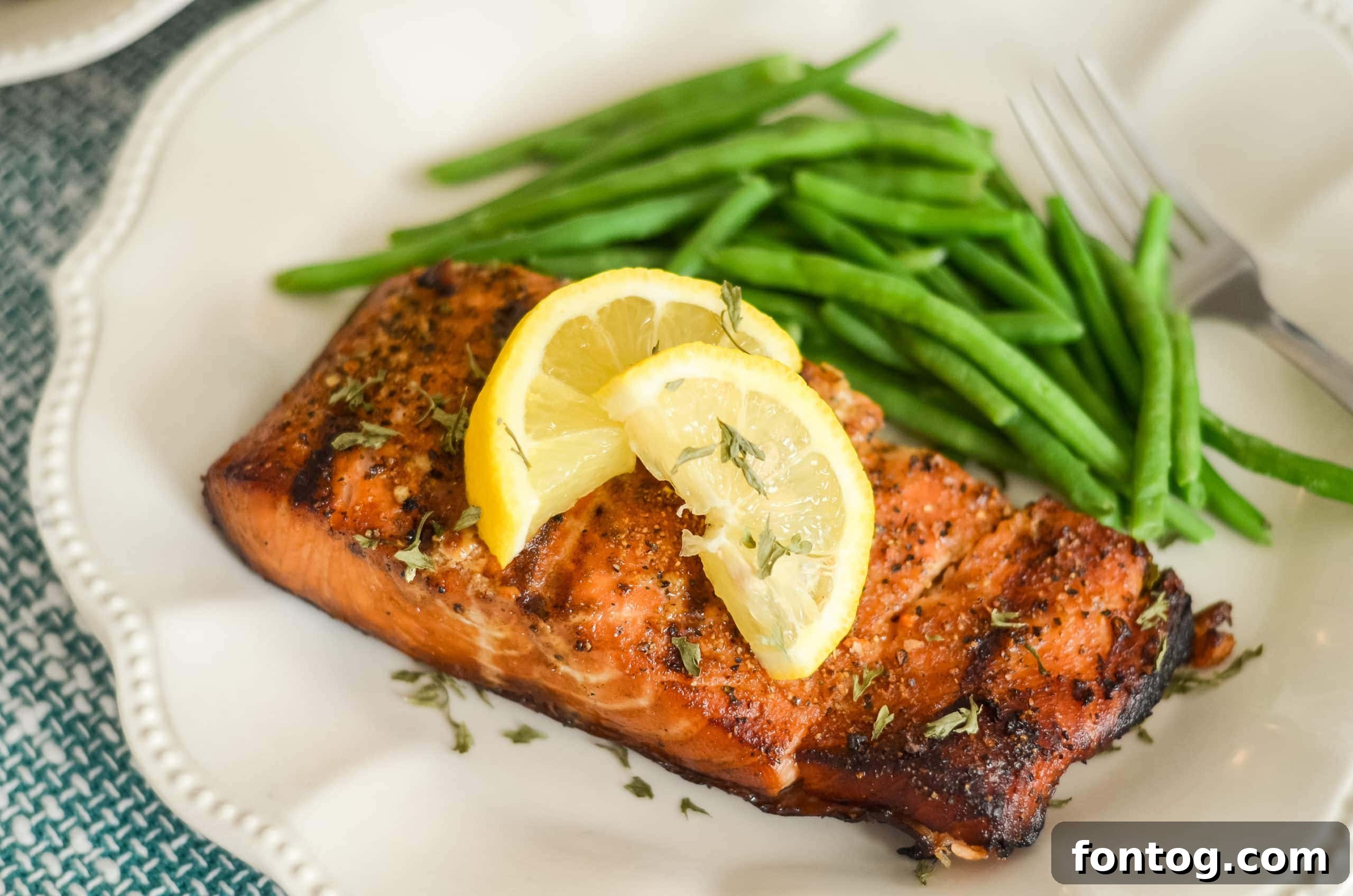
Experience the ultimate delight of Pellet Grill Salmon – a dish that promises juicy, smoky, and perfectly flaky results, bursting with incredible flavor. This recipe simplifies gourmet cooking, using just a few essential ingredients to create a rich glaze that tenderizes and infuses the salmon. Once marinated, your pellet grill or Traeger will effortlessly complete the transformation. Designed for both novice cooks and seasoned grill masters, this recipe is guaranteed to impress your family and friends, making it a staple for any occasion.
Salmon stands out as one of my favorite dishes, not only for its versatile taste but also for its remarkable health benefits. Preparing it at home is incredibly cost-effective compared to dining out, and with the convenience of a pellet grill, the process becomes surprisingly straightforward. This versatile dish pairs wonderfully with various sides. Consider serving it with Pellet Grill-Smoked Baked Potatoes, which can be placed on the grill several hours before the salmon to ensure everything is ready simultaneously.
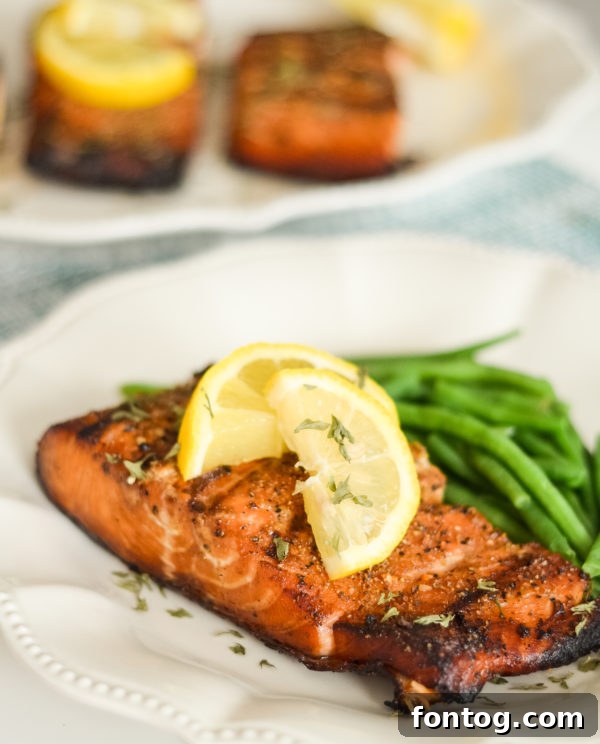
Why Choose Pellet Grill Salmon? Unlocking Unforgettable Flavor
There’s a special magic that happens when salmon meets a pellet grill. Unlike traditional grilling, which can sometimes lead to dry or unevenly cooked fish, a pellet grill offers precise temperature control and infuses your salmon with an unparalleled smoky depth. This method transforms a simple fillet into a culinary masterpiece, making it effortlessly tender, moist, and incredibly flavorful. The consistent heat ensures perfect cooking every time, while the wood pellets impart a rich, nuanced smoky essence that elevates the natural taste of the salmon. The indirect heat cooking of a pellet grill is particularly forgiving for delicate fish like salmon, preventing charring while allowing that distinct wood-fired taste to penetrate every flake.
What You’ll Love About This Pellet Grill Salmon Recipe:
- Effortless Preparation: This recipe is designed for simplicity. With minimal hands-on time and straightforward instructions, even beginners can achieve impressive results. Say goodbye to complex marinades and constantly tending the grill; the pellet grill does most of the heavy lifting.
- Nutrient-Rich & Healthy: Salmon is celebrated for being a powerhouse of nutrition. It’s an excellent source of lean protein, vital for muscle repair and growth, and packed with heart-healthy Omega-3 fatty acids, which contribute to brain function and reduced inflammation. This makes it a wholesome addition to any diet.
- Customizable Flavor: While our glaze is undeniably delicious, the beauty of this recipe lies in its adaptability. Feel free to experiment with different spices, herbs, or even add a touch of spice for a bolder flavor profile. Whether you prefer a sweeter, spicier, or more savory glaze, this recipe serves as a perfect canvas.
- Naturally Gluten-Free (with simple swaps): For those with dietary restrictions, this recipe easily accommodates a gluten-free lifestyle. By simply selecting gluten-free soy sauce and Worcestershire sauce (or using alternatives like coconut aminos), you can enjoy this flavorful dish without compromise.
- Impressive Results, Every Time: Whether you’re hosting a backyard barbecue, a casual family dinner, or simply treating yourself, this pellet grilled salmon delivers restaurant-quality taste and texture. Its flaky tenderness and rich smoky flavor are sure to leave a lasting impression.
Selecting the Perfect Salmon for Grilling
The journey to an exquisite pellet-grilled salmon begins at the fish counter. Choosing the right fillet is crucial for both flavor and texture. Look for high-quality, fresh salmon fillets, ideally with the skin on. The skin serves a dual purpose during grilling: it acts as a natural protective layer, helping the fish stay together and preventing the delicate flesh from sticking to the grates, while also retaining moisture for a juicier result. Here are some popular types of salmon to consider:
- Atlantic Salmon: Widely available, often farmed, and known for its buttery, mild flavor and higher fat content. Its rich marbling makes it very forgiving on the grill, ensuring it stays moist and tender.
- Sockeye Salmon: A wild-caught variety, identifiable by its vibrant red color and firm texture. Sockeye offers a distinctly richer, more robust salmon flavor. Being leaner than Atlantic salmon, it requires a bit more attention to cooking times to prevent drying out.
- Coho Salmon: Another excellent wild-caught option, Coho salmon presents a delicate flavor and a firm, orange-red flesh. It strikes a lovely balance between the richness of Atlantic and the intensity of Sockeye, making it a versatile choice for grilling.
- King (Chinook) Salmon: Considered the most premium of all salmon, King salmon is known for its exceptionally rich flavor, high oil content, and succulent, melt-in-your-mouth texture. If you can find it, it makes for an incredibly luxurious grilled dish.
When selecting your fillets, prioritize freshness. The salmon should have a vibrant color, firm and resilient flesh (it should spring back when lightly pressed), and a mild, fresh ocean scent – never overtly “fishy.” Aim for fillets that are relatively uniform in thickness, as this promotes even cooking and prevents thinner sections from drying out while thicker parts finish cooking.
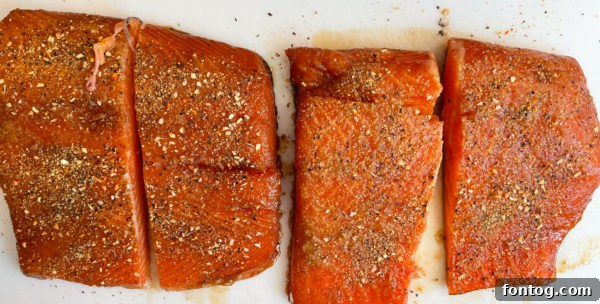
Ingredients Needed for the Irresistible Glaze:
Our signature glaze is the secret to this recipe’s incredible depth of flavor. It requires just a few pantry staples, creating a harmonious blend of sweet, savory, and tangy notes that truly elevate the salmon’s natural taste. Each ingredient plays a crucial role in building a complex and delicious marinade:
- Salmon Fillets: You’ll need about 4 fresh, skin-on salmon fillets. The size can vary, but generally, about 6 ounces per fillet is a good serving.
- Gluten-Free Soy Sauce: This provides the foundational umami flavor and a savory, slightly salty depth to the marinade. Ensuring it’s gluten-free makes the recipe accessible to more diners. For a soy-free option, coconut aminos work perfectly as a 1:1 substitute, offering a similar profile with a touch more sweetness.
- Gluten-Free Worcestershire Sauce: Adds a layer of complex savory, tangy, and slightly sweet notes. Its unique blend of flavors enhances the overall depth of the glaze.
- Brown Sugar: Essential for balancing the savory and tangy elements with a touch of sweetness. Brown sugar also contributes to the beautiful caramelization on the salmon’s surface during grilling, creating a delectable crust.
- Grated Peeled Ginger: Fresh ginger infuses the glaze with a bright, zesty, and subtly spicy warmth. For convenience, approximately 1 teaspoon of ground ginger can be used as a substitute, though fresh offers a more vibrant flavor.
- Crushed Garlic: A cornerstone of many delicious marinades, crushed garlic provides a pungent, aromatic savory base that complements the rich flavor of salmon exceptionally well.
- No-Salt Added Lemon Pepper: This seasoning blend, featuring zesty lemon and mild pepper, is used to season the salmon just before grilling. It brightens the overall flavor without adding excessive sodium, allowing the natural taste of the salmon and glaze to shine.
- Grapeseed Oil Spray: Used to coat either the salmon fillets or the grill grates. Grapeseed oil is prized for its high smoke point and neutral flavor, making it ideal for preventing the delicate fish from sticking to the hot grill surfaces.
Step-by-Step: Mastering Your Glazed Pellet Grilled Salmon
Achieving perfectly cooked, flavorful salmon on your pellet grill is surprisingly simple when you follow these clear, detailed steps. Attention to detail, particularly with marinade time and grill temperature, will ensure a succulent result every time.
- Prepare the Marinade Bag: Begin by carefully placing your salmon fillets into a large, sturdy sealable Ziploc bag. This method ensures that the salmon is fully immersed in the marinade and allows for easy mixing and cleanup later.
- Whisk the Glaze: In a separate small bowl, combine the gluten-free soy sauce, gluten-free Worcestershire sauce, brown sugar, grated (or ground) ginger, and crushed garlic. Whisk all these ingredients thoroughly until the brown sugar is completely dissolved and the mixture forms a cohesive, smooth glaze.
- Marinate the Salmon: Pour the freshly prepared glaze directly over the salmon fillets inside the Ziploc bag. Seal the bag securely, making sure to press out as much excess air as possible. Gently massage the bag from the outside to ensure each piece of salmon is thoroughly coated with the glaze. Place the sealed bag in the refrigerator and allow the salmon to marinate for a minimum of 2 hours. For deeper flavor penetration, you can marinate it for up to 4 hours, but avoid going much longer, as the acid in the marinade can begin to “cook” the fish.
- Preheat the Pellet Grill: Approximately 20-30 minutes before you plan to grill, turn on your pellet grill or Traeger. Set the temperature to a consistent 450 degrees F (232 degrees C). Allow the grill to preheat fully and hold this temperature for at least 10-15 minutes. This ensures the grates are hot enough to create a beautiful sear and prevent sticking.
- Season and Rest: Once the marinating time is complete, remove the salmon fillets from the Ziploc bag. Discard the leftover marinade; do not reuse it. Lightly pat the salmon dry with paper towels if it appears excessively wet, then generously coat each fillet with the no-salt added lemon pepper seasoning. Let the seasoned salmon rest at room temperature for about 5 minutes while the grill reaches its target temperature. This brief rest helps the fish cook more evenly.
- Prevent Sticking: To ensure your delicate salmon doesn’t adhere to the hot grates, lightly spray the salmon fillets directly with grapeseed oil spray. As an alternative, you can spray the clean grill grates themselves just before placing the fish. Grapeseed oil is an excellent choice due to its high smoke point and neutral flavor, which won’t interfere with the glaze.
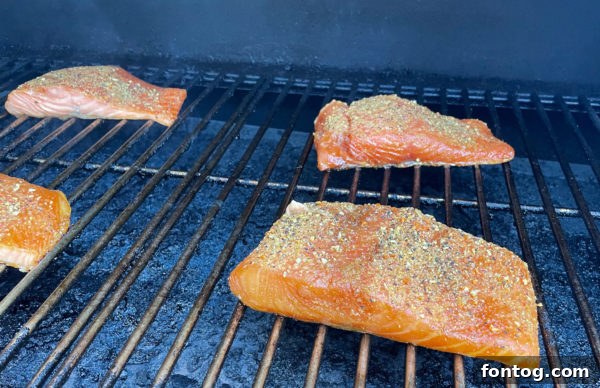
- Grill to Perfection: Carefully place the salmon fillets onto the preheated grill grates, ensuring they are skin-side down. Close the lid of your pellet grill immediately. Cook the salmon for approximately 15-20 minutes. There is no need to flip the salmon during this process; the indirect, consistent heat of the pellet grill will cook it evenly from the bottom up.
- Check for Doneness: The most accurate way to determine if your salmon is perfectly cooked is by using a reliable meat thermometer. Insert the thermometer into the thickest part of the fillet; it should register an internal temperature of at least 145 degrees F (63 degrees C). If you don’t have a thermometer, the salmon is done when it easily flakes with a fork and appears opaque throughout.
Expert Tips for Perfect Pellet Grilled Salmon Every Time:
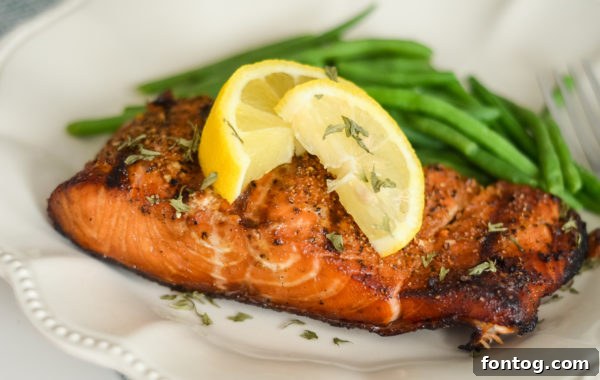
- Pellet Power: Flavor Enhancement: The choice of wood pellets is not just about fuel; it’s a key ingredient that significantly impacts the final smoky flavor of your salmon.
- For a robust, classic smoky flavor that stands up well to rich fish, opt for hardwoods like hickory or mesquite pellets.
- If you prefer a milder, sweeter smoke that beautifully complements the delicate taste of salmon, cherry or apple wood pellets are excellent choices.
- Consider using a chef’s blend pellet for a balanced, versatile smoke profile that often combines various hardwoods. Don’t hesitate to experiment with different wood types to discover your personal favorite!
- The Art of Marination: The marinade is where much of the salmon’s flavor infusion happens. Ensure the salmon marinates for the recommended at least 2 hours to fully absorb the rich, savory, and sweet notes of the glaze. This extended period allows the flavors to penetrate the fish deeply, resulting in a more tender and juicy outcome. Remember, this versatile marinade is not just for salmon; it also works wonders on other proteins, such as these Glazed Chicken Thighs, showcasing its incredible adaptability.
- Mastering Non-Stick Grilling: To prevent the delicate salmon skin from adhering to the hot grill grates – a common challenge – proactive measures are key. Generously coat either the salmon fillets directly with grapeseed oil spray or spray the clean grill grates themselves just before placing the fish. A well-oiled, preheated grate is your best defense against sticking, ensuring your fillets remain intact and beautiful.
- Keep the Skin On: A crucial tip for grilling salmon is to leave the skin on. The skin acts as a natural, protective barrier between the fish flesh and the intense heat of the grill. This helps the fillet maintain its structural integrity, prevents it from drying out, and ensures a wonderfully moist, flaky interior. Plus, some find the crispy grilled skin to be a delicious bonus!
- No Flipping Necessary: One of the most convenient aspects of pellet grilling salmon at this temperature is that it typically does not require flipping. Cooking skin-side down allows the heat to gently radiate upwards, cooking the fish evenly through its thickness. This minimizes handling, reducing the risk of the delicate fish breaking apart.
- Garnish for Freshness: A simple garnish can elevate both the presentation and flavor of your finished salmon. A generous squeeze of fresh lemon juice adds a bright, acidic counterpoint that cuts through the richness of the fish and glaze. Fresh lemon slices themselves make a beautiful visual statement. Additionally, a sprinkle of fresh herbs like chopped dill, parsley, or chives can provide an extra layer of aroma and color, enhancing the overall dining experience.
- Thicker Fillets May Need More Time: Always remember that cooking times are guidelines. The actual time needed will depend on the precise thickness of your salmon fillets. Thicker cuts will naturally require a few extra minutes on the grill to reach the desired internal temperature of 145°F. Trust your meat thermometer more than the clock for accuracy.
- Avoid Overcrowding the Grill: Ensure there is ample space between each salmon fillet on the grill grates. Overcrowding can lower the grill’s temperature, leading to uneven cooking and preventing proper caramelization and smoke absorption. Cook in batches if necessary.
Can This Be Made Gluten-Free? & Other Dietary Notes
Absolutely! One of the fantastic advantages of this Pellet Grilled Salmon recipe is how easily it adapts to suit a gluten-free diet. Achieving a delicious, safe meal for those with gluten sensitivities or celiac disease requires only a couple of straightforward ingredient substitutions. The core components of the glaze are inherently gluten-free, provided you pay close attention to product labeling.
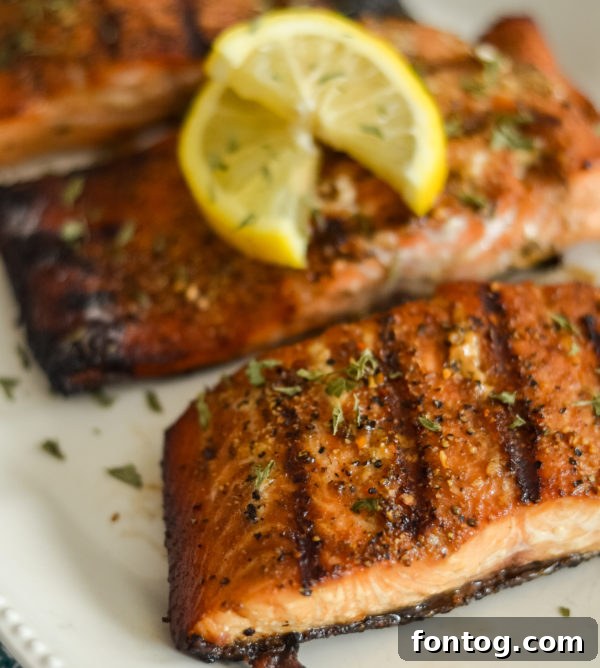
- Gluten-Free Soy Sauce: This is the most critical swap. Traditional soy sauce contains wheat, so it’s essential to use a certified gluten-free alternative. Many brands now offer high-quality gluten-free soy sauce, often made with rice or tamari. Always double-check the label for “gluten-free” certification.
- Gluten-Free Worcestershire Sauce: Similar to soy sauce, some brands of Worcestershire sauce may contain malt vinegar (derived from barley) or other gluten-containing ingredients. Look specifically for a Worcestershire sauce that is clearly labeled as gluten-free to ensure compliance with dietary needs.
- Coconut Aminos as an Alternative: For individuals who need to avoid not just gluten but also soy, coconut aminos serve as an excellent and flavorful substitute for soy sauce. It offers a rich, umami-forward taste with a touch of natural sweetness, making it a perfect 1:1 replacement in this glaze recipe.
These are the primary substitutions needed to ensure your pellet grilled salmon is completely gluten-free. For those managing low-sodium diets, look for low-sodium versions of gluten-free soy sauce and be mindful of the overall salt content from other seasonings. The natural goodness of salmon makes it a fantastic base for various healthy dietary needs.
How Do You Store Leftovers & Reheat for Optimal Flavor?
While pellet-grilled salmon is undeniably at its peak when served immediately, fresh and warm off the grill, you don’t have to let delicious leftovers go to waste. With proper storage and reheating techniques, you can enjoy your flavorful salmon for another meal while largely preserving its quality.
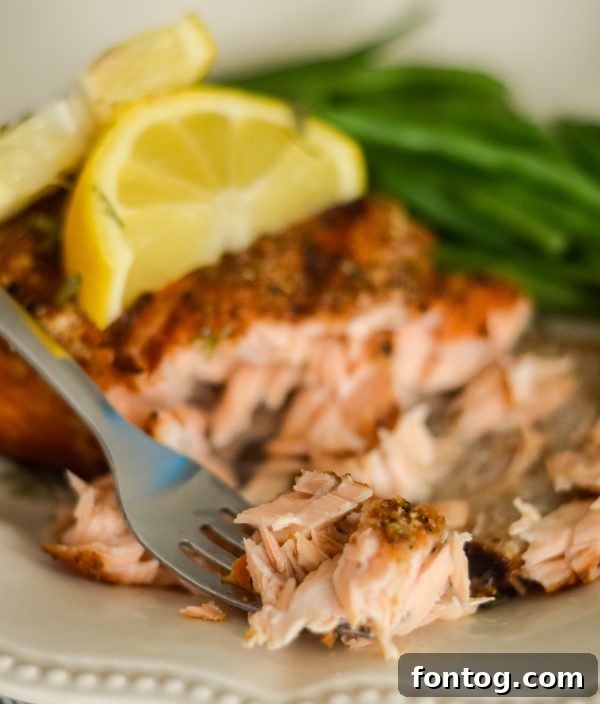
- Cooling & Storage: The first step is to allow the grilled salmon to cool completely to room temperature. This is crucial for food safety and preventing condensation that can make the fish soggy. Once cool, transfer the salmon fillets to an airtight container. A shallow container is preferable to minimize air exposure. Stored correctly, the salmon will remain fresh and safe to eat in the refrigerator for up to 3 days.
- Reheating in an Air Fryer (Recommended): For the best results in retaining moisture and achieving a slightly crisp exterior, the air fryer is your go-to method. Place the salmon in the air fryer basket, ensuring not to overcrowd it. Heat at a moderate 325 degrees F (160 degrees C) for just 3-4 minutes, or until the salmon is warmed through. The key is gentle, quick reheating to avoid drying it out.
- Reheating in an Oven: A conventional oven can also effectively reheat salmon without drying it out, especially if you’re warming multiple pieces. Preheat your oven to a low 275 degrees F (135 degrees C). Place the salmon on a baking sheet, and for added moisture retention, cover it loosely with aluminum foil. Heat for approximately 10-15 minutes, or until warmed through. The lower temperature is key to gentle reheating.
- Microwave (Use with Caution): While technically an option, reheating salmon in a microwave can sometimes lead to a less desirable rubbery texture and can release a strong “fishy” odor. If you choose this method, heat in very short bursts (e.g., 30 seconds at a time) on a lower power setting, checking frequently. This helps prevent overcooking.
Leftover salmon is incredibly versatile! Flake it apart and use it in vibrant salads, flavorful sandwiches, or even quickly toss it into a pasta dish for a protein boost. Repurposing leftovers is a great way to extend the deliciousness of your pellet-grilled masterpiece.
Troubleshooting Common Pellet Grill Salmon Issues:
Even seasoned grill masters can occasionally encounter minor setbacks. Here are some common issues you might face when grilling salmon on a pellet grill and practical solutions to ensure your next cook is perfect:
- Salmon Sticking to the Grates: This is a frequent complaint, often stemming from insufficient oiling or grates that aren’t hot enough.
- Solution: Always ensure your grill grates are thoroughly clean before cooking. Generously coat the grates with a high-smoke-point oil (like grapeseed oil) or spray the salmon itself before placing it down. Crucially, allow your grill to fully preheat to the target temperature (450°F) and hold that heat for at least 10-15 minutes. A hot grate helps create an instant sear, allowing the fish to release naturally when cooked. Don’t try to lift the fish too soon; let it develop a crust.
- Salmon Too Dry: The most common cause of dry salmon is overcooking. Salmon is delicate and cooks quickly.
- Solution: Invest in a reliable instant-read meat thermometer. Pull the fish off the grill as soon as it reaches an internal temperature of 145°F (63°C) in the thickest part. Remember that salmon will continue to cook slightly (carryover cooking) after being removed from the heat. Adjust cooking times for thinner fillets, as they will require less time.
- Uneven Cooking: If some parts of your salmon are perfectly cooked while others are underdone or overdone, it could be due to varying fillet thickness or uneven heat distribution on your grill.
- Solution: Try to source salmon fillets that are uniform in thickness to promote even cooking. If you have fillets of varying sizes, group them by thickness and monitor them closely, or consider staggering their placement on the grill. If your pellet grill has known hot spots, position the thinner parts of the fish towards cooler zones or rotate the salmon halfway through cooking.
- Lack of Smoky Flavor: If your salmon isn’t absorbing that characteristic wood-fired taste, there might be an issue with your smoke production.
- Solution: Ensure you are using fresh, high-quality wood pellets. Your grill should be producing a steady stream of thin, blue smoke (often called “thin blue smoke”). Thick, white smoke often indicates incomplete combustion and can impart a bitter flavor. If you desire a more intense smoke flavor, consider using a separate “smoke tube” or “cold smoke generator” filled with pellets alongside your regular grill setup, especially during the initial part of the cook.
More Pellet Grill Recipes to Explore:
More Pellet Grill Recipes:
-
Smoked Chicken Drumsticks (Pellet Grill)
-
Pellet Grill Smoked Little Smokies
-
Pellet Grill Balsamic Steaks
-
Smoked Mushrooms (Pellet Grill Recipe)
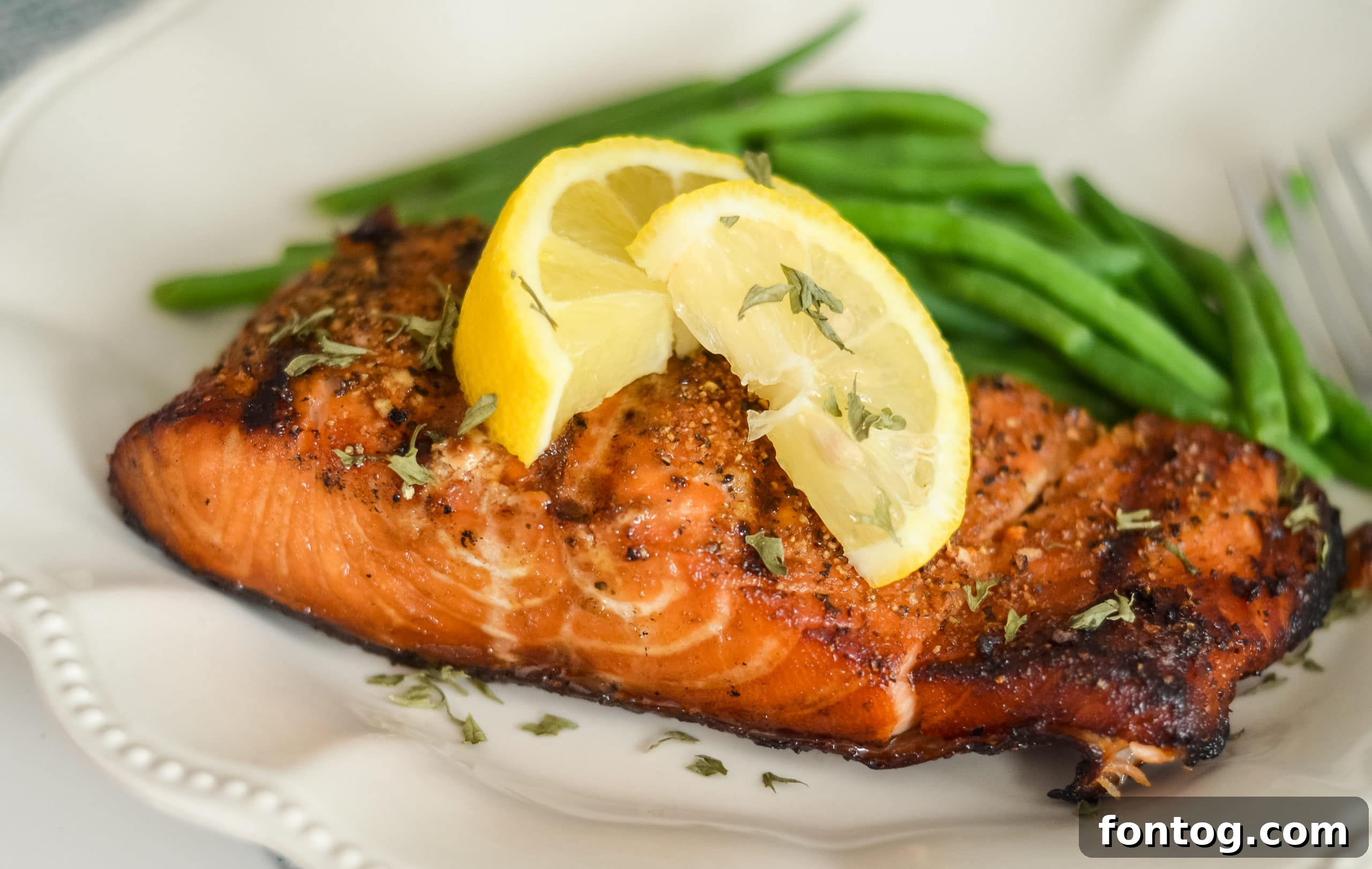
Created by: Kristy Still
Glazed Grilled Salmon
Course: Recipes
Cuisine: American
Servings: 4
Make this fantastic Glazed Grilled Salmon, it’s easy to make gluten-free and full of flavor.
Pin Recipe
Share on Facebook
Share on Twitter
Prep Time: 10 mins
Cook Time: 15 mins
Total Time: 2 hrs 25 mins (includes marinating)
Ingredients
- 4 Salmon Fillets
- 2 Tbsp Gluten-Free Soy Sauce
- 1/2 Tbsp Gluten-Free Worcestershire Sauce
- 2 Tbsp Brown Sugar
- 1 Tbsp Grated Peeled Ginger (or about 1 Tsp Ground Ginger)
- 1 Clove Crushed Garlic
- No-Salt Added Lemon Pepper
- Grapeseed Oil Spray
Instructions
- Using a Ziploc Bag, carefully place the salmon in the bag.
- Combine the soy sauce, Worcestershire sauce, brown sugar, ginger, and garlic in a small bowl then pour into the bag and coat the salmon.
- Let this sit for about 2 hours in the fridge sealed.
- Once ready to grill, warm the grill up to 450°F.
- Remove the salmon from the bag and coat with the no-salt lemon pepper and let rest for about 5 minutes.
- Coat the salmon with some grapeseed oil spray or the grates of the grill.
- Place the salmon on the grill skin side down and cook for 15-20 minutes.
- The internal temperature should reach at least 145°F to be considered well done or easily flake with a fork.
Notes
If you coat the salmon or the grill grates with grapeseed oil spray then it will not stick to the grill. The salmon does not have to be flipped, unless you prefer to flip it.
Nutrition
Serving: 1g | Calories: 274kcal | Carbohydrates: 7g | Protein: 35g | Fat: 11g | Saturated Fat: 2g | Polyunsaturated Fat: 4g | Monounsaturated Fat: 4g | Cholesterol: 94mg | Sodium: 607mg | Potassium: 887mg | Fiber: 0.1g | Sugar: 6g | Vitamin A: 70IU | Vitamin C: 1mg | Calcium: 31mg | Iron: 2mg
Did you make this recipe?
Make sure to tag #mommyhatescooking on Instagram and follow for more @momhatescooking
Pin Recipe
Share on Facebook
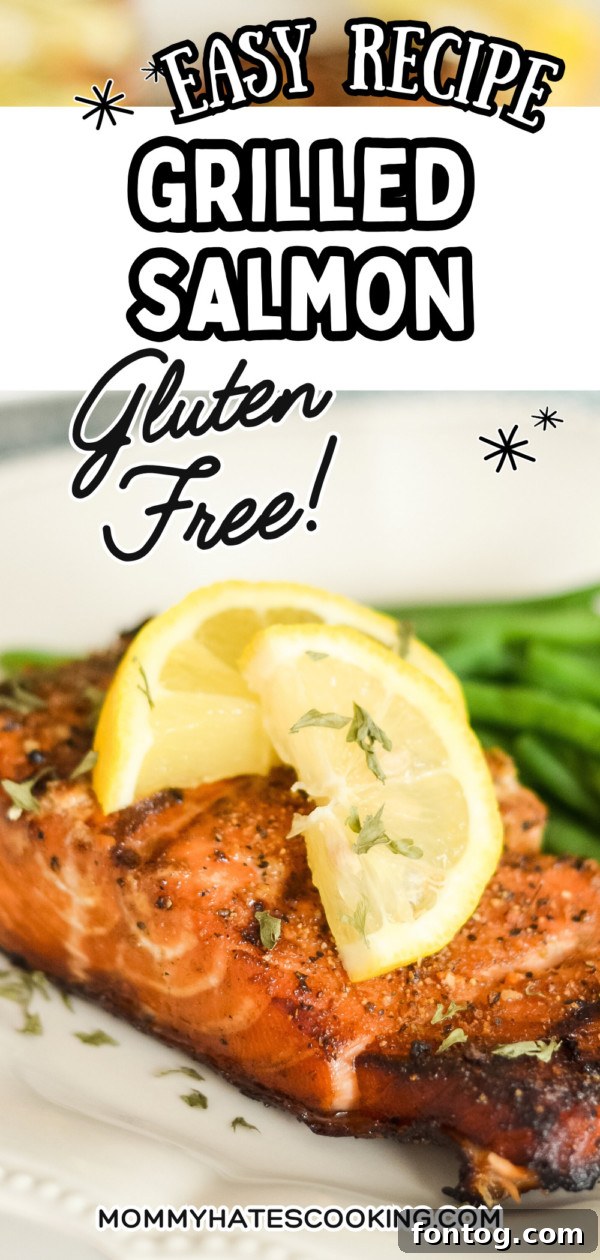
In conclusion, Pellet Grill Salmon is more than just a meal; it’s an experience. Its simplicity in preparation, combined with the profound flavors achieved through pellet grilling, makes it an essential recipe for every home cook. Whether you’re aiming for a quick weeknight dinner or an impressive weekend feast, this tender, smoky, and utterly delicious salmon will undoubtedly become a favorite. Embrace the ease and flavor of pellet grilling and enjoy this mouth-watering dish all season long!