The Ultimate Guide to Cleaning Your Ninja Foodi: Extend Its Life and Maintain Peak Performance
Mastering Ninja Foodi maintenance ensures longevity, efficiency, and delicious meals. Discover essential tips and a comprehensive step-by-step cleaning guide here.
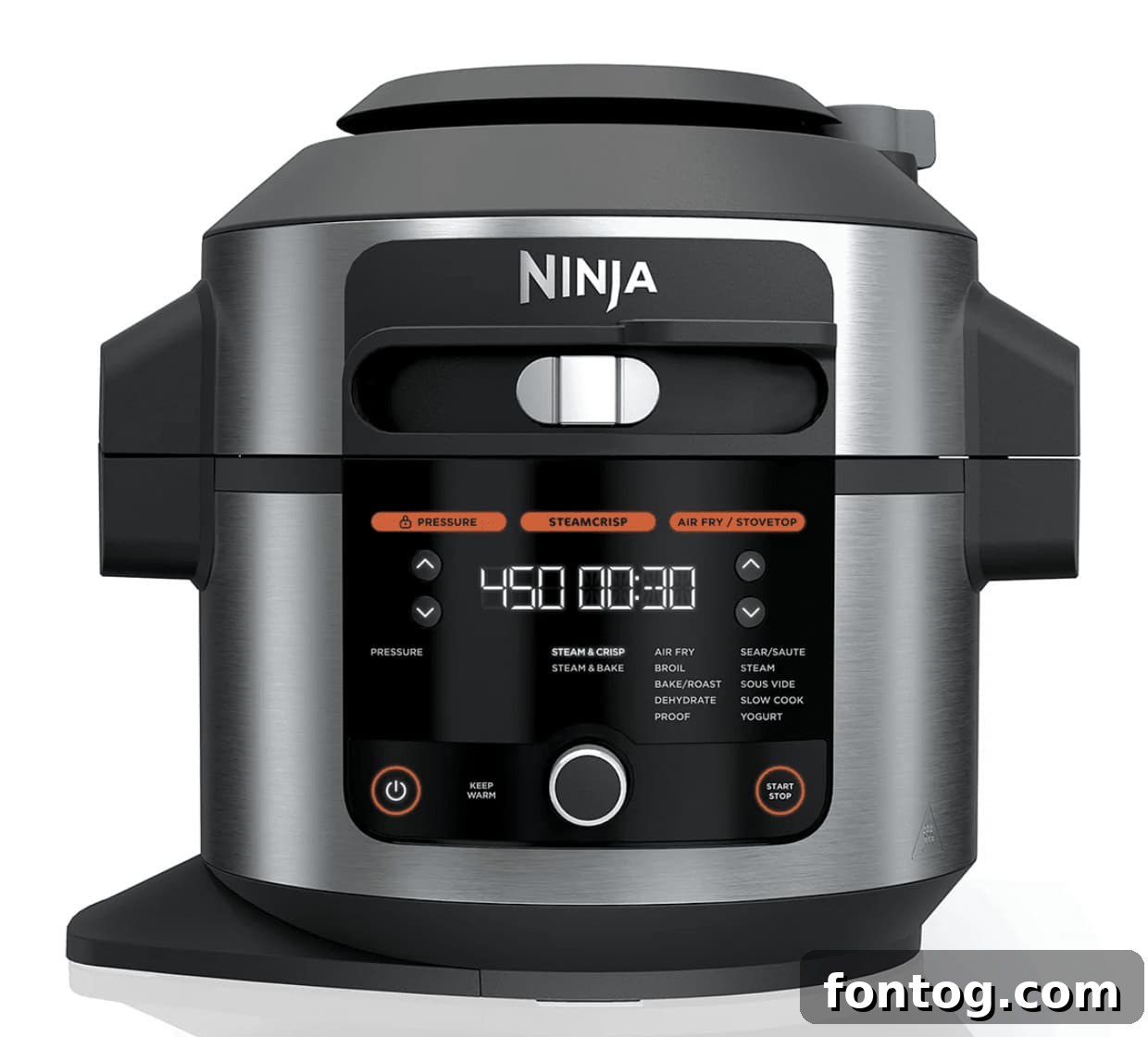
As an avid home cook, I can confidently say that the Ninja Foodi has transformed my kitchen experience. It’s more than just an appliance; it’s a versatile culinary powerhouse, seamlessly combining the functions of an air fryer, pressure cooker, slow cooker, and so much more into a single, sleek unit. Its ease of use and incredible functionality make it an indispensable tool for busy households and adventurous foodies alike.
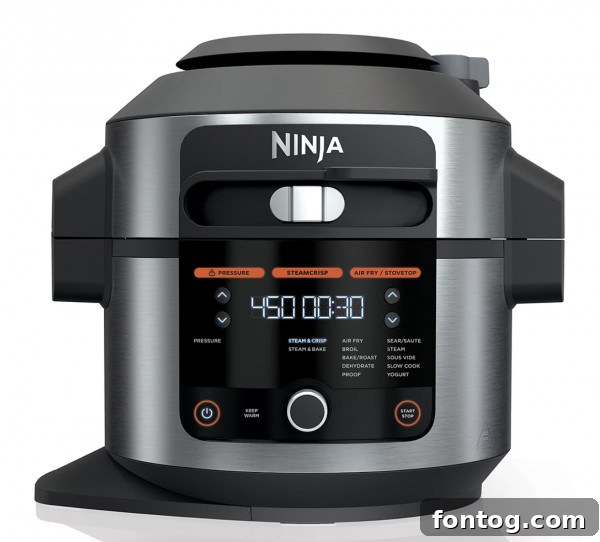
To further enhance its utility, the Foodi also boasts a wide array of accessories that unlock even more cooking possibilities. Given how much I rely on this amazing machine, ensuring its longevity and optimal performance is a top priority. And I’m sure for fellow Ninja Foodi enthusiasts, maintaining this kitchen gem is equally important.
That’s why I’ve put together this comprehensive guide on how to clean your Ninja Foodi. Proper cleaning isn’t just about aesthetics; it’s a critical aspect of food safety, appliance longevity, and maintaining the quality of your culinary creations. A well-maintained appliance minimizes the risk of foodborne illnesses, which can stem from accumulated grime, mold, and bacteria. Neglecting regular cleaning can lead to unpleasant odors, decreased efficiency, and even premature wear and tear, forcing you to replace your beloved Foodi sooner than necessary. You’d be amazed at the damage grease buildup and food particles can inflict over time!
Why Regular Ninja Foodi Cleaning Matters
Beyond simply keeping your appliance looking good, consistent cleaning plays a vital role in its overall health and your kitchen’s hygiene.
- Food Safety and Hygiene: Residues from cooking can become breeding grounds for bacteria and mold. A clean Ninja Foodi ensures that every meal you prepare is safe and delicious, free from unwanted contaminants.
- Optimal Performance and Efficiency: Accumulated grease and food particles can interfere with the Foodi’s heating elements, pressure sensors, and airflow mechanisms. Regular cleaning helps maintain even heating, efficient pressure cooking, and effective air frying, ensuring your appliance operates at its peak.
- Preventing Unpleasant Odors: Strong-smelling foods, especially those with spices or strong flavors, can leave lingering odors. Cleaning immediately after use, and performing deeper cleans, eliminates these smells, preventing them from transferring to your next dish.
- Extending Appliance Lifespan: Grease and food buildup can corrode parts, damage non-stick coatings, and clog vital components. Diligent cleaning protects these elements, significantly extending the life of your investment.
- Maintaining Aesthetic Appeal: A sparkling clean Ninja Foodi is a joy to behold in any kitchen. Regular wiping down prevents stubborn stains and keeps its sleek design looking brand new.
Essential Cleaning Principles for Your Ninja Foodi
Before diving into the detailed cleaning process, let’s establish some fundamental guidelines that apply to all Ninja Foodi models.
The Golden Rule: Hand Washing is Key
- Avoid the Dishwasher for Most Parts: Unlike some other kitchen appliances, many components of the Ninja Foodi, particularly the cooking pot and crisper basket, feature specialized non-stick coatings that can be damaged by the high heat and harsh detergents of a dishwasher. Plastic parts, like the pressure lid’s sealing ring, can warp or degrade. To preserve their integrity and non-stick properties, it is always best to wash these parts by hand using warm, soapy water. Always refer to your specific model’s user manual for definitive dishwasher-safe guidance, but generally, manual washing is the safest bet.
Gentle Cleaners for a Gentle Appliance
- Steer Clear of Harsh Chemicals and Abrasives: Chemical oven cleaners, abrasive scrubbing pads, or steel wool can scratch, discolor, or severely damage the non-stick surfaces and exterior finish of your Foodi. Not only can these chemicals be detrimental to the appliance itself, but residues can also leach into your food during subsequent cooking, posing health risks. The best approach is simple: warm water and mild dish soap. These are effective enough for most cleaning tasks without causing harm. For more stubborn grime, natural solutions like baking soda and vinegar are your best allies.
Tackling Tough Grime: The Power of Baking Soda
- For a Deep Clean, Embrace Baking Soda Paste: When faced with stubborn, caked-on food or grease that warm soapy water alone can’t conquer, a paste made from baking soda and water is incredibly effective and safe. Mix a small amount of baking soda with just enough water to create a thick paste. Apply this paste to the affected areas and let it sit for 10-15 minutes. The gentle abrasive action of the baking soda, combined with its deodorizing properties, will help lift and loosen grime without scratching surfaces. Use a soft sponge or cloth to gently scrub, then rinse thoroughly.
Frequency of Cleaning: A Routine for Longevity
Establishing a cleaning routine is crucial for maintaining your Ninja Foodi. While a full deep clean might only be necessary every few weeks or months, a basic clean after every use is highly recommended.
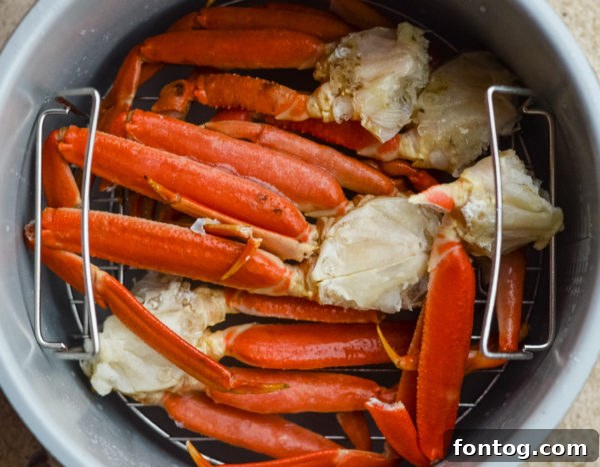
- After Every Use (Basic Clean): For everyday maintenance and odor prevention, especially after cooking fragrant meals, a quick steam clean is invaluable. Combine 1 cup of hot water and 1 cup of lemon juice (or white vinegar) in the cooking pot. Close the pressure lid and select the Pressure Cook function for 10 minutes. Allow for natural release, then carefully open the lid. The steam helps loosen food residue and the acidic liquid neutralizes odors. After the pot has cooled, wipe down the interior of the pot and the inside of the lids with paper towels or a damp cloth. This is a fantastic method if you’ve made a recipe like Ninja Foodi Crab Legs that tends to leave a strong aroma.
- Periodically (Deep Clean): If your Foodi starts to smell stale, shows visible grime buildup, or simply hasn’t had a thorough cleaning in a while, it’s time for a deep clean. Follow the detailed step-by-step instructions below.
Step-by-Step Deep Cleaning Your Ninja Foodi
This section provides a more in-depth, methodical approach to ensure every part of your Ninja Foodi is meticulously cleaned and maintained.
Step 1: Safety First – Unplug and Cool Down
- Always Prioritize Safety: Before you even begin to touch your Ninja Foodi for cleaning, ensure it is completely turned off and unplugged from the power outlet. This eliminates any risk of electrical shock. Furthermore, allow the appliance to cool down completely, especially if you’ve recently used it. Hot surfaces can cause burns and make cleaning difficult.
Step 2: Disassemble All Removable Components
- Remove Every Detachable Part: Carefully take out all removable parts from the main unit. This typically includes:
- The non-stick cooking pot (inner pot)
- The crisper basket (often used for air frying)
- Any reversible racks, multi-purpose racks, or other cooking trays
- The pressure cooker lid (if your model has one)
- The air fryer lid (integrated or separate, depending on model)
- The silicone sealing ring from the pressure lid (this often harbors odors and food particles)
- The anti-clog cap and float valve from the pressure lid
Step 3: Cleaning the Non-Stick Pot, Crisper Basket, and Racks
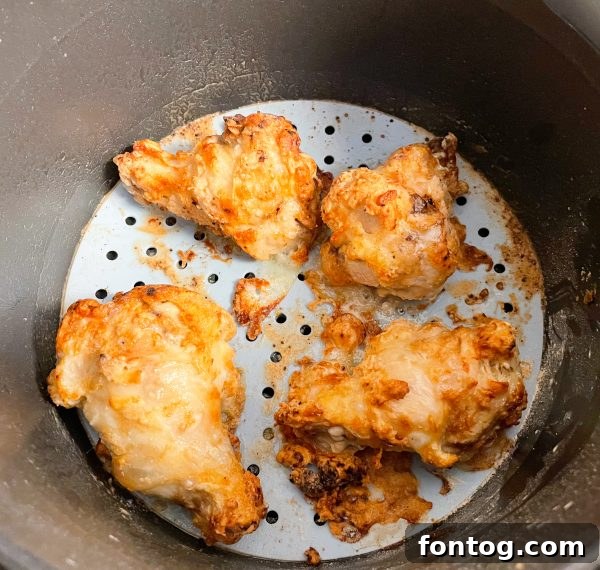
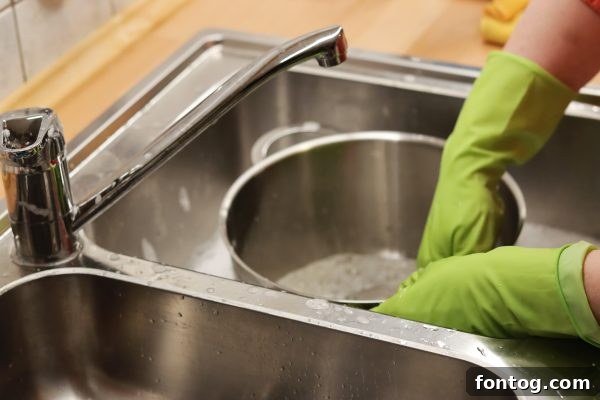
- Soak and Scrub Gently: Fill your sink with warm water and a good squirt of mild dish soap. Submerge the non-stick cooking pot, crisper basket, and any racks or trays. Let them soak for 10-15 minutes, which will help loosen any stuck-on food. After soaking, use a soft sponge or nylon brush to gently scrub away food residue. Pay special attention to corners and edges. Rinse thoroughly under running water, ensuring all soap residue is removed.
- Addressing Stubborn Spots: If there are still stubborn spots, refer to the baking soda paste method mentioned earlier. Apply the paste, let it sit, then gently scrub. Never use metal scouring pads or abrasive cleaners on non-stick surfaces.
Step 4: Mastering the Air Fryer Lid (and Heating Element)
- Cleaning the Underside and Heating Element: The air fryer lid, particularly the underside where the heating element and fan are located, can accumulate grease and food splatter. This area is crucial to clean for efficient air frying and to prevent smoke. With the unit unplugged and cool, use a damp cloth and mild dish soap to wipe down the exterior and the visible underside of the air fryer lid. For the heating element and the protective mesh screen, use a soft brush (like a stiff-bristled kitchen brush or even an old toothbrush) dipped in warm soapy water. Gently scrub around the heating coil and the mesh to dislodge grease and food particles. Be careful not to use excessive water, as you don’t want liquid to get into the internal electronics. A slightly damp cloth is ideal here. Afterwards, wipe down with a clean, damp cloth to remove any soap residue, then dry thoroughly.
Step 5: Tackling the Pressure Cooker Lid
- Thorough Lid Cleaning: The pressure lid requires special attention, especially the silicone sealing ring and valves. Remove the sealing ring and wash it in warm soapy water, scrubbing it gently to remove any food particles and odors. Inspect it for cracks or damage; replace if necessary. Clean the anti-clog cap and the float valve thoroughly, ensuring they are free of debris. Use a small brush or toothpick if needed to clear tiny openings. Rinse all parts well and allow them to air dry completely before reassembling the lid.
Step 6: Cleaning the Main Unit’s Interior and Exterior
- Wipe Down the Base: While the main unit itself should never be submerged in water, its interior cavity and exterior can get greasy. Use a clean, damp cloth with a small amount of mild dish soap to wipe down the inside cavity of the Foodi, removing any splatters or spills. Pay attention to the control panel, gently wiping it to remove fingerprints and grease. Follow up with a clean, damp cloth to remove soap residue, then dry with a soft towel. You shouldn’t have to do this too often, but it’s good practice to get into the habit if you notice any grease.
Step 7: Drying and Reassembly
- Ensure Complete Dryness: This step is critical to prevent mold, mildew, and potential damage to electrical components. Ensure all cleaned parts – the pot, basket, lids, and sealing ring – are completely dry before reassembling them into the main unit. You can air dry them on a dish rack or wipe them dry with a clean cloth. Once dry, carefully reassemble all the components, making sure the sealing ring is properly seated in the pressure lid and all valves are correctly in place.
Advanced Tips for a Pristine Foodi
- Preventative Measures: To minimize heavy cleaning, consider using accessories like parchment paper liners for the crisper basket or silicone mats in the cooking pot when air frying or baking. These can catch drips and prevent food from sticking directly to the surfaces.
- Dealing with Stubborn Odors: If the lemon juice steam method isn’t enough, try the same method with white vinegar, which is an excellent natural deodorizer. Alternatively, place a bowl of white vinegar or crumpled newspaper (which absorbs odors) inside the Foodi with the lid closed for a few hours or overnight.
- Proper Storage: Store your Ninja Foodi with the lids slightly ajar if possible, or place a paper towel between the pot and the lids. This allows air circulation and prevents moisture from building up, which can lead to stale odors or mold.
FAQs About Ninja Foodi Cleaning
Here are answers to some common questions regarding Ninja Foodi maintenance:
Q: Can I put Ninja Foodi parts in the dishwasher?
A: Generally, no. Most Ninja Foodi components, especially the non-stick cooking pot and crisper basket, are best washed by hand to preserve their coatings and prevent warping. Always check your specific model’s manual for dishwasher-safe components, but manual washing is the safest and most recommended method.
Q: How often should I deep clean my Ninja Foodi?
A: A basic clean (steam with lemon/vinegar and wiping) is recommended after every use. A deep clean, following the step-by-step guide, should be done every few weeks or once a month, depending on how frequently you use the appliance and what types of food you cook.
Q: What if my Foodi smells bad even after cleaning?
A: Persistent odors usually indicate stubborn food residue or a neglected sealing ring. Try the lemon or vinegar steam method again, or place a bowl of baking soda or activated charcoal inside the Foodi overnight. Ensure the sealing ring is thoroughly cleaned and aired out. Replacing the sealing ring periodically can also help, as silicone can absorb odors over time.
Q: What cleaning products are safe to use on my Ninja Foodi?
A: Mild dish soap, warm water, baking soda, white vinegar, and soft sponges or cloths are the safest and most effective cleaning agents. Avoid abrasive cleaners, harsh chemicals, metal scrubbers, and oven cleaners at all costs.
Now that you’ve cleaned your Ninja Foodi, you’re ready to use it again!
With a fresh, clean appliance, it’s time to unleash your culinary creativity once more! Be sure to check out the Ninja Foodi Recipe Index for a wealth of delicious meals you can create with your perfectly maintained Ninja Foodi.