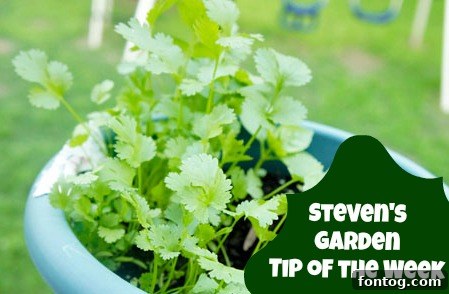
Cultivating Success: Steven’s Top 10 Essential Gardening Tools and Tips for Every Enthusiast
Welcome, fellow green thumbs and aspiring gardeners! Last month, we delved into our Grilling Top 10 Essentials, perfect for summer cookouts. This month, we’re shifting our focus to the soil beneath our feet and the vibrant life it brings. We’re incredibly excited to share Steven’s Gardening Top 10 Essentials – a curated list born from years of hands-on experience and a genuine passion for cultivating a flourishing garden.
Whether you’re just starting your gardening journey or looking to refine your existing green space, understanding the foundational tools and principles is key. Steven, my husband and our resident gardening expert, has poured his practical wisdom into this list. He truly had to reflect on what items he considers indispensable when advising someone embarking on their first gardening adventure. While this list isn’t exhaustive, and you might not need every single item to begin, it offers a fantastic framework for building a productive and enjoyable garden.
Gardening is more than just a hobby; it’s a therapeutic endeavor, a source of fresh produce, and a way to connect with nature. It teaches patience, resilience, and the sheer joy of watching something grow from seed to harvest. Steven’s insights stem from countless hours spent in the garden, learning what truly makes a difference. Just last week, he acquired a new tiller – a smaller, more agile model designed to navigate between plants with ease. His excitement about this new addition highlights how even experienced gardeners continuously seek tools that enhance efficiency and enjoyment. It quickly earned a spot on his must-have list!
Steven’s Top 10 Gardening Essentials: Building Your Foundation for a Thriving Garden
Here are Steven’s essential picks, offering a blend of fundamental tools and invaluable knowledge for every gardener.
1. Plants: The Heart of Your Garden
This might seem obvious, but selecting the right plants is the very first step to a successful garden. It goes beyond just picking what looks pretty. Consider your local climate, the amount of sunlight your garden receives daily, and your soil type. Are you in a region with long, hot summers or short growing seasons? Do you have full sun, partial sun, or shade? For beginners, starting with easy-to-grow vegetables like lettuce, radishes, bush beans, or herbs such as basil and mint can build confidence. Tomatoes, peppers, and cucumbers are also popular choices but often require a bit more support. Decide whether you want to start from seeds, which can be more economical and offer a wider variety, or purchase starter plants from a nursery for a quicker head start. Understanding the specific needs of each plant – its watering requirements, preferred soil pH, and ideal spacing – is crucial for a bountiful harvest. Research what thrives in your USDA hardiness zone to ensure your efforts are rewarded.
2. Hoe: Your Go-To for Weeding and Soil Preparation
A trusty hoe is an indispensable tool for any gardener, crucial for breaking up compacted dirt, weeding, and creating furrows for planting. There are various types, each suited for specific tasks. A traditional garden hoe (or “draw hoe”) is excellent for chopping weeds and moving soil. A stirrup hoe (or “loop hoe”) is fantastic for cutting weeds just below the soil surface with minimal effort, making it ideal for maintaining pathways and larger beds. A collinear hoe, with its narrow, sharp blade, is perfect for precision weeding between closely spaced plants. Regular hoeing not only keeps weeds at bay, preventing them from competing with your plants for nutrients and water, but also helps to aerate the soil, improving drainage and root development. When choosing a hoe, look for a sturdy handle and a sharp, durable blade. Proper technique involves using short, shallow strokes to avoid disturbing plant roots.
3. Tiller: Efficient Soil Cultivation
Steven’s newfound love, the tiller, is a game-changer for efficiently preparing and maintaining garden beds. While a hoe is excellent for smaller tasks, a tiller makes quick work of breaking up tough soil, mixing in compost or other amendments, and creating a fine seedbed. Tillers come in various sizes: large rear-tine tillers for heavy-duty work in new gardens, front-tine tillers for established plots, and smaller mini-tillers or cultivators. Steven’s preference for a smaller model highlights their versatility – they can easily maneuver between established plants, allowing for targeted cultivation and weed control without damaging delicate roots. This precision is invaluable for keeping the soil healthy and aerated throughout the growing season. Using a tiller saves significant time and effort compared to manual digging, particularly for larger gardens. Remember to clear the area of rocks and debris before tilling, and always follow safety guidelines.
4. Guide Book on Plants: Your Botanical Reference
For anyone starting a garden, or even seasoned gardeners encountering new varieties, a comprehensive guide book on plants is an invaluable resource. This isn’t just a luxury; it’s a foundational tool for informed gardening. A good guidebook will provide essential information on different plant species, including their preferred growing conditions (sunlight, soil type, water needs), planting times, common pests and diseases, and harvesting tips. It helps you understand what will thrive in your specific garden environment and how to care for it effectively. Look for books that are regionally specific or cover a broad range of plants suitable for your climate. Your local library is an excellent starting point, or consider investing in a well-regarded reference book. Complementing physical books with online resources, university extension offices, and local gardening clubs can further expand your knowledge base, helping you troubleshoot problems and identify unknown plants or pests.
5. Plant Cages & Supports: Vertical Growth and Protection
As plants grow, many require structural support to prevent them from sprawling across the garden, which can lead to disease, pest problems, and reduced yields. Plant cages, like the popular tomato cages, are essential for keeping vining and heavy-fruiting plants upright and contained. They encourage vertical growth, allowing for better air circulation around the plant, which is crucial for preventing fungal diseases. Cages also make harvesting easier and keep fruit off the ground, where it’s susceptible to rot and pests. Beyond tomatoes, plants like peppers, cucumbers (with proper training), and even some berry bushes benefit from support. Explore different types of supports: sturdy metal cages, stakes, trellises, or even DIY solutions using netting or bamboo. Installing supports early in the plant’s life is key, as trying to add them later can damage the plant. Proper staking ensures your plants remain healthy and productive throughout their growth cycle.
6. Fertilizer: Nourishing Your Soil for Peak Performance
Just as humans need nutrients to grow and thrive, so do your plants. Fertilizer is a must-have to replenish soil nutrients and ensure your plants remain healthy, vigorous, and productive. Soil testing can help you understand your specific soil deficiencies, guiding your fertilizer choices. Fertilizers typically provide nitrogen (N) for leafy growth, phosphorus (P) for root and flower development, and potassium (K) for overall plant health and disease resistance. You can choose between organic options like compost, well-rotted manure (which Steven has explored in his tip on manure), bone meal, or fish emulsion, and synthetic granular or liquid fertilizers. Each has its advantages: organic options improve soil structure over time, while synthetic fertilizers offer quick nutrient delivery. Always follow application instructions carefully to avoid over-fertilizing, which can harm plants. Consistent and appropriate fertilization ensures your plants have the fuel they need for robust growth and abundant harvests.
7. Water Hose: The Lifeline of Your Garden
Water is the essence of life, and in gardening, a reliable water hose is a non-negotiable essential, especially if you live in regions prone to dry, hot summers. A good quality hose ensures efficient watering without constant kinking or leaks, which can be incredibly frustrating. When selecting a hose, consider its material (rubber hoses are durable but heavier, while vinyl is lighter but less robust), length (it needs to comfortably reach all corners of your garden), and the quality of its fittings. Investing in a durable, kink-resistant hose will save you headaches and replacements in the long run. Pair it with a versatile nozzle that offers various spray patterns, from a gentle shower for delicate seedlings to a strong stream for cleaning. Efficient watering practices, such as deep watering less frequently to encourage deep root growth, are vital. Ensure your hose is stored properly, out of direct sunlight, to extend its lifespan.
8. Sprinkler: Automated and Efficient Watering
While a hose is great for targeted watering, sprinklers become invaluable for broader coverage, especially for larger gardens or when ongoing, consistent hydration is required. Many gardens need more than just a few minutes of daily watering; they need prolonged, gentle irrigation to allow water to penetrate deep into the soil. Sprinklers can provide this, saving you time and effort. There’s a wide array of options: oscillating sprinklers for rectangular areas, impulse sprinklers for wide circular coverage, and rotary sprinklers for even distribution over large zones. For water conservation, consider drip irrigation systems, which deliver water directly to the plant roots, minimizing evaporation. While the initial investment and occasional increase in water bills during peak gardening months might seem daunting, the benefits of healthy, well-hydrated plants often outweigh these costs. Setting up a timer with your sprinkler can automate watering, ensuring your garden receives consistent moisture even when you’re busy.
9. Farmer’s Almanac: A Timeless Guide to Nature’s Rhythms
My husband is a strong advocate for the Farmer’s Almanac, a classic resource that blends traditional wisdom with practical gardening advice. This annual publication offers a wealth of information beyond simple weather forecasts. It provides detailed guidance on planting dates based on lunar cycles and regional climate data, helping you optimize your sowing and harvesting schedules for various crops. The Almanac includes invaluable tips on managing pests and diseases, understanding soil health, and even historical context for gardening practices. For gardeners who appreciate a holistic approach, it covers everything from astrological planting guides to best times for transplanting. While modern science offers much, the Almanac provides a complementary perspective, often reflecting centuries of accumulated agricultural knowledge. It’s a wonderful resource for understanding the nuances of your chosen plants and aligning your gardening efforts with natural cycles, making it a truly unique and helpful guide.
10. Patience: The Most Important Gardening Essential
Last, but certainly not least, and arguably the most crucial “tool” in any gardener’s arsenal, is patience. Gardening is a journey, not a sprint. Once you’ve planted your seeds or seedlings, it takes time, consistent nurturing, and an understanding that nature operates on its own schedule to see real growth and yield a harvest. There will be successes – the joy of plucking your first ripe tomato or crisp lettuce leaf – and there will be setbacks. Sometimes certain crops won’t thrive despite your best efforts; pests might attack, or unexpected weather might occur. Learning from these experiences, adapting your strategies, and accepting that not every plant will flourish is part of the process. Gardening teaches resilience, mindfulness, and the profound satisfaction of connecting with the earth. Embrace the waiting, celebrate the small victories, and find joy in the continuous cycle of growth, even when perfection eludes you. Patience is the secret ingredient to a truly fulfilling gardening experience.
Beyond the List: What Are Your Gardening Must-Haves?
Steven’s Top 10 Essentials provide a robust foundation for anyone looking to cultivate a thriving garden. From the practical tools that prepare the soil and support growth to the intellectual resources that guide your decisions and, most importantly, the intangible virtue of patience, this list is designed to set you up for success. Gardening offers endless rewards, from fresh, healthy food on your table to the simple pleasure of watching life unfold in your backyard.
We’ve shared Steven’s wisdom, and now we want to hear from you! Are you an experienced gardener with years of dirt under your fingernails, or are you just starting your first raised bed? What tools, techniques, or insights have you discovered that you truly can’t live without in your own gardening journey? Perhaps you swear by a specific type of glove, a unique soil amendment, or a clever watering system. Maybe you have a tip about companion planting or a favorite method for deterring pests.
Share Your Gardening Secrets!
Your experiences and recommendations are invaluable to our community of home gardeners. Please share your thoughts and essential items in the comments below. Let us know what makes your garden flourish and what advice you’d offer to fellow enthusiasts. Together, we can build a comprehensive resource for cultivating beautiful, productive, and joyful gardens.
Have you explored our other helpful guides? Be sure to check out Mommy Hates Cooking Products and Services for more resources.
Looking for culinary inspiration to use your garden’s bounty? Browse the extensive Recipe Index by Mommy Hates Cooking.