Mastering Menu Planning: Your Ultimate Guide to Organized, Stress-Free Meals
In today’s demanding world, the challenge of consistently providing nutritious and delicious meals for our families can feel overwhelming. Balancing work, family commitments, and personal time often leaves little room for thoughtful meal preparation, leading to last-minute decisions, impulse buys, and increased stress. However, there’s a powerful yet simple solution that can transform your kitchen routine and bring a renewed sense of calm to your daily life: strategic menu planning.
Menu planning is more than just jotting down dinner ideas; it’s a holistic approach to managing your food, time, and budget. Whether you’re a culinary novice or a seasoned home cook seeking fresh inspiration, understanding and implementing effective meal planning strategies can revolutionize your approach to food. This guide will walk you through the immense benefits of planning your meals, provide actionable steps to get started, and introduce you to advanced techniques like freezer cooking and building pantry meals. Are you ready to convert mealtime from a daily chore into an anticipated, enjoyable event?
The Transformative Benefits of Effective Menu Planning
Adopting a regular menu planning habit offers a multitude of advantages that ripple through various aspects of your life, extending far beyond the dinner table. Let’s explore the key ways this simple practice can significantly enhance your household management and overall well-being:
1. Unlock Significant Financial Savings
One of the most immediate and impactful benefits of menu planning is its profound effect on your household budget. Spontaneous grocery store trips often result in unnecessary purchases, while a lack of a plan can lead to frequent, expensive takeout orders. By planning your meals, you create a precise shopping list, ensuring you buy only what you need. This strategic approach dramatically reduces impulse buys, minimizes food waste from forgotten ingredients, and helps you capitalize on sales and promotions. Imagine the substantial amount of money you could save each month, simply by being more intentional and organized with your food choices!
2. Reclaim Your Precious Time and Energy
The daily “what’s for dinner?” dilemma can be a significant drain on your time and mental energy. Menu planning eliminates this common source of stress by providing a clear culinary roadmap for the week or month ahead. This foresight allows for efficient, fewer grocery trips, streamlines your cooking processes, and even enables batch preparation on weekends. Knowing exactly what you’re preparing each day frees up valuable evening hours that would otherwise be spent agonizing over meal decisions, allowing you to dedicate more time to hobbies, family, or relaxation.
3. Alleviate Stress and Mental Load
The continuous pressure to make decisions, particularly about something as fundamental as daily meals, contributes significantly to mental fatigue. A well-structured menu plan acts as a powerful stress reducer, providing clarity and confidence for mealtimes. When your meals are planned, you approach the kitchen with purpose, knowing you have all the necessary ingredients and a clear recipe to follow. This pre-emptive organization reduces anxiety for everyone in the household, fostering a more harmonious and predictable home environment.
4. Cultivate Healthier Eating Habits
Menu planning empowers you to take deliberate control over your family’s nutrition. By consciously planning your meals, you can ensure a balanced intake of fruits, vegetables, whole grains, and lean proteins, naturally reducing reliance on processed foods or less healthy last-minute options. This practice makes it easier to manage dietary restrictions, address allergies, and consistently provide wholesome meals. It’s an invaluable tool for anyone committed to achieving specific health goals, whether it’s weight management, improved energy levels, or simply eating more nourishing food.
5. Drastically Reduce Food Waste
Food waste is a pressing global issue with significant environmental and economic implications. Menu planning is a highly effective strategy for minimizing what ends up in the bin. By strategically utilizing ingredients across multiple meals and purchasing only what you intend to consume, you significantly cut down on spoilage. This responsible approach not only saves you money but also promotes a more sustainable and eco-conscious lifestyle, making a tangible difference with every meal.
Getting Started: Your First Steps Towards Organized Meal Planning
The idea of planning all your meals might seem daunting initially, but with a structured approach, it’s entirely manageable. Here’s how you can begin your journey to more organized and less stressful mealtimes:
- Assess Your Current Culinary Landscape: Start by understanding your existing eating habits. What are your go-to dishes? Which meals does your family consistently enjoy? How often do you currently dine out or order in? Take stock of typical ingredients you always have on hand.
- Conduct a Thorough Pantry & Fridge Inventory: Before you shop, know what you already possess. This crucial step prevents duplicate purchases and often inspires new meal ideas. Document all your staples – canned goods, dried pasta, grains, frozen meats, and fresh produce.
- Curate Your Recipe Collection: Gather inspiration from various sources: beloved family recipes, cookbooks, food blogs, or Pinterest boards. Organize them in a way that’s easily accessible, whether it’s a physical binder, a digital folder, or a dedicated app.
- Determine Your Planning Frequency: Decide on a planning cycle that suits your lifestyle. Planning for a full week is an excellent starting point for beginners, but you might opt for 3-day plans or even monthly overviews as you gain confidence.
- Consider Your Weekly Schedule: Align your meal plan with your daily commitments. Reserve quick, easy-to-prepare meals for busy weeknights and save more involved recipes for days when you have ample time, like weekends.
- Experiment with Theme Nights: Incorporating theme nights such as “Taco Tuesday,” “Pasta Wednesday,” or “Meatless Monday” can simplify decision-making and add an element of fun and variety to your weekly menu.
Exploring Diverse Menu Planning Methods
There is no universal “best” way to plan meals; the most effective method is one that seamlessly integrates with your personal preferences and family dynamics. Consider these popular strategies:
- Weekly Planning: The most common and highly recommended approach for consistency. Plan all breakfasts, lunches, and dinners for the upcoming seven days, typically leading to a single, efficient grocery trip.
- Monthly Planning: For the more advanced and dedicated planner, crafting a monthly overview can yield immense efficiency. While it requires more upfront time, it significantly reduces weekly planning efforts and provides a longer-term vision.
- Flexible Planning: Instead of rigidly assigning specific meals to specific days, create a list of 7-10 dinner ideas for the week. This allows for adaptability based on daily cravings, changing schedules, or unexpected events.
- Theme-Based Planning: As previously mentioned, dedicating specific themes (e.g., Italian, Asian, Comfort Food, Soups & Salads) simplifies recipe selection and ensures a diverse range of culinary experiences throughout the week.
- Batch Cooking & Freezer Meals: This powerful strategy involves preparing larger quantities of meals or individual components (such as cooked grains, roasted vegetables, or sauces) and freezing them for later consumption. It’s an enormous time-saver for busy periods.
Deep Dive into Freezer Cooking: A Game-Changer for Busy Households
Among the most impactful menu planning techniques, freezer cooking stands out as an indispensable strategy for anyone striving for efficiency in the kitchen. This method involves preparing entire meals or key components in advance and then freezing them, making them readily available to be defrosted and quickly cooked on a busy day. It’s a remarkably effective way to save substantial time on hectic weeknights, minimize food waste, and adhere to a budget.
Envision arriving home after a long, demanding day, with the comforting knowledge that a wholesome, homemade meal is merely minutes away from being served, requiring minimal effort. This is the profound convenience of freezer cooking! A vast array of dishes, from hearty casseroles and warming stews to pre-marinated meats and pre-chopped vegetables, can be successfully prepped and frozen. This strategy is particularly potent when you dedicate a specific block of time, perhaps a Sunday afternoon, to a “freezer meal prep” session, transforming your kitchen into an efficiency powerhouse.
The compelling advantages of integrating freezer cooking into your routine include:
- Exceptional Time Efficiency: The principle of “cook once, eat many times” drastically cuts down daily cooking chores and reduces kitchen cleanup.
- Significant Cost Savings: This method enables you to purchase ingredients in bulk when they are on sale, maximizing your grocery budget.
- Consistent Healthy Eating: Having healthy, homemade options always at the ready acts as a powerful deterrent against resorting to unhealthy fast food or expensive takeout.
- Elimination of Mealtime Stress: The “what’s for dinner?” panic becomes a distant memory when you have a well-stocked freezer of prepared meals.
- Remarkable Reduction in Food Waste: By processing and freezing ingredients before they spoil, you ensure greater utilization of your groceries.
We will delve into a comprehensive array of practical, freezer-friendly recipes, efficient packaging techniques, and expert tips for maximizing your freezer’s potential during our dedicated class.
Mastering Pantry Meals: Culinary Creations from Your Stock
In tandem with the benefits of freezer cooking, cultivating the skill of crafting pantry meals is another invaluable asset for sophisticated menu planning. Pantry meals are those wonderfully satisfying and resourceful dishes you can assemble primarily from ingredients already nestled in your pantry, refrigerator, and freezer. These typically include long-lasting staples such as dried pasta, various canned goods (tomatoes, beans, corn), rice, a selection of dried herbs and spices, frozen vegetables, and shelf-stable proteins.
Developing and maintaining a thoughtfully organized and well-stocked pantry is akin to possessing a strategic culinary reserve. It offers unparalleled flexibility and peace of mind, assuring you that even when a spontaneous trip to the grocery store isn’t feasible, a nourishing and delicious meal is always within effortless reach. Learning to creatively combine these essential staples not only prevents food waste by utilizing items before their expiration but also significantly reduces the frequency and urgency of your grocery runs.
Classic examples of versatile pantry meals include:
- A comforting pasta dish with a robust marinara sauce (featuring canned crushed tomatoes, dried Italian herbs, and dried pasta).
- Hearty bean and rice bowls (using canned black or pinto beans, cooked rice, your favorite spices, and perhaps some frozen corn or salsa).
- A wholesome lentil soup (crafted from dried lentils, canned diced tomatoes, vegetable broth, and dried or frozen chopped carrots and celery).
- Quick and satisfying tuna melts (requiring canned tuna, sliced bread, a bit of cheese, and mayonnaise).
Our upcoming class will provide expert guidance on optimizing your pantry organization for peak efficiency and demonstrating how to transform these everyday staples into exciting, wholesome, and incredibly flavorful meals.
Advanced Tips and Tricks for Sustainable Menu Planning
Once you’ve confidently established the foundational principles of menu planning, these advanced strategies will help you further refine your process and maintain long-term success:
- Implement a Rotating Meal Cycle: Develop a rotating list of 3-4 weeks of distinct meal plans. This approach prevents meal fatigue, introduces variety, and significantly simplifies the weekly planning process, as you simply pull from a pre-approved rotation.
- Maximize Ingredient Overlap and Versatility: Strategically plan meals that share common core ingredients. For example, roast a large chicken early in the week and repurpose the leftovers for chicken tacos, enriching sandwiches, or healthy salads on subsequent days.
- Embrace Seasonal Eating: Integrate seasonal produce into your menu. Not only does this offer fresher, more flavorful ingredients, but it also typically leads to better prices and supports local agriculture.
- Expand Planning Beyond Dinner: Extend your meticulous planning to include breakfasts and lunches. Prepare batch items like overnight oats, hard-boiled eggs, or large salads at the beginning of the week to ensure nutritious options are always available.
- Engage the Entire Family: Involve family members in the meal selection process. Allowing everyone to contribute to choosing meals increases their buy-in and can even help distribute preparation tasks more evenly.
- Establish a “Fallback Meal” System: Always keep the necessary ingredients for one or two extremely quick and simple meals on hand. These “fallback” options are invaluable for unexpected busy nights or when plans suddenly change.
- Regularly Review and Refine Your Strategy: At the close of each week, take a few moments to assess what worked well and what didn’t. Did a recipe take too long? Were certain ingredients unused? Adjust your future plans based on these valuable insights for continuous improvement.
A Special Invitation: “Organizing with Menu Planning” Class!
Are you truly ready to move beyond the aspiration of a more organized kitchen and start experiencing its reality? Do you yearn for practical, actionable steps to master the art of menu planning, confidently execute freezer cooking, and skillfully assemble delicious pantry meals? If so, we have meticulously crafted the perfect solution designed just for you!
I am absolutely delighted to announce an exclusive, in-depth class titled “Organizing with Menu Planning.” This interactive session is expertly designed to equip you with the essential knowledge, proven tools, and unwavering confidence required to fundamentally streamline your meal preparation process and infuse lasting order into every facet of your culinary life. We will extensively explore all the topics detailed in this guide and much more, providing you with a comprehensive, actionable framework for unparalleled success in your kitchen.
During this transformative class, you will:
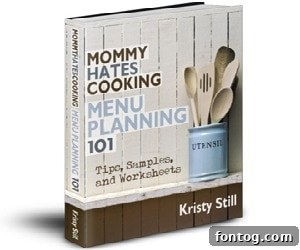
- Receive a detailed walkthrough of the precise points outlined in my exclusive E-Book, enriched with deeper insights, real-world examples, and practical application tips.
- Examine and adapt a diverse array of sample menu plans, illustrating how to customize them for varying family sizes, specific dietary requirements, and dynamic lifestyles.
- Actively brainstorm creative and highly effective ideas for personalized menu planning, ensuring you depart with a tailored strategy that truly resonates with your unique needs.
- Discover and implement proven methodologies for seamlessly integrating menu planning into your daily routine, empowering you to become genuinely organized and remarkably efficient in the kitchen.
- Dive deep into the intricacies of freezer cooking, covering everything from selecting the most suitable recipes to mastering proper portioning, packaging, and long-term storage techniques.
- Unlock the coveted secrets to building versatile and flavorful pantry meals, maximizing the potential of your stored ingredients and minimizing last-minute grocery runs.
- Participate in a dedicated Q&A session, providing you with a unique opportunity to address your specific challenges and receive personalized, expert advice.
This class is an unparalleled resource, brimming with invaluable information, hands-on tips, and profound inspiration designed to empower you to transform your kitchen into an epicenter of efficiency, creativity, and deliciousness. Regardless of whether you’re a complete beginner eager to start or someone looking to significantly refine existing skills, you will acquire practical, immediately implementable strategies.
Essential Class Details:
- Date: September 18th
- Location: Jenks Community Center, Jenks, Oklahoma
- Time: 6:30 PM – 8:00 PM
- Cost: $10 per person
Seize this incredible opportunity to take decisive control of your meal planning and revolutionize your approach to home cooking! Spaces for this interactive and personalized experience are strictly limited to ensure optimal engagement, so prompt registration is highly encouraged to guarantee your spot.
To register and confidently secure your place in this transformative “Organizing with Menu Planning” class, please navigate directly to the
Jenks Community Education website
and complete your sign-up today!
I eagerly anticipate the opportunity to meet you there and personally guide you on an exciting journey towards a more organized, significantly less stressful, and incredibly delicious life, all achieved through the power of effective menu planning!