Homemade Stewed Tomatoes: Your Ultimate Guide to Preserving Garden Freshness
There’s a special kind of joy that comes with a bountiful harvest from your garden, especially when it involves vibrant, juicy tomatoes. If you find yourself with an overwhelming abundance of these red gems, or perhaps a generous neighbor keeps sharing their surplus, you’re in the perfect place. We’ve all been there – a counter piled high with ripe tomatoes, a ticking clock before they lose their peak freshness. The solution? Stew them! This simple, yet incredibly rewarding process allows you to capture that summer-fresh flavor and preserve it for months to come, ensuring your pantry is stocked with homemade goodness throughout the year.
Why Stew Your Own Tomatoes? The Benefits of Homemade
The idea of stewing and freezing tomatoes for later use is nothing short of brilliant. It transforms a fleeting seasonal bounty into a year-round culinary asset. But why go through the effort when store-bought options are readily available? The answer lies in several key advantages:
- **Unmatched Flavor:** Homemade stewed tomatoes burst with a fresh, natural flavor that commercial products simply can’t replicate. You control the ingredients, ensuring no artificial preservatives or excessive sodium.
- **Cost-Effective:** Utilizing your garden’s yield or a neighbor’s generous offering means significantly cutting down on your grocery bill for a pantry staple.
- **Customization:** When you make them yourself, you can tailor the flavor profile to your preferences. Add your favorite herbs, adjust sweetness or acidity, and control the thickness to suit your needs.
- **Healthier Choice:** You know exactly what goes into your stewed tomatoes. This means avoiding high fructose corn syrup, undisclosed additives, and often, high sodium levels found in many canned varieties.
- **Reduced Waste:** Stewing is an excellent way to prevent food waste when you have more tomatoes than you can consume fresh.
- **Versatility:** Stewed tomatoes are an incredibly versatile ingredient, forming the base for countless dishes from comforting soups and hearty chilis to delectable pasta sauces and robust casseroles.
Embracing the art of stewing tomatoes is not just about preservation; it’s about elevating your cooking with the finest, freshest ingredients, all year long.
Gather Your Supplies: What You’ll Need
Before you dive into the stewing process, ensure you have all the necessary items on hand. You won’t need anything fancy, just standard kitchen tools and a few simple ingredients:
- **Tomatoes:** As many as you have! Ripe, red tomatoes are best. Roma, beefsteak, or even a mix of varieties work well.
- **A large pot or stockpot:** For boiling the tomatoes and then for stewing.
- **A strainer or colander:** To drain the boiled tomatoes.
- **A large bowl:** For holding peeled tomatoes.
- **Sharp knife and cutting board:** For preparing the tomatoes.
- **Pinch of sugar:** To balance the acidity of the tomatoes.
- **1-2 tablespoons of butter:** Adds a touch of richness and smooth texture.
- **Freezer-safe storage bags or containers:** For preserving your stewed tomatoes.
- **(Optional) Ice bath:** A bowl of ice water can help stop the cooking process and make peeling easier after blanching.
- **(Optional) Cornstarch:** If you desire a much thicker consistency for your stewed tomatoes.
- **(Optional) Seasonings:** Salt, black pepper, garlic powder, onion powder, basil, oregano, etc., to taste.
Step-by-Step Guide: How to Stew Tomatoes Like a Pro
The process of stewing tomatoes is straightforward, requiring a few simple steps. The key is proper preparation to ensure a smooth, flavorful product.
Step 1: Preparing Your Tomatoes
The first crucial step is to prepare your fresh tomatoes. Begin by thoroughly washing all your tomatoes under cool running water to remove any dirt or garden residue. Next, using a sharp knife, carefully cut out the green core or stem end from each tomato. This part is often tougher and less flavorful, so removing it ensures a better final product. Don’t worry if you miss a few in the beginning; you’ll get the hang of it quickly.
Once the cores are removed, it’s time to deal with the skins. While some recipes call for leaving the skins on, removing them results in a smoother, more palatable stewed tomato product, free from tough, curling skins. There are two main methods for this:
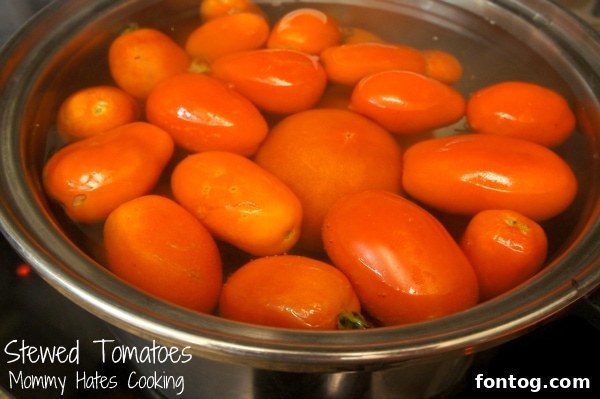
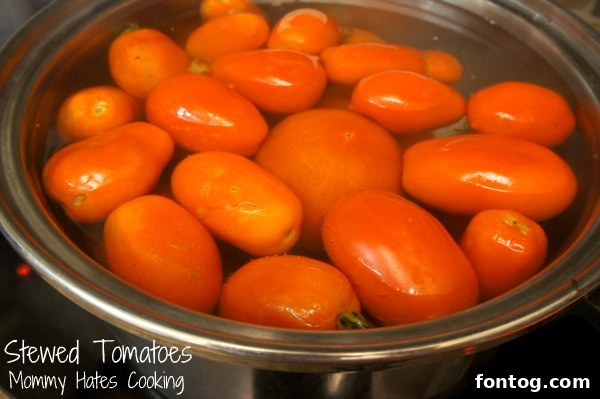
- **Boiling:** Bring a large pot of water to a rolling boil. Carefully immerse a few tomatoes at a time into the boiling water. Let them boil for about 30 seconds to 1 minute, or until the skins just begin to crack and loosen.
- **Pouring Boiling Water:** Alternatively, you can place your prepared tomatoes in a large, heat-proof bowl and pour freshly boiled water over them. Let them sit in the hot water for 1-2 minutes until the skins loosen.
The goal is to soften the skin just enough so it can be easily peeled off, without fully cooking the tomato flesh. Once the skins show signs of loosening, immediately remove the tomatoes from the hot water using a slotted spoon and transfer them to a strainer.
Step 2: Peeling and Slicing
After straining the boiled tomatoes, run cold water over them. This not only cools them down, making them easier to handle, but also helps to stop the cooking process and further loosen the skins. Once cool enough to touch, gently peel the skins off each tomato. They should slip off quite easily. If any skins are stubborn, you can use a small paring knife to help. As you peel them, place the skinless tomatoes into a large clean bowl.
If you’re processing a very large batch, you might have several pots of tomatoes undergoing the boiling and peeling stages. Keep the peeled tomatoes accumulating in a spacious bowl to manage the volume effectively. Once all your tomatoes are peeled, it’s time to prepare them for stewing. On your cutting board, slice or chop the peeled tomatoes into your desired size. Some prefer larger chunks for a heartier texture, while others opt for smaller pieces for a smoother stew. This step helps the tomatoes break down more evenly during the stewing process and allows for better flavor distribution.
Step 3: The Stewing Process
Transfer all your sliced and peeled tomatoes into a clean, empty pot on the stove. This will be your stewing pot. To enhance the flavor and balance the natural acidity of the tomatoes, add a pinch of sugar and about a tablespoon of butter to the pot. The sugar helps mellow any tartness, while the butter adds a lovely richness and a smooth mouthfeel to the final product. Give it a gentle stir to combine.
Place the pot over medium heat and bring the tomatoes to a gentle simmer. Allow them to stew for approximately 20-30 minutes, stirring occasionally. During this time, the tomatoes will release their juices, soften further, and the flavors will meld beautifully. You’ll notice them thickening slightly. If you prefer a much thicker consistency for your stewed tomatoes, you can optionally add a tablespoon of cornstarch (mixed with a little cold water to form a slurry first) during the last 5-10 minutes of cooking. Continue to stir until the desired thickness is achieved. Alternatively, simply allow the tomatoes to simmer for a longer duration, uncovered, to reduce the liquid naturally.
Step 4: Cooling and Freezing for Long-Term Storage
Once your stewed tomatoes have reached your desired consistency, remove the pot from the heat. It’s crucial to let them cool completely before packaging them for storage. This prevents condensation and freezer burn, maintaining the quality of your product. You can speed up the cooling process by placing the pot in an ice bath or transferring the stewed tomatoes to shallower containers.
Once thoroughly cooled, portion the stewed tomatoes into freezer-safe storage bags or containers. A good practice is to measure out portions, such as 2 cups per bag, which is a common amount used in many recipes. For freezer bags, remove as much air as possible before sealing and lay them flat in your freezer. Freezing them flat allows for efficient use of freezer space and quicker thawing later on. While the picture might show a lot of liquid, rest assured there are plenty of delicious tomato chunks within those bags.
Using Your Homemade Stewed Tomatoes
The beauty of having a stash of homemade stewed tomatoes in your freezer is their readiness for action. When you’re ready to use them, simply pull out a bag or container and let it defrost. You can thaw them in the refrigerator overnight, or for quicker use, place the sealed bag under cold running water. Once defrosted, they’re ready to be incorporated into your favorite recipes, adding a burst of garden-fresh flavor.
These homemade stewed tomatoes are incredibly versatile and can be used in a myriad of dishes, becoming a staple in your fall and winter cooking:
- **Soups and Stews:** The perfect base for minestrone, vegetable soup, beef stew, or a hearty tomato soup.
- **Chili:** Add depth and rich tomato flavor to your homemade chili recipes.
- **Pasta Sauces:** A fantastic foundation for marinara, Bolognese, or simple weeknight pasta dishes.
- **Casseroles:** Enhance the flavor of chicken, beef, or vegetable casseroles.
- **Shakshuka:** Create a vibrant and flavorful base for this popular egg dish.
- **Bruschetta:** Lightly warm and spoon over toasted bread for a quick appetizer.
- **Side Dish:** Serve warm as a simple, flavorful side dish seasoned with herbs.
I find myself regularly reaching for my frozen stewed tomatoes throughout the colder months, greatly reducing the need to buy canned varieties from the store. The satisfaction of using your own garden produce, bursting with summer flavor, is truly unparalleled.
Recipe: Homemade Stewed Tomatoes
Ingredients
- Fresh Tomatoes (amount will vary based on your harvest)
- Pinch of Sugar
- 1-2 Tbsp Butter
- (Optional) Cornstarch for thickening
- (Optional) Salt and pepper to taste
- (Optional) Fresh or dried herbs (e.g., basil, oregano)
Instructions
- **Prepare Tomatoes:** Begin by thoroughly washing your tomatoes. Carefully cut out the green tops or cores from each tomato.
- **Loosen Skins:** Bring a large pot of water to a rolling boil. Carefully place a batch of tomatoes into the boiling water for 30-60 seconds, or until the skins just begin to crack and loosen. Alternatively, place tomatoes in a heat-proof bowl and pour boiling water over them, letting them sit for 1-2 minutes.
- **Cool and Peel:** Immediately transfer the tomatoes to a strainer and run cold water over them. Once cool enough to handle, peel the loosened skins off each tomato. Place the peeled tomatoes into a large bowl.
- **Chop Tomatoes:** Once all tomatoes are peeled, slice or chop them into your desired size – chunks or smaller pieces work well. Transfer the chopped tomatoes to an empty pot on the stove.
- **Stewing:** Add a pinch of sugar and about a tablespoon of butter to the pot with the tomatoes. Stir gently to combine. Place the pot over medium heat and bring to a simmer.
- **Simmer to Thickness:** Let the tomatoes stew for about 20-30 minutes, stirring occasionally, until they soften and thicken slightly. If you desire a much thicker consistency, mix 1 tablespoon of cornstarch with 2 tablespoons of cold water to form a slurry, then stir it into the stewing tomatoes during the last 5-10 minutes of cooking. Continue to stir until desired thickness is achieved.
- **Cool and Store:** Remove from heat and allow the stewed tomatoes to cool completely to room temperature. Once cooled, portion them into freezer-safe storage bags or containers, typically 2 cups per bag. Remove excess air from bags and seal.
- **Freeze:** Lay the freezer bags flat in your freezer until solid. Store in the freezer for up to 6-8 months for best quality.
Nutrition
Serving: 1 Servings (Based on original content, actual nutritional values vary greatly based on tomato amount and additions).
Conclusion: Embrace Your Garden’s Bounty
Discovering this method of stewing and freezing tomatoes has been a game-changer in our kitchen. It’s a wonderfully practical way to make the most of a plentiful harvest, ensuring that the fresh, vibrant taste of summer is always within reach. No more buying bland, store-bought stewed tomatoes when you can have homemade, garden-fresh goodness ready to go. So, don’t let those beautiful tomatoes go to waste. Roll up your sleeves, follow these simple steps, and stock your freezer with a versatile ingredient that will elevate your meals for months to come!
Looking for more delicious ideas? Check out our Recipe Index for a wide range of culinary inspiration.
Follow @momhatescooking on Instagram and share your creations using #mommyhatescoooking!